Genres
Artists
Albums
Make Music
Sign in
Sign in
Artists
Grindcore
Artists
Grindcore
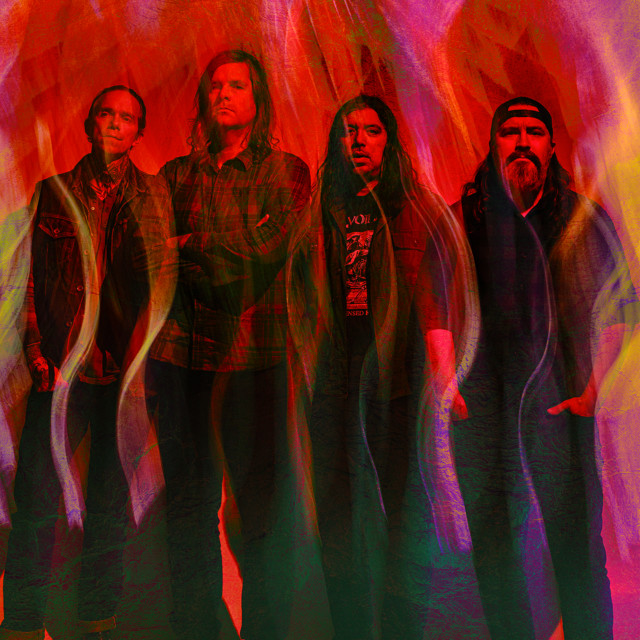
Agoraphobic Nosebleed
1998–2016
·
9 albums
Listen
2
/5
Genres
Cybergrind
Cybergrind is an ultra-kinetic fusion of grindcore’s extremity with digital production and club-adjacent sound design. It pairs screamed or growled vocals and whiplash riffing with drum machines, trackers, and DAWs that unleash blast beats far beyond human performance, glitch edits, and brutal, bit-crushed textures. Stylistically, it draws from breakcore, digital hardcore, industrial, gabber, and speedcore, translating grind’s micro-song intensity into a hyper-digital aesthetic. Song lengths are often short, arrangements swing between chaotic bursts and razor-cut grooves, and synths/organs/8‑bit timbres frequently replace or double traditional guitars. Lyrically and visually, cybergrind leans into dystopia, technophobia/techno‑fetish, internet culture, and cyberpunk imagery.
Discover
Listen
Mathcore
Mathcore is an extreme offshoot of metalcore and hardcore punk characterized by rapid-fire shifts in meter, tempo, and texture. It emphasizes dissonant, angular riffing; complex, polymetric drum patterns; and whirlwind song structures that often feel deliberately chaotic. The genre fuses the precision and rhythmic gamesmanship of math rock with the aggression of hardcore and the density of extreme metal. Songs routinely feature sudden stops, blast beats, start–stop riffing, odd time signatures, and atonal or chromatic harmonies, producing a sound that is tense, volatile, and cathartic.
Discover
Listen
Industrial Hardcore
Industrial hardcore is a harsher, more mechanical branch of hardcore techno that fuses the relentless tempo and distorted kick drums of gabber with the textures, noise treatments, and dystopian atmospheres of industrial and EBM. Characterized by overdriven 909-style kicks, metallic percussion, clangorous samples, and aggressive sound design, it favors bleak timbres, dissonance, and machine-like grooves over melodic content. Compared with mainstream hardcore, it is slower to mid-fast or equally fast but darker and grittier; compared with industrial techno, it is more distorted, percussively dense, and structurally oriented toward harder drops and rave energy.
Discover
Listen
Hardcore
Hardcore (often called hardcore techno in its early form) is a fast, aggressive branch of electronic dance music characterized by heavily distorted, punchy 4/4 kick drums, tempos ranging from roughly 160 to well over 200 BPM, and a dark, high‑energy aesthetic. It emphasizes percussive drive over complex harmony, using clipped and saturated kick-bass sound design, sharp hi-hats, claps on the backbeat, and harsh synth stabs or screeches. Vocals, when present, are typically shouted hooks, sampled movie lines, or crowd chants processed with distortion and effects. Originating in the Netherlands in the early 1990s, the style quickly splintered into related scenes and subgenres such as gabber, happy hardcore, Frenchcore, terrorcore, speedcore, and later hardstyle. Its culture is closely associated with large-scale raves, specialized labels, and distinctive visual branding.
Discover
Listen
Grindcore
Grindcore is an extremely fast, abrasive fusion of hardcore punk and extreme metal characterized by blast-beat drumming, highly distorted down-tuned guitars, and a mix of guttural growls and high-pitched screams. Songs are typically very short—often under two minutes and sometimes just seconds—favoring intensity over traditional verse–chorus structures. Lyrically, grindcore spans politically charged and socially conscious themes (war, capitalism, animal rights) as well as gore and body horror (particularly in goregrind). Production ranges from raw, live-in-the-room ferocity to tight, modern clarity. The style is defined by relentless speed, dissonant or chromatic riffing, and sudden start–stop shifts that create a feeling of controlled chaos.
Discover
Listen
Noisecore
Noisecore is an extreme offshoot of hardcore punk that fuses the speed and abrasion of punk with the sonic demolition of noise rock. It is defined by chaotic song structures, extremely short track lengths (often just seconds), screamed or unintelligible vocals, heavy feedback and distortion, blast‑beat drumming, and noise-saturated textures. Many recordings embrace lo‑fi aesthetics, clipping, and intentional "anti-production," reflecting a conscious rejection of formal musical theory and conventional songcraft. While closely related to grindcore, noisecore tends to be even more amorphous and riff‑less, prioritizing raw texture, saturation, and impact over groove or metal riffing. It arose in underground tape-trading scenes and DIY venues, where immediacy, provocation, and extremity were the point.
Discover
Listen
Sludge Metal
Sludge metal is a hybrid of doom metal’s slow, downtuned weight and hardcore punk’s raw aggression. It emphasizes thick, overdriven guitar tones, throttling bass, and drums that lurch between trudging slow-motion grooves and ragged mid‑tempo blasts. Vocals are typically screamed, barked, or anguished, often buried slightly in the mix to feel abrasive and cathartic. The style took shape in the late 1980s United States—particularly the Pacific Northwest and the American South—where bands fused Sabbath‑like doom riffs with the DIY harshness of hardcore and the scabrous textures of noise rock. Lyrical themes commonly explore addiction, despair, social decay, and Southern Gothic imagery, delivered with an intentionally gritty, unvarnished production aesthetic.
Discover
Listen
Powerviolence
Powerviolence is an ultrafast, confrontational offshoot of hardcore punk that emphasizes whiplash dynamics between blastbeat-speed eruptions and lurching, sludgy slowdowns. Its songs are typically very short—often under a minute—and rely on raw, abrasive guitar and bass tones, barked or screamed vocals, and sudden stop/start structures. Rooted more in punk than in metal, powerviolence differs from grindcore through its stripped-down riffing, anti-virtuosic ethos, and frequent use of hardcore and d-beat rhythms alongside shocking tempo drops into sludge-influenced breakdowns. Lyrics tend to be anti-authoritarian, socially critical, or nihilistic, and the style is strongly tied to DIY culture, lo-fi aesthetics, and an intentionally uncompromising sound.
Discover
Listen
Death Metal
Death metal is an extreme subgenre of heavy metal defined by heavily distorted, low‑tuned guitars, rapid and complex riffing, blast beat drumming, and harsh guttural vocals. Its harmonic language favors chromaticism, dissonance, and tremolo-picked lines that create an ominous, abrasive atmosphere. Lyrically, death metal often explores dark or transgressive themes—mortality, mythology, anti-religion, psychological horror, and the macabre—sometimes with philosophical or social commentary. Production ranges from raw and cavernous to hyper-precise and technical, reflecting the genre’s many regional scenes and substyles. From the mid‑1980s Florida scene (Tampa) and parallel developments in the US, UK, and Sweden, death metal evolved into numerous branches including brutal death metal, technical death metal, melodic death metal, and death‑doom, each emphasizing different aspects of speed, complexity, melody, or heaviness.
Discover
Listen
Doom Metal
Doom metal is a heavy metal subgenre defined by slow to mid-tempo grooves, down-tuned, highly distorted guitars, and an atmosphere of dread, melancholy, and weight. It emphasizes ominous, minor-key riffs and sustained tones over speed or virtuosity, creating a crushing sense of space and inevitability. Vocals range from plaintive and theatrical (epic/traditional doom) to anguished wails or harsh growls (death-doom), and lyrics often explore themes of suffering, mortality, the occult, apocalyptic visions, and existential despair. Song structures are typically riff-centric and long-form, with repetition and gradual dynamic shifts producing a hypnotic, ritualistic feel.
Discover
Listen
Hardcore Punk
Hardcore punk is a faster, louder, and more abrasive offshoot of late-1970s punk rock. Songs are typically short (often under two minutes), propelled by rapid tempos, aggressive down‑stroked guitar riffs, and shouted or barked vocals. The style prioritizes raw energy over technical ornamentation: power‑chord harmony, minimal guitar solos, and tightly locked rhythm sections dominate. Lyrically, hardcore punk is intensely direct—often political, anti‑authoritarian, and socially critical—reflecting a DIY ethic that values independent labels, self‑organized shows, and community‑run spaces. The genre coalesced in U.S. scenes such as Los Angeles, Washington, D.C., New York, and Boston, and soon spread internationally. Its velocity, attitude, and grassroots infrastructure profoundly shaped underground music and paved the way for numerous metal, punk, and alternative subgenres.
Discover
Listen
Metal
Metal (often used to mean heavy metal in its broad, umbrella sense) is a loud, guitar-driven style of rock defined by high-gain distortion, emphatic and often martial rhythms, and a dense, powerful low end. It foregrounds riff-based songwriting, dramatic dynamics, virtuosic guitar solos, and commanding vocals that range from melodic wails to aggressive snarls and growls. Harmonically, metal favors minor modes, modal color (Aeolian, Phrygian), chromaticism, and tritone-inflected tension, while thematically it explores power, mythology, the occult, social critique, fantasy, and existential subjects. While adjacent to hard rock, metal typically pushes amplification, distortion, precision, and thematic intensity further, forming a foundation for many specialized subgenres.
Discover
Listen
Rock
Rock is a broad family of popular music centered on amplified instruments, a strong backbeat, and song forms that foreground riffs, choruses, and anthemic hooks. Emerging from mid‑20th‑century American styles like rhythm & blues, country, and gospel-inflected rock and roll, rock quickly expanded in scope—absorbing folk, blues, and psychedelic ideas—while shaping global youth culture. Core sonic markers include electric guitar (often overdriven), electric bass, drum kit emphasizing beats 2 and 4, and emotive lead vocals. Rock songs commonly use verse–chorus structures, blues-derived harmony, and memorable melodic motifs, ranging from intimate ballads to high‑energy, stadium‑sized performances.
Discover
Listen
Electronic
Electronic is a broad umbrella genre defined by the primary use of electronically generated or electronically processed sound. It encompasses music made with synthesizers, drum machines, samplers, computers, and studio/tape techniques, as well as electroacoustic manipulation of recorded or synthetic sources. The genre ranges from academic and experimental traditions to popular and dance-oriented forms. While its sonic palette is rooted in electricity and circuitry, its aesthetics span minimal and textural explorations, structured song forms, and beat-driven club permutations. Electronic emphasizes sound design, timbre, and studio-as-instrument practices as much as melody and harmony.
Discover
Listen
Show all 14 genres
Albums
2016
2
/5
Arc
Agoraphobic Nosebleed
Noisecore
Cybergrind
Doom Metal
2011
2
/5
And On and On...
Agoraphobic Nosebleed
Noisecore
Cybergrind
Grindcore
2009
2
/5
Agorapocalypse
Agoraphobic Nosebleed
Noisecore
Cybergrind
Grindcore
2005
2
/5
Bestial Machinery
Agoraphobic Nosebleed
Noisecore
Cybergrind
Grindcore
2003
1
/5
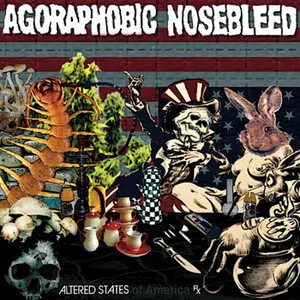
Altered States of America
Agoraphobic Nosebleed
Noisecore
Cybergrind
Electronic
2002
2
/5
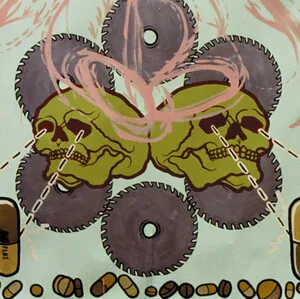
Frozen Corpse Stuffed With Dope
Agoraphobic Nosebleed
Cybergrind
Electronic
Grindcore
1999
2
/5
The Poacher Diaries
Agoraphobic Nosebleed / Converge
Cybergrind
Noisecore
Grindcore
1998
2
/5
Honky Reduction
Agoraphobic Nosebleed
Noisecore
Cybergrind
Grindcore
ANBRx Pharmaceuticals II
Agoraphobic Nosebleed
Industrial Hardcore
Similar artists
2
/5
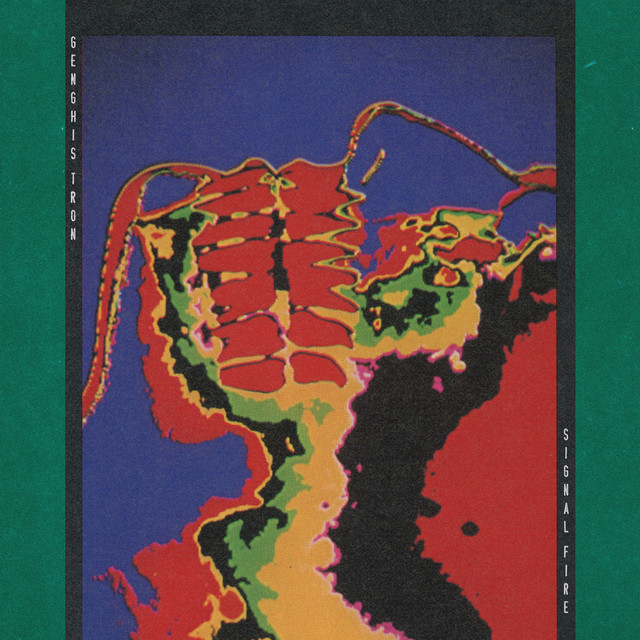
Genghis Tron
Cybergrind
Grindcore
American Grindcore
3
/5
Converge
Hardcore Punk
Metalcore
Mathcore
2
/5
Magrudergrind
Grindcore
Hardcore Punk
Noisecore
1
/5
ZOMBIESHARK!
Cybergrind
Grindcore
Mathcore
2
/5
Melt-Banana
Noise
Noise Rock
Noisecore
1
/5
The Locust
Cybergrind
Grindcore
Hardcore Punk
Despise You
Cybergrind
Grindcore
Noisecore
2
/5
Rolo Tomassi
Cybergrind
Mathcore
Math Rock
2
/5
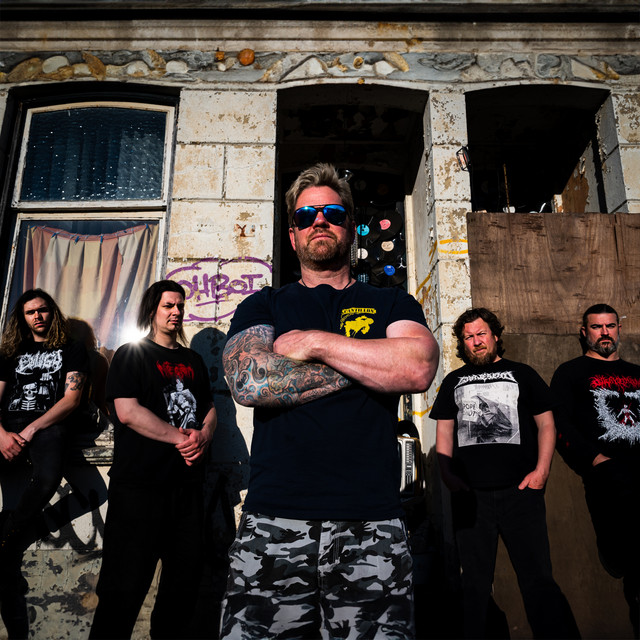
The Berzerker
Cybergrind
Grindcore
Rock
3
/5
Pig Destroyer
American Grindcore
Grindcore
Rock
Download our mobile app
Get the Melodigging app and start digging for new genres on the go
Download on the App Store
Get it on Google Play
© 2026 Melodigging
Give feedback
Legal
Melodding was created as a tribute to
Every Noise at Once
, which inspired us to help curious minds keep digging into music's ever-evolving genres.