Genres
Artists
Albums
Make Music
Sign in
Sign in
Artists
Cybergrind
Artists
Cybergrind
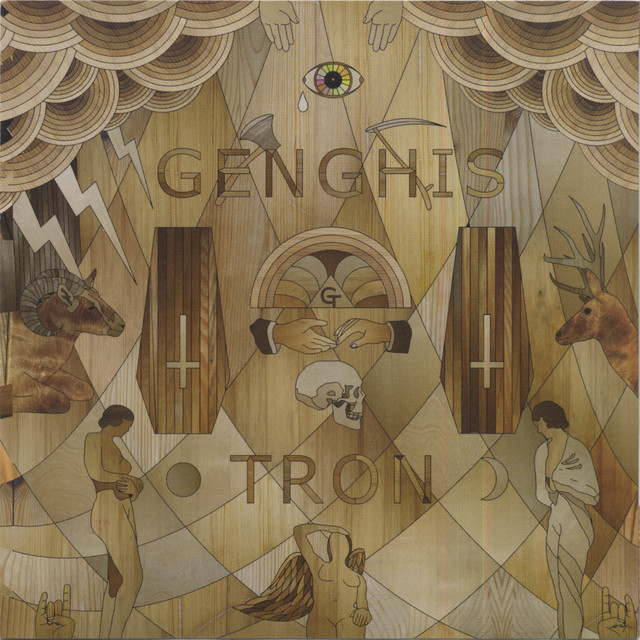
Genghis Tron
2005–2021
·
4 albums
Listen
2
/5
Genres
Cybergrind
Cybergrind is an ultra-kinetic fusion of grindcore’s extremity with digital production and club-adjacent sound design. It pairs screamed or growled vocals and whiplash riffing with drum machines, trackers, and DAWs that unleash blast beats far beyond human performance, glitch edits, and brutal, bit-crushed textures. Stylistically, it draws from breakcore, digital hardcore, industrial, gabber, and speedcore, translating grind’s micro-song intensity into a hyper-digital aesthetic. Song lengths are often short, arrangements swing between chaotic bursts and razor-cut grooves, and synths/organs/8‑bit timbres frequently replace or double traditional guitars. Lyrically and visually, cybergrind leans into dystopia, technophobia/techno‑fetish, internet culture, and cyberpunk imagery.
Discover
Listen
Sasscore
Sasscore is a flamboyant, high-strung strain of early-to-mid 2000s post-hardcore that fuses mathy, dissonant riffing and screamo vocal intensity with the hip-shaking momentum of dance-punk. Its calling cards include yelped and shrieked dual vocals, cut-and-thrust start–stop arrangements, spiky clean guitars, jagged syncopation, and a camp, fashion-forward attitude—hence the “sass.” Lyrics often mix bite and satire, tackling sex, power, and social theater with sneering wit and theatrical swagger. On stage and on record, sasscore prizes sharp contrasts: razor-treble guitar stabs against booming, club-ready drums; sudden tempo lurches beside hooky gang shouts; and a queered, transgressive performance energy that made it as much a scene and attitude as a sound.
Discover
Listen
Mathcore
Mathcore is an extreme offshoot of metalcore and hardcore punk characterized by rapid-fire shifts in meter, tempo, and texture. It emphasizes dissonant, angular riffing; complex, polymetric drum patterns; and whirlwind song structures that often feel deliberately chaotic. The genre fuses the precision and rhythmic gamesmanship of math rock with the aggression of hardcore and the density of extreme metal. Songs routinely feature sudden stops, blast beats, start–stop riffing, odd time signatures, and atonal or chromatic harmonies, producing a sound that is tense, volatile, and cathartic.
Discover
Listen
Grindcore
Grindcore is an extremely fast, abrasive fusion of hardcore punk and extreme metal characterized by blast-beat drumming, highly distorted down-tuned guitars, and a mix of guttural growls and high-pitched screams. Songs are typically very short—often under two minutes and sometimes just seconds—favoring intensity over traditional verse–chorus structures. Lyrically, grindcore spans politically charged and socially conscious themes (war, capitalism, animal rights) as well as gore and body horror (particularly in goregrind). Production ranges from raw, live-in-the-room ferocity to tight, modern clarity. The style is defined by relentless speed, dissonant or chromatic riffing, and sudden start–stop shifts that create a feeling of controlled chaos.
Discover
Listen
American Grindcore
American grindcore is the United States’ take on the ultra-fast, ultra-abrasive fusion of hardcore punk and extreme metal. It emphasizes blast‑beat drumming, down‑tuned and highly distorted guitars, and a mix of guttural growls, high‑pitched screams, and barked shouts. Songs are famously short—often under a minute—packing multiple riffs, tempo shifts (from blast-beat barrages to D‑beat breaks), and sudden stops into miniature explosions of intensity. Compared with its UK forebears, the American branch often leans more heavily into death‑metal precision, technical riffing, and tight production while retaining punk’s confrontational immediacy. Lyrically, American grindcore ranges from political and social critique to bleak nihilism, absurdist humor, and splatter/gore imagery. Strong local scenes formed in places like Southern California, the American Northeast, the Mid‑Atlantic, Florida, and the Midwest, tied together through DIY venues, tape trading, and later, independent labels and online communities.
Discover
Listen
Progressive Metal
Progressive metal blends the ambition and extended song forms of progressive rock with the heaviness, timbre, and energy of heavy metal. It is characterized by complex arrangements, frequent time‑signature changes, virtuosic instrumental passages, thematic or concept‑driven albums, and a wide dynamic range from delicate, atmospheric sections to aggressive, high‑gain climaxes. Harmonically it draws on modal interchange, chromatic voice‑leading, and jazz‑fusion colors, while rhythmically it favors polymeters, polyrhythms, and metric modulation. Keyboards and layered production often add orchestral or cinematic scope.
Discover
Listen
Rock
Rock is a broad family of popular music centered on amplified instruments, a strong backbeat, and song forms that foreground riffs, choruses, and anthemic hooks. Emerging from mid‑20th‑century American styles like rhythm & blues, country, and gospel-inflected rock and roll, rock quickly expanded in scope—absorbing folk, blues, and psychedelic ideas—while shaping global youth culture. Core sonic markers include electric guitar (often overdriven), electric bass, drum kit emphasizing beats 2 and 4, and emotive lead vocals. Rock songs commonly use verse–chorus structures, blues-derived harmony, and memorable melodic motifs, ranging from intimate ballads to high‑energy, stadium‑sized performances.
Discover
Listen
Experimental
Experimental music is an umbrella term for practices that prioritize exploration, process, and discovery over adherence to established genre norms. It embraces new sound sources, nonstandard tuning systems, indeterminacy and chance operations, graphic and open-form scores, extended techniques, and technology-led sound design (tape, electronics, computers, and live processing). Rather than a single style, it is a methodology and ethos: testing hypotheses about sound, structure, and performance, often blurring boundaries between composition, improvisation, sound art, and performance art. Listeners can expect unfamiliar timbres, unusual forms, and an emphasis on how music is made as much as the resulting sound.
Discover
Listen
Electronic
Electronic is a broad umbrella genre defined by the primary use of electronically generated or electronically processed sound. It encompasses music made with synthesizers, drum machines, samplers, computers, and studio/tape techniques, as well as electroacoustic manipulation of recorded or synthetic sources. The genre ranges from academic and experimental traditions to popular and dance-oriented forms. While its sonic palette is rooted in electricity and circuitry, its aesthetics span minimal and textural explorations, structured song forms, and beat-driven club permutations. Electronic emphasizes sound design, timbre, and studio-as-instrument practices as much as melody and harmony.
Discover
Listen
Show all 9 genres
Albums
2021
2
/5
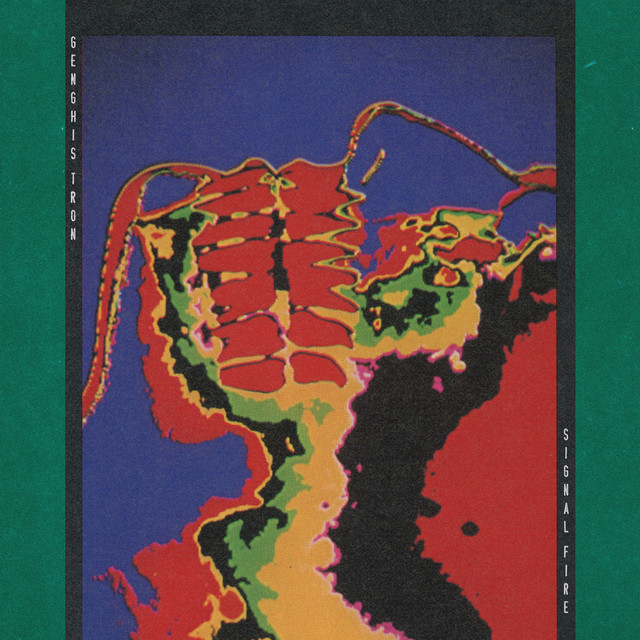
Dream Weapon
Genghis Tron
Cybergrind
American Grindcore
Sasscore
2008
2
/5
Board Up the House
Genghis Tron
Cybergrind
Electronic
Grindcore
2006
1
/5
Dead Mountain Mouth
Genghis Tron
Cybergrind
2005
1
/5
Cloak of Love
Genghis Tron
Cybergrind
Electronic
Grindcore
Similar artists
2
/5
Agoraphobic Nosebleed
Grindcore
Cybergrind
Noisecore
2
/5
The Berzerker
Cybergrind
Grindcore
Rock
1
/5
ZOMBIESHARK!
Cybergrind
Grindcore
Mathcore
1
/5
The Locust
Cybergrind
Grindcore
Hardcore Punk
1
/5
Thotcrime
Cybergrind
Grindcore
Mathcore
Tower of Rome
American Grindcore
Grindcore
Mathcore
3
/5
Igorrr
Cybergrind
Avant-Garde Metal
Avant-Garde
3
/5
Pig Destroyer
American Grindcore
Grindcore
Rock
2
/5
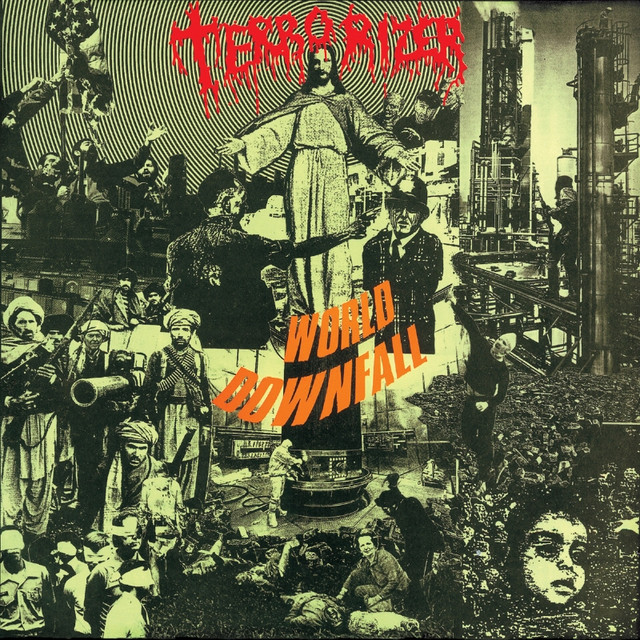
Terrorizer
American Grindcore
Death Metal
Grindcore
2
/5
Brutal Truth
Grindcore
American Grindcore
Death Metal
Download our mobile app
Get the Melodigging app and start digging for new genres on the go
Download on the App Store
Get it on Google Play
© 2026 Melodigging
Give feedback
Legal
Melodding was created as a tribute to
Every Noise at Once
, which inspired us to help curious minds keep digging into music's ever-evolving genres.