Genres
Artists
Albums
Make Music
Sign in
Sign in
Artists
Chicha
Artists
Chicha
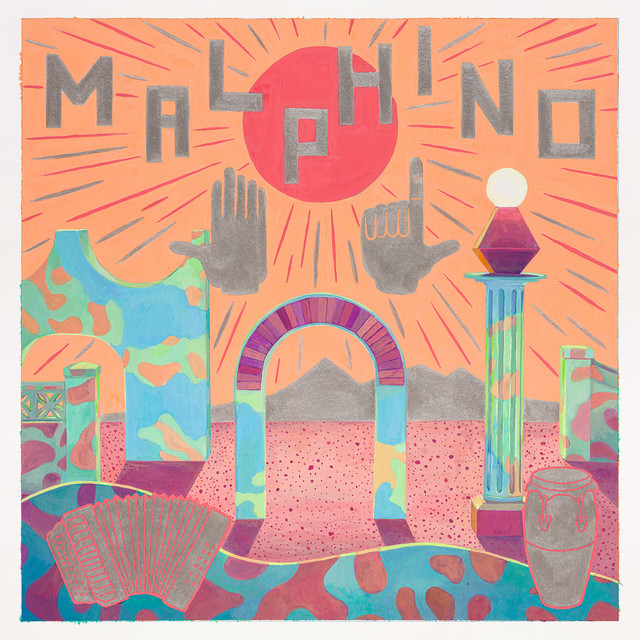
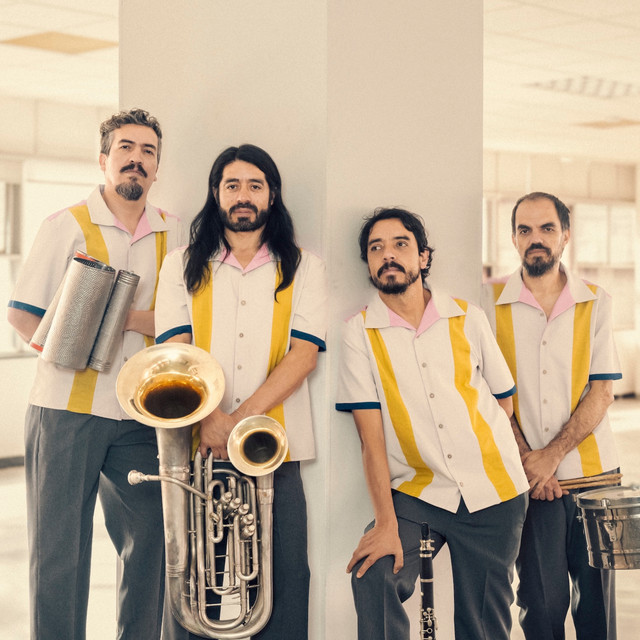
Malphino
2023
·
1 album
Listen
2
/5
Genres
Electro Bailando
Electro bailando is a Spanish‑language, club‑ready dance‑pop microgenre that blends big‑room/electro‑house sonics with Latin pop songwriting and Caribbean rhythms. It favors four‑on‑the‑floor kicks, bright supersaw leads, handclaps, and festival‑style builds and drops, while keeping lyrics simple, catchy, and centered on dancing, romance, and summer nightlife. Typical tracks run in the 120–130 BPM range, use ear‑worm hooks in Spanish, and may weave in short dembow or merengue‑influenced percussion breaks. The overall feel is glossy, uplifting, and designed for mass‑appeal dance floors and radio.
Discover
Listen
Cumbia Editada
Cumbia editada (also seen as “kumbias editadas”) is a DJ‑driven offshoot of Mexican cumbia and the sonidero sound system tradition. It consists of re‑editing existing cumbia recordings—looping hooks, inserting stutters and rewinds, applying heavy echo and delay, and adding sound‑effects drops (sirens, air horns, lasers), DJ tags, and MC dedications. Born in dance floors, neighborhood street parties, and later on social video platforms, cumbia editada privileges crowd response and DJ functionality. Tracks often extend intros/outros for mixing, emphasize percussion breaks, and sometimes adopt the slowed, woozy feel popular in northern Mexico, while keeping the romantic and melodic core of classic cumbia.
Discover
Listen
Electrocumbia
Electrocumbia (often called digital cumbia or nu-cumbia) is a contemporary, electronic reinterpretation of traditional cumbia. It merges cumbia’s signature off‑beat percussion, guacharaca/güiro textures, and tumbao bass with modern production elements such as synthesizers, drum machines, sampling, and dub-style effects. While rooted in Colombian cumbia, the style took shape across Latin America—especially within Buenos Aires’ club scene—where producers fused folkloric rhythms with downtempo, house, hip hop, and dub aesthetics. The result is a sound that can be both hypnotic and dance‑forward, oscillating between dreamy, psychedelic atmospheres and gritty, bass‑heavy grooves.
Discover
Listen
Nu-Cumbia
Nu-cumbia is a 21st‑century, electronic reimagining of classic cumbia that blends Colombian and pan–Latin rhythms with contemporary production techniques. Typically mid‑tempo (about 85–105 BPM), it keeps the genre’s swaying 2/4 groove, guacharaca and hand‑drum patterns, and tumbao‑style bass, while layering hip‑hop sampling, dub delays, filtered synths, and atmospheric sound design. Producers often sample or re-record traditional instrumentation—accordion, gaita flutes, charango, guitar, and percussion—and place it inside modern beat frameworks. The result feels both rootsy and futuristic: nostalgic melodic motifs and folkloric textures ride alongside punchy kicks, sub‑bass, and detailed FX, making nu‑cumbia equally at home in clubs, headphones, and festival stages.
Discover
Listen
Chicha
Chicha is a Peruvian branch of cumbia that crystallized in urban migrant neighborhoods during the late 1960s and 1970s. It fuses Colombian cumbia rhythms with Andean huayno melodies, played on electric guitars that carry surf- and psychedelic-rock inflections. The style is defined by bright, reverb-soaked lead guitar lines in pentatonic (often Andean) motifs, Farfisa- or Hammond-type organs doubling riffs, and a steady cumbia groove driven by drum kit, güiro, and congas. Lyrics frequently reflect internal migration, working-class life, love, longing, and the bittersweet experience of cultural hybridity in Lima and other Peruvian cities. Chicha is sometimes called cumbia peruana (though that umbrella also includes Amazonian cumbia). Its imagery and street-poster aesthetics—neon colors and bold typography—became synonymous with the sound’s vibrant, grassroots identity.
Discover
Listen
Cumbia
Cumbia is a syncretic dance-music tradition from Colombia’s Caribbean coast that blends African rhythmic heritage, Indigenous (especially gaita flute) melodic practice, and Spanish colonial instrumentation and forms. Traditionally performed in a moderate 2/4 (often felt in 4/4 today), it features interlocking hand-drum parts (tambora, alegre, llamador), guacharaca or maracas for steady texture, and long cane flutes (gaita hembra and gaita macho) carrying call-and-response melodies. As it spread in the 20th century, orchestras and dance bands added accordion, horns, piano, bass, and later electric guitar and synthesizers, creating urban and pan–Latin American variants. Harmonically simple and rhythm-forward, cumbia places groove, ostinati, and vocal refrains at the center, making it both ceremonial in origin and enduringly popular on social dance floors across the Americas.
Discover
Listen
Albums
2023
1
/5
Octopus
Malphino
Nu-Cumbia
Similar artists
3
/5
Afrosound
Nu-Cumbia
Chicha
Cumbia
2
/5
Frente Cumbiero
Tropicanibalismo
Chicha
Cumbia
4
/5
Corazón Serrano
Chicha
Huayno
Cumbia
4
/5
Grupo 5
Chicha
Huayno
Cumbia Norteña Peruana
4
/5
Agua Marina
Cumbia Peruana
Chicha
Huayno
4
/5
Armonía 10 de Walther Lozada
Chicha
Cumbia
Cumbia Norteña Mexicana
3
/5
Orquesta Kaliente de Iquitos
Cumbia Amazónica
Chicha
Cumbia
3
/5
Los Mirlos
Cumbia Amazónica
Cumbia
Cumbia Peruana
3
/5
Grupo Nectar
Chicha
Cumbia
Cumbia Norteña Mexicana
3
/5
Armando Hernandez
Porro
Chicha
Cumbia
Download our mobile app
Get the Melodigging app and start digging for new genres on the go
Download on the App Store
Get it on Google Play
© 2026 Melodigging
Give feedback
Legal
Melodding was created as a tribute to
Every Noise at Once
, which inspired us to help curious minds keep digging into music's ever-evolving genres.