Genres
Artists
Albums
Make Music
Sign in
Sign in
Artists
Norteño
Artists
Norteño
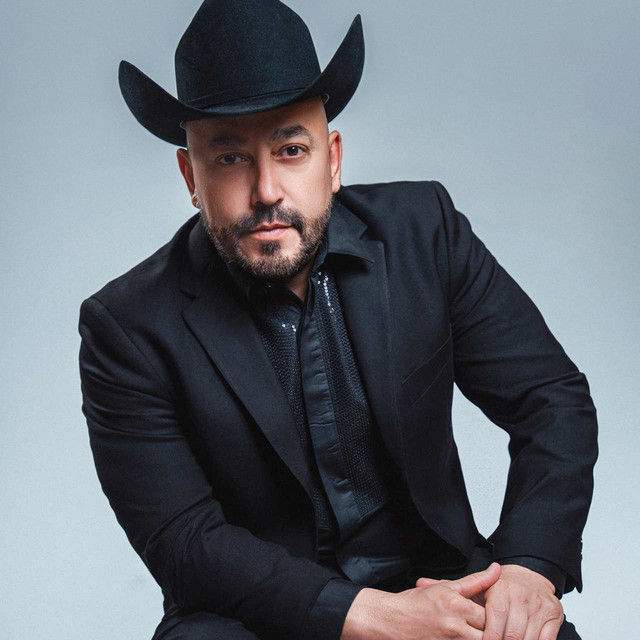
Lupillo Rivera
2001–2008
·
2 albums
Listen
3
/5
Genres
Corridos Bélicos
Corridos bélicos are a contemporary, hard-hitting branch of the Mexican corrido that foregrounds militaristic imagery, aggressive bravado, and street-informed swagger. The sound keeps the acoustic backbone of regional mexicano—sierreño trios, norteño/banda textures—while adopting the lyrical posture, ad‑libs, and urgency of trap and hip hop. Typical arrangements feature requinto and harmony guitars, tololoche or electric bass, snare-driven grooves, and sometimes tuba for low-end punch. Melodies skew minor or modal, with rapid ornamental runs, call‑and‑response riffs, and terse, talk‑sung vocal cadences. Thematically, songs chronicle power, risk, and status symbols, often coded in “bélico” (war-like) aesthetics—tactical gear, convoys, radios—delivered with taut, forward momentum.
Discover
Listen
Movimiento Alterado
Movimiento alterado is a contemporary offshoot of the Mexican corrido tradition that foregrounds hyper-violent, adrenaline-charged storytelling and hard-hitting, brass- or guitar-led arrangements. It is closely tied to the "corridos alterados" wave, in which first‑person narratives, military jargon, and explicit depictions of cartel life are delivered with swaggering vocals and propulsive rhythms. Musically, the style draws on banda sinaloense and norteño/sierreño instrumentations: blasting tambora and tarola (snare), tuba bass lines, and tight trumpet/trombone/clarinet riffs on the banda side; or rapid 12‑string guitar (requinto), accordion, and bass/tuba on the sierreño/norteño side. Harmonies are typically bright and functional (I–IV–V), while the feel is often polka‑like two‑step. Production emphasizes loud, saturated brass and percussion, catchy unison riffs, and breakneck fills that amplify the lyrical bravado. Culturally, movimiento alterado was propelled by labels and promoters who packaged and marketed the sound and image—dark attire, tactical aesthetics, and viral videos—toward Mexican and Mexican‑American audiences, especially across Sinaloa, Sonora, and the Los Angeles diaspora.
Discover
Listen
Musica Urbana Oaxaquena
Musica urbana oaxaqueña (Oaxacan urban music) is a contemporary, grassroots blend of Latin urban styles—reggaeton, Latin trap, dancehall and hip‑hop—with regional sounds and languages from the state of Oaxaca, Mexico. It often mixes Spanish with Indigenous languages such as Zapotec, Mixtec, Mixe, Mazatec, and Triqui, foregrounding local identity alongside global club aesthetics. Production typically marries dembow or halftime trap drums with timbres and melodic turns inspired by Oaxacan brass band traditions (bandas de viento), chilena costeña (6/8–3/4 hemiola swing), son istmeño motifs, and cumbia keyboards or guitars. Lyrically, it ranges from party and romance to migration, pride, and community narratives tied to fiestas patronales, tequio (communal work), and Oaxacan diasporic life.
Discover
Listen
Mexican Hip Hop
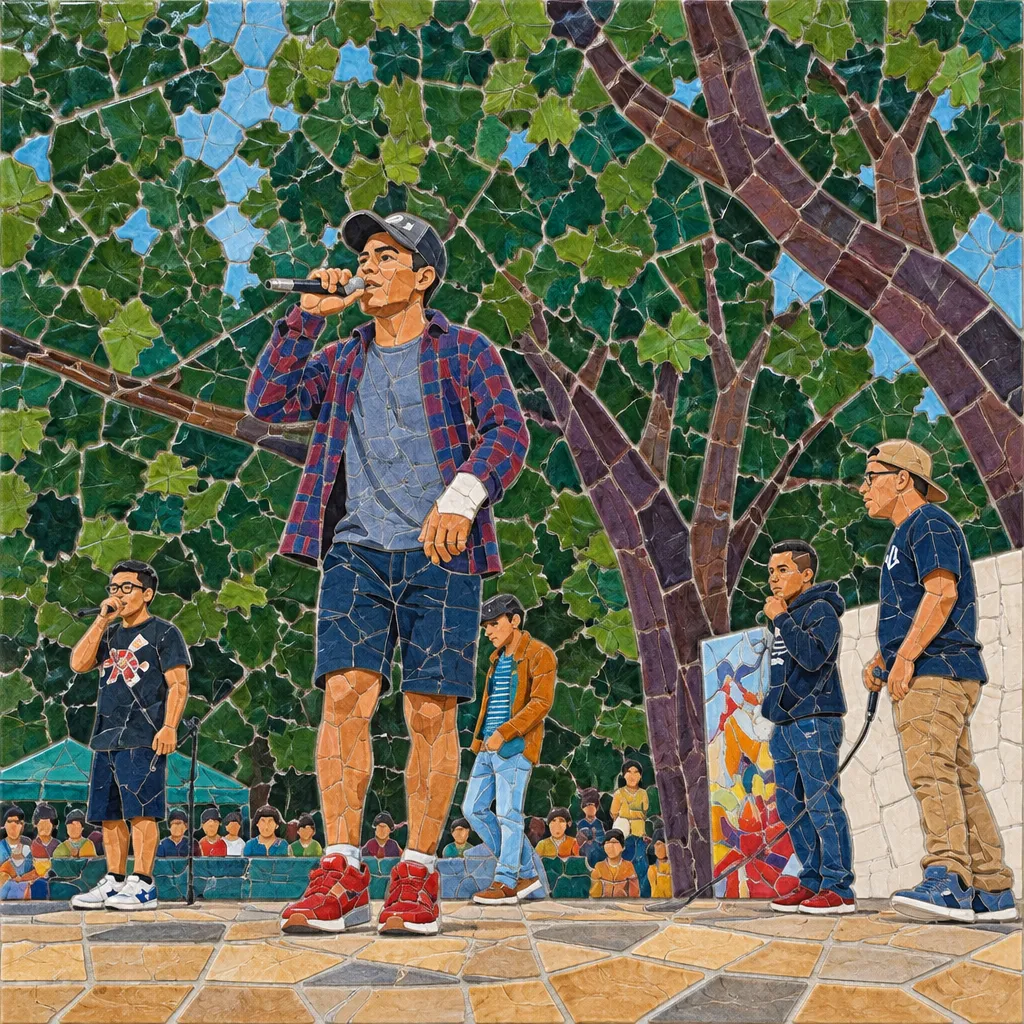
Mexican hip hop is the localized expression of hip hop culture in Mexico, blending classic rap foundations with regional musical colors and Spanish-language lyricism. It encompasses MCing, DJing, graffiti, and breakdance, but its recorded output is defined by gritty storytelling, street realism, wordplay, and a mix of boom-bap, G-funk, trap, and hybrid beats. Stylistically, it often incorporates rhythmic and melodic ideas from regional Mexican idioms and Latin genres—occasionally sampling or referencing cumbia, norteño, banda, or mariachi—while maintaining core hip hop traits like punchy drums, bass-forward mixes, and bar-centric flows. The scene ranges from hardcore and battle-rap aesthetics to radio-friendly hooks and crossovers with rock and regional styles.
Discover
Listen
Norteño
Norteño (música norteña) is a Mexican regional style built around the bright timbre of the diatonic button accordion and the driving strum of the bajo sexto. Rooted in borderland dance music, it blends Central European polka, waltz, and schottische rhythms with Mexican corrido storytelling and ranchera songcraft. Characterized by brisk 2/4 polkas and lilting 3/4 waltzes, norteño songs range from narrative corridos about migration and everyday struggles to romantic ballads and party tunes. Traditional ensembles used tololoche (upright bass) and snare, while modern groups often add electric bass, full drum kits, and occasionally tenor sax (in the norteño-sax substyle) or tuba (in norteño-banda). The result is a dance-forward, story-rich music that bridges rural and urban audiences on both sides of the U.S.–Mexico border.
Discover
Listen
Ranchera
Ranchera (canción ranchera) is a traditional Mexican song genre characterized by passionate, emotive vocals; memorable, singable melodies; and direct, heartfelt lyrics about love, heartbreak, drinking, patriotism, rural life, and personal honor. Although its roots reach back to rural song traditions of the late 18th and early 19th centuries, ranchera consolidated as a national popular style before the Mexican Revolution and was later projected across Latin America through the Golden Age of Mexican cinema. The genre is commonly performed with mariachi (violins, trumpets, vihuela, guitarra, guitarrón), but it can also appear with norteño, banda, or solo voice-and-guitar arrangements. Musically, rancheras often use simple strophic or verse–chorus forms, tonal harmonies (I–IV–V with occasional secondary dominants or modulations), and meters in 3/4 (vals ranchero) or 2/4 and 4/4 (ranchera alegre or ranchera lenta). Vocal delivery features expressive rubato, dramatic dynamic arcs, and the iconic grito (a shouted cry) between phrases.
Discover
Listen
Banda
Banda is the traditional music of the Banda peoples of the Central African Republic and adjacent regions of the central Sudano–Congolese belt. It centers on communal performance—singers, dancers, and instrumentalists creating interlocking parts that are woven together through call-and-response and polyrhythm. Characteristic timbres include ensembles of natural horns (notably among Banda-Linda groups) that perform single-note hocketing to build complex melodic textures, wooden slit-drums used for rhythm and communication, frame and barrel drums, rattles, handclaps, transverse and end-blown flutes, and lamellophones (sanza/likembe). Vocal music ranges from antiphonal work and dance songs to ceremonial chants, often supporting life-cycle rituals, healing, hunting, and communal celebrations. Melodically, Banda repertoires commonly employ pentatonic and heptatonic pitch collections, while rhythmically they favor layered ostinati in compound meters (e.g., 12/8) and additive patterns. The music functions as living social practice, binding community, marking identity, and conveying oral history.
Discover
Listen
Corrido
Corrido is a Mexican narrative ballad tradition that tells real or imagined stories about heroes, outlaws, battles, tragedies, and contemporary events. It is strophic, usually built from octosyllabic lines organized into quatrains with assonant rhyme, and features a declamatory vocal delivery designed to make the storyline clear. Musically, corridos are commonly set to dance-derived rhythms such as polka in 2/4 or waltz in 3/4, reflecting 19th‑century European influences absorbed in northern Mexico. They are performed by different ensembles—most famously norteño groups with accordion and bajo sexto, mariachi with violins and trumpets, or banda with brass and tuba—yet the poetic form and storytelling remain central. Typical corridos open with a saludo (greeting/announcement), present the narrative in chronological episodes rich with names, places, and dates, and close with a despedida (farewell or moral). Modern variants include narcocorridos and, more recently, corridos tumbados that fuse the narrative form with contemporary urban and trap aesthetics.
Discover
Listen
Corridos Adictivos
Corridos adictivos is a name found on Every Noise at Once, a map of genres identified by Spotify, and in the playlist “The Sound of Corridos Adictivos”; little has been written about it. The music tends to be fast, lively and assertive, with a bouncy pulse and Spanish-language singing. Strummed acoustic guitars and accordion are prominent, often supported by a booming tuba or sousaphone bass line. Some arrangements add trumpets, trombones and clarinets, while others use electric or acoustic bass. Drums can give the music extra drive with snare hits, rolls and cymbal crashes; some arrangements rely on strumming and bass for their rhythmic momentum instead. A common rhythm is a waltz-like oom-pah-pah, with a low bass note followed by guitar strums; a brisk polka-like beat also appears. Voices are often strong and slightly nasal, with a second singer joining the lead in close harmony. Between vocal phrases, accordion and other melodic instruments play quick runs and harmonized fills. The production is generally bright and direct, with vocals up front and some room sound or reverb. The music sits especially close to corrido, the narrative ballad tradition, and some of its artists are also associated with the guitar-led norteño style sierreño. Titles such as “Mi Historial / El 090,” “Siglas del Cartel” and “La Vida del Narco” suggest stories about named figures, coded identities and the drug trade. Releases in the playlist span 2014 to 2024.
Discover
Listen
Show all 9 genres
Albums
2008
El tiro de gracia
Lupillo Rivera
Corrido
Norteño
Ranchera
2001
Despreciado
Lupillo Rivera
Norteño
Ranchera
Similar artists
Hide discovered
5
/5
Grupo Frontera
Tejano
Cumbia Norteña Mexicana
Grupera
5
/5
Carín León
Regional Mexicano
Grupera
Alternative Country
5
/5
Grupo Firme
Grupera
Ranchera
Norteño
5
/5
Banda MS de Sergio Lizárraga
Banda Sinaloense
Regional Mexicano
Bandas De Viento De México
5
/5
Los Tigres Del Norte
Corrido
Norteño
Latin
5
/5
Vicente Fernández
Bolero
Mariachi
Ranchera
4
/5
Calibre 50
Movimiento Alterado
Grupera
Latin
4
/5
El Fantasma
Ranchera
Norteño
Banda Sinaloense
4
/5
Ramon Ayala Y Sus Bravos Del Norte
Tejano
Corrido
Latin
5
/5
Julión Álvarez y su Norteño Banda
Banda
Grupera
Norteño
Download our mobile app
Get the Melodigging app and start digging for new genres on the go
Download on the App Store
Get it on Google Play
© 2026 Melodigging
Give feedback
About & FAQ
Legal
Melodding was created as a tribute to
Every Noise at Once
, which inspired us to help curious minds keep digging into music's ever-evolving genres.