Genres
Artists
Albums
Make Music
Sign in
Sign in
Artists
Covertronica
Artists
Covertronica
Lunis
Listen
3
/5
Genres
Lo-Fi Product
Lo-fi product is a micro–genre of lo-fi hip hop tailored for "product" use-cases: background beds for ads, explainer videos, tutorials, livestreams, apps, and UX/product demos. It keeps the warm vinyl patina, jazzy chords, and relaxed drums of lo-fi hip hop, but avoids attention-grabbing elements (vocals, intrusive melodies, dramatic drops) to remain non-distracting and fully licensable. Tracks are usually short, loopable, and delivered in multiple cutdowns (60/30/15 seconds, stings, loop stems) for commercial editorial and production work. Compared to artist-first lo-fi, lo-fi product is more neutral in mood, sparser in arrangement, cleaner in rights (no uncleared samples), and mastered for consistent, unobtrusive playback in mixed media contexts.
Discover
Listen
Gym Phonk
Gym phonk is a high-energy, modern offshoot of phonk that is tailored for workout edits, lifting montages, and short‑form video clips. It merges the gritty, lo‑fi Memphis rap sampling of classic phonk with the clipped, overdriven bass, cowbell leads, and fast tempos popularized by drift phonk. Producers aim for immediate impact: hard 808 slides, distorted low end, and chant‑like vocal chops are arranged for quick drops and clear, repeatable hooks. Compared to earlier, moodier phonk, gym phonk emphasizes intensity and propulsion—often sitting around 150–170 BPM—and frequently draws from a 4‑on‑the‑floor “phonk house” feel or a halftime trap bounce. The sound went viral across TikTok, YouTube, and gym playlists, driven by Russian/Eastern European and global producers who optimized the style for heavy training and motivational edits.
Discover
Listen
Covertronica
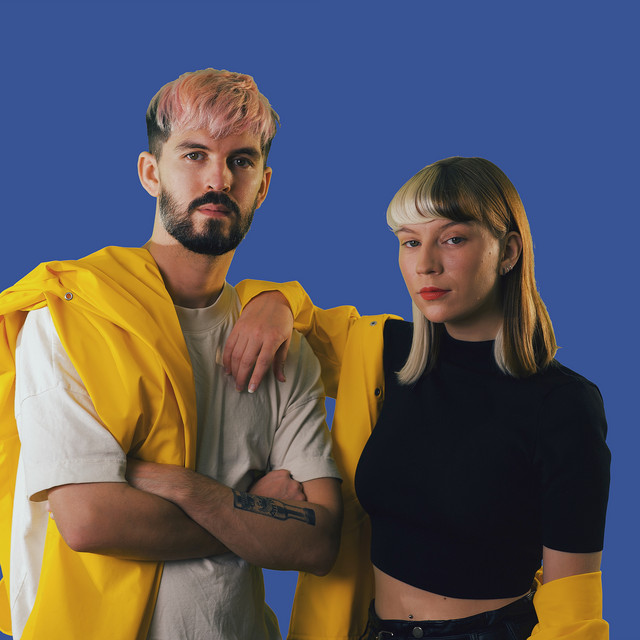
Covertronica is a microgenre centered on electronically produced cover versions of well‑known songs. Artists retain the recognizability of the original melodies and hooks, but reimagine them with contemporary electronic palettes—glossy synths, side‑chained pads, drum machines, 808s, and modern pop/EDM production. The style thrives on clever reharmonization (e.g., minor/major flips), tempo shifts, and textural redesign, often translating rock, soul, or classic pop into sleek electropop/indietronica frameworks. Vocals are typically polished and upfront, with stacked harmonies, tight autotune as a color (when desired), and arrangement tricks such as filtered intros, half‑time drops, and breakdowns that mirror club and synth‑pop dynamics. Because the repertoire comes from existing songs, covertronica is as much about curatorial taste and arrangement craft as it is about sound design, making it a meeting point between DJ culture’s recontextualization and the singer‑producer era of the internet.
Discover
Listen
Dark R&b
Dark R&B is a moody, atmospheric strain of contemporary R&B characterized by shadowy soundscapes, sparse arrangements, and emotionally raw vocals. It fuses traditional R&B singing with downtempo electronic production, minor-key harmonies, and textural sound design that leans into reverb, distortion, and cinematic ambience. The style often explores themes of desire, isolation, intoxication, and nocturnal urban life. Beats are typically slow or half-time, bass is heavy yet controlled, and melodies float in a fog of pads, synths, and haunted samples. Emerging in the early 2010s around the Toronto “noir” aesthetic and the broader wave of alternative R&B, dark R&B borrowed from trip hop, post-dubstep, witch house, and ambient to craft a distinctly modern, brooding take on soul music.
Discover
Listen
Flint Sound
Flint sound is a contemporary Michigan rap style centered in Flint, United States. It is characterized by fast, minimal, piano- or organ-led beats, dry and upfront vocals, and bar-by-bar “punch‑in” delivery that often rides slightly ahead of or behind the grid for a conversational, off‑kilter feel. The production typically favors bright piano loops, staccato 808 slides, crisp claps or rimshots, and sparse percussion, leaving plenty of space for relentless punchlines, gritty street reportage, and mischievous humor. While hard-edged and streetwise, the style frequently leans into charismatic personality and wit, making it both aggressive and infectious for dancing.
Discover
Listen
Gaming Edm
Gaming EDM is a bright, hook‑driven branch of electronic dance music tailored for online gaming, streaming, and creator culture. It blends festival‑ready drops and sidechained supersaws with melodic, video‑game–friendly timbres (arpeggiated leads, chip/8‑bit flourishes) and clean royalty-friendly production that sits well under voice chat or commentary. The songs are typically concise, high‑energy, and instantly catchy, engineered to loop well on streams and to sync to highlight reels and esports content.
Discover
Listen
Re:techno
Re:techno is a contemporary, internet-native tag within the techno ecosystem that signals a return to early‑2000s loop/hardgroove aesthetics, updated with modern punch, loudness, and precision. Typically in the 130–138 BPM range, tracks emphasize driving 4/4 kicks, rolling off‑beat bass patterns, swung hi‑hats, toms, shakers, and tribal/Latin‑coded percussive riffs. The harmony is sparse—often limited to filtered stabs or drones—so that rhythm and texture carry the dance floor. Long DJ‑friendly intros/outros, incremental filtering, quick fills, and micro‑arrangement changes give the music an endlessly propulsive feel. Rather than inventing a new sound from scratch, re:techno reframes an existing lineage (Swedish/Iberian loop techno, hardgroove, acid/tribal currents) for today’s clubs and digital marketplaces, delivering highly mixable “tool” tracks that are functional, funky, and relentlessly dance‑floor oriented.
Discover
Listen
Slap House
Slap house is a pop-leaning strain of deep/house music built around a short, percussive "slap" bass that punches through the mix with aggressive sidechain compression. It typically sits between 118–125 BPM, uses simple minor-key harmony, and places a catchy topline—often a pitched‑down vocal or a cover of a familiar hit—over a sparse, club‑ready groove. The style borrows the weighty low end and rhythmic bounce of Brazilian bass while streamlining arrangements for streaming and radio. Clean four‑on‑the‑floor kicks, clipped claps on 2 and 4, and a tight, syncopated bass riff define the drop, with subtle pads, plucks, and FX in the breakdowns. Its combination of moody harmony, recognizable hooks, and dancefloor impact helped it dominate charts and TikTok/Spotify playlists in the late 2010s and early 2020s.
Discover
Listen
Bass Trap
Bass trap is a high-energy electronic dance music style that merges trap’s halftime hip-hop drum language with festival-scale sound design. It is defined by hard-hitting 808-style sub-bass, punchy snare/clap patterns, rapid hi-hat figures, and aggressive synth or bass “growls” borrowed from modern bass music. Tracks are typically built for big drops and crowd impact, using tension-heavy builds, sudden silences, and explosive low-end releases.
Discover
Listen
Bytebeat
Bytebeat is a minimalist form of algorithmic music in which very short computer programs (often a single arithmetic expression) generate raw PCM audio directly. It typically uses 8-bit integer math and a running time counter t to produce harsh, glitchy, melody-like patterns, rhythms, and textures through bitwise operations, shifts, modular arithmetic, and simple integer multiplications. The aesthetic sits between chiptune timbres and noise art: crunchy aliasing, stepping waveforms, and emergent structure arise from extremely compact code. First popularized online in 2011, bytebeat is as much a programming puzzle as it is a musical style, celebrated for revealing how complex musical behaviors can emerge from ultra-simple rules.
Discover
Listen
Chill Dream Pop
Chill dream pop is a soft-focus, slow-tempo branch of dream pop that emphasizes hushed vocals, languid grooves, and a hazy, nocturnal atmosphere. It blends reverb-drenched guitars and shimmering synth pads with understated drum programming to create an intimate, weightless feel. Compared with classic dream pop, the “chill” variant leans further into minimalism and smooth, lo-fi textures, borrowing from chillwave and bedroom pop. Lyrics often center on memory, dusk-lit romance, and liminal spaces, delivered in a breathy, close-mic tone that sits inside lush ambient reverbs and delays.
Discover
Listen
Future House
Future house is a mid‑2010s strain of house music known for rubbery, plucked bass leads, clean and punchy drums, and streamlined, drop‑focused arrangements. It bridges the groove and warmth of deep/UK house with the sheen and impact of big‑room/electro‑house, often featuring metallic or organ‑like bass timbres that “speak” melodically. Typical tracks sit around 124–128 BPM, use tight sidechain compression for a pumping feel, and contrast sparse, atmospheric breakdowns with hooky, syncopated bass drops. Vocals, when present, are concise—often chopped or pitched—and the sound design emphasizes clarity, swing, and a modern, club‑ready polish.
Discover
Listen
Glitch Hop Edm
Glitch hop EDM is a bass-heavy, midtempo offshoot of glitch and hip-hop that adopts the large-scale sound design, drops, and festival-ready structures of contemporary EDM. It typically runs around 90–115 BPM with a swung or syncopated hip-hop groove, while employing stutter edits, tape stops, bitcrushing, buffer repeats, granular chops, and intricate automation to create the characteristic "glitched" feel. Tracks often feature thick, modulated basslines; punchy, off-kilter drums; chopped vocals and foley; and harmonies that borrow from jazz, funk, and soul, all arranged in EDM-style buildups and drops.
Discover
Listen
Lo-Fi Latino
Lo-fi latino is a niche within lo-fi beat culture that blends the warm, imperfect aesthetics of lo-fi production (tape hiss, vinyl crackle, softened transients, and “bedroom” mixing) with Latin musical signifiers. It commonly features Latin percussion patterns (e.g., clave-derived syncopations), acoustic guitars, piano montunos, bolero/bossa-inspired harmonies, and samples or melodic motifs associated with Latin popular and Afro-Latin traditions. The genre is largely internet-native, built for background listening (study, late-night, cafes), while still retaining subtle groove and dance ancestry from Latin rhythms.
Discover
Listen
Trap Edm
Trap EDM (often called EDM trap) is a fusion of Southern U.S. hip hop trap rhythms with the build–up/drop architecture and sound design of electronic dance music. It typically runs at 140 BPM with a halftime feel (or 70–75 BPM), featuring 808 sub‑bass, crisp snare/clap on the third beat, rapid 1/16 to 1/32 hi‑hat rolls, brass or synth stabs, and big festival‑style drops. Unlike rap-oriented trap, Trap EDM is primarily instrumental and designed for large dance floors and festivals, emphasizing dramatic risers, tension–release dynamics, and heavy low‑end impact.
Discover
Listen
Show all 15 genres
Similar artists
4
/5
Nito-Onna
Covertronica
Dark R&b
Deep Deep House
4
/5
Besomorph
Traprun
Covertronica
Dark R&b
5
/5
Tiësto
Dance
Trance
Brostep
5
/5
Bebe Rexha
Dance-Pop
Pop
Candy Pop
4
/5
Robin Schulz
Tropical House
Electronic
Deep Euro House
4
/5
Alok
Brazilian Bass
Electronic
Electro House
4
/5
Anne-Marie
Pop
Basshall
Chill Pop
4
/5
Dido
Europop
Lilith
Downtempo
4
/5
Topic
German Dance
Chill Pop
Chill R&b
4
/5
Dimitri Vegas
Analog Horror
Candy Pop
Covertronica
Download our mobile app
Get the Melodigging app and start digging for new genres on the go
Download on the App Store
Get it on Google Play
© 2026 Melodigging
Give feedback
Legal
Melodding was created as a tribute to
Every Noise at Once
, which inspired us to help curious minds keep digging into music's ever-evolving genres.