Genres
Artists
Albums
Make Music
Sign in
Sign in
Artists
Warm Drone
Artists
Warm Drone
Lucy Railton
2023
·
1 album
Listen
2
/5
Genres
Mandible
Mandible is an internet-born, experimental microgenre whose name evokes the jawbone: brittle, gnashing, and percussive. Producers lean into harsh, dental-adjacent foley (tooth clicks, jaw pops, bone-like clacks) and metallic scrapes, arranging them over lurching trap-derived beats and sub-heavy sound design. Aesthetically, it sits at the intersection of industrial noise, deconstructed club, and dark trap: distorted transients, granular glitches, sudden drop-outs, and unsettling ASMR-adjacent close‑mic textures. Harmony tends to be sparse or atonal, with drones and dissonant clusters used more for atmosphere than for functional progression. The result is club-adjacent music that feels physical and tactile—like rhythm sculpted from mouth and bone.
Discover
Listen
Spectra
Spectra is a contemporary, internet-native microgenre of moody alternative electronic and R&B-adjacent music characterized by spectral, hazy textures, soft-focus vocals, and lush, wide stereo sound design. It blends downtempo grooves with post-dubstep sound palettes, dreamy pads, and understated, melancholic songwriting. Production often favors granular and time-stretched atmospheres, filtered synths, submerged bass, and delicate percussion patterns that feel intimate yet cinematic. Vocals are commonly breathy and layered with subtle pitch/formant processing, while harmony leans toward extended, suspended, and add-color chords that emphasize bittersweet, nocturnal moods.
Discover
Listen
Warm Drone
Warm drone is a microstyle of ambient/drone music that emphasizes soft, consonant, and enveloping sustained tones with a distinctly warm timbral character. Instead of the bleak or industrial textures often associated with classic drone, warm drone favors analog synth pads, bowed or layered guitars, organs and harmoniums, tape saturation, gentle hiss, and low‑noise field recordings. Harmonic movement is sparse and slow; micro-modulations, overtones, and gradual filtering provide the sense of motion rather than rhythm or melody. The result is an intimate, comforting soundfield that feels close, humane, and tactile—ideal for rest, reading, reflection, or late-night listening. It overlaps with modern sleep/meditation ambient but remains compositionally attentive to tone color, acoustic space, and long-form development.
Discover
Listen
New Isolationism
New isolationism is a contemporary strain of isolationist ambient and post-industrial minimalism that emerged in the 2010s, particularly around Scandinavian experimental labels and studios. It foregrounds intimate, close-mic’d sound, negative space, and a quiet-but-present noise floor; its pieces feel both internal and architectural, like rooms built from reverb tails, tape hiss, and soft electronics. Sonically, the style blends glacial drones, fragile chamber timbres (strings, organ, piano), lo‑fi electronics, and field recordings into stark, slow-evolving tableaux. Melodic information is sparse—often only a few tones or gestures—while rhythm is either absent or reduced to distant pulses, heartbeats, or mechanical cycles. Vocals, when they appear, are murmured, diaristic, or abstracted by pitch and time manipulation. Aesthetically, new isolationism is post‑internet and diaristic: it captures solitude, memory, and dislocation with a palette that feels personal yet estranged, drawing as much from contemporary gallery sound practice as from classic dark ambient.
Discover
Listen
Outsider House
Outsider house is a strain of house music that embraces lo‑fi production, raw textures, and a DIY ethos. Instead of the sleek, club‑polished sound of mainstream house, it foregrounds tape hiss, distortion, and gritty machine funk to create a hazy, intimate atmosphere. Often associated with early‑2010s labels and scenes that prized hardware jams and cassette aesthetics, outsider house sits at the fringes of house and techno while retaining steady 4/4 rhythms for dancefloor use. Tracks tend to be hypnotic and repetitive, with detuned pads, muffled drums, and understated basslines that feel both nostalgic and nocturnal.
Discover
Listen
Gauze Pop
Gauze pop is a hazy, soft‑focus strain of indie and electronic pop built around breathy vocals, blurred textures, and nostalgic synth palettes. The term evokes music that feels veiled—like hearing a pop song through gauze—where reverb, delay, chorus, and tape‑like warble soften contours and melt rhythms into a pastel wash. Musically it blends the tunefulness of synth‑pop and indietronica with the dreamy atmospherics of chillwave and dream pop. Tempo tends to sit in a relaxed mid‑range, drums are cushioned and low‑passed, and harmonies favor warm major‑7ths and add9 colors. The result is intimate, memory‑soaked pop that’s equal parts bedroom‑made and cinema‑wide.
Discover
Listen
Fluxwork
Fluxwork is a contemporary microgenre of electronic music optimized for sustained concentration and “flow state” listening. It blends the warmth and space of ambient with the pulse and structure of minimal techno and microhouse, emphasizing unobtrusive rhythms and gradual, textural movement. Tracks usually feature understated four-on-the-floor or gently broken patterns, soft sidechained pads, subtle arpeggios, and carefully filtered transitions. Vocals, if present at all, are sparse and textural. The result is music that feels propulsive yet calm—capable of fading into the background while quietly supplying kinetic focus.
Discover
Listen
Reductionism
Reductionism is a strand of experimental, improvised music that emerged in the late 1990s, coalescing in scenes around Berlin, London, Tokyo, and Vienna. It focuses on extremely quiet dynamics, the creative use of silence, and the cultivation of subtle, unconventional timbres. Hallmarks include microtonality, extended and non-standard techniques, high amplification at very low volumes, and attention to minute sonic events such as friction, breath, electrical hum, and resonant artifacts. Rather than narrative arcs or traditional rhythm/harmony, the music prioritizes space, texture, and the act of listening itself.
Discover
Listen
Free Improvisation
Free improvisation is a practice of spontaneous music-making that avoids fixed idioms, stylistic templates, and pre-agreed structures. Musicians prioritize listening, interaction, and the exploration of sound itself—timbre, texture, dynamics, and silence—over conventional melody, harmony, or pulse. Guitarist Derek Bailey popularized the notion of "non-idiomatic improvisation," describing a music that deliberately resists falling into recognizable genre habits. While often overlapping with free jazz and contemporary classical experimentalism, free improvisation is not confined to either. It welcomes any instrument or sound source—acoustic, electronic, or everyday objects—and frequently uses extended techniques, feedback, and unconventional performance gestures. Performances can range from whisper-quiet, pointillistic interplay to ferocious, high-energy noise, with the ensemble shaping form in real time through attention and constraint.
Discover
Listen
Classical
Classical music is the notated art-music tradition of Europe and its global descendants, characterized by durable forms, carefully codified harmony and counterpoint, and a literate score-based practice. The term “classical” can refer broadly to the entire Western art-music lineage from the Medieval era to today, not just the Classical period (c. 1750s–1820s). It privileges long-form structures (such as symphonies, sonatas, concertos, masses, and operas), functional or modal harmony, thematic development, and timbral nuance across ensembles ranging from solo instruments to full orchestras and choirs. Across centuries, the style evolved from chant and modal polyphony to tonal harmony, and later to post-tonal idioms, while maintaining a shared emphasis on written notation, performance practice, and craft.
Discover
Listen
Show all 10 genres
Albums
2023
1
/5
Corner Dancer
Lucy Railton
Reductionism
Similar artists
1
/5
Kevin Drumm
Noise
Ambient
Avant-Garde
2
/5
Mats Gustafsson
Free Improvisation
Warm Drone
1
/5
Éliane Radigue
Drone
Experimental
Ambient
1
/5
Kajsa Lindgren
Field Recording
Ambient
Classical
4
/5
Jóhann Jóhannsson
Contemporary Classical
Minimalism
Classical
3
/5
Michael Nyman
Classical
Contemporary Classical
Deep Soundtrack
1
/5
JACK Quartet
Chamber Music
Avant-Garde
Classical
1
/5
Jürg Frey
Avant-Garde
Chamber Music
Minimalism
1
/5
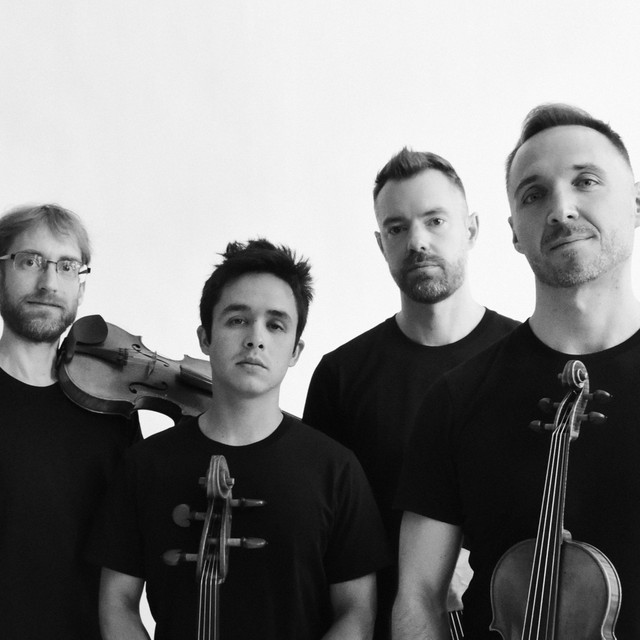
Quatuor Bozzini
Avant-Garde
Chamber Music
Classical
3
/5
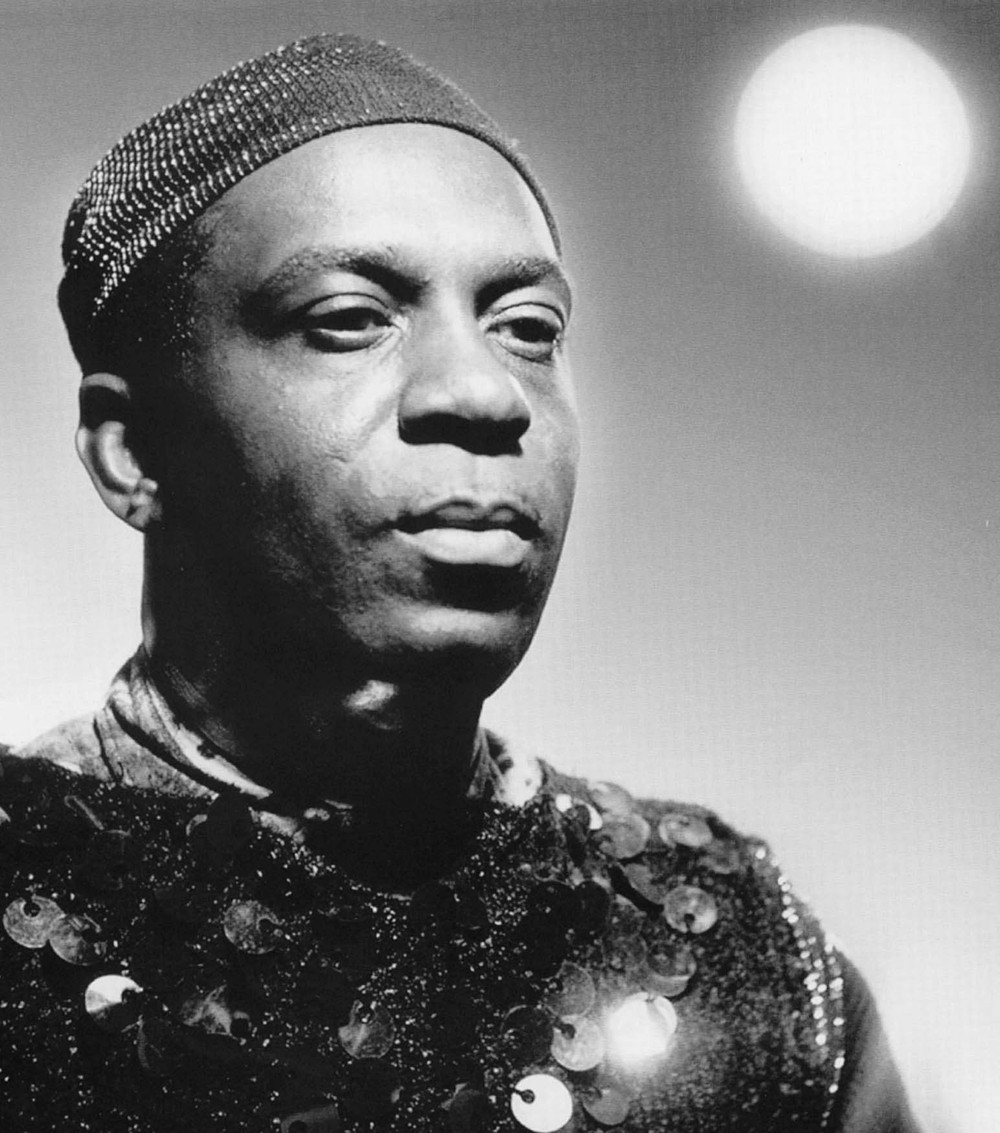
Sun Ra
Jazz
Afrofuturism
Experimental Big Band
Download our mobile app
Get the Melodigging app and start digging for new genres on the go
Download on the App Store
Get it on Google Play
© 2026 Melodigging
Give feedback
Legal
Melodding was created as a tribute to
Every Noise at Once
, which inspired us to help curious minds keep digging into music's ever-evolving genres.