Genres
Artists
Albums
Make Music
Sign in
Sign in
Artists
Classical
Artists
Classical
Lourié
2009
·
1 album
Listen
Genres
Modern Classical
Modern classical is a contemporary strand of instrumental music that applies classical composition techniques to intimate, cinematic settings. It typically foregrounds piano and strings, is sparsely orchestrated, and embraces ambience, repetition, and timbral detail. Rather than the academic modernism of the early 20th century, modern classical as used today refers to accessible, mood-driven works that sit between classical, ambient, and film music. Felt pianos, close‑miked string quartets, tape hiss, drones, soft electronics, and minimal harmonic movement are common, producing a contemplative, emotionally direct sound that translates well to headphones, streaming playlists, and screen media.
Discover
Listen
Futurism
Futurism in music was an early 20th‑century avant‑garde movement that sought to break with Romantic and classical conventions by embracing the sounds, energy, and aesthetics of the modern industrial age. Italian Futurists advocated a radical expansion of the musical palette to include machine noise, urban soundscapes, and new instruments designed to produce timbres outside the orchestral norm. Manifestos by figures like Luigi Russolo and Francesco Balilla Pratella argued for music that celebrated speed, technology, and mechanization. Works featured noise orchestras (intonarumori), pounding polyrhythms, harsh dissonances, and quasi-theatrical performance tactics that foregrounded shock, provocation, and immersion.
Discover
Listen
Classical
Classical music is the notated art-music tradition of Europe and its global descendants, characterized by durable forms, carefully codified harmony and counterpoint, and a literate score-based practice. The term “classical” can refer broadly to the entire Western art-music lineage from the Medieval era to today, not just the Classical period (c. 1750s–1820s). It privileges long-form structures (such as symphonies, sonatas, concertos, masses, and operas), functional or modal harmony, thematic development, and timbral nuance across ensembles ranging from solo instruments to full orchestras and choirs. Across centuries, the style evolved from chant and modal polyphony to tonal harmony, and later to post-tonal idioms, while maintaining a shared emphasis on written notation, performance practice, and craft.
Discover
Listen
Albums
2009
1
/5
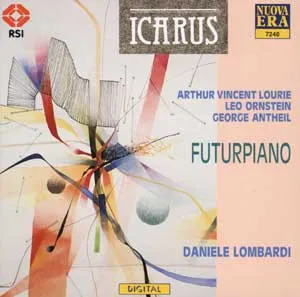
Futurpiano
Arthur Lourié / Daniele Lombardi
Futurism
Classical
Similar artists
3
/5
Vladimir Feltsman
Classical
Classical Piano
Bagatelle
1
/5
George Antheil
Futurism
Avant-Garde
Classical
5
/5
Hans Zimmer
Country Dawn
Soundtrack
Classical
4
/5
Ludovico Einaudi
Classical
Contemporary Classical
Compositional Ambient
4
/5
Max Richter
Post-Minimalism
Classical
Contemporary Classical
4
/5
London Symphony Orchestra
Classical
Ballet
Concerto
4
/5
Berliner Philharmoniker
Classical
Romantic Classical
Romanticism
4
/5
Herbert von Karajan
Classical
Symphonic Poem
Symphony
4
/5
Claude Debussy
Impressionism
Classical
Classical Piano
4
/5
Erik Satie
Impressionism
Classical
Neoclassicism
Download our mobile app
Get the Melodigging app and start digging for new genres on the go
Download on the App Store
Get it on Google Play
© 2026 Melodigging
Give feedback
Legal
Melodding was created as a tribute to
Every Noise at Once
, which inspired us to help curious minds keep digging into music's ever-evolving genres.