Genres
Artists
Albums
Make Music
Sign in
Sign in
Artists
Cumbia
Artists
Cumbia
Los Karkik's
Listen
3
/5
Genres
Minatory
Minatory is an extreme, experimental strain of deathstep that pushes heaviness and unpredictability to the forefront. Its hallmark is an abrasive, distorted sound palette coupled with abrupt, sometimes jarring BPM switch‑ups that can leap between halftime lurches and double‑time assaults within a single drop. Producers favor hyper-saturated basses, asymmetrical rhythms, and sudden silences or glitch edits to heighten tension. The result is a hostile, cinematic form of bass music that blends the dread of dark ambient and industrial with the impact of tearout and the rhythmic elasticity of modern dubstep.
Discover
Listen
Tearout Brostep
Tearout brostep is a hyper-aggressive strain of brostep that emphasizes violently modulated midrange basses, high-impact drops, and rapid-fire switch‑ups. It typically runs at 140–150 BPM in half‑time, pairing chest‑punching snares with seismic subs and screeching or growling lead basses. Producers lean heavily on advanced wavetable/FMX sound design, serial resampling, multiband distortion, OTT-style compression, and tight sidechaining to create a wall of kinetic, metallic energy. Arrangements often feature cinematic intros, tension‑building risers, and whiplash-inducing call‑and‑response bass phrases designed for headbanging festival crowds.
Discover
Listen
Musica Urbana Oaxaquena
Musica urbana oaxaqueña (Oaxacan urban music) is a contemporary, grassroots blend of Latin urban styles—reggaeton, Latin trap, dancehall and hip‑hop—with regional sounds and languages from the state of Oaxaca, Mexico. It often mixes Spanish with Indigenous languages such as Zapotec, Mixtec, Mixe, Mazatec, and Triqui, foregrounding local identity alongside global club aesthetics. Production typically marries dembow or halftime trap drums with timbres and melodic turns inspired by Oaxacan brass band traditions (bandas de viento), chilena costeña (6/8–3/4 hemiola swing), son istmeño motifs, and cumbia keyboards or guitars. Lyrically, it ranges from party and romance to migration, pride, and community narratives tied to fiestas patronales, tequio (communal work), and Oaxacan diasporic life.
Discover
Listen
Cumbia Norteña Mexicana
Cumbia norteña mexicana is a northern Mexican take on cumbia that blends the Colombian-born rhythm with the instrumentation, feel, and dance culture of norteño and grupera. It is driven by accordion lead lines, bajo sexto rhythm guitar, electric bass, and drum kit, often complemented by güiro or cowbell, and sometimes saxophone or keyboards. The groove keeps cumbia’s characteristic off-beat syncopation while adopting a brisk, two-step-friendly pulse common in the Mexican north and along the Texas border. Songs typically use simple, catchy harmonies (I–IV–V with frequent dominant sevenths), memorable accordion hooks, and verse–chorus structures. Lyrics range from festive parties and dance-floor humor to everyday border life, love, and migration, delivered with call-outs and crowd-response energy tailored to bailes and rodeos.
Discover
Listen
Merengue
Merengue is a fast, dance-centered popular music from the Dominican Republic characterized by a driving 2/4 meter, bright major-key harmonies, and a propulsive rhythmic engine created by güira and tambora. In its rural "típico" form, the lead instrument is a diatonic accordion, supported by tambora, güira, and bass. Urban and orchestral evolutions expanded the instrumentation to include saxophones, trumpets, trombones, piano, congas, and electric bass, yielding a powerful big-band sound. Common song forms use verse–chorus structures with catchy coros and a climactic jaleo section where horns or accordion play tightly arranged riffs. The style spans energetic party anthems, romantic ballad-leaning numbers (merengue romántico), and modern fusions that blend with pop and urban music.
Discover
Listen
Cumbia
Cumbia is a syncretic dance-music tradition from Colombia’s Caribbean coast that blends African rhythmic heritage, Indigenous (especially gaita flute) melodic practice, and Spanish colonial instrumentation and forms. Traditionally performed in a moderate 2/4 (often felt in 4/4 today), it features interlocking hand-drum parts (tambora, alegre, llamador), guacharaca or maracas for steady texture, and long cane flutes (gaita hembra and gaita macho) carrying call-and-response melodies. As it spread in the 20th century, orchestras and dance bands added accordion, horns, piano, bass, and later electric guitar and synthesizers, creating urban and pan–Latin American variants. Harmonically simple and rhythm-forward, cumbia places groove, ostinati, and vocal refrains at the center, making it both ceremonial in origin and enduringly popular on social dance floors across the Americas.
Discover
Listen
Similar artists
1
/5
Grupo Fiesta
Cumbia
Cumbia Norteña Mexicana
Merengue
1
/5
Various Artists
Afro-Funk
Alternative Rock
Ambient
4
/5
Bronco
Cumbia Norteña Mexicana
Cumbia
Tejano
4
/5
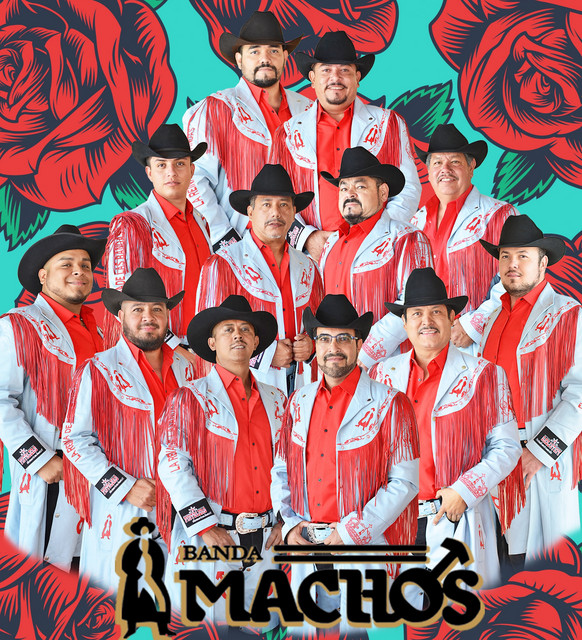
Banda Machos
Duranguense
Technobanda
Banda
4
/5
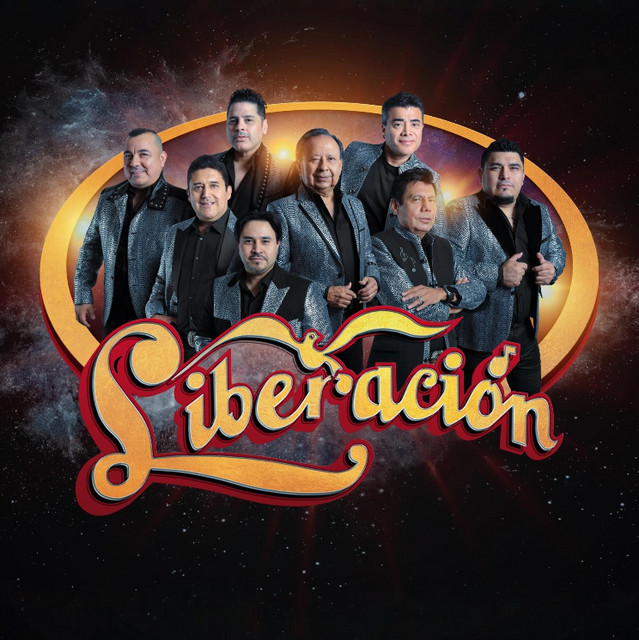
Liberación
Cumbia Norteña Mexicana
Duranguense
Tejano
4
/5
Mi Banda El Mexicano
Duranguense
Banda
Cumbia
4
/5
Banda Maguey
Duranguense
Banda
Cumbia
4
/5
Corazón Serrano
Chicha
Huayno
Cumbia
4
/5
Fito Olivares Y La Pura Sabrosura
Tejano
Cumbia
Cumbia Norteña Mexicana
4
/5
Grupo Limite
Tejano
Banda
Cumbia
Download our mobile app
Get the Melodigging app and start digging for new genres on the go
Download on the App Store
Get it on Google Play
© 2026 Melodigging
Give feedback
Legal
Melodding was created as a tribute to
Every Noise at Once
, which inspired us to help curious minds keep digging into music's ever-evolving genres.