Genres
Artists
Albums
Make Music
Sign in
Sign in
Artists
Duranguense
Artists
Duranguense
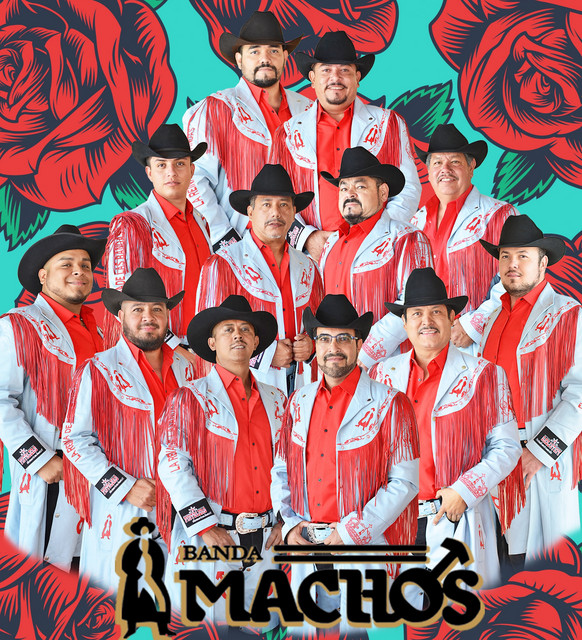
Banda Machos
1992–2015
·
9 albums
Listen
4
/5
Genres
Movimiento Alterado
Movimiento alterado is a contemporary offshoot of the Mexican corrido tradition that foregrounds hyper-violent, adrenaline-charged storytelling and hard-hitting, brass- or guitar-led arrangements. It is closely tied to the "corridos alterados" wave, in which first‑person narratives, military jargon, and explicit depictions of cartel life are delivered with swaggering vocals and propulsive rhythms. Musically, the style draws on banda sinaloense and norteño/sierreño instrumentations: blasting tambora and tarola (snare), tuba bass lines, and tight trumpet/trombone/clarinet riffs on the banda side; or rapid 12‑string guitar (requinto), accordion, and bass/tuba on the sierreño/norteño side. Harmonies are typically bright and functional (I–IV–V), while the feel is often polka‑like two‑step. Production emphasizes loud, saturated brass and percussion, catchy unison riffs, and breakneck fills that amplify the lyrical bravado. Culturally, movimiento alterado was propelled by labels and promoters who packaged and marketed the sound and image—dark attire, tactical aesthetics, and viral videos—toward Mexican and Mexican‑American audiences, especially across Sinaloa, Sonora, and the Los Angeles diaspora.
Discover
Listen
Duranguense
Duranguense is a high-energy, dance-oriented branch of regional Mexican music that emerged in the early 2000s among Mexican communities in the U.S. Midwest, especially Chicago. It adapts the brass-driven sound of banda and technobanda into a leaner ensemble where synthesizers emulate tubas and horns, paired with saxophones, tambora-style drum patterns, and bright, fast tempos. The style is known for its exuberant party atmosphere, romantic and sentimental lyrics, and the signature pasito duranguense dance. Songs often feature catchy keyboard leads, tight offbeat percussion with cowbell accents, and an "oom-pah" bass feel derived from polka. While rooted in traditions from the state of Durango, the sound reflects bicultural life, blending classic Mexican forms with modern, electronic timbres.
Discover
Listen
Technobanda
Technobanda (Spanish: tecnobanda) is a Mexican substyle of banda that emerged in the mid‑1980s when groups began replacing some of the traditional brass and percussion of Banda Sinaloense with electronic keyboards, drum machines, electric bass, and occasionally electric guitar. The synthesizers typically emulate tuba, trumpet, and accordion lines, while programmed or hybrid drum kits push faster, dance‑oriented tempos. The style keeps banda’s polka, cumbia, and ranchera rhythms but frames them with pop song forms, bright keyboard timbres, and hook‑heavy choruses. In the early 1990s it became closely identified with the quebradita dance craze in Mexico and among Mexican‑American audiences.
Discover
Listen
Cumbia Norteña Mexicana
Cumbia norteña mexicana is a northern Mexican take on cumbia that blends the Colombian-born rhythm with the instrumentation, feel, and dance culture of norteño and grupera. It is driven by accordion lead lines, bajo sexto rhythm guitar, electric bass, and drum kit, often complemented by güiro or cowbell, and sometimes saxophone or keyboards. The groove keeps cumbia’s characteristic off-beat syncopation while adopting a brisk, two-step-friendly pulse common in the Mexican north and along the Texas border. Songs typically use simple, catchy harmonies (I–IV–V with frequent dominant sevenths), memorable accordion hooks, and verse–chorus structures. Lyrics range from festive parties and dance-floor humor to everyday border life, love, and migration, delivered with call-outs and crowd-response energy tailored to bailes and rodeos.
Discover
Listen
Grupera
Grupera is a romantic, keyboard-driven branch of Mexican popular music that blends the songwriting sensibility of the Latin ballad with rhythms and instrumentation from regional styles such as cumbia, ranchera, norteño, mariachi, and bolero. Typically performed by "grupos" (bands) with electric guitars, bass, drums, and prominent synthesizers or electric keyboards, grupera favors melodic hooks, emotive lead vocals, and lush, reverb-heavy production. Songs often alternate between gentle ballads and danceable cumbias or ranchera-derived polkas, all wrapped in pop-friendly arrangements that made the style a radio and chart staple across Mexico and the U.S. Latino market during the 1980s and 1990s.
Discover
Listen
Norteño
Norteño (música norteña) is a Mexican regional style built around the bright timbre of the diatonic button accordion and the driving strum of the bajo sexto. Rooted in borderland dance music, it blends Central European polka, waltz, and schottische rhythms with Mexican corrido storytelling and ranchera songcraft. Characterized by brisk 2/4 polkas and lilting 3/4 waltzes, norteño songs range from narrative corridos about migration and everyday struggles to romantic ballads and party tunes. Traditional ensembles used tololoche (upright bass) and snare, while modern groups often add electric bass, full drum kits, and occasionally tenor sax (in the norteño-sax substyle) or tuba (in norteño-banda). The result is a dance-forward, story-rich music that bridges rural and urban audiences on both sides of the U.S.–Mexico border.
Discover
Listen
Regional Mexicano
Regional Mexicano (Música Mexicana) is an umbrella term for folk-derived regional styles from Mexico and their Mexican American continuations in the Southwestern United States. Rather than one single sound, it gathers subgenres tied to specific regions—such as mariachi and ranchera (Jalisco/Centro-Occidente), norteño and sierreño (Norte), banda sinaloense (Sinaloa), and narrative corridos that travel nationwide. Its foundations reach back to the 16th–19th centuries, when Indigenous musical practices fused with Spanish song forms, African rhythms, and European dance-band traditions (polka, waltz, schottische), later meeting brass-band instrumentation and, in the North, accordion-led ensembles. In the 20th century it consolidated through radio, cinema, and records, and in the late 20th century became a major Spanish-language radio format in the U.S. Today it ranges from emotive ranchera ballads to high-energy banda and norteño dance music and modern corridos that reflect contemporary social life.
Discover
Listen
Banda
Banda is the traditional music of the Banda peoples of the Central African Republic and adjacent regions of the central Sudano–Congolese belt. It centers on communal performance—singers, dancers, and instrumentalists creating interlocking parts that are woven together through call-and-response and polyrhythm. Characteristic timbres include ensembles of natural horns (notably among Banda-Linda groups) that perform single-note hocketing to build complex melodic textures, wooden slit-drums used for rhythm and communication, frame and barrel drums, rattles, handclaps, transverse and end-blown flutes, and lamellophones (sanza/likembe). Vocal music ranges from antiphonal work and dance songs to ceremonial chants, often supporting life-cycle rituals, healing, hunting, and communal celebrations. Melodically, Banda repertoires commonly employ pentatonic and heptatonic pitch collections, while rhythmically they favor layered ostinati in compound meters (e.g., 12/8) and additive patterns. The music functions as living social practice, binding community, marking identity, and conveying oral history.
Discover
Listen
Cumbia
Cumbia is a syncretic dance-music tradition from Colombia’s Caribbean coast that blends African rhythmic heritage, Indigenous (especially gaita flute) melodic practice, and Spanish colonial instrumentation and forms. Traditionally performed in a moderate 2/4 (often felt in 4/4 today), it features interlocking hand-drum parts (tambora, alegre, llamador), guacharaca or maracas for steady texture, and long cane flutes (gaita hembra and gaita macho) carrying call-and-response melodies. As it spread in the 20th century, orchestras and dance bands added accordion, horns, piano, bass, and later electric guitar and synthesizers, creating urban and pan–Latin American variants. Harmonically simple and rhythm-forward, cumbia places groove, ostinati, and vocal refrains at the center, making it both ceremonial in origin and enduringly popular on social dance floors across the Americas.
Discover
Listen
Show all 9 genres
Albums
2015
3
/5
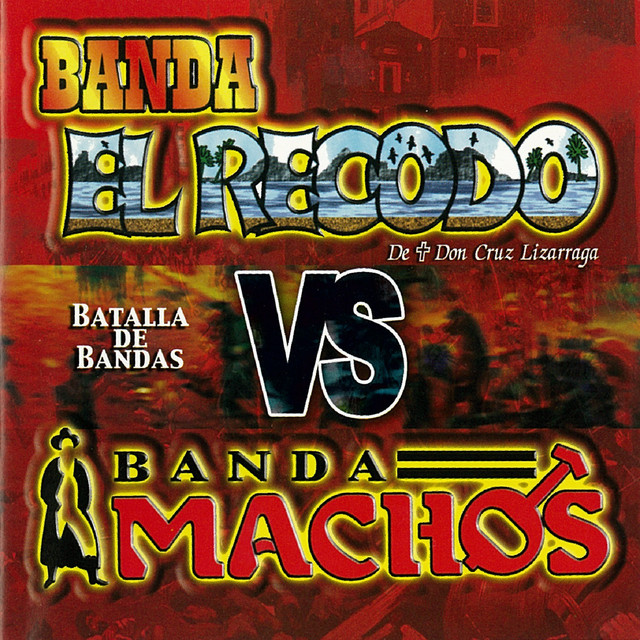
Batalla De Bandas Banda El Recodo Vs. Banda Machos
Banda Machos
Duranguense
2014
3
/5
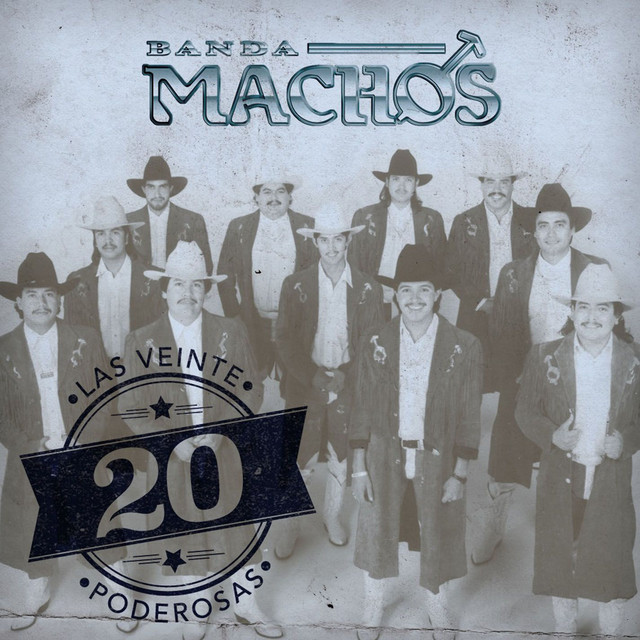
Las 20 Poderosas (USA)
Banda Machos
Duranguense
2009
4
/5
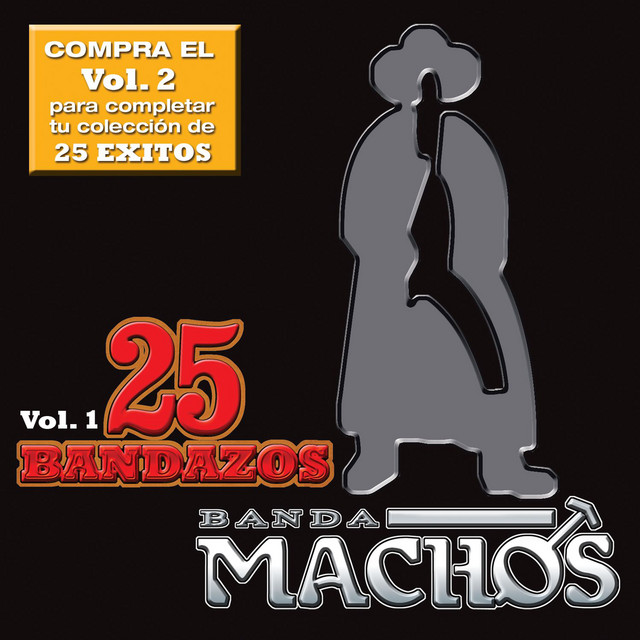
25 Bandazos de Machos (Vol. 1) [USA]
Banda Machos
Duranguense
1999
3
/5
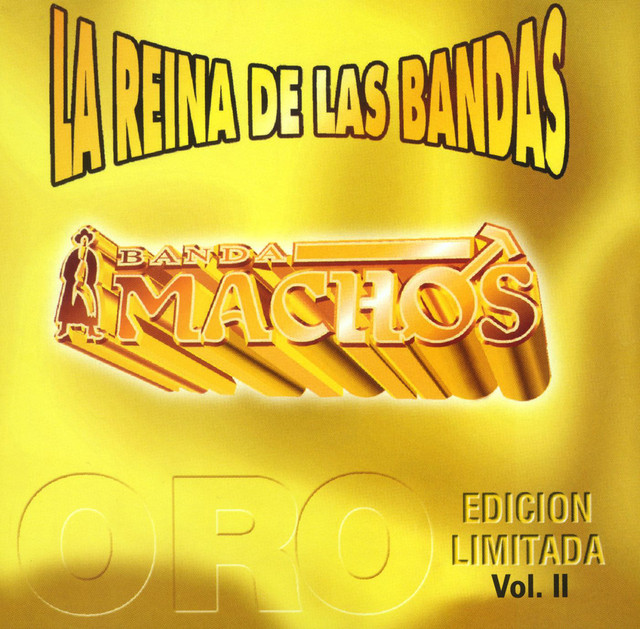
La reina de las bandas Vol. II
Banda Machos
Duranguense
1992
4
/5
Sangre de Indio
Banda Machos
Technobanda
Con Sangre de Indio
Banda Machos
Technobanda
Los machos también lloran
Banda Machos
Technobanda
Serían las dos
Banda Machos
Technobanda
Casimira
Banda Machos
Technobanda
Similar artists
4
/5
Banda Maguey
Duranguense
Banda
Cumbia
4
/5
Mi Banda El Mexicano
Duranguense
Banda
Cumbia
4
/5
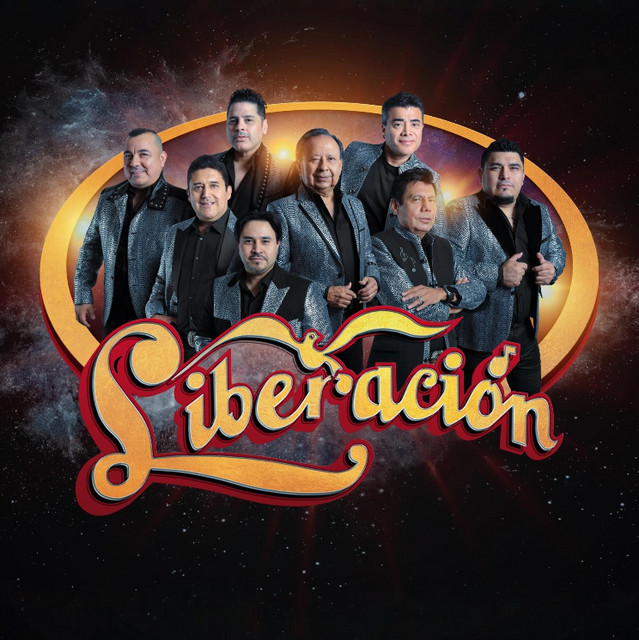
Liberación
Cumbia Norteña Mexicana
Duranguense
Tejano
3
/5
Banda Toro
Banda
Cumbia
Cumbia Norteña Mexicana
3
/5
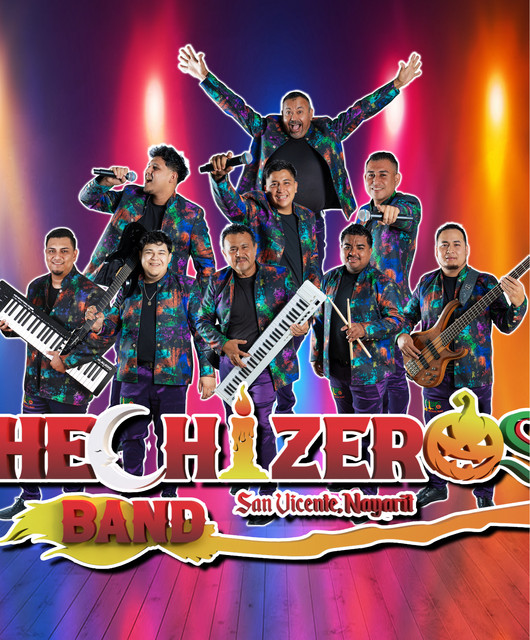
Hechizeros Band
Cumbia
Cumbia Norteña Mexicana
Duranguense
3
/5
Brazeros Musical De Durango
Duranguense
Cumbia
Cumbia Norteña Mexicana
4
/5
Bronco
Cumbia Norteña Mexicana
Cumbia
Tejano
4
/5
Grupo Limite
Tejano
Banda
Cumbia
4
/5
Los Mier
Cumbia
Cumbia Norteña Mexicana
Grupera
4
/5
Grupo Pegasso
Cumbia
Cumbia Norteña Mexicana
Grupera
Download our mobile app
Get the Melodigging app and start digging for new genres on the go
Download on the App Store
Get it on Google Play
© 2026 Melodigging
Give feedback
Legal
Melodding was created as a tribute to
Every Noise at Once
, which inspired us to help curious minds keep digging into music's ever-evolving genres.