Genres
Artists
Albums
Make Music
Sign in
Sign in
Artists
Persian Pop
Artists
Persian Pop
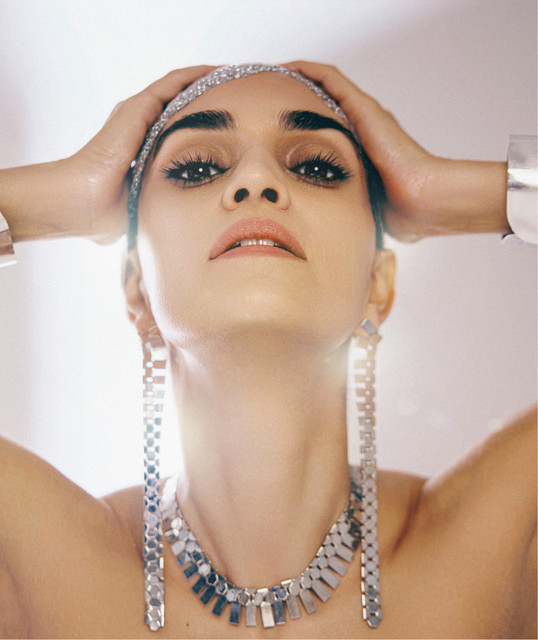
Liraz
2018–2022
·
3 albums
Listen
1
/5
Genres
Souldies
Souldies is a modern revival of classic lowrider “oldies” soul—slow, tender ballads rooted in 1960s and early-’70s sweet soul and doo‑wop aesthetics, reimagined by a new generation of largely Chicano/Latinx artists in Southern California. Characterized by warm, analog-leaning production, mellow backbeats, honeyed vocal harmonies, and heart‑on‑sleeve lyricism, the style favors mid‑slow tempos, tape‑like saturation, spring/plate reverb, and minimalist yet expressive arrangements. English and Spanish (or Spanglish) lyrics often explore love, longing, devotion, and cruising/lowrider culture. Souldies sits at the intersection of classic soul, rhythm & blues, northern soul selections, and Latin soul, offering a contemporary, community‑centered sound that feels both timeless and newly personal.
Discover
Listen
World
World music is a broad, industry-coined umbrella for traditional, folk, and contemporary popular styles from around the globe that fall outside the Anglo-American pop mainstream. The label emerged in the 1980s as a retail and marketing category to group diverse regional musics for international distribution. Musically, it spans acoustic and electric instrumentation; modal, pentatonic, and microtonal pitch systems; and rhythms ranging from cyclical grooves and polyrhythms to asymmetrical meters. While the term can obscure local specificity, it also facilitated cross-cultural collaboration, festivals, and recordings that brought regional genres to wider audiences.
Discover
Listen
Muzika Mizrahit
Muzika mizrahit (Israeli Mizrahi or Oriental music) is a modern Israeli popular genre rooted in the musical traditions of Jewish communities from the Middle East, North Africa, and the Mediterranean. It blends Arabic, Turkish, Greek (laïko/rebetiko), and Andalusian influences with Hebrew lyrics and contemporary pop production. Musically it favors modal melodies drawn from Middle Eastern maqam systems (e.g., Hijaz, Bayat, Kurd) and characteristic vocal ornamentation (melisma, microtonal inflections). Typical instruments include oud, bouzouki, qanun, violin, darbuka/tabla, riq, and handclaps, increasingly complemented by synthesizers, drum machines, and pop/EDM-style arrangements. Lyrically, songs often revolve around love, longing, family, faith, and place, moving between dance-forward party anthems and deeply emotive ballads. Since the 1990s, the style has moved from a marginalized “cassette culture” to the mainstream of Israeli pop.
Discover
Listen
Neo-Psychedelia
Neo-psychedelia is a late-20th-century revival and reinvention of 1960s psychedelic music aesthetics, filtered through post-punk, indie, and experimental sensibilities. It emphasizes hypnotic textures, droning guitars, heavy use of effects (reverb, delay, phasing), analogue organs/synths, and dreamlike or surreal lyricism. Rhythms may draw from motorik and other steady, trance-inducing grooves, while harmony often favors modal colors and repetitive vamps. The style ranges from jangly, melodic songs to dense, feedback-laden soundscapes, and has been highly influential on dream pop, shoegaze, Britpop-adjacent scenes, and modern psych rock.
Discover
Listen
Persian Pop
Persian pop (Iranian pop) blends Western popular music forms with Persian melodic systems, poetic lyricism, and distinctive vocal ornamentation. It emerged in urban centers like Tehran, where nightlife venues, radio, and television fostered a modern sound that stayed rooted in Persian aesthetics. The genre spans romantic ballads and dance-floor anthems, often using a 4/4 or Iranian 6/8 groove, lush string arrangements, and memorable choruses. Singers typically deliver expressive lines that borrow from classical tahrir (ornamented vocal runs) while staying within accessible pop song structures.
Discover
Listen
Rock
Rock is a broad family of popular music centered on amplified instruments, a strong backbeat, and song forms that foreground riffs, choruses, and anthemic hooks. Emerging from mid‑20th‑century American styles like rhythm & blues, country, and gospel-inflected rock and roll, rock quickly expanded in scope—absorbing folk, blues, and psychedelic ideas—while shaping global youth culture. Core sonic markers include electric guitar (often overdriven), electric bass, drum kit emphasizing beats 2 and 4, and emotive lead vocals. Rock songs commonly use verse–chorus structures, blues-derived harmony, and memorable melodic motifs, ranging from intimate ballads to high‑energy, stadium‑sized performances.
Discover
Listen
Pop
Pop is a broad, hook-driven style of popular music designed for wide appeal. It emphasizes memorable melodies, concise song structures, polished vocals, and production intended for radio, charts, and mass media. While pop continually absorbs elements from other styles, its core remains singable choruses, accessible harmonies, and rhythmic clarity. Typical forms include verse–pre-chorus–chorus, frequent use of bridges and middle-eights, and ear-catching intros and outros. Pop is not defined by a single instrumentation. It flexibly incorporates acoustic and electric instruments, drum machines, synthesizers, and increasingly digital production techniques, always in service of the song and the hook.
Discover
Listen
Electronic
Electronic is a broad umbrella genre defined by the primary use of electronically generated or electronically processed sound. It encompasses music made with synthesizers, drum machines, samplers, computers, and studio/tape techniques, as well as electroacoustic manipulation of recorded or synthetic sources. The genre ranges from academic and experimental traditions to popular and dance-oriented forms. While its sonic palette is rooted in electricity and circuitry, its aesthetics span minimal and textural explorations, structured song forms, and beat-driven club permutations. Electronic emphasizes sound design, timbre, and studio-as-instrument practices as much as melody and harmony.
Discover
Listen
Persian Music
Persian music refers broadly to the musical traditions of Iran, centered on the radif repertoire and the modal system known as the dastgāh and its related āvāz branches. It is characterized by microtonal intervals (koron and sori accidentals), fluid melodic development through short pieces called gusheh, and a performance practice that balances composition with refined improvisation (bedāheh-navāzi). Typical ensembles feature tar, setar, kamancheh, santur, ney, and frame drums such as tombak and daf, with vocals employing the distinctive ornament called tahrir. Texts often draw on classical Persian poetry (Hafez, Rumi, Saadi), yielding contemplative, romantic, and introspective moods. While the tradition’s roots reach back to pre-Islamic Persia, its courtly and urban forms crystallized from the Safavid era onward and were codified in the Qajar period, continuing to influence regional modal musics across West and Central Asia.
Discover
Listen
Show all 9 genres
Albums
2022
1
/5
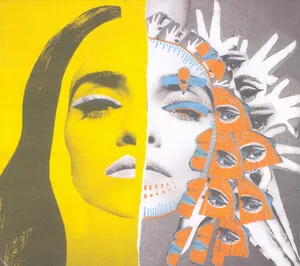
Roya
Liraz
Persian Pop
Persian Music
Rock
2020
2
/5
Zan
Liraz
Persian Pop
Persian Music
Electronic
2018
1
/5
Naz
Liraz
Persian Pop
Similar artists
2
/5
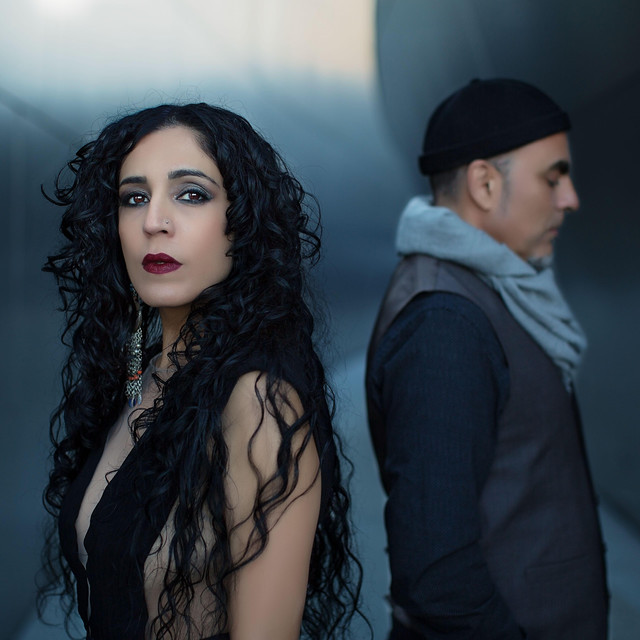
Niyaz
Persian Pop
Electronic
Persian Music
2
/5
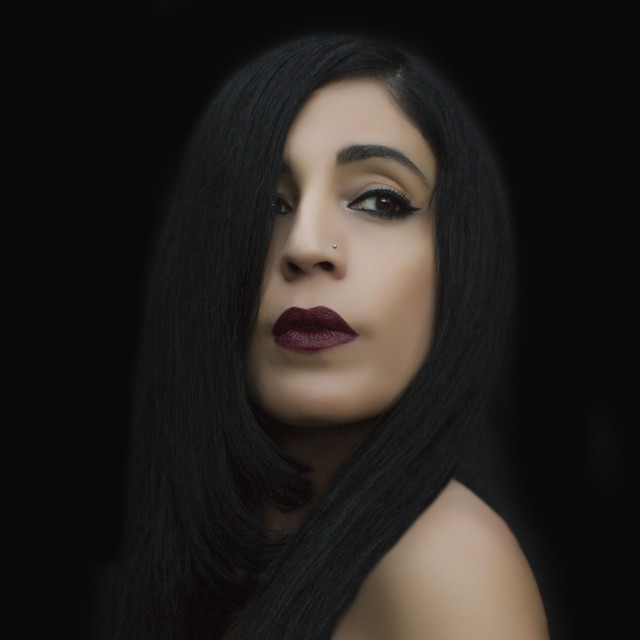
Azam Ali
World Fusion
Celtic
Classical
4
/5
Eyal Golan
Persian Pop
Muzika Mizrahit
Sky Room
4
/5
Arash
Persian Pop
Afro House
Chill R&b
5
/5
Radiohead
Alternative Rock
Art Rock
Melancholia
5
/5
Sia
Pop
Electronic
Edm
5
/5
Madonna
Dance-Pop
Pop
Electronic
5
/5
Anitta
Funk Pop
Brazilian Pop
Pop
5
/5
A.R. Rahman
Bollywood
Filmi
Sufi
5
/5
Ellie Goulding
Indietronica
Pop
Electronic
Download our mobile app
Get the Melodigging app and start digging for new genres on the go
Download on the App Store
Get it on Google Play
© 2026 Melodigging
Give feedback
Legal
Melodding was created as a tribute to
Every Noise at Once
, which inspired us to help curious minds keep digging into music's ever-evolving genres.