Genres
Artists
Albums
Make Music
Sign in
Sign in
Artists
Polka
Artists
Polka
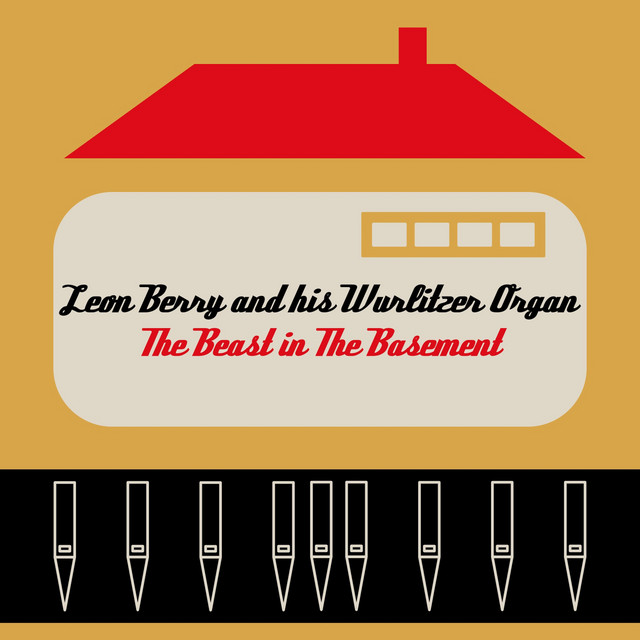
Leon Berry
1960
·
1 album
Listen
1
/5
Genres
Swing
Swing is a jazz style centered on a buoyant, danceable groove created by a walking bass, four-to-the-bar rhythm guitar, a backbeat emphasis on 2 and 4, and a lilted “swung” eighth-note feel. Typically performed by big bands (saxes, trumpets, trombones, and a rhythm section) as well as small combos, it balances written arrangements with improvised solos. Hallmarks include call-and-response between horn sections, riff-based melodies, shout choruses that build intensity near the end of an arrangement, and rich sectional voicings grounded in blues language and ii–V–I harmonic motion. Tempos range from medium to brisk, serving social dances like the Lindy Hop and Jitterbug. Swing’s expressive phrasing, dance-floor focus, and sophisticated arranging made it the dominant popular music of the late 1930s and early 1940s.
Discover
Listen
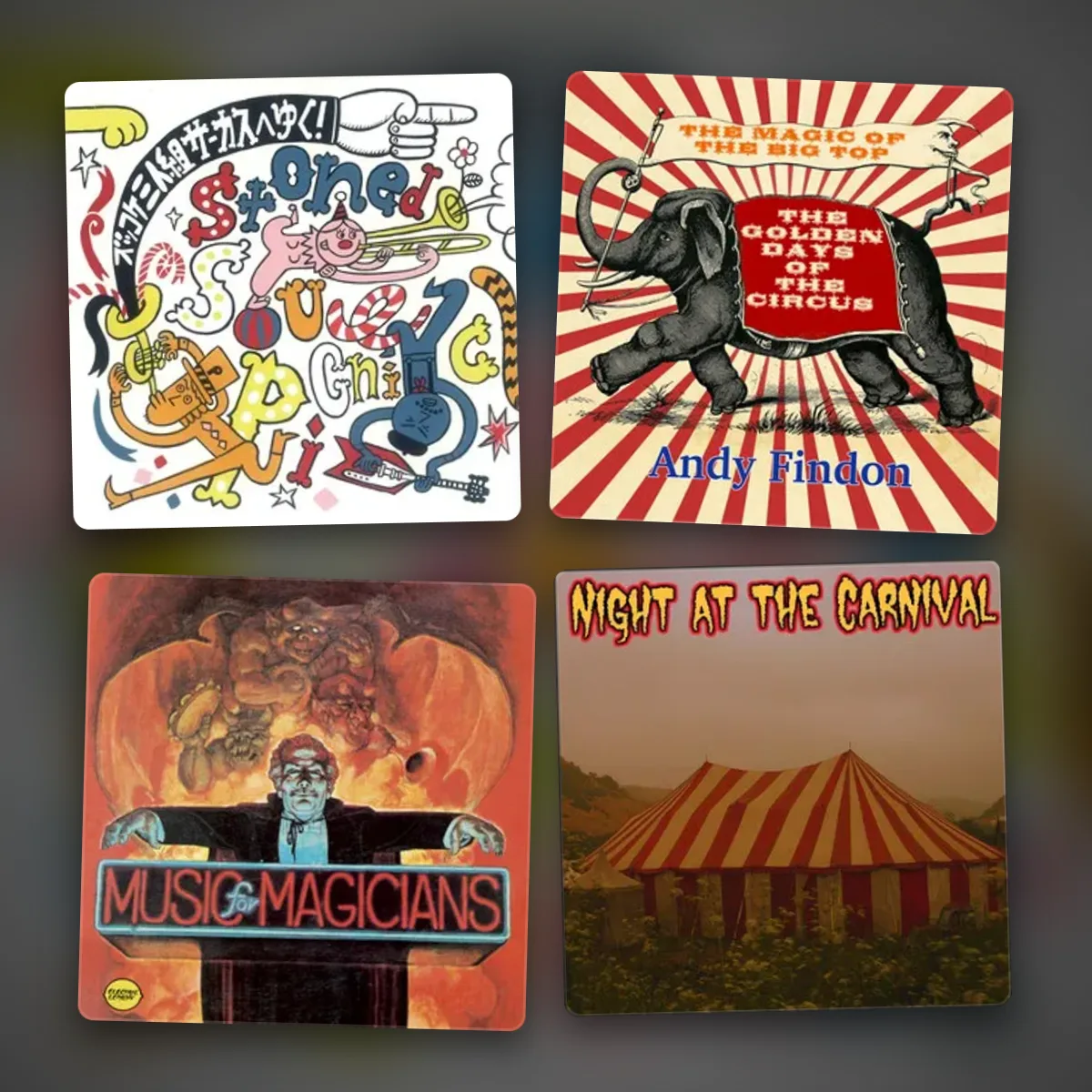
Circus March
Circus march (often called a "screamer") is a very fast, brilliant style of American march written to accompany circus parades, act changes, and aerial or animal features under the big top. It emphasizes dazzling woodwind runs, blazing brass fanfares, and driving percussion at tempos commonly between 160 and 200 BPM, creating high excitement and clear cues for performers. Typical forms mirror American march conventions—intro, two strains, trio (often in the subdominant), and a dramatic breakstrain (dogfight)—but with greater virtuosity, brighter orchestration, and sharper dynamic contrasts. The sound is closely associated with calliopes and band organs that broadcast these pieces beyond the tent and through circus grounds.
Discover
Listen
Polka
Polka is a lively Central European couple dance and musical style in a brisk 2/4 meter, characterized by its buoyant “oom‑pah” bass-chord accompaniment and bright, diatonic melodies. Originating in Bohemia (today’s Czech Republic) in the early 19th century, it quickly became a pan-European craze before taking root across immigrant communities in the Americas. Ensembles typically feature accordion or button box/concertina, clarinet or saxophone, trumpets/trombone, tuba or string bass, and drum kit, with regional variants highlighting different lead voices and rhythmic feels. While the classical ballroom tradition codified polka into formal strains (often AABB with a contrasting trio), folk and popular styles favor singable tunes, simple I–IV–V harmonies, and tempos commonly around 115–135 BPM, inviting upbeat social dancing and communal celebration.
Discover
Listen
Albums
1960
1
/5
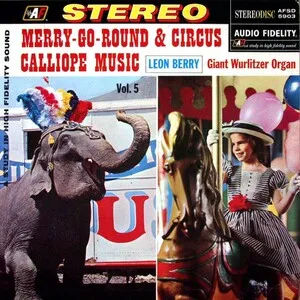
Merry Go-Round & Circus Calliope Music
Leon Berry
Circus March
Similar artists
2
/5
Jimmy Dorsey
Big Band
Polka
Swing
1
/5
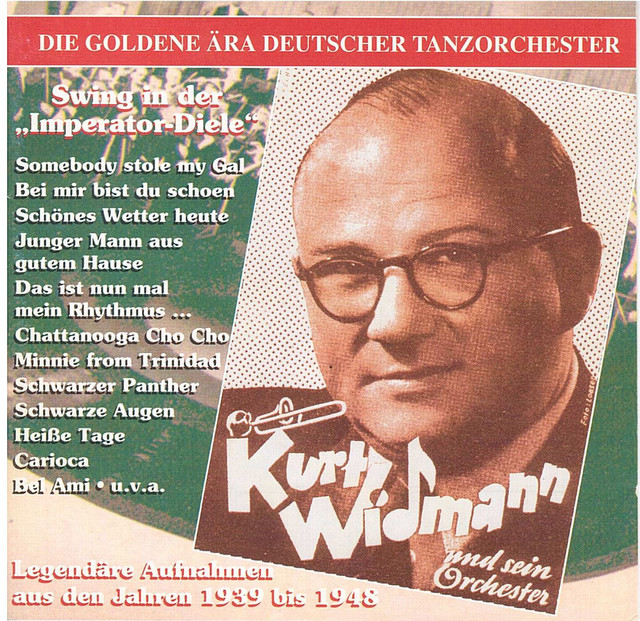
Kurt Widmann Orchestra
Polka
Swing
4
/5
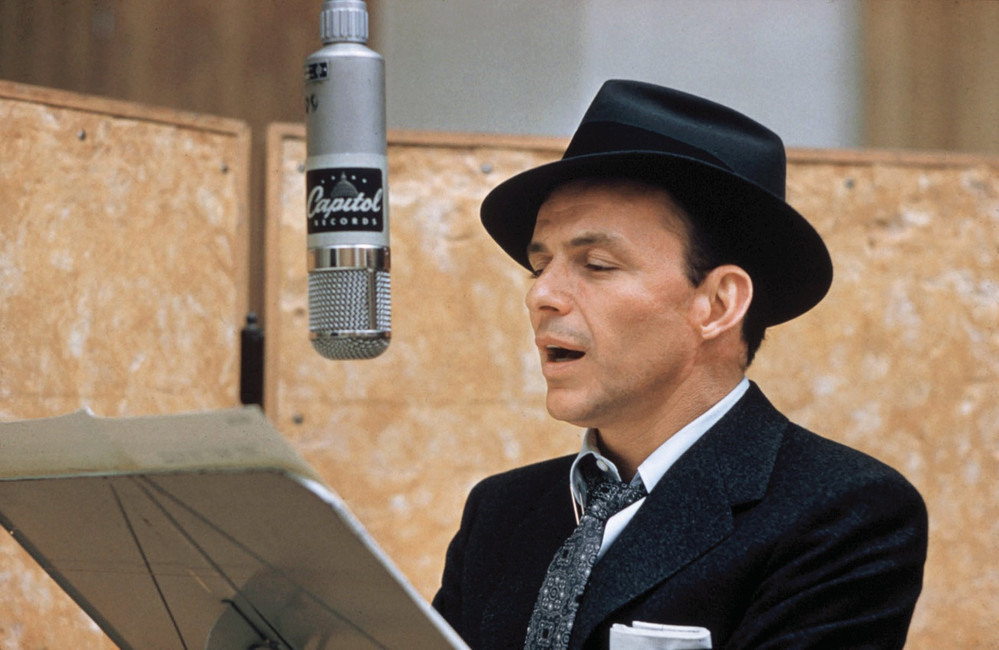
Frank Sinatra
Big Band
Jazz
Swing
4
/5
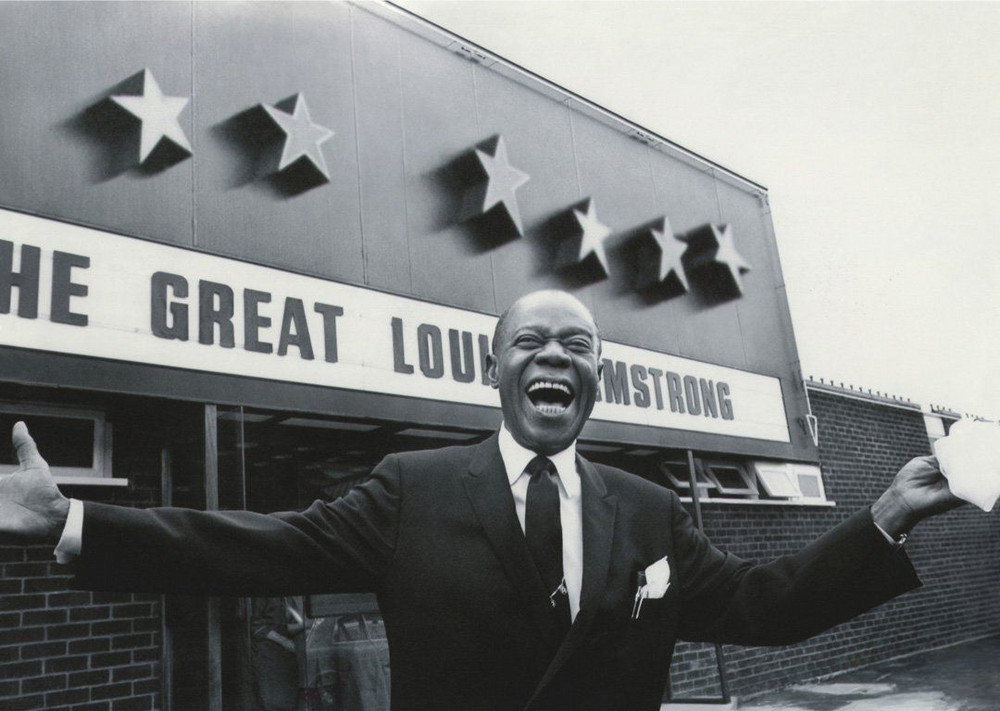
Louis Armstrong
Dixieland
Harlem Renaissance
Jazz Trumpet
4
/5
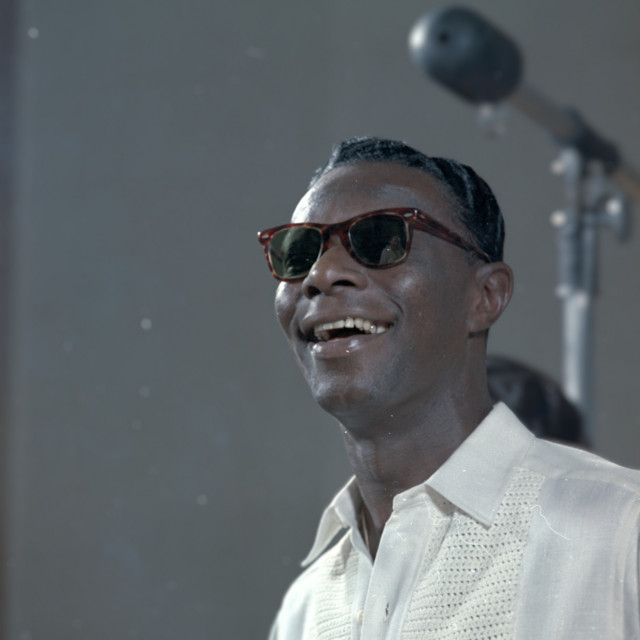
Nat King Cole
Swing
Vocal Jazz
Adult Standards
4
/5
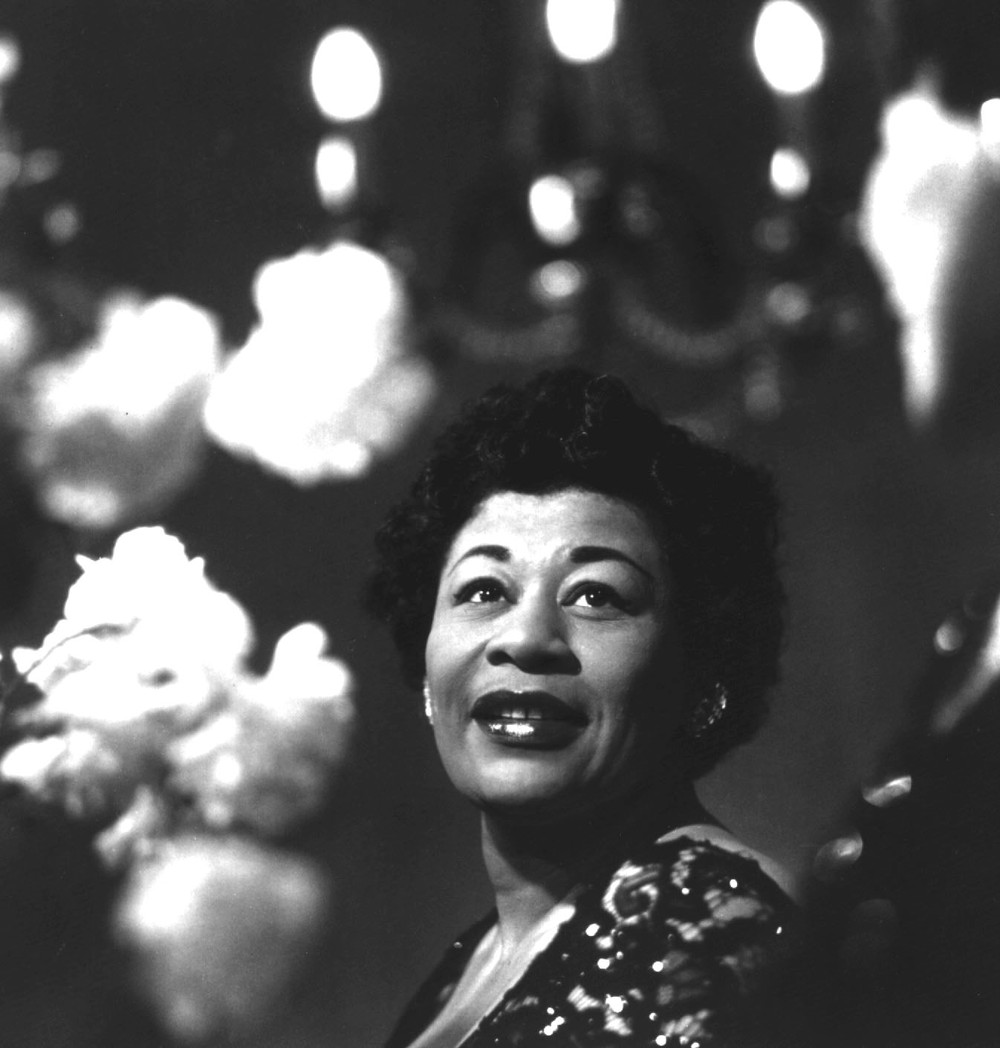
Ella Fitzgerald
Vocal Jazz
Swing
Standards
4
/5
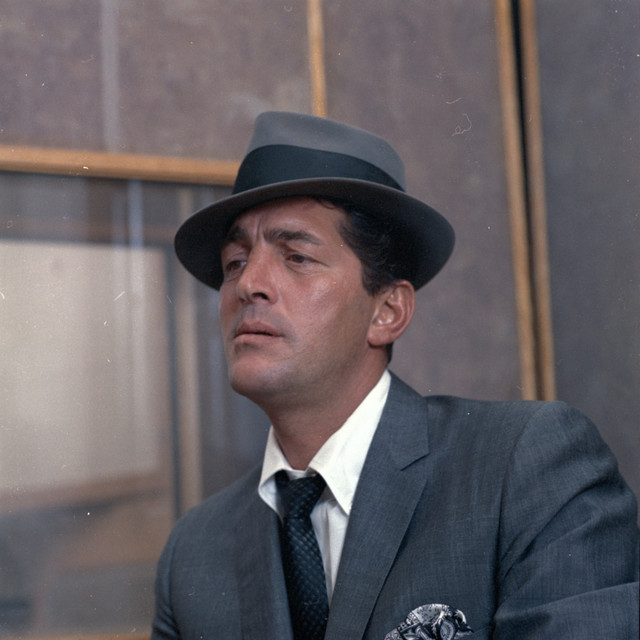
Dean Martin
Big Band
Easy Listening
Adult Standards
4
/5
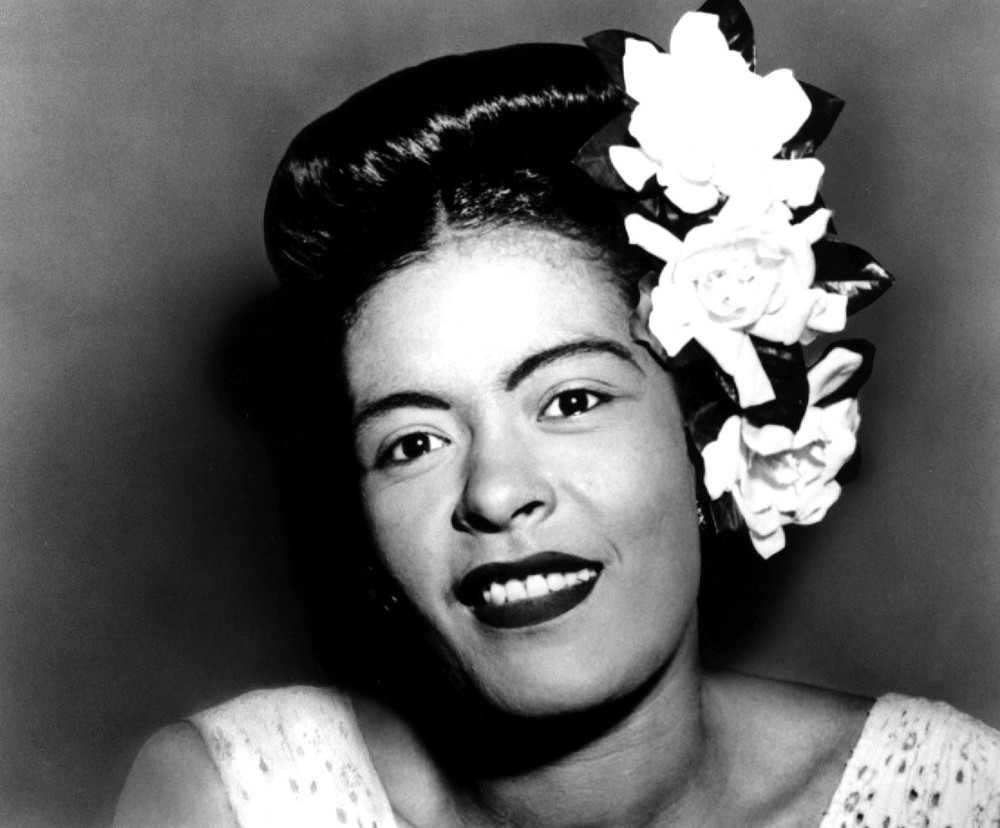
Billie Holiday
Harlem Renaissance
Jazz
Swing
4
/5
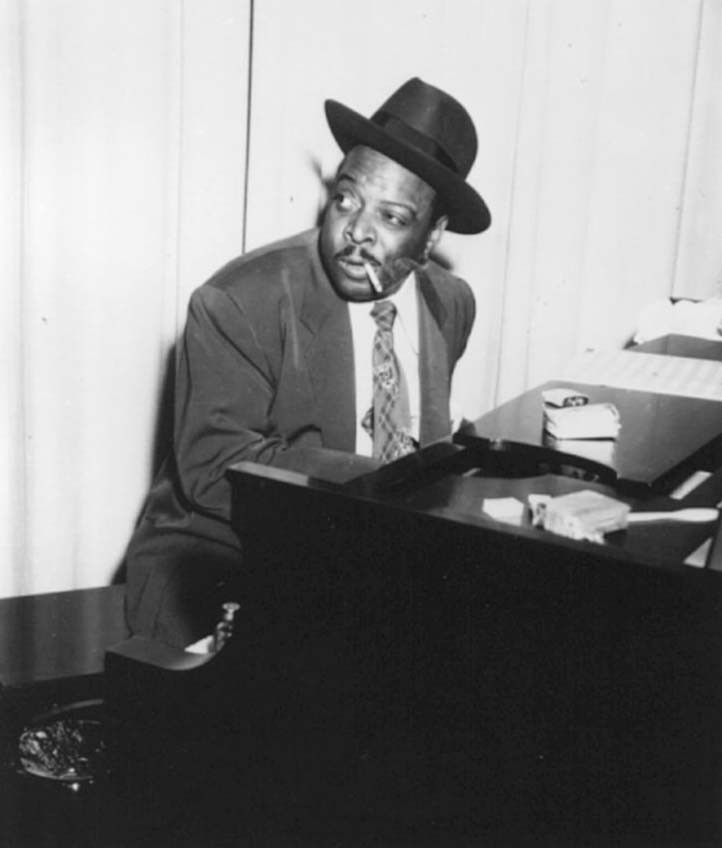
Count Basie
Harlem Renaissance
Swing
Jazz
4
/5
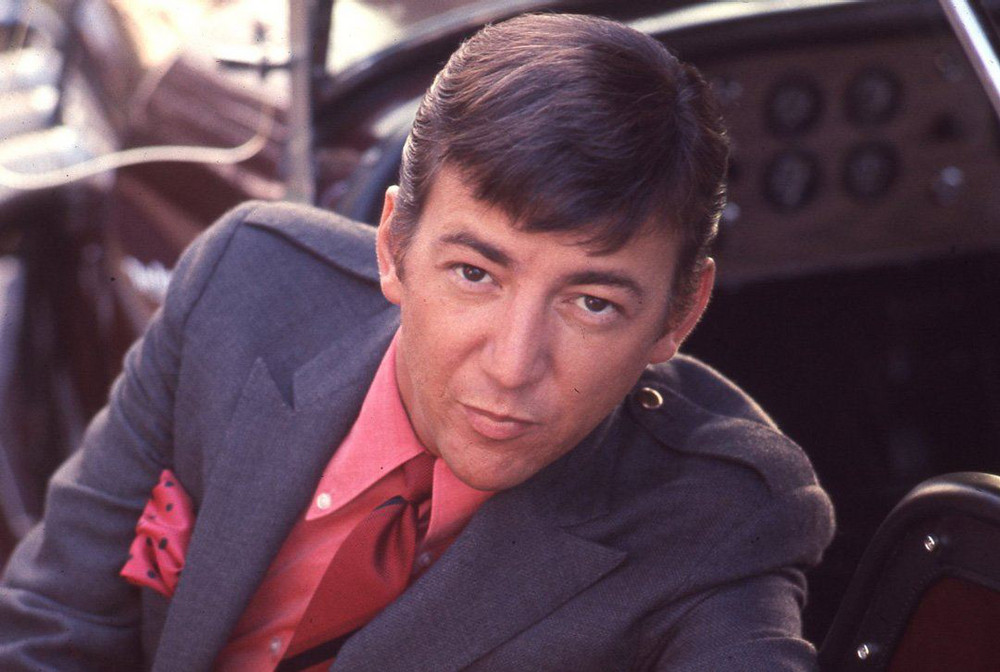
Bobby Darin
Adult Standards
Big Band
Doo-Wop
Download our mobile app
Get the Melodigging app and start digging for new genres on the go
Download on the App Store
Get it on Google Play
© 2026 Melodigging
Give feedback
Legal
Melodding was created as a tribute to
Every Noise at Once
, which inspired us to help curious minds keep digging into music's ever-evolving genres.