Genres
Artists
Albums
Make Music
Sign in
Sign in
Artists
Baroque Pop
Artists
Baroque Pop
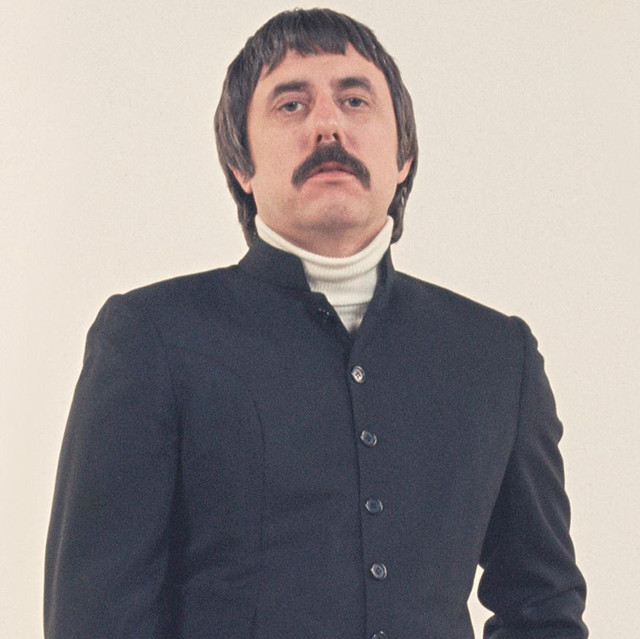
Lee Hazlewood
1966–2015
·
5 albums
Listen
3
/5
Genres
Queer Country
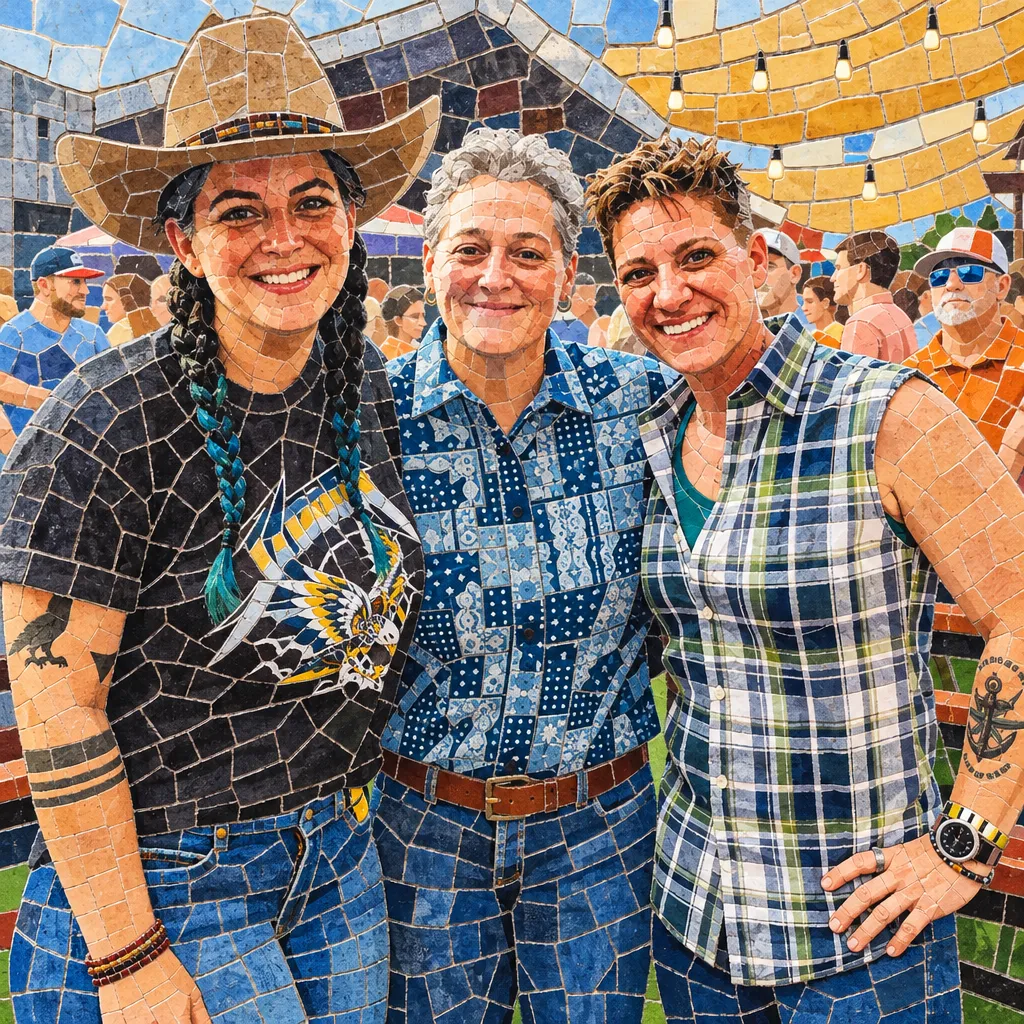
Queer country is a contemporary movement within country and Americana that centers LGBTQ+ voices, stories, and aesthetics while keeping strong ties to classic country songwriting, instrumentation, and vocal styles. Musically, it often draws from traditional country, outlaw country, honky-tonk, and folk-country, but its defining feature is lyrical perspective: songs about queer love, gender expression, chosen family, rural/working-class life, and the tension between tradition and belonging. Rather than being a single fixed sound, queer country is best understood as a scene and cultural re-framing of country music—one that challenges the genre’s historic heteronormativity while celebrating its narrative power and community roots.
Discover
Listen
Baroque Pop
Baroque pop is a mid‑1960s fusion of contemporary pop/rock songwriting with the timbres, textures, and contrapuntal techniques of Baroque and broader European classical music. It is marked by harpsichord and piano doubling, string quartets or small orchestras, woodwinds (oboe, recorder, bassoon), French horn and piccolo trumpet colors, and melody‑forward arrangements that favor counter‑melodies and suspensions over riff‑based accompaniment. Harmonies tend to be richer than standard rock, with chromatic voice‑leading, circle‑of‑fifths motion, deceptive cadences, and occasional modulations. Production is usually lush and reverberant, supporting reflective, often nostalgic or romantic lyrics. Although it overlaps with orchestral pop and psychedelic pop, baroque pop is distinguished by its chamber‑scale instrumentation, Baroque idioms (basso continuo feel, ornamented lines), and the way classical elements are woven into compact pop song forms.
Discover
Listen
Country Pop
Country pop blends the narrative songwriting and acoustic roots of country music with the melodic hooks, streamlined structures, and polished production of pop. Born from the Nashville Sound and later countrypolitan aesthetics, it emphasizes smooth vocals, lush arrangements, and radio-friendly choruses while retaining country’s storytelling and Americana imagery. Typical instrumentation includes acoustic and electric guitars, subtle pedal steel, piano or pads, and tasteful strings, with light, steady drums supporting mid-tempo grooves. Lyrically, country pop centers on love, home, heartbreak, resilience, and everyday life, delivered with conversational clarity and contagious, sing-along refrains that bridge country’s heart and pop’s sheen.
Discover
Listen
Country Rock
Country rock is a hybrid of country music’s storytelling, twang, and acoustic textures with rock’s backbeat, amplification, and song structures. It typically features electric and acoustic guitars, pedal steel, close vocal harmonies, and a steady 4/4 groove, while lyrics focus on roads, small towns, heartbreak, and everyday American life. The sound ranges from jangly and rootsy to polished and radio-friendly, bridging bar-band energy with country elegance and shaping the template for later Americana and heartland styles.
Discover
Listen
Folk Rock
Folk rock is a fusion genre that blends the narrative lyricism, modal melodies, and acoustic timbres of traditional folk with the backbeat, amplification, and song structures of rock. It typically pairs acoustic or traditional instruments (acoustic guitar, mandolin, fiddle) with a rock rhythm section (electric guitar, bass, drums), often featuring chiming 12‑string guitar textures, close vocal harmonies, and socially conscious or storytelling lyrics. The result ranges from intimate, reflective ballads with a steady backbeat to more anthemic, roots‑driven rock. Emerging in the mid‑1960s through artists such as Bob Dylan and The Byrds, folk rock became a gateway for traditional and roots materials to enter mainstream popular music, and it seeded later movements from country rock and Americana to jangle pop and modern indie folk.
Discover
Listen
Psychedelic Pop
Psychedelic pop is a 1960s-born fusion that marries the hook-driven immediacy of pop with the timbral color, studio experimentation, and altered-perception aesthetics of psychedelic music. It favors concise song forms and memorable melodies while introducing unusual sounds (sitar, Mellotron, harpsichord), tape effects (backmasking, varispeed, flanging), and surreal or whimsical imagery. Compared to psychedelic rock, it is brighter, more tuneful, and radio-friendly, often wrapping adventurous production techniques in singable choruses and lush vocal harmonies.
Discover
Listen
Truck Driving Country
Truck driving country is a narrative-driven subgenre of country music centered on the lives, lore, and language of long‑haul truckers. It pairs road‑ready, uptempo grooves with twangy Telecaster guitars, pedal steel, and baritone storytelling to evoke the relentless motion of the interstate and the camaraderie of CB radio culture. The style ranges from hard‑charging highway anthems to sentimental spoken recitations, often peppered with trucker slang ("10‑4," "hammer down," "Smokey," "double nickel"). Lyrically it celebrates work, independence, and the romance and hardship of life behind the wheel, becoming a soundtrack to the post‑Interstate era of American mobility.
Discover
Listen
Easy Listening
Easy listening is a lush, melodic, and unobtrusive style of popular orchestral music designed to be pleasant in the foreground and effortless in the background. It favors smooth textures, lyrical melodies, and gentle rhythms over virtuosic display or dense complexity. Typical arrangements feature string sections, woodwinds, soft brass, vibraphone, harp, piano, subtle Latin or light swing percussion, and sometimes wordless choirs. Repertoire often consists of standards, film and television themes, and instrumental covers of contemporary hits, presented with polished studio production and wide stereo imaging. The mood ranges from romantic and sentimental to breezy and exotic, prioritizing warmth, clarity, and relaxed pacing. Improvisation, if present, is restrained, with harmony that leans on jazzy extensions while staying consonant and approachable.
Discover
Listen
Country
Country is a roots-based popular music from the rural American South that blends Anglo-Celtic ballad traditions with African American blues, gospel, and string-band dance music. It is characterized by narrative songwriting, plainspoken vocals with regional twang, and a palette of acoustic and electric instruments such as acoustic guitar, fiddle, banjo, pedal steel, and telecaster guitar. Rhythmically it favors two-step feels, train beats, shuffles, and waltzes, while harmony is largely diatonic (I–IV–V) with occasional country chromaticism and secondary dominants. Across a century, country has evolved through substyles like honky-tonk, the Nashville and Bakersfield sounds, outlaw country, neotraditionalist revivals, pop-country, and country-rap hybrids, but it consistently prioritizes storytelling about everyday life, love, work, faith, place, and identity.
Discover
Listen
Jazz
Jazz is an improvisation-centered music tradition that emerged from African American communities in the early 20th century. It blends blues feeling, ragtime syncopation, European harmonic practice, and brass band instrumentation into a flexible, conversational art. Defining features include swing rhythm (a triplet-based pulse), call-and-response phrasing, blue notes, and extended harmonies built on 7ths, 9ths, 11ths, and 13ths. Jazz is as much a way of making music—spontaneous interaction, variation, and personal sound—as it is a set of forms and tunes. Across its history, jazz has continually hybridized, from New Orleans ensembles and big-band swing to bebop, cool and hard bop, modal and free jazz, fusion, and contemporary cross-genre experiments. Its influence permeates global popular and art music.
Discover
Listen
Piano Blues
Piano blues is a blues tradition centered on solo piano performance, where the instrument carries both rhythm-section drive and melodic lead. It fuses ragtime’s syncopation, early jazz phrasing, and the 12‑bar blues form into a percussive, highly expressive style. Hallmarks include steady left‑hand patterns (walking tenths, stride figures, broken octaves, and boogie ostinatos) supporting right‑hand riffs built from the blues scale, blue notes, crushed grace notes, tremolos, and call‑and‑response motifs. It flourished in saloons, rent parties, theaters, and recording studios, giving rise to regional approaches like Chicago’s understated, swinging shuffle and New Orleans’ rolling, rhumba‑tinged feel. Closely related to barrelhouse and boogie‑woogie, piano blues underpins much of later American popular music, feeding directly into jump blues, early R&B, rock and roll, and rockabilly.
Discover
Listen
Show all 11 genres
Albums
2015
2
/5
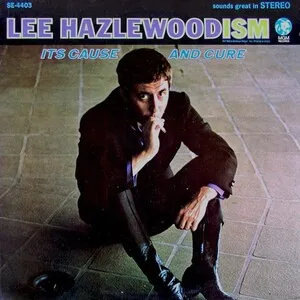
Lee Hazlewoodism: Its Cause and Cure
Lee Hazlewood
Country Pop
1977
1
/5
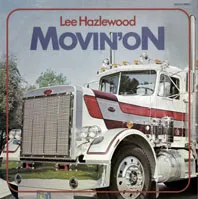
Movin' On
Lee Hazlewood
Truck Driving Country
1968
1
/5
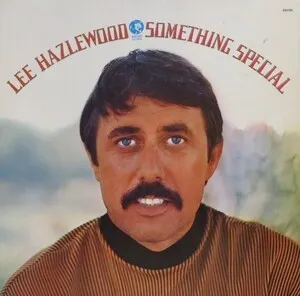
Something Special
Lee Hazlewood
Piano Blues
1968
3
/5
Nancy & Lee
Nancy Sinatra & Lee Hazlewood
Country Pop
Baroque Pop
Psychedelic Pop
1966
3
/5
The Very Special World of Lee Hazlewood: Lee Hazlewood Singing His Own Compositions
Lee Hazlewood
Country Pop
Baroque Pop
Country Rock
Similar artists
1
/5
Various Artists
Afro-Funk
Alternative Rock
Ambient
4
/5
Johnny Cash
Country
Rock
Country Gospel
4
/5
John Denver
Folk
Folk Rock
Country Pop
4
/5
Roy Orbison
Pop
Rock
Blue-Eyed Soul
4
/5
Emmylou Harris
Country Rock
Folk
Country
2
/5
Gene Clark
Country Rock
Folk Rock
Rock
2
/5
The Beau Brummels
Acid Rock
Baroque Pop
Country Rock
1
/5
The Gosdin Brothers
Country Rock
Folk Rock
Baroque Pop
4
/5
Elvis Presley
Rock And Roll
Rockabilly
Pop
4
/5
Nancy Sinatra
Sunshine Pop
Easy Listening
Indie Pop Rap
Download our mobile app
Get the Melodigging app and start digging for new genres on the go
Download on the App Store
Get it on Google Play
© 2026 Melodigging
Give feedback
Legal
Melodding was created as a tribute to
Every Noise at Once
, which inspired us to help curious minds keep digging into music's ever-evolving genres.