Genres
Artists
Albums
Make Music
Sign in
Sign in
Artists
Choral
Artists
Choral
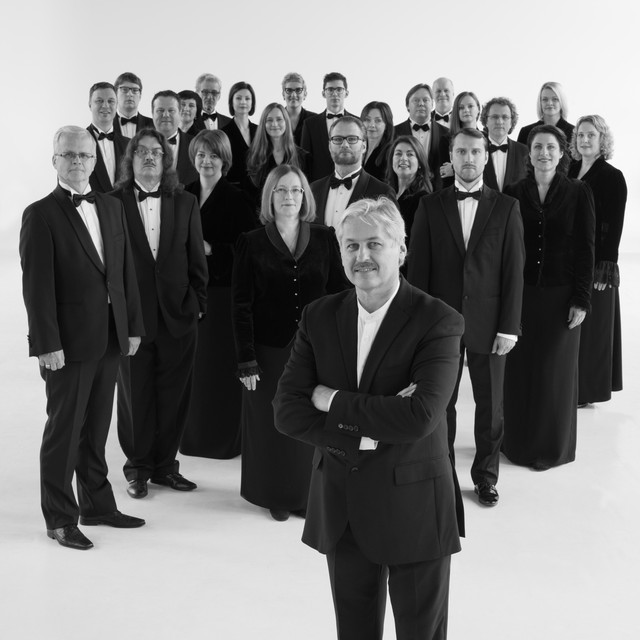
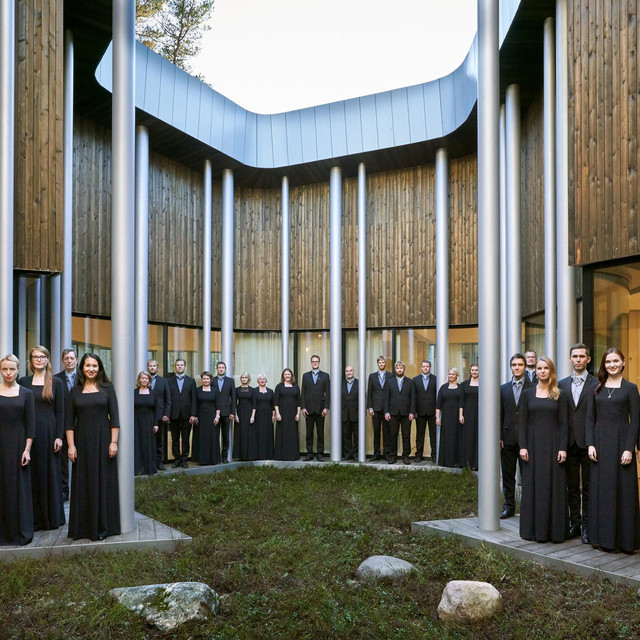
Latvian Radio Choir
2020
·
2 albums
Listen
2
/5
Genres
Minimalism
Minimalism is a style of Western art music that emerged in the United States during the 1960s, characterized by the use of very limited musical materials, steady pulse, and extensive repetition. Composers often build pieces from short cells or motifs that are repeated and slowly transformed through additive or subtractive processes, phase shifting, and gradual changes in harmony, texture, or register. Harmony is typically consonant (often modal or diatonic), though just intonation and extended drones are also common. The result is music that foregrounds process, clarity, audibility of structure, and a hypnotic sense of stasis and flow. Typical ensembles include keyboards, mallet percussion, strings, winds, voices, and electronics or tape. Minimalism influenced a wide array of later styles, from ambient and new age to post-minimalism and minimal techno.
Discover
Listen
Choral Concerto
The choral concerto is a genre of Eastern Orthodox sacred music that emerged in the mid‑seventeenth century in the Russian Empire, particularly through the work of Ukrainian composers and chapel traditions. Written for unaccompanied choir (a cappella), these works are typically multi‑sectional and contrast homophonic, declamatory blocks with brief soloistic or small‑ensemble passages. Texts are drawn from Psalms and other scriptural or festal sources in Church Slavonic. In liturgical practice, choral concertos were sung during the Divine Liturgy at the moment when the clergy took Holy Communion—just before the Communion of the faithful—so they balance contemplative devotion with vivid rhetorical projection. Stylistically, the genre fuses native chant and Orthodox polyphony with Baroque concepts of contrast and sectional articulation. Although concise, many pieces employ double‑choir writing, antiphonal effects, and expressive dynamic “terracing,” all while maintaining the Orthodox prohibition against instruments inside the church.
Discover
Listen
Classical
Classical music is the notated art-music tradition of Europe and its global descendants, characterized by durable forms, carefully codified harmony and counterpoint, and a literate score-based practice. The term “classical” can refer broadly to the entire Western art-music lineage from the Medieval era to today, not just the Classical period (c. 1750s–1820s). It privileges long-form structures (such as symphonies, sonatas, concertos, masses, and operas), functional or modal harmony, thematic development, and timbral nuance across ensembles ranging from solo instruments to full orchestras and choirs. Across centuries, the style evolved from chant and modal polyphony to tonal harmony, and later to post-tonal idioms, while maintaining a shared emphasis on written notation, performance practice, and craft.
Discover
Listen
Armenian Church Music
Armenian church music is the sacred chant and liturgical repertoire of the Armenian Apostolic Church, sung primarily in Classical Armenian (Grabar) and preserved through oral transmission, medieval neumatic (khaz) notation, and later staff transcriptions. It centers on the Divine Liturgy (Badarak), the daily offices, and a vast corpus of hymns known as sharakans. Musically, the tradition is fundamentally monophonic and modal, drawing on an eight-mode (oktoechos) system with characteristically stepwise melodies, narrow to moderate ambitus, and expressive melismas. While the historical tradition is a cappella and unaccompanied, modern choral harmonizations (notably by Makar Yekmalyan and Komitas Vardapet) are also widely performed, carefully respecting the modal flavor of the original chants. The sound is solemn, luminous, and contemplative, with an emphasis on textual clarity, rhetorical pacing, and devotional atmosphere.
Discover
Listen
Choral
Choral refers to music written for and performed by a choir—an ensemble of voices organized into sections such as soprano, alto, tenor, and bass (SATB), or same-voice groupings (SSA, TTBB). It encompasses both sacred and secular repertoire and may be sung a cappella or with accompaniment by organ, piano, or full orchestra. Stylistically, choral music ranges from chant-like monophony to intricate polyphony and rich homophonic textures. Texts are drawn from liturgy, scripture, poetry, and vernacular sources, and are set in many languages. Performance contexts include church services, concert halls, and community events, making choral one of the most socially embedded and widely practiced forms of ensemble music. Across history, choral music has served as a laboratory for vocal counterpoint, word painting, and text-driven form, while functioning as a cultural bridge among religious rites, national traditions, and contemporary concert practice.
Discover
Listen
Albums
2020
1
/5
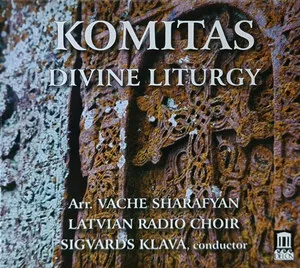
Divine Liturgy
Komitas Կոմիտաս
Armenian Church Music
2020
1
/5
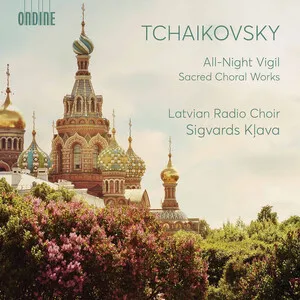
All-Night Vigil & Other Sacred Choral Works
Pyotr Tchaikovsky Пётр Чайковский / Latvijas Radio koris / Sigvards Kļava
Choral Concerto
Similar artists
3
/5
Sigvards Kļava
Choral
Minimalism
Armenian Church Music
3
/5
Arvo Pärt
Minimalism
Classical
Holy Minimalism
3
/5
Paul Hillier
Choral
Minimalism
Classical
2
/5
Estonian Philharmonic Chamber Choir
Choral
Minimalism
Holy Minimalism
2
/5
Alfred Schnittke
Classical
Choral Concerto
Chamber Music
1
/5
Various Artists
Afro-Funk
Alternative Rock
Ambient
2
/5
Tõnu Kaljuste
Choral
Holy Minimalism
Minimalism
2
/5
Theatre Of Voices
Choral
Minimalism
Avant-Garde
2
/5
Julian Wachner
Choral
Minimalism
Classical
2
/5
Ars Nova Copenhagen
Choral
Minimalism
Classical
Download our mobile app
Get the Melodigging app and start digging for new genres on the go
Download on the App Store
Get it on Google Play
© 2026 Melodigging
Give feedback
Legal
Melodding was created as a tribute to
Every Noise at Once
, which inspired us to help curious minds keep digging into music's ever-evolving genres.