Genres
Artists
Albums
Make Music
Sign in
Sign in
Artists
African Experimental
Artists
African Experimental
Lady Aicha & Pisko Cranes Original Fulu Mziki of Kinsasha
2022
·
1 album
Listen
1
/5
Genres
African Experimental
African experimental is a broad, pan‑continental umbrella for artists across Africa (and its diaspora) who apply avant‑garde and exploratory processes to African rhythmic, timbral, and vocal traditions. It blends local instruments and folk idioms with cutting‑edge electronics, noise, electroacoustic practices, and sound art. Producers and ensembles often favour asymmetrical grooves, polyrhythms, prepared or extended‑technique instruments, field recordings, and non‑linear song forms. The result ranges from austere ambient and abstract sound collage to club‑facing, bass‑heavy deconstructions that still carry a strong sense of place.
Discover
Listen
Singeli
Singeli is a hyper-accelerated Tanzanian dance music and MC tradition that emerged in Dar es Salaam’s working-class neighborhoods in the mid‑2000s. Built on blisteringly fast drum programming—often between 180 and 300 BPM—it features shouted or rapped vocals in Swahili and street slang, rapid-fire call‑and‑response, and looped keyboard riffs or chopped samples. While it draws from local ngoma rhythms, mchiriku street styles, and the broader tarab/taarab lineage, singeli is its own distinctly Tanzanian sound rather than soukous or classical taarab. Performances are intensely kinetic: DJs trigger barrages of claps, toms, and snares while MCs hype the crowd, and dancers drive the energy with footwork and shoulder moves. The overall aesthetic is raw, DIY, and maximal, but also playful and community‑focused.
Discover
Listen
Kuduro
Kuduro is a high-energy dance music and street culture that originated in Angola in the late 1980s and early 1990s. Its name comes from Angolan Portuguese, roughly meaning “hard butt,” a playful reference to the explosive, physically demanding dance moves and the hard-hitting, percussive beats that drive the style. Musically, kuduro fuses local Angolan rhythms with electronic dance music, hip hop, ragga/dancehall, and Caribbean influences like soca and zouk. Tracks typically sit around 140–150 BPM, feature pounding, syncopated kick patterns, claps on off-beats, chopped vocal shouts, sirens, and whistle FX. Harmony is sparse or loop-based; the focus is on rhythm, call-and-response MCing (in Portuguese and local languages), and relentless forward motion tailored for dance battles and street parties.
Discover
Listen
Tradi-Moderne Congolais
Tradi-moderne congolais is a Congolese "traditional–modern" style that fuses regional folk repertoires and ritual rhythms with urban amplification and contemporary band setups. Its signature sound comes from electrified likembe (thumb pianos), homemade amplification, buzzing overtones, driving hand percussion, and call‑and‑response vocals in languages such as Lingala, Tshiluba, and Kikongo. Compared with rumba or ndombolo, it tends to be more trance‑like and percussive, emphasizing layered ostinatos, polyrhythms, and rough, saturated timbres. Internationally, the style became widely known through the 2000s “Congotronics” wave, but its roots lie in late‑colonial/early post‑independence Kinshasa ensembles who modernized village repertoires with electric instruments and DIY sound systems.
Discover
Listen
Central African Music
Central African music is an umbrella term for the traditional and popular styles that emerged in and around the Congo Basin, including today’s Democratic Republic of the Congo, Republic of the Congo, Central African Republic, Cameroon, Gabon, Equatorial Guinea, and parts of Chad and Angola. It blends deep-rooted forest and Bantu musical practices—polyphonic vocal traditions, call-and-response singing, interlocking rhythms, slit- and frame-drum ensembles, thumb pianos (likembe/sanza), and xylophones—with urban dance-band instrumentation and Latin/Caribbean influences brought by early records from Cuba. In the mid‑20th century these elements crystallized in highly influential guitar-led dance musics (notably Congolese rumba and, later, soukous/ndombolo), alongside Cameroonian scenes such as makossa and bikutsi. Signature traits include buoyant, cyclical grooves; bright, interlocking guitar parts (the sebene); syncopated bass ostinatos; bell and shaker time-lines; and exuberant call-and-response vocals in languages such as Lingala, French, Sango, Duala, and others. The result ranges from tender, romantic rumba ballads to fast, ecstatic dance pieces that dominate social life and regional club culture.
Discover
Listen
Albums
2022
1
/5
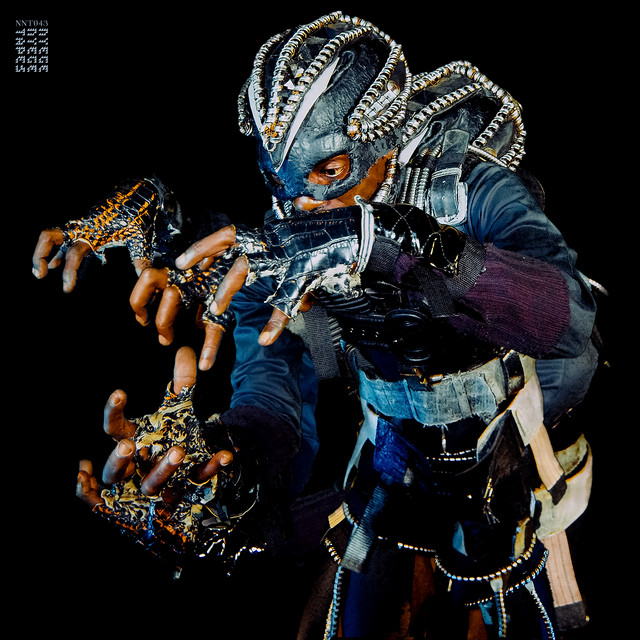
N'djila wa mudujimu
Lady Aicha, Pisko Crane & Fulu Miziki
African Experimental
Tradi-Moderne Congolais
Central African Music
Similar artists
1
/5
Various Artists
Afro-Funk
Alternative Rock
Ambient
2
/5
DJ Lycox
Batida
Kuduro
Afro House
1
/5
Nídia
Batida
Kuduro
Deep Big Room
2
/5
DJ Travella
Singeli
Kuduro
East African Music
1
/5
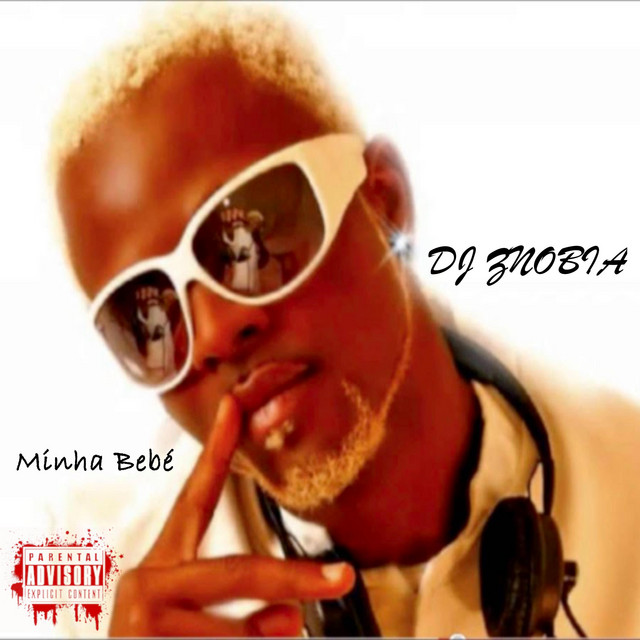
DJ Znobia
Kizomba
Kuduro
Kuduro Antigo
1
/5
DJ Marfox
Gqom
Kuduro
Modern Jungle
1
/5
Tia Maria Produções
Afro House
Gqom
Kuduro
1
/5
Nuno Beats
Afro House
Brazilian Trap
Kuduro
1
/5
DJ Nigga Fox
Batida
Kuduro
Gqom
1
/5
DE SCHUURMAN
Bubbling
Bubbling House
Dancehall
Download our mobile app
Get the Melodigging app and start digging for new genres on the go
Download on the App Store
Get it on Google Play
© 2026 Melodigging
Give feedback
Legal
Melodding was created as a tribute to
Every Noise at Once
, which inspired us to help curious minds keep digging into music's ever-evolving genres.