Genres
Artists
Albums
Make Music
Sign in
Sign in
Artists
Gqom
Artists
Gqom
DJ Marfox
1 album
Listen
1
/5
Genres
Gqom
Gqom is a minimalist, hard-edged club music from Durban, South Africa, built around pounding kicks, syncopated toms, and sparse, looped vocal chants. It favors tension and release over melodic development, using stark, percussive motifs and dramatic breakdowns to create a hypnotic, physically compelling groove. Typically sitting around 120–130 BPM, gqom departs from straight four-on-the-floor house patterns, embracing broken-beat structures, off-grid fills, and sudden dropouts. The sound palette leans dark and industrial—heavy sub-bass, metallic hits, claps, whistles, crowd shouts, and found sounds—while harmony is minimal or absent, keeping the focus on rhythm and texture.
Discover
Listen
Modern Jungle
Modern jungle is a contemporary revival and development of early‑to‑mid 1990s jungle that combines classic breakbeat science with today’s production standards. Producers retain the genre’s signature rapid‑fire chopped breaks (most famously the Amen, Think, and Apache breaks), sub‑heavy basslines, and dubwise sample culture, but render them with cleaner low‑end, wider stereo imaging, and precise digital edits. Typically running between 160–170 BPM, modern jungle balances nostalgia for pirate‑radio energy and rave euphoria with forward‑looking ideas. It freely borrows from footwork and juke’s 160 BPM momentum, folds in dub and dancehall vocal snippets, and often pairs rugged drums with dreamy pads or ambient textures. The result is music that can feel both vintage and futuristic—raw, rolling, and eminently dance‑focused, yet detailed enough for close headphone listening.
Discover
Listen
Dennery Segment
Dennery segment is a drum-forward, chant-driven offshoot of soca that originated in the district of Dennery in Saint Lucia. Often nicknamed "Lucian Kuduro," it fuses the stripped, polyrhythmic punch of African club styles with the road‑march energy of Caribbean carnival. The style is characterized by minimal melodic content, heavy hand‑percussion grooves (congas, cowbells/iron, shakers), whistle and siren riffs, and short call‑and‑response hooks delivered in Saint Lucian Kwéyòl and English. Tempos typically sit in the groovy soca range (roughly 115–130 BPM), emphasizing a hypnotic, repeating riddim that invites specific dance instructions and crowd participation. Production tends to be lean and percussive with tight kick–sub alignment, clipped vocal chops, and rhythmic breakdowns rather than harmonic builds—designed as much for street parades as for club play.
Discover
Listen
Italo Beats
Italo beats is a contemporary, club-oriented offshoot of the classic Italian Italo sound, fusing the sleek melodicism of 1980s Italo disco with the punch and polish of modern European dance music. Typical tracks feature four-on-the-floor drums, bright synth leads, rubbery basslines, and hook-forward vocals that lean into romantic or nightlife themes. Rather than being a strict historical movement, Italo beats functions as a modern production style and DJ vernacular that revives Italo’s earworm melodies and neon textures while adopting current mixdown aesthetics (sidechained pads, wider stereo imaging, and festival-ready low end). It thrives in streaming-era dance culture, uniting Italian, Central/Eastern European, and broader EU producers around a recognizable “Italo-flavored” club sound.
Discover
Listen
Singeli
Singeli is a hyper-accelerated Tanzanian dance music and MC tradition that emerged in Dar es Salaam’s working-class neighborhoods in the mid‑2000s. Built on blisteringly fast drum programming—often between 180 and 300 BPM—it features shouted or rapped vocals in Swahili and street slang, rapid-fire call‑and‑response, and looped keyboard riffs or chopped samples. While it draws from local ngoma rhythms, mchiriku street styles, and the broader tarab/taarab lineage, singeli is its own distinctly Tanzanian sound rather than soukous or classical taarab. Performances are intensely kinetic: DJs trigger barrages of claps, toms, and snares while MCs hype the crowd, and dancers drive the energy with footwork and shoulder moves. The overall aesthetic is raw, DIY, and maximal, but also playful and community‑focused.
Discover
Listen
Uk Funky
UK funky is a London-born club style that fuses house music’s four-on-the-floor pulse with syncopated, Afro‑Caribbean percussion and a distinctly British bass sensibility. Usually sitting around 125–130 BPM, it favors swung, polyrhythmic drum patterns, rolling subs, and concise chord stabs over maximal, ravey textures. Vocals range from soulful, R&B‑leaning hooks to MC chants and call‑and‑response crowd shouts, keeping the dancefloor feel front and center. The result is a percussive, party‑focused sound that bridges house, UK garage, and African/Caribbean rhythmic DNA, while retaining DJ‑friendly structures and space for singers and MCs.
Discover
Listen
Kuduro
Kuduro is a high-energy dance music and street culture that originated in Angola in the late 1980s and early 1990s. Its name comes from Angolan Portuguese, roughly meaning “hard butt,” a playful reference to the explosive, physically demanding dance moves and the hard-hitting, percussive beats that drive the style. Musically, kuduro fuses local Angolan rhythms with electronic dance music, hip hop, ragga/dancehall, and Caribbean influences like soca and zouk. Tracks typically sit around 140–150 BPM, feature pounding, syncopated kick patterns, claps on off-beats, chopped vocal shouts, sirens, and whistle FX. Harmony is sparse or loop-based; the focus is on rhythm, call-and-response MCing (in Portuguese and local languages), and relentless forward motion tailored for dance battles and street parties.
Discover
Listen
Batida
Batida is a percussion‑driven, sample‑heavy club style from Angola that foregrounds syncopated drum patterns and looped rhythm figures over minimal harmony. Its name literally means “beat,” and the music prioritizes groove, energy, and dancefloor momentum. Initially assembled by bedroom producers and DJs in Luanda using drum machines and samplers, Batida drew on imported Caribbean records and local dance culture. The result is a hard‑edged, uptempo sound that sits between soca and zouk rhythms and the raw, DIY aesthetics that later fed into Angolan and Lusophone diaspora club styles.
Discover
Listen
Show all 8 genres
Albums
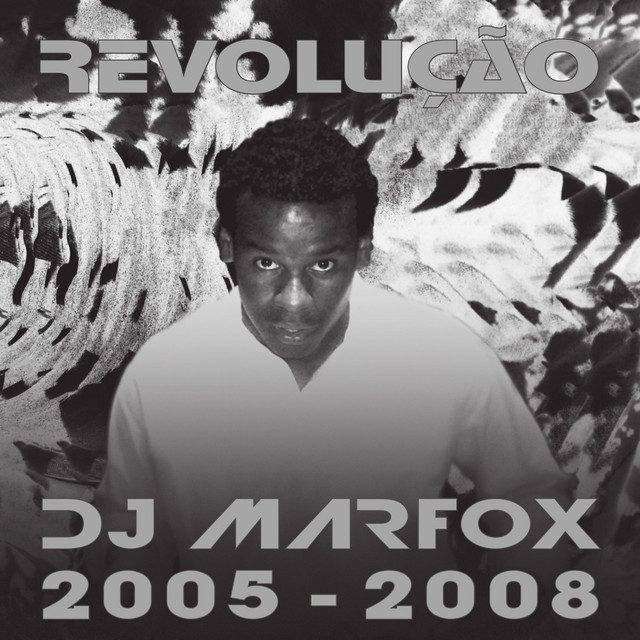
Revolução 2005-2008
DJ Marfox
Batida
Similar artists
2
/5
DJ Lycox
Batida
Kuduro
Afro House
1
/5
Tia Maria Produções
Afro House
Gqom
Kuduro
1
/5
DJ Nigga Fox
Batida
Kuduro
Gqom
1
/5
Dj Narciso Rsproduções
Kuduro
Batida
Gqom
1
/5
Puto Márcio
Gqom
Kuduro
Singeli
1
/5
DJ Firmeza
Afro House
Gqom
Kuduro
1
/5
DJ N.K.
Kuduro
Baltimore Club
Gqom
1
/5
DJ Nervoso
Gqom
Kuduro
Singeli
1
/5
Blacksea Não Maya
Gqom
Kuduro
Singeli
1
/5
RS Produções
Kuduro
Gqom
Singeli
Download our mobile app
Get the Melodigging app and start digging for new genres on the go
Download on the App Store
Get it on Google Play
© 2026 Melodigging
Give feedback
Legal
Melodding was created as a tribute to
Every Noise at Once
, which inspired us to help curious minds keep digging into music's ever-evolving genres.