Your digging level
Description
Tradi-moderne congolais is a Congolese "traditional–modern" style that fuses regional folk repertoires and ritual rhythms with urban amplification and contemporary band setups.
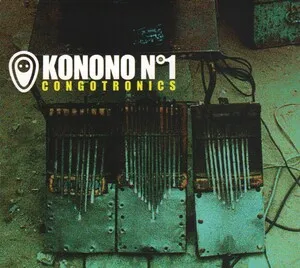
Its signature sound comes from electrified likembe (thumb pianos), homemade amplification, buzzing overtones, driving hand percussion, and call‑and‑response vocals in languages such as Lingala, Tshiluba, and Kikongo. Compared with rumba or ndombolo, it tends to be more trance‑like and percussive, emphasizing layered ostinatos, polyrhythms, and rough, saturated timbres.
Internationally, the style became widely known through the 2000s “Congotronics” wave, but its roots lie in late‑colonial/early post‑independence Kinshasa ensembles who modernized village repertoires with electric instruments and DIY sound systems.
History
After Congo’s independence, Kinshasa’s expanding urban scene incubated bands that electrified village repertoires. Builders adapted car parts, loudspeakers, and radio amps to amplify likembe and drums, creating the buzzing, saturated tone that defines the style. While rumba congolaise and, later, soukous dominated dancehalls, tradi‑moderne ensembles focused on folkloric rhythms (Kongo, Luba/Kasai, Mongo, etc.) reimagined for city crowds.
Neighborhood cultural clubs and street parties kept the format alive: amplified thumb pianos, call‑and‑response choirs, portable percussion, and cyclical grooves suited for open‑air performance. The music’s trance‑like repetition, cross‑rhythms (often 12/8 against 4/4 feel), and participatory vocals distinguished it from guitar‑centric rumba.
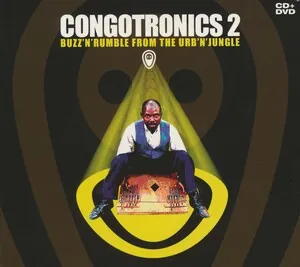
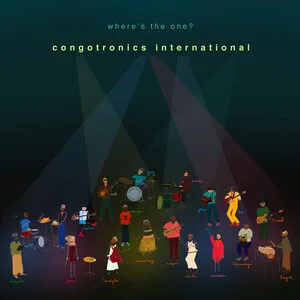
Crammed Discs’ Congotronics series brought Kinshasa’s electrified folklore to global audiences. Konono Nº1 and Kasai Allstars became emblematic, showcasing overdriven likembe, hand‑built pickups, and polyrhythmic intensity on international stages and festivals. Journalists coined comparisons to experimental and industrial aesthetics due to the raw sonic texture.
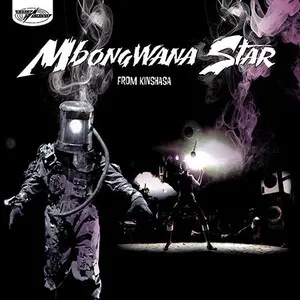
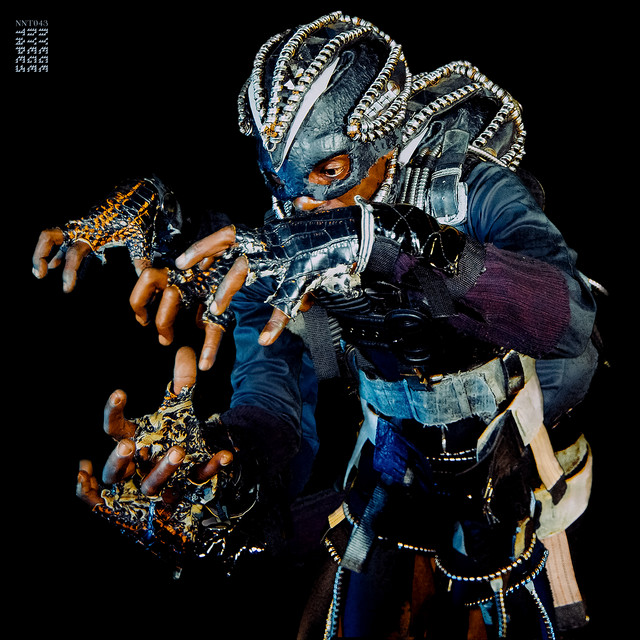
New acts like Mbongwana Star, KOKOKO!, Jupiter & Okwess, and Fulu Miziki extended the palette with electronics, post‑punk attitude, Afrofuturist visuals, and club‑ready grooves—yet retained the tradi‑moderne core: cyclical ostinatos, communal vocals, and locally rooted rhythm cells. The style now circulates between Kinshasa street culture and global indie/electronic circuits, influencing worldbeat, indietronica, and experimental scenes.