Genres
Artists
Albums
Make Music
Sign in
Sign in
Artists
Surf Rock
Artists
Surf Rock
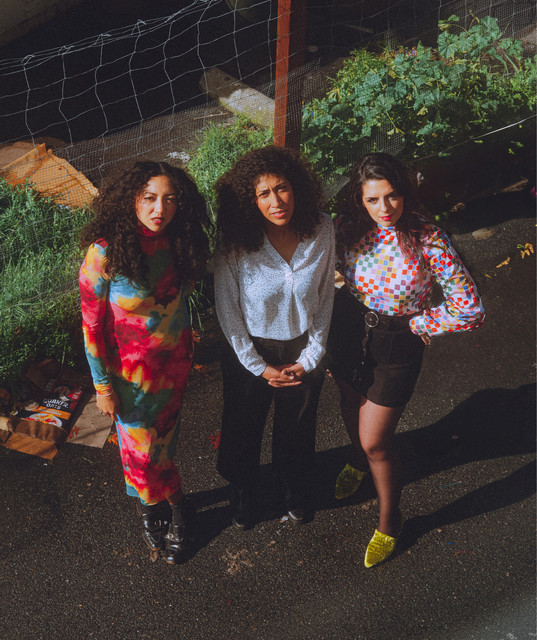
La Luz
2013–2018
·
2 albums
Listen
3
/5
Genres
Chill Dream Pop
Chill dream pop is a soft-focus, slow-tempo branch of dream pop that emphasizes hushed vocals, languid grooves, and a hazy, nocturnal atmosphere. It blends reverb-drenched guitars and shimmering synth pads with understated drum programming to create an intimate, weightless feel. Compared with classic dream pop, the “chill” variant leans further into minimalism and smooth, lo-fi textures, borrowing from chillwave and bedroom pop. Lyrics often center on memory, dusk-lit romance, and liminal spaces, delivered in a breathy, close-mic tone that sits inside lush ambient reverbs and delays.
Discover
Listen
Indie Surf
Indie surf is a modern indie rock offshoot that borrows the twangy, reverb‑drenched guitars and beachy imagery of 1960s surf rock, then filters them through lo‑fi, DIY production and indie pop songwriting. It favors bright, chiming guitar tones (often Jazzmasters/Jaguars through spring reverb), simple, catchy melodies, and compact song forms. Vocals tend to be airy and drenched in space, with lyrics about youth, romance, coastal life, and bittersweet nostalgia. The sound emerged in the late 2000s blog era and crystallized in the early 2010s, especially around West Coast U.S. and Brooklyn scenes, intersecting with garage revival, dream pop, and slacker aesthetics.
Discover
Listen
Alternative
Alternative is an umbrella term for non-mainstream popular music that grew out of independent and college-radio scenes. It emphasizes artistic autonomy, eclectic influences, and a willingness to subvert commercial formulas. Sonically, alternative often blends the raw immediacy of punk with the mood and texture of post-punk and new wave, adding elements from folk, noise, garage, and experimental rock. While guitars, bass, and drums are typical, production ranges from lo-fi to stadium-ready, and lyrics tend toward introspection, social critique, or surreal storytelling. Over time, “alternative” became both a cultural stance and a market category, spawning numerous substyles (alternative rock, alternative hip hop, alternative pop, etc.) and moving from underground circuits to mainstream prominence in the 1990s.
Discover
Listen
Neo-Psychedelia
Neo-psychedelia is a late-20th-century revival and reinvention of 1960s psychedelic music aesthetics, filtered through post-punk, indie, and experimental sensibilities. It emphasizes hypnotic textures, droning guitars, heavy use of effects (reverb, delay, phasing), analogue organs/synths, and dreamlike or surreal lyricism. Rhythms may draw from motorik and other steady, trance-inducing grooves, while harmony often favors modal colors and repetitive vamps. The style ranges from jangly, melodic songs to dense, feedback-laden soundscapes, and has been highly influential on dream pop, shoegaze, Britpop-adjacent scenes, and modern psych rock.
Discover
Listen
Surf Rock
Surf rock is a guitar-driven rock style that emerged in early-1960s Southern California, defined by spring-reverb-drenched electric guitars, rapid tremolo picking, and pounding backbeats that evoke the motion of ocean waves. The genre has two intertwined strands. Instrumental surf emphasizes minor keys, exotic/Mediterranean and Middle Eastern scales, staccato melodies, and clean-but-bright tones from Fender-style guitars and amps. Vocal surf layers rich, Beach Boys–style harmonies and teen-oriented lyrics about surfing, cars, and summer life onto rock-and-roll foundations. Hallmarks include the "drip" of outboard spring reverb tanks, snare- and tom-heavy drum patterns, driving bass ostinatos, and melodic lead lines that favor open strings and fast alternate picking. The result is energetic, danceable music that is both sun-soaked and slightly otherworldly.
Discover
Listen
Surf
Surf is a guitar-driven style of early 1960s popular music that evokes the sound and culture of ocean surfing. It is best known for its "wet" spring reverb, rapid tremolo-picked melodies, and bright single‑coil guitar tones that mimic the shimmer and surge of waves. The genre includes both instrumental surf (Dick Dale, The Ventures) and vocal surf (The Beach Boys, Jan & Dean), the latter often pairing lush harmonies with lyrics about surfing, cars, and Southern California youth life. Harmonically it tends to use simple I–IV–V progressions, minor‑key modes for dramatic instrumentals, and singable hooks for radio‑friendly songs. Beyond its beach imagery, surf's sonic signatures influenced film/TV "spy" cues and later rock subgenres, thanks to its distinctive timbre, energetic rhythms, and memorable riffs.
Discover
Listen
Rock
Rock is a broad family of popular music centered on amplified instruments, a strong backbeat, and song forms that foreground riffs, choruses, and anthemic hooks. Emerging from mid‑20th‑century American styles like rhythm & blues, country, and gospel-inflected rock and roll, rock quickly expanded in scope—absorbing folk, blues, and psychedelic ideas—while shaping global youth culture. Core sonic markers include electric guitar (often overdriven), electric bass, drum kit emphasizing beats 2 and 4, and emotive lead vocals. Rock songs commonly use verse–chorus structures, blues-derived harmony, and memorable melodic motifs, ranging from intimate ballads to high‑energy, stadium‑sized performances.
Discover
Listen
Rock And Roll
Rock and roll is a high-energy, dance-oriented popular music style that emerged in the United States in the early-to-mid 1950s. It fuses the 12‑bar blues and boogie‑woogie with the backbeat and instrumentation of rhythm & blues, the twang and storytelling of country, and the fervor of gospel. Its hallmark sound centers on a strong backbeat (accented on beats 2 and 4), driving rhythm sections, electric guitar riffs, prominent piano or saxophone leads, and catchy, chorus-forward songwriting. Typical harmonies revolve around I–IV–V progressions, often in 12-bar form, with swung or shuffle feels and punchy turnarounds. Culturally, rock and roll catalyzed a youth movement linked to dancing, teen identity, and social change. It bridged racial audiences by popularizing Black American musical traditions for mainstream listeners, and it laid the foundation for subsequent rock styles and much of modern pop.
Discover
Listen
Doo-Wop
Doo-wop is a vocal harmony–driven style of rhythm and blues that blossomed in mid-century urban America. Built around lead-tenor melodies, lush background harmonies, and playful nonsense syllables (the source of its name), the genre blends church-bred gospel techniques with street-corner spontaneity. Musically, doo-wop favors simple, singable chord cycles—especially the “’50s progression” (I–vi–IV–V)—a steady 4/4 or lilting 12/8 feel, and call-and-response between lead and backing parts. Arrangements range from a cappella to small combos with guitar, piano, bass, light drums, and occasional saxophone. Lyrically, the songs are often teen-centered: romance, longing, heartbreak, and devotion. The sound emerged in the late 1940s within African-American communities and soon resonated across ethnic lines, inspiring groups in cities such as New York, Philadelphia, Chicago, Detroit, and Los Angeles. Its polished harmonies, sweet ballads, and hooky refrains helped shape early rock and roll and later pop harmony traditions.
Discover
Listen
Show all 9 genres
Albums
2018
1
/5
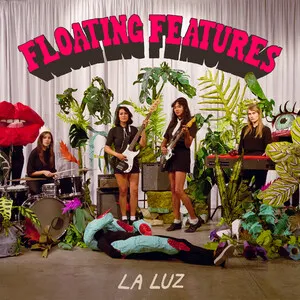
Floating Features
La Luz
Indie Surf
Surf Rock
2013
1
/5
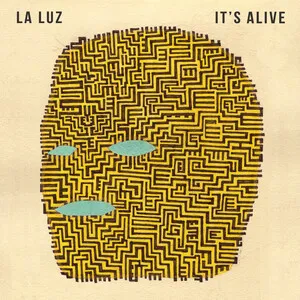
It's Alive
La Luz
Indie Surf
Similar artists
3
/5
Allah-Las
Surf Rock
Chill Pop
Indian Indie
3
/5
The Growlers
Garage Rock Revival
Indie Surf
Surf Rock
2
/5
Man Or Astro-Man?
Surf Rock
Surf
Surf Punk
2
/5
Mystic Braves
Garage Rock
Neo-Psychedelia
Surf Rock
4
/5
Surf Curse
Surf Punk
Indie Surf
Indie
3
/5
Beach Fossils
Dream Pop
Experimental Indie
Indie Dream Pop
3
/5
Real Estate
Jangle Pop
Dreamo
Dream Pop
3
/5
Wavves
Surf Punk
Indie Punk
Nu Gaze
3
/5
Together Pangea
Indie Punk
Emo Revival
Garage Rock
2
/5
The Spyrals
Garage Rock
Neo-Psychedelia
Space Rock
Download our mobile app
Get the Melodigging app and start digging for new genres on the go
Download on the App Store
Get it on Google Play
© 2026 Melodigging
Give feedback
Legal
Melodding was created as a tribute to
Every Noise at Once
, which inspired us to help curious minds keep digging into music's ever-evolving genres.