Genres
Artists
Albums
Make Music
Sign in
Sign in
Artists
Traditional Music
Artists
Traditional Music
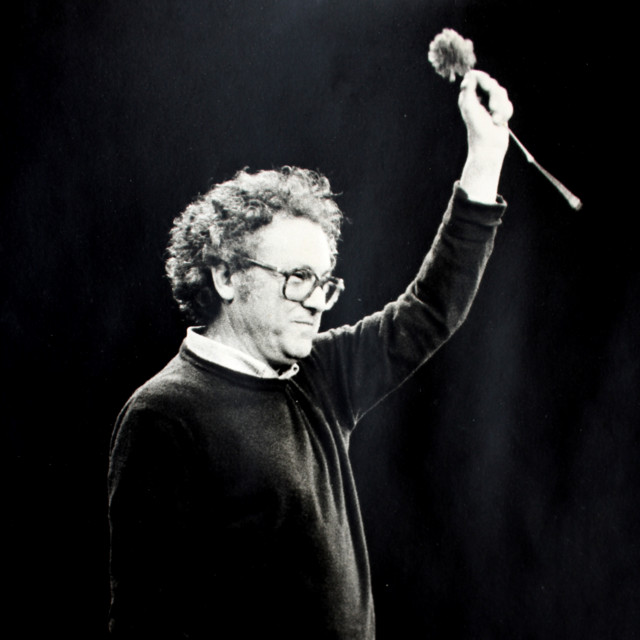
Kyaw Kyaw Naing
1998
·
1 album
Listen
1
/5
Genres
Traditional Music
Traditional music is an umbrella term used in the mid–20th century by folklorists and ethnomusicologists to denote community-rooted, orally transmitted repertoires tied to social ritual, work, celebration, and storytelling. Unlike commercial pop or art-music traditions, traditional music is typically learned by ear, varies regionally, and evolves slowly through communal participation. It often features modal melodies, cyclic rhythms, heterophony or unison singing, and indigenous instruments whose timbres are integral to local identity. Lyrics tend to preserve language, history, and collective memory. While the musical practices themselves can be ancient, the phrase “traditional music” emerged to replace earlier, narrower or colonial framings like “folk” or “ethnic” music, foregrounding continuity, locality, and living practice rather than exoticism.
Discover
Listen
Folk
Folk is a song-centered acoustic tradition rooted in community storytelling, everyday life, and social history. It emphasizes clear melodies, simple harmonies, and lyrics that foreground narrative, protest, and personal testimony. As a modern recorded genre, folk coalesced in the early-to-mid 20th century in the United States out of older ballad, work song, and rural dance traditions. It typically features acoustic instruments (guitar, banjo, fiddle, mandolin, harmonica), strophic song forms, and participatory singing (choruses, call-and-response).
Discover
Listen
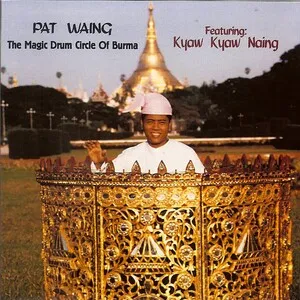
Bamar Music
Bamar music refers to the traditional musical practices of the Bamar (Burman) majority of Myanmar, encompassing courtly classical repertoires (Mahāgīta), vigorous hsaing waing percussion ensembles, refined solo traditions for the saung gauk (arched harp) and pattala (bamboo xylophone), and music for dance-drama, marionette theatre (yoke thé), and popular festivals (pwe). It is characterized by cyclic, colotomic time structures articulated by small time-keeping instruments (si and wa), an ornate, heterophonic texture in which multiple instruments elaborate a shared melody, and modal-melodic systems that draw on heptatonic/pentatonic pitch collections particular to Myanmar. The timbral core is the hne (double-reed oboe), pat waing (drum circle), bronze gongs (kyi waing, maung hsaing), and idiophones, with courtly refinement supplied by the harp and xylophone. Across history, Bamar music absorbed influences from neighboring Mon, Thai, and Khmer courts and from Buddhist liturgical and Indic traditions, yet retained distinct aesthetics—highly ornamented melody, elastic vocal delivery, and a powerful percussive drive—closely tied to ritual, theatre, and social life.
Discover
Listen
Albums
1998
1
/5
Pat waing: The Magic Drum Circle of Burma
Kyaw Kyaw Naing
Bamar Music
Folk
Similar artists
3
/5
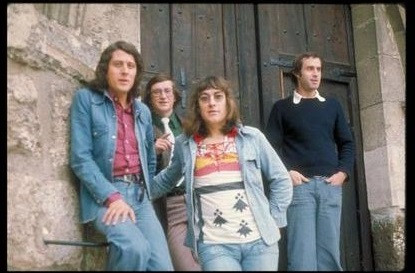
Tri Yann
Breton Celtic Folk Music
Breton Folk Music
Celtic Rock
3
/5
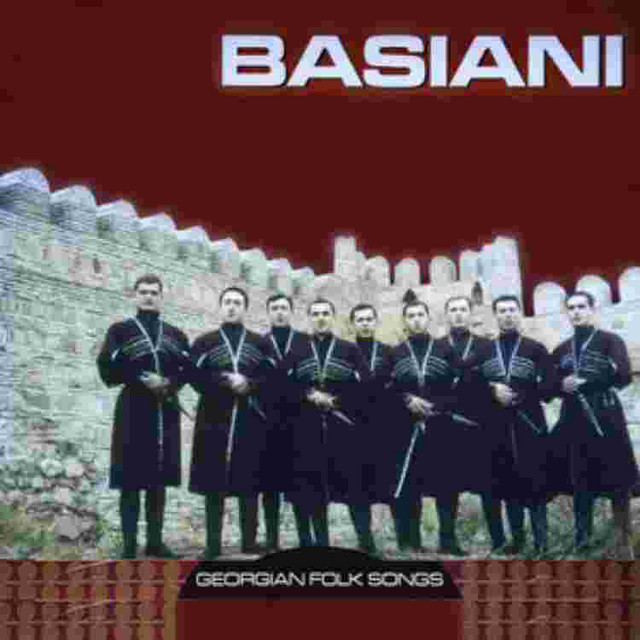
Basiani Ensemble
Georgian Folk Music
Traditional Folk
Traditional Music
3
/5
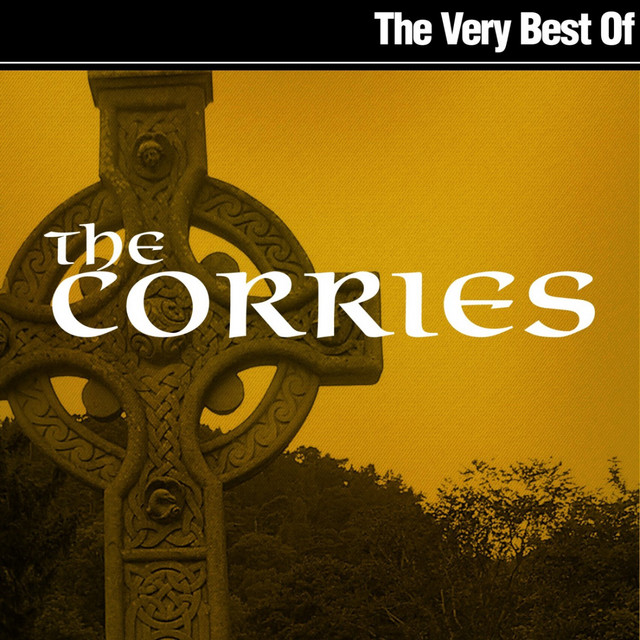
The Corries
Scots Song
Scottish Folk Revival
Celtic
3
/5
José Afonso
Música De Intervenção
Folk
Portuguese Music
2
/5
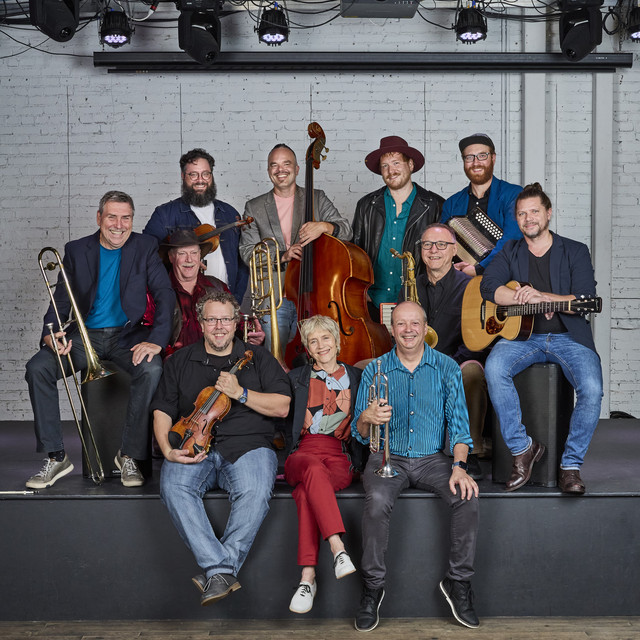
La Bottine Souriante
French-Canadian Folk Music
Traditional Music
Néo-Trad
2
/5
Pep Gimeno "Botifarra"
Valencian Folk Music
Traditional Music
Folk
2
/5
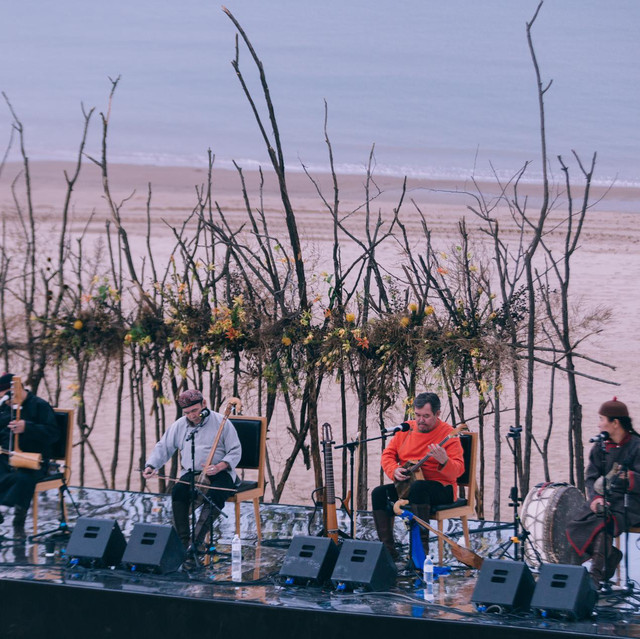
Huun-Huur-Tu
Central Asian Throat Singing
North Asian Music
Tuvan Throat Singing
2
/5
Solas
Celtic
Folk
Traditional Folk
2
/5
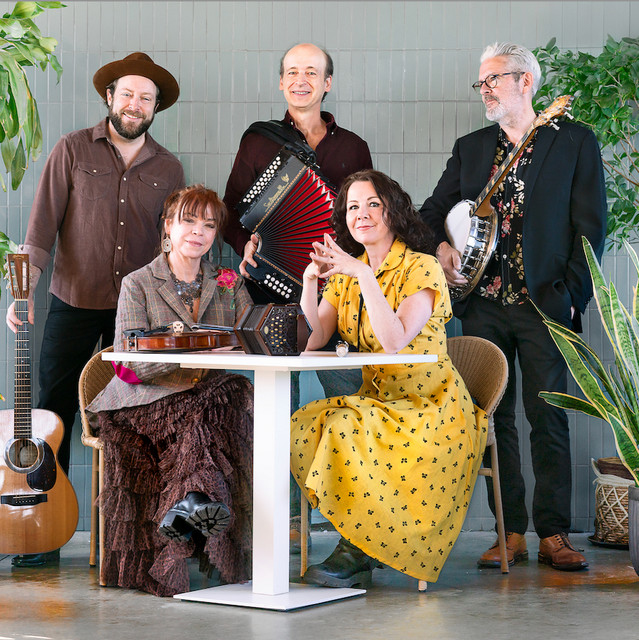
Breabach
Celtic
Celtic Rock
Folk
2
/5
Altan
Celtic
Celtic Rock
Folk
Download our mobile app
Get the Melodigging app and start digging for new genres on the go
Download on the App Store
Get it on Google Play
© 2026 Melodigging
Give feedback
Legal
Melodding was created as a tribute to
Every Noise at Once
, which inspired us to help curious minds keep digging into music's ever-evolving genres.