Genres
Artists
Albums
Make Music
Sign in
Sign in
Artists
German Indie
Artists
German Indie
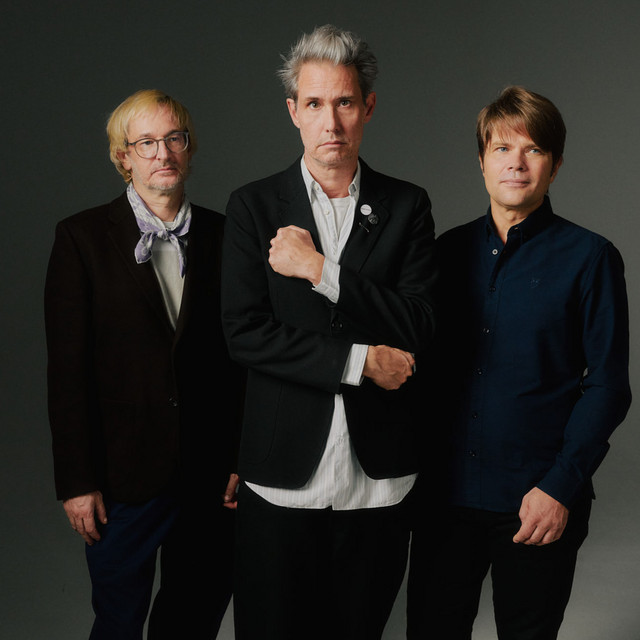
Kraftklub
2025
·
2 albums
Listen
4
/5
Genres
Windmill Scene
The Windmill scene refers to the cluster of experimental indie, post‑punk, and art‑rock bands that coalesced around The Windmill pub venue in Brixton, South London. Emerging in the late 2010s, the scene is characterized by knotty rhythms, angular guitars, spoken‑sung or declamatory vocals, and frequent use of saxophone, violin, and synths. Bands associated with the scene blend post‑punk urgency with avant‑prog ambition, no wave abrasion, and jazz-informed spontaneity, often favoring raw, live‑in‑the‑room production aesthetics. Lyrically, the scene leans toward sardonic social observation, surreal storytelling, and metropolitan anxiety, while performances emphasize high energy, improvisational turns, and dynamic contrasts.
Discover
Listen
Escape Room
Escape room is a data-driven label popularized by Spotify to cluster artists who blur lines between alternative R&B, experimental pop, left-field hip hop, and cutting‑edge club/electronic production. Rather than a strict set of musical rules, it signals a sound defined by textural minimalism, sub‑heavy and off‑kilter rhythms, intimate vocal delivery (often breathy or ASMR-adjacent), and a strong emphasis on sound design and negative space. Songs frequently juxtapose glossy melodies with abrasive or deconstructed percussive layers, creating a stylish, future‑leaning mood that resists easy categorization. The name is unrelated to physical puzzle rooms; instead, it marks music that “escapes” legacy genre boxes while remaining pop‑adjacent and internet‑native in aesthetics and distribution.
Discover
Listen
Transpop
Transpop is a contemporary pop micro-scene centered on transgender and gender‑expansive artists and narratives. It blends glossy pop songwriting with internet‑native production aesthetics drawn from hyperpop, electropop, and bedroom pop. Stylistically, it favors hook‑forward melodies, bright synths, pitched and processed vocals, and beat palettes that oscillate between four‑on‑the‑floor dance-pop and trap‑influenced rhythms. Lyrically it foregrounds identity, euphoria, dysphoria, love, self‑fashioning, and chosen family, often with a confessional, diaristic tone. While global and community‑driven, the sound coalesced online (SoundCloud/Discord/TikTok) and in indie queer club spaces, making it both danceable and emotionally candid.
Discover
Listen
German Indie
German indie is a broad umbrella for independent rock and pop made in Germany, characterized by guitar-driven arrangements, literate German-language lyrics, and a strong DIY/label culture. It blends the energy of punk and post-punk with the melodic sensibility of indie pop and the textural curiosity of shoegaze and electronic music. Many acts place emphasis on everyday realism, social observation, and self-reflection, often delivered with irony or understated wit. The scene is closely tied to influential indie labels and collectives, and it values authenticity over glossy mainstream production.
Discover
Listen
German Indie Pop
German indie pop blends the melodic sensibilities and DIY ethos of indie pop with German-language lyricism and the legacy of German alternative movements. It typically features jangly or clean electric guitars, warm bass lines, understated drums, and tasteful use of synthesizers. Lyric themes often focus on everyday realism, wry social observation, love, and identity, delivered in a conversational, literate tone. Production ranges from lo‑fi intimacy to polished but restrained clarity, prioritizing songcraft and lyrical content over showy virtuosity.
Discover
Listen
Indie Rock
Indie rock is a subgenre of rock and a branch of alternative rock that coalesced in the early–mid 1980s around independent labels and DIY practices in the United Kingdom, the United States, and New Zealand. Defined less by a single sound than by an ethos, indie rock favors non‑mainstream approaches, self‑recording and small‑label distribution, and an interest in pop‑informed melody and eclectic experimentation. Hallmarks include jangly or fuzzed guitars, intimate or deadpan vocals, off‑kilter song structures, and production that often preserves a raw, “authentic” feel rather than glossy studio polish.
Discover
Listen
Rap Rock
Rap rock is a fusion genre that combines hip hop’s rhythmic, percussive vocal delivery and DJ/sampling techniques with the timbre, riffs, and energy of rock guitar, bass, and drums. Typical tracks feature rapped verses over a strong backbeat and groove, then explode into sung or shouted rock choruses with big, anthemic hooks. Guitar parts often use distorted power‑chord riffs or funk‑inflected patterns, while drums lock into hip hop–style kick–snare placements. The result ranges from swaggering, groove‑heavy cuts to aggressive, mosh‑ready anthems that remain catchy and radio‑friendly.
Discover
Listen
Pop Rock
Pop rock blends the hook-focused immediacy of pop with the instrumentation and drive of rock. It prioritizes catchy melodies, concise song structures, and polished production while retaining guitars, bass, and drums as core elements. Typical pop rock tracks use verse–pre-chorus–chorus forms, strong vocal harmonies, and memorable riffs. The sound ranges from jangly and bright to mildly overdriven and arena-ready, aiming for radio-friendly appeal without abandoning rock’s rhythmic punch.
Discover
Listen
Garage Rock
Garage rock is a raw, energetic style of rock music that emerged in the mid-1960s from local scenes across North America. Typically performed by amateur or semi-professional teenage bands in basements and suburban garages, the sound is unpolished and immediate, favoring feel over finesse. Its hallmarks include distorted guitars, pounding drums, simple chord progressions (often I–IV–V), prominent Farfisa/Vox organ riffs, and shouted, attitude-heavy vocals. Songs are short, hooky, and driven by rhythmic urgency, with lyrics about teenage love, boredom, rebellion, and swagger. The style became a direct ancestor of proto-punk and punk rock, prized for its do-it-yourself spirit and visceral impact.
Discover
Listen
German Pop
German pop (Deutschpop) is mainstream popular music produced in Germany and/or performed in the German language, blending international pop conventions with local melodic sensibilities and lyrical themes. It emphasizes memorable hooks, clean and modern production, and relatable storytelling about love, everyday life, and personal identity. While its roots intersect with Schlager and beat music, contemporary German pop also borrows from new wave/synth-pop, rock, and, more recently, hip-hop and electronic dance music. The style ranges from acoustic singer‑songwriter ballads to glossy, radio‑ready anthems and danceable tracks, unified by strong choruses, clear diction, and accessible, emotive lyrics.
Discover
Listen
Show all 10 genres
Albums
2025
4
/5
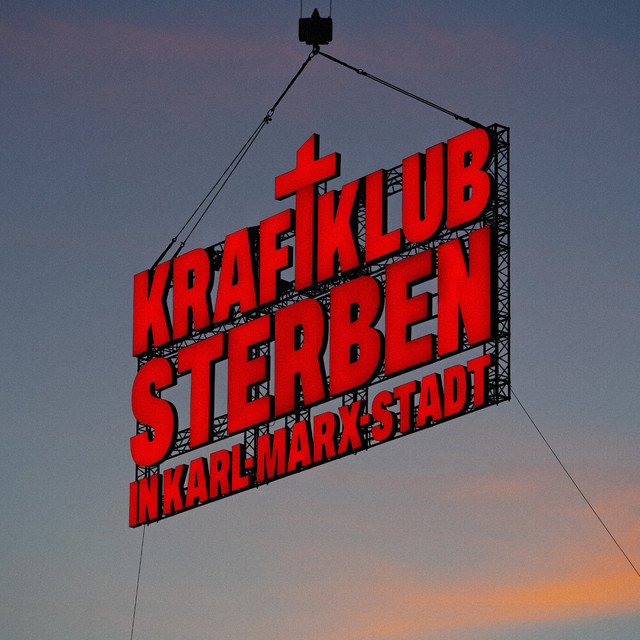
Sterben in Karl-Marx-Stadt
Kraftklub
German Indie Pop
German Indie
Pop Rock
2025
1
/5
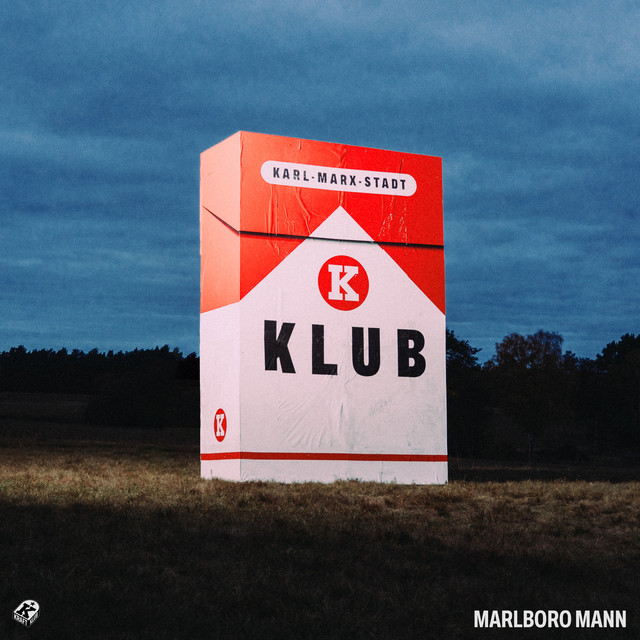
Marlboro Mann
Kraftklub
German Indie Pop
German Indie
German Pop
Similar artists
4
/5
Wir sind Helden
Indie Rock
Pop
Rock
3
/5
Casper
German Hip Hop
German Indie
German Indie Pop
3
/5
Tocotronic
Hamburger Schule
Rock
Indie Rock
2
/5
Isolation Berlin
German Indie
German Indie Pop
German Pop
2
/5
Blumfeld
Hamburger Schule
German Indie
German Indie Pop
3
/5
Element Of Crime
Pop Rock
German Indie
German Indie Pop
2
/5
Die Sterne
Hamburger Schule
Indie Rock
Indie Pop
4
/5
Nina Chuba
German Indie
German Indie Pop
German Pop
4
/5
Provinz
German Indie
German Indie Pop
German Pop
4
/5
Berq
German Indie
German Indie Pop
German Pop
Download our mobile app
Get the Melodigging app and start digging for new genres on the go
Download on the App Store
Get it on Google Play
© 2026 Melodigging
Give feedback
Legal
Melodding was created as a tribute to
Every Noise at Once
, which inspired us to help curious minds keep digging into music's ever-evolving genres.