Genres
Artists
Albums
Make Music
Sign in
Sign in
Artists
Hungarian Folk Music
Artists
Hungarian Folk Music
Kolinda
1976–1988
·
3 albums
Listen
1
/5
Genres
Rock
Rock is a broad family of popular music centered on amplified instruments, a strong backbeat, and song forms that foreground riffs, choruses, and anthemic hooks. Emerging from mid‑20th‑century American styles like rhythm & blues, country, and gospel-inflected rock and roll, rock quickly expanded in scope—absorbing folk, blues, and psychedelic ideas—while shaping global youth culture. Core sonic markers include electric guitar (often overdriven), electric bass, drum kit emphasizing beats 2 and 4, and emotive lead vocals. Rock songs commonly use verse–chorus structures, blues-derived harmony, and memorable melodic motifs, ranging from intimate ballads to high‑energy, stadium‑sized performances.
Discover
Listen
Hungarian Folk Music
Hungarian folk music is the traditional music of the Carpathian Basin’s Hungarian-speaking communities, performed for dancing, storytelling, ritual, and everyday social life. It is characterized by a fiddle-led band (prímás) supported by a three‑string viola (kontra) playing drone-triad shuffles, a double bass (bőgő) marking off‑beats, and often a cimbalom (hammered dulcimer). Melodies frequently use old-style pentatonic and heptatonic modes (notably Dorian and Mixolydian), with rich ornamentation, parlando‑rubato declamation in ballads, and strict tempo giusto in dance tunes. Core dance types include the csárdás (typically a slow lassú followed by a fast friss), verbunk (recruitment dance with dotted rhythms), ugrós, and regional suites from Transylvania (Mezőség, Kalotaszeg, Szék), Gyimes, and Moldva. Singing is usually strophic, with narrow-to-moderate ambitus, heterophonic variation between voice and fiddle, and text topics ranging from love and work to historical and humorous narratives. The 20th‑century collection work of Bartók and Kodály, and the late‑20th‑century táncház (dance‑house) revival, helped sustain a living, village-rooted performance practice in urban settings.
Discover
Listen
Classical
Classical music is the notated art-music tradition of Europe and its global descendants, characterized by durable forms, carefully codified harmony and counterpoint, and a literate score-based practice. The term “classical” can refer broadly to the entire Western art-music lineage from the Medieval era to today, not just the Classical period (c. 1750s–1820s). It privileges long-form structures (such as symphonies, sonatas, concertos, masses, and operas), functional or modal harmony, thematic development, and timbral nuance across ensembles ranging from solo instruments to full orchestras and choirs. Across centuries, the style evolved from chant and modal polyphony to tonal harmony, and later to post-tonal idioms, while maintaining a shared emphasis on written notation, performance practice, and craft.
Discover
Listen
Medieval
Medieval music refers to the diverse sacred and secular musical practices of Europe between the fall of the Western Roman Empire and the dawn of the Renaissance. It spans more than eight centuries, from early monophonic chant to the first notated polyphony. Core features include the use of church modes rather than major/minor, extensive reliance on vocal music (Latin sacred chant as well as vernacular song), and the progressive development from unmeasured chant to rhythmic modal notation and, later, mensural notation. Texture evolves from monophony (plainchant, troubadour songs) to organum, conductus, and the motet, culminating in complex isorhythmic works by the late 13th–14th centuries. Secular traditions—troubadours and trouvères in France, Minnesänger in German lands, and the Iberian Cantigas—coexisted with and influenced sacred practice. Instruments such as the vielle, harp, psaltery, recorder, shawm, hurdy-gurdy, and portative organ often doubled or accompanied voices, though much music remained purely vocal.
Discover
Listen
Albums
1988
1
/5
6
Kolinda
Hungarian Folk Music
1978
1
/5
1514
Kolinda
Hungarian Folk Music
1976
1
/5
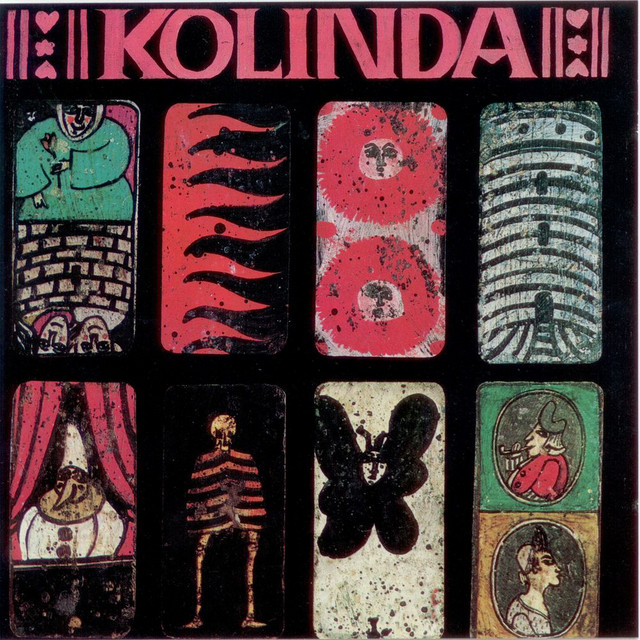
Kolinda
Kolinda
Hungarian Folk Music
Classical
Medieval
Similar artists
5
/5
Hans Zimmer
Country Dawn
Soundtrack
Classical
3
/5
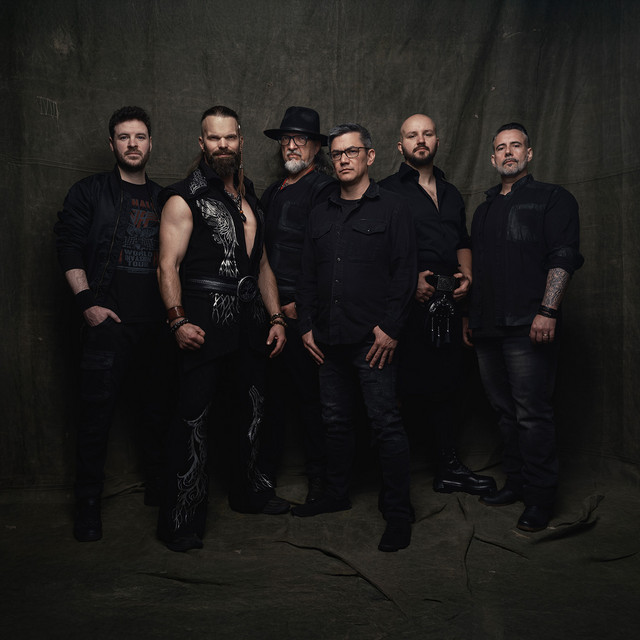
Saltatio Mortis
Medieval
Folk Metal
Folk Rock
3
/5
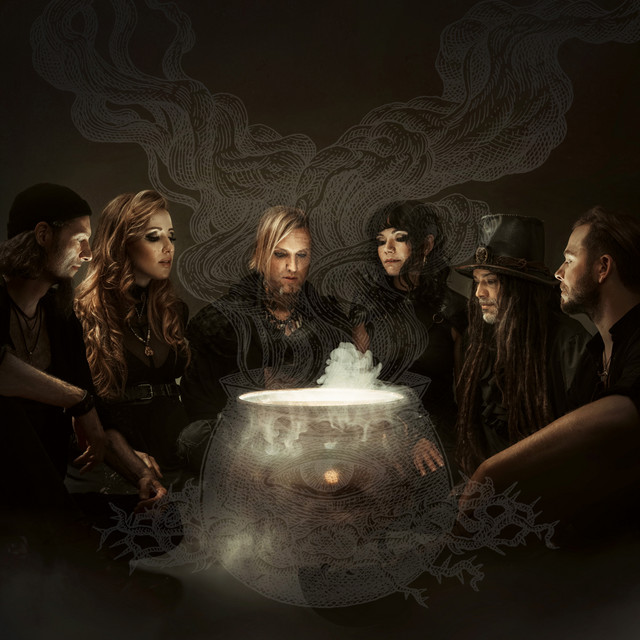
Faun
Medieval Rock
Folk
Neofolk
2
/5
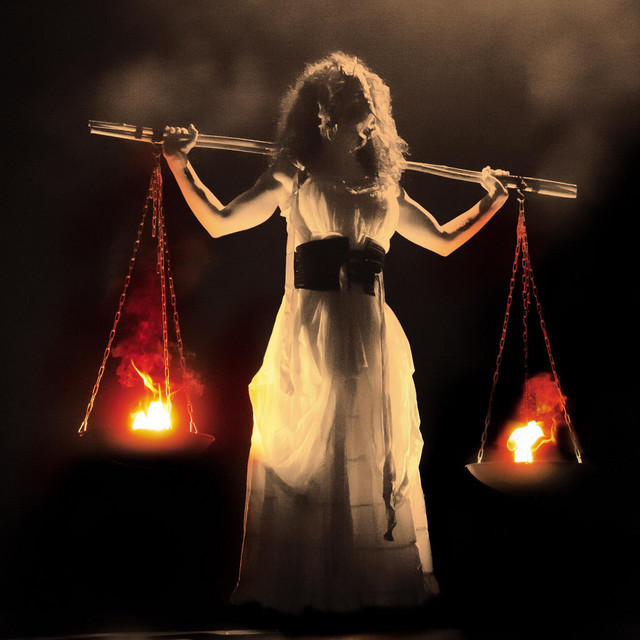
Daemonia Nymphe
Greek Folk Music
Greek Music
Ancient Greek Music
5
/5
Lil Wayne
Hip Hop
Rap
Dirty South
5
/5
Disney
Comedy
Show Tunes
Wrestling
5
/5
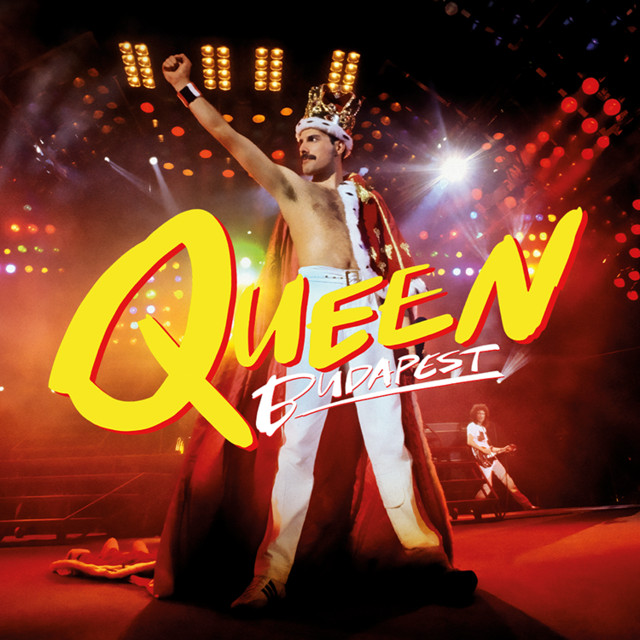
Queen
Glam Rock
Rock
Hard Rock
5
/5
A.R. Rahman
Bollywood
Filmi
Sufi
5
/5
Phoebe Bridgers
Indie Pop
Folk
Indie Folk
5
/5
Billy Joel
Piano Rock
Pop Rock
Pop
Download our mobile app
Get the Melodigging app and start digging for new genres on the go
Download on the App Store
Get it on Google Play
© 2026 Melodigging
Give feedback
Legal
Melodding was created as a tribute to
Every Noise at Once
, which inspired us to help curious minds keep digging into music's ever-evolving genres.