Genres
Artists
Albums
Make Music
Sign in
Sign in
Artists
New England Experimental
Artists
New England Experimental
Kites
2005
·
1 album
Listen
1
/5
Genres
Ambient Folk
Ambient folk blends the acoustic intimacy of folk with the spacious sound design of ambient music. Fingerpicked guitars, soft vocals, and organic instruments are layered with drones, reverb-drenched pads, and field recordings to create a hushed, immersive atmosphere. The style favors slow tempos, minimal percussion, and modal or diatonic harmonies, often allowing chords to ring while textures evolve gradually. The result is music that feels pastoral and introspective, equally suited to close listening and quiet, reflective spaces.
Discover
Listen
New England Experimental
New England experimental refers to the loose, DIY-rooted experimental music ecosystem centered in the U.S. New England region—especially Providence, Rhode Island, and Massachusetts—where noise, free improvisation, art-damaged rock, and psych-folk cross-pollinated in the late 1990s and 2000s. The scene is best known for Providence’s Fort Thunder orbit (Lightning Bolt, Mindflayer) and Western/greater Massachusetts free‑folk collectives (Sunburned Hand of the Man), whose practices fused punk’s energy with exploratory methods, guerrilla performance, cassette culture, and gallery/warehouse spaces. These artists favored visceral drums-and-bass assaults, contact‑mic’d electronics, extended techniques, and long-form improvisation alongside lo‑fi documentation and small-run releases.
Discover
Listen
Fort Thunder Scene
The Fort Thunder scene refers to a mid/late‑1990s DIY art‑and‑noise community centered around the Fort Thunder warehouse in Providence, Rhode Island. It fused blistering noise rock, no wave abrasion, hardcore punk energy, and comic‑book/screen‑print visual culture into immersive floor‑level performances. Musically, it favored maximal volume, distorted bass guitar (often the only stringed instrument), hyperactive polyrhythmic drumming, clattering electronics, contact‑miked objects, and improvised/through‑composed structures that prized texture and momentum over conventional harmony. Aesthetically, shows were carnivalesque: masks and costumes, hand‑silkscreened posters, projections, and sculptural set pieces turned concerts into total environments. Although place‑specific, the Fort Thunder scene became a shorthand for a raw, ecstatic, visual‑arts‑driven strain of American noise/experimental rock that spread via touring, zines, tapes, and labels like Load Records.
Discover
Listen
Anti-Folk
Anti-folk is a subversive, DIY-minded offshoot of folk that blends the confessional songwriting of the 1960s coffeehouse scene with the irreverence, speed, and attitude of punk. It favors raw, often lo-fi production, simple chord progressions, direct melodies, and sardonic, self-aware lyrics that skewer both mainstream pop and earnest folk orthodoxy. Performances typically feel intimate and unvarnished, privileging personality, humor, and immediacy over polish. The scene coalesced around New York City’s Lower East Side/East Village in the 1980s and 1990s, later inspiring companion scenes in the UK and Europe. Anti-folk’s tone ranges from playful and comedic to biting and political, but it consistently celebrates individuality, candor, and a hand-made aesthetic.
Discover
Listen
Noise Rock
Noise rock is a subgenre of rock that deliberately embraces distortion, feedback, dissonance, and abrasive textures as primary musical materials rather than mere effects. It prioritizes timbre, volume, and sonic density over conventional melody and harmony, often using nonstandard tunings, prepared or detuned guitars, and extended techniques to generate harsh overtones and sheets of sound. Rhythm sections tend to be driving and repetitive, anchoring the chaos with motorik pulses, lurching grooves, or pummeling, minimal patterns. Vocals range from spoken and murmured to shouted and cathartic, with lyrics that skew cryptic, confrontational, or surreal. Aesthetically, noise rock traces a line from punk’s anti-virtuosity and DIY ethos through no wave’s iconoclasm and the avant-garde’s interest in sound-as-sound, yielding music that can be physically intense, psychologically unsettling, and artistically exploratory.
Discover
Listen
Experimental
Experimental music is an umbrella term for practices that prioritize exploration, process, and discovery over adherence to established genre norms. It embraces new sound sources, nonstandard tuning systems, indeterminacy and chance operations, graphic and open-form scores, extended techniques, and technology-led sound design (tape, electronics, computers, and live processing). Rather than a single style, it is a methodology and ethos: testing hypotheses about sound, structure, and performance, often blurring boundaries between composition, improvisation, sound art, and performance art. Listeners can expect unfamiliar timbres, unusual forms, and an emphasis on how music is made as much as the resulting sound.
Discover
Listen
Albums
2005
1
/5
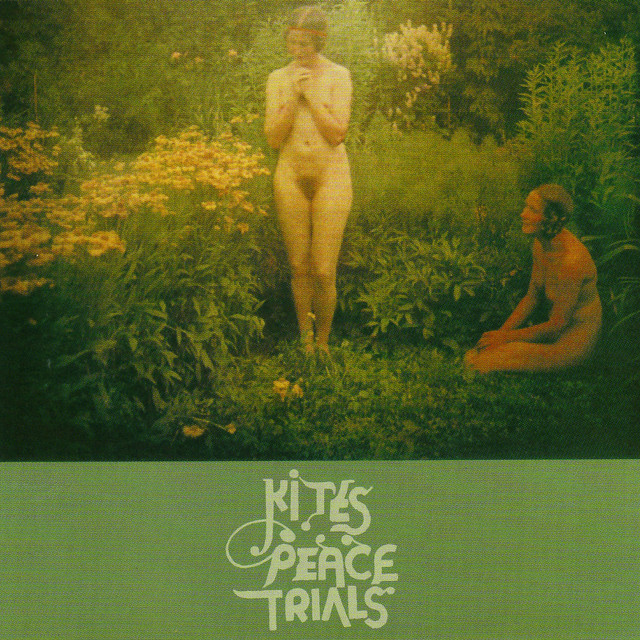
Peace Trials
Kites
Fort Thunder Scene
New England Experimental
Similar artists
1
/5
Various Artists
Afro-Funk
Alternative Rock
Ambient
1
/5
Alvin Lucier
Acousmatic
New England Experimental
Sound Art
2
/5
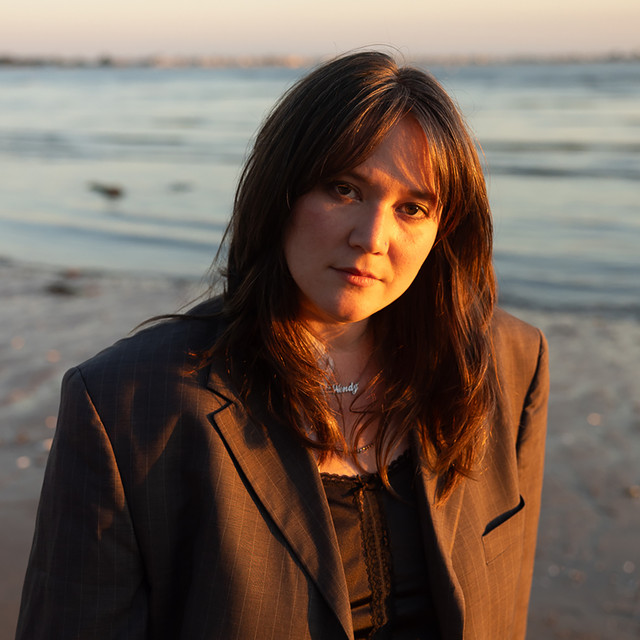
Wendy Eisenberg
New England Experimental
Free Jazz
Experimental
3
/5
Swans
Experimental Rock
Post-Rock
No Wave
3
/5
black midi
Windmill Scene
Math Rock
Noise Rock
3
/5
Boris
Gaian Doom
Drone
Drone Metal
3
/5
Einstürzende Neubauten
Industrial
Experimental
Avant-Garde
2
/5
Throbbing Gristle
Industrial
Avant-Garde
Ebm
2
/5
The Residents
Experimental
Minimal Wave
Post-Punk
2
/5
Melt-Banana
Noise
Noise Rock
Noisecore
Download our mobile app
Get the Melodigging app and start digging for new genres on the go
Download on the App Store
Get it on Google Play
© 2026 Melodigging
Give feedback
Legal
Melodding was created as a tribute to
Every Noise at Once
, which inspired us to help curious minds keep digging into music's ever-evolving genres.