Genres
Artists
Albums
Make Music
Sign in
Sign in
Artists
Twist
Artists
Twist
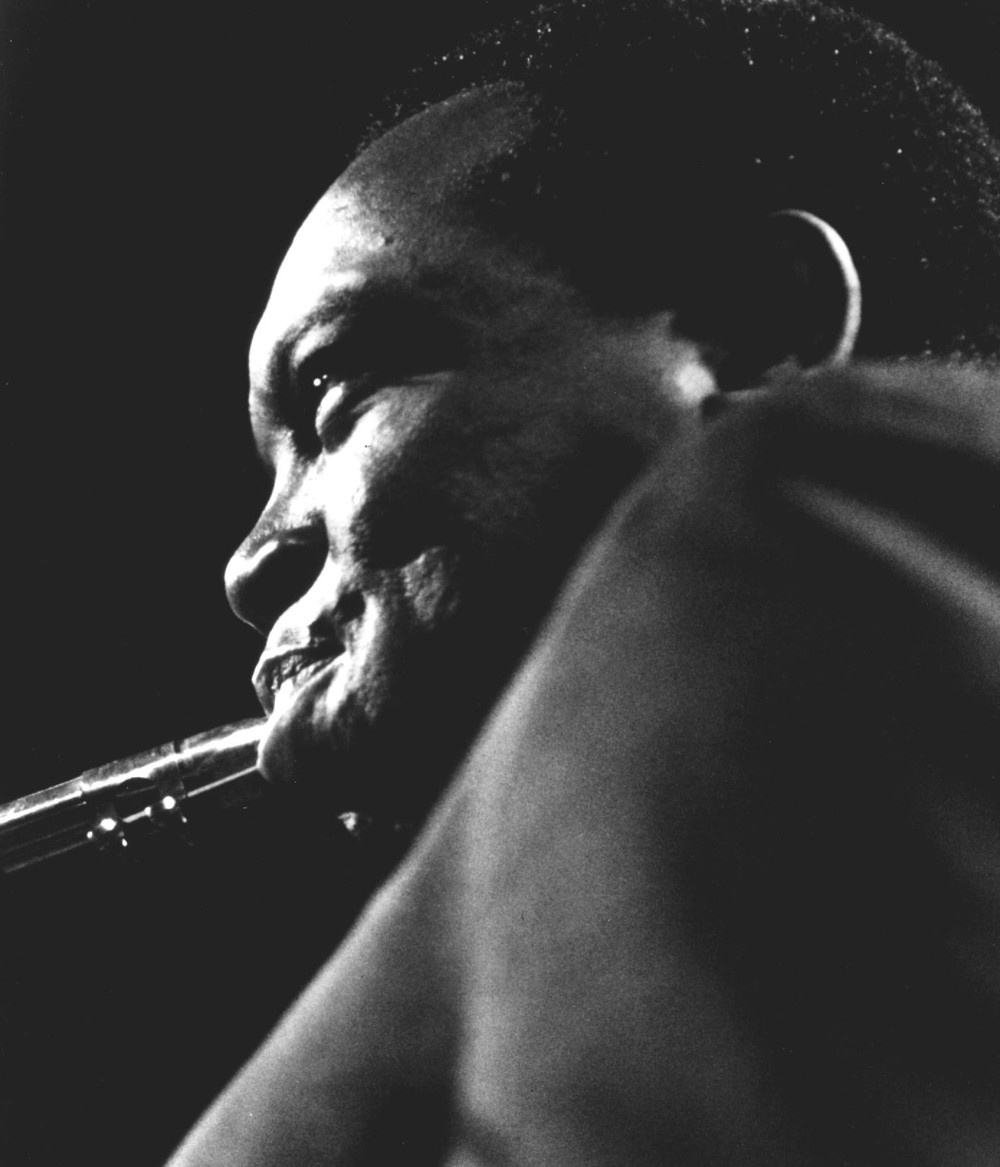
King Curtis
2009
·
4 albums
Listen
3
/5
Genres
Twist
Twist is an early 1960s dance-oriented style of rock and roll/R&B built around a driving 4/4 backbeat, simple chord changes, and lyrics that explicitly invite the audience to dance. Its signature songs—sparked by Hank Ballard’s “The Twist” and made world-famous by Chubby Checker’s 1960 cover—feature medium-to-up-tempo grooves, strong snare accents on beats two and four, call‑and‑response hooks, and concise instrumental breaks (often saxophone or guitar). The music is purpose-built for the iconic “twist” dance: feet planted, hips and torso swiveling, with a clean, straight‑eighth feel rather than a swing shuffle. Beyond the U.S., the twist became a global craze, inspiring localized variants and feeding into contemporaneous youth pop movements across Europe and Latin America.
Discover
Listen
Soul Jazz
Soul jazz is a groove-forward branch of jazz that blends the improvisational language of hard bop with the churchy harmonies of gospel and the backbeat of rhythm & blues. It favors memorable riffs, earthy tones, and a strong, danceable pulse over dense harmonic complexity. Typical settings include Hammond B-3 organ trios (organ, guitar, drums) or small combos with saxophone or trumpet. Tunes often use blues forms, minor-key vamps, and gospel cadences, featuring call-and-response figures, pentatonic and blues-scale lines, and a relaxed but insistent pocket. The overall aesthetic is warm, direct, and soulful—equally at home in jazz clubs, lounges, and on the radio.
Discover
Listen
Soul
Soul is a genre of popular music that blends the spiritual fervor and vocal techniques of African‑American gospel with the grooves and song forms of rhythm & blues and the harmonic palette of jazz and blues. It is defined by impassioned, melismatic lead vocals; call‑and‑response with backing singers; handclaps and a strong backbeat; syncopated bass lines; and memorable horn or string riffs. Typical instrumentation includes drum kit, electric bass, electric guitar, piano or Hammond organ, horns (trumpet, saxophone, trombone), and sometimes orchestral strings. Lyrically, soul ranges from love and heartbreak to pride, social commentary, and spiritual yearning. Regionally distinct scenes—such as Detroit’s Motown, Memphis/Stax, Muscle Shoals, Chicago, New Orleans, and Philadelphia—shaped different flavors of soul, while the style’s emotional directness and rhythmic drive made it a cornerstone of later funk, disco, contemporary R&B, and hip hop.
Discover
Listen
R&b
R&B (Rhythm and Blues) is a vocal- and groove-centered popular music tradition that blends blues tonality, jazz harmony, and gospel-inflected singing with a steady backbeat. It emphasizes expressive lead vocals, call-and-response, lush harmonies, and danceable rhythms. From its 1940s roots in African American communities to its later evolutions, R&B has continually absorbed and reshaped surrounding sounds—from jump blues and swing in the early days to soul, funk, hip hop, and electronic production in the contemporary era. Today, R&B ranges from intimate, slow-burning ballads to club-ready tracks, all tied together by a focus on feel, melody, and vocal performance.
Discover
Listen
Jazz Blues
Jazz blues is a hybrid idiom that merges the expressive, melodic language and 12‑bar song forms of the blues with the harmony, improvisational vocabulary, and rhythmic feel of jazz. Typically, it retains a blues structure (often the 12‑bar form) while enriching it with jazz devices such as ii–V progressions, secondary dominants, turnarounds, tritone substitutions, and extended chords (9ths, 11ths, 13ths). The feel commonly swings, with walking bass lines, comping on piano or guitar, blue notes, call‑and‑response phrasing, and solos that mix blues scales with mixolydian and bebop lines. The result ranges from earthy shuffles to urbane, harmonically sophisticated vehicles for improvisation, sitting comfortably between New Orleans roots, Kansas City riff traditions, and modern bop language.
Discover
Listen
Ballad
A ballad is a narrative song form that tells a story in simple, singable stanzas, traditionally using quatrains in ballad meter (alternating lines of iambic tetrameter and trimeter with an ABCB rhyme scheme). Ballads typically recount dramatic events—love, betrayal, tragedy, murder, the supernatural—or notable historical incidents. Early ballads were often sung unaccompanied or with minimal accompaniment, carried by memorable, modal melodies and refrains that aided oral transmission. Over time, the term also came to describe slow, sentimental popular songs in the 20th century, but the core of the genre remains the storytelling focus and strophic, easily learned structure. Ballads are central to the English- and Scots-language folk traditions, migrated to North America where they flourished in Appalachian singing, and continue to be performed, adapted, and reinterpreted in contemporary folk and roots scenes.
Discover
Listen
Albums
2009
2
/5
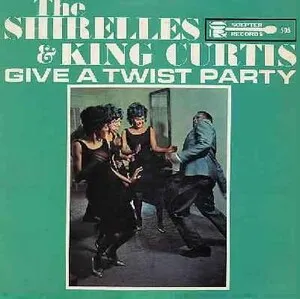
Give a Twist Party
The Shirelles & King Curtis
Twist
Ballad
R&b
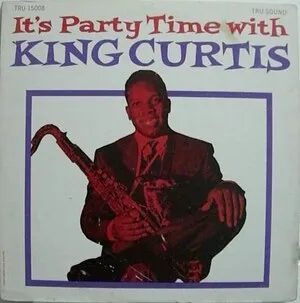
It's Party Time With King Curtis
King Curtis
Twist
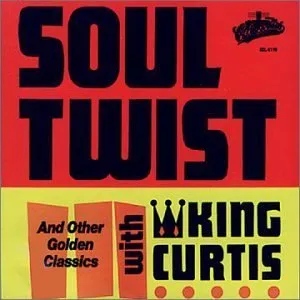
Soul Twist and Other Golden Classics
King Curtis
Twist
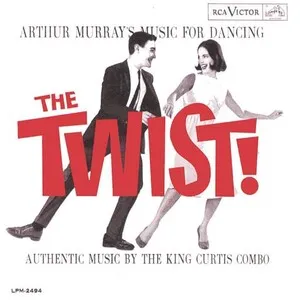
The Twist!
King Curtis
Twist
Similar artists
1
/5
Various Artists
Afro-Funk
Alternative Rock
Ambient
4
/5
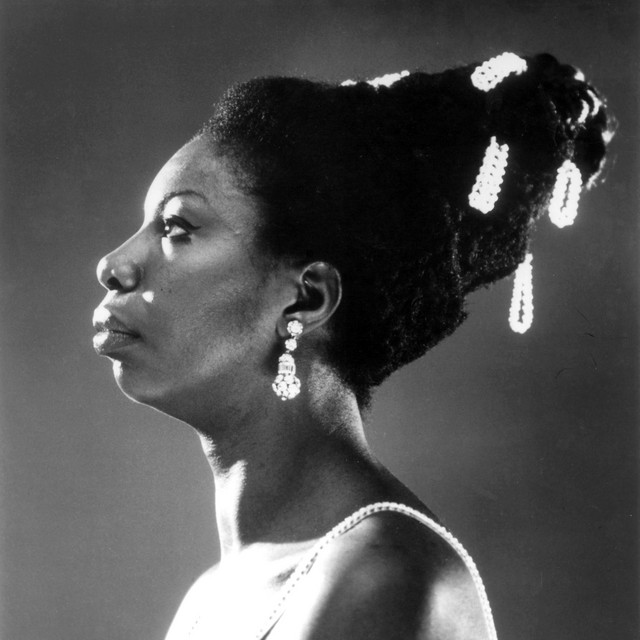
Nina Simone
Jazz
Soul Jazz
Vocal Jazz
4
/5
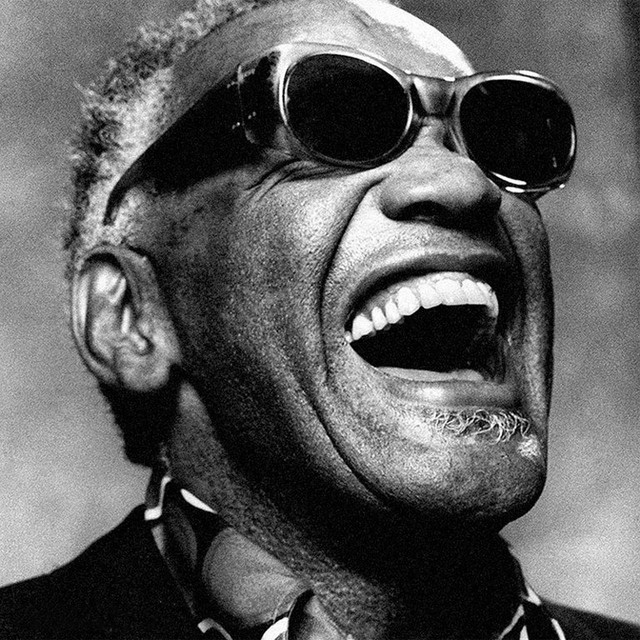
Ray Charles
Piano Blues
Jazz Blues
Soul
3
/5
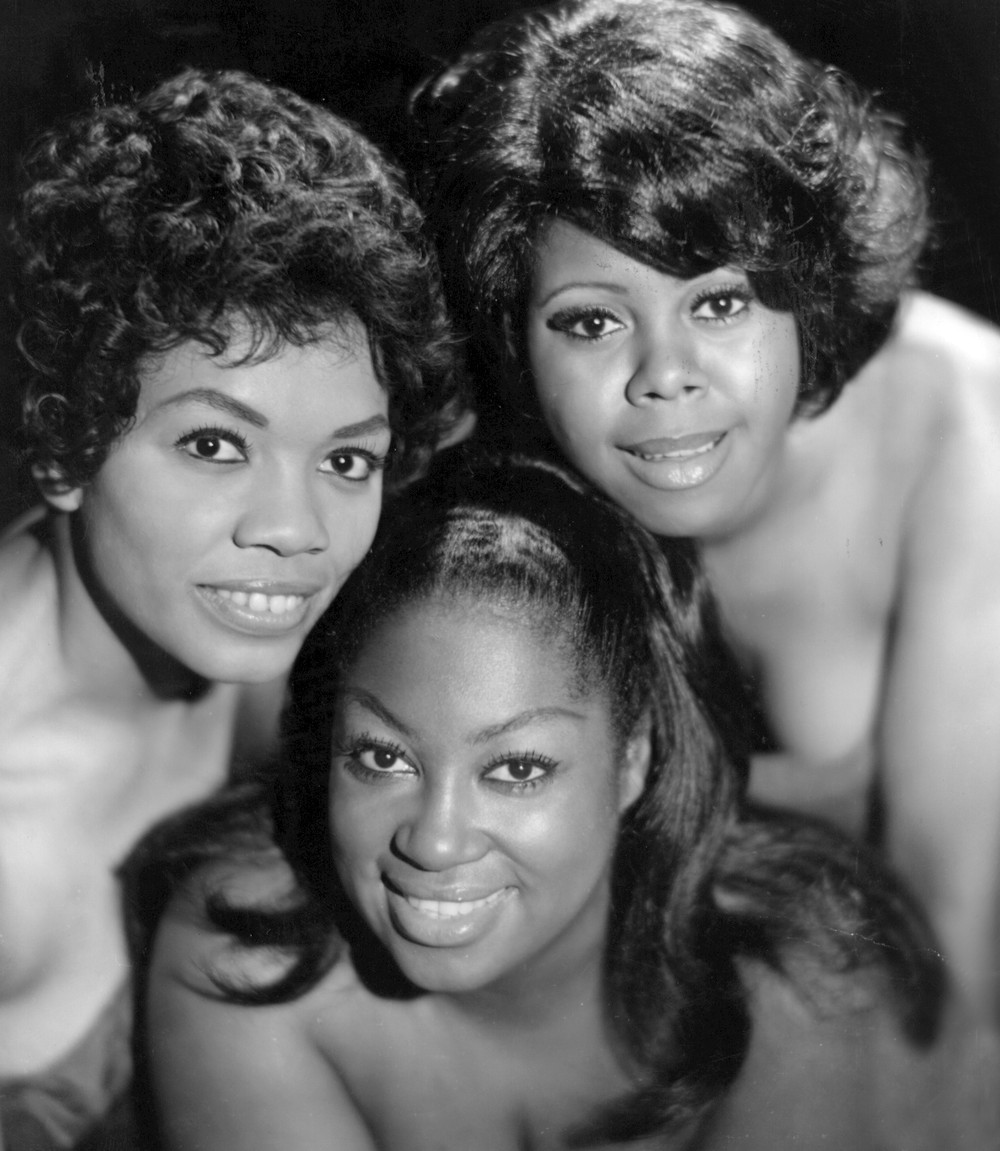
The Shirelles
Doo-Wop
Girl Group
Motown
4
/5
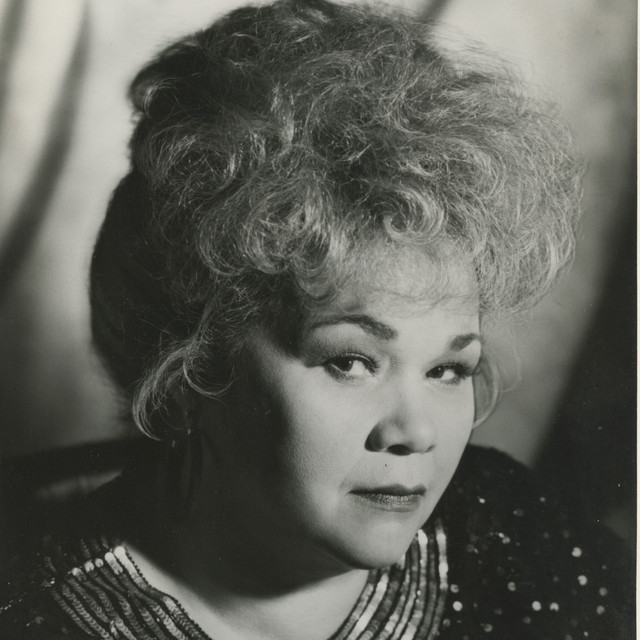
Etta James
Soul
Blues
Soul Blues
5
/5
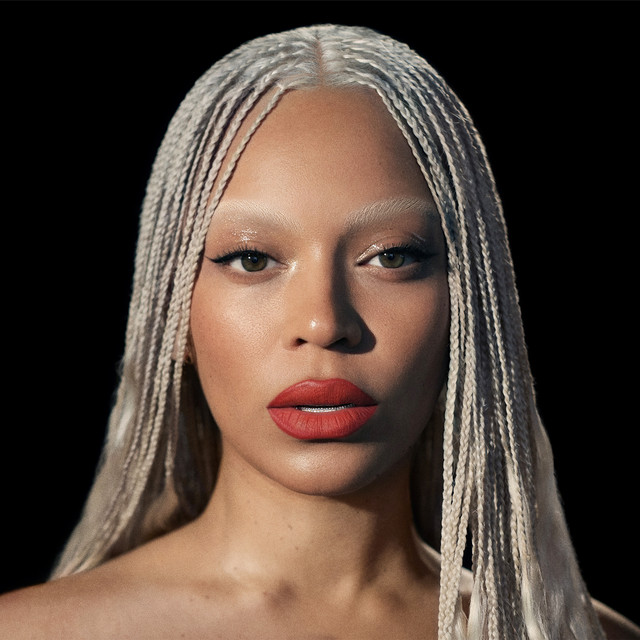
Beyoncé
Contemporary R&b
Pop
R&b
5
/5
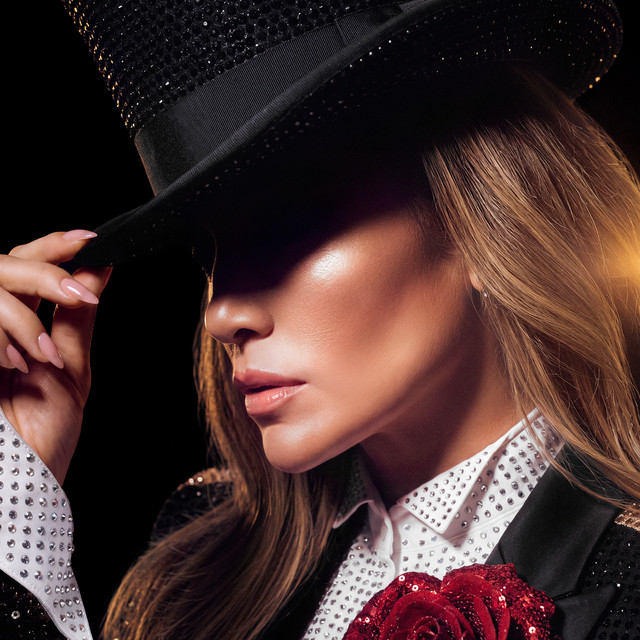
Jennifer Lopez
Pop
Contemporary R&b
Dance-Pop
4
/5
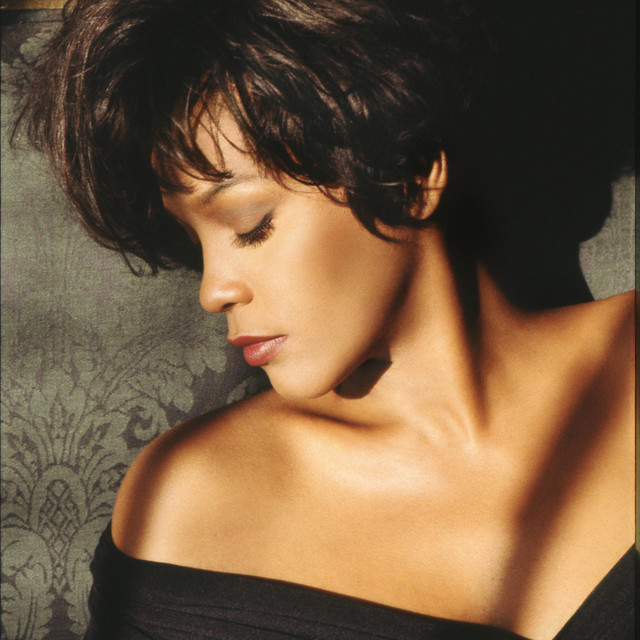
Whitney Houston
Pop
R&b
Adult Contemporary
4
/5
Prince
Funk
Minneapolis Sound
Synth Funk
4
/5
Marvin Gaye
Motown
Soul
Northern Soul
Download our mobile app
Get the Melodigging app and start digging for new genres on the go
Download on the App Store
Get it on Google Play
© 2026 Melodigging
Give feedback
Legal
Melodding was created as a tribute to
Every Noise at Once
, which inspired us to help curious minds keep digging into music's ever-evolving genres.