Genres
Artists
Albums
Make Music
Sign in
Sign in
Artists
Baroque
Artists
Baroque
Kimberly Barber
Listen
1
/5
Genres
Impressionism
Impressionism in music is a late-19th- and early-20th-century style that prioritizes color, atmosphere, and suggestion over overt drama and functional harmonic progressions. Originating in France, it parallels the visual arts movement in its fascination with light, timbre, and fleeting impressions. Musically, the style favors modal, pentatonic, and whole‑tone materials; parallel (planed) chords; unresolved dissonances; and ambiguous tonal centers. Rhythms are flexible and often blur a sense of strong meter, while textures shimmer through delicate orchestration, pedal tones, and arpeggiated figures. Rather than strict sonata designs, impressionist works tend to be episodic, evocative, and programmatic, conjuring landscapes, water, night, and dreamlike states.
Discover
Listen
Baroque
Baroque is a period and style of Western art music spanning roughly 1600–1750. It is characterized by the birth of functional tonality, the widespread use of basso continuo (figured bass), and a love of contrast—between soloist and ensemble, loud and soft, and different timbres. Hallmark genres and forms of the era include opera, cantata, oratorio, concerto (especially the concerto grosso), dance suite, sonata, and fugue. Textures range from expressive monody to intricate counterpoint, and melodies are richly ornamented with trills, mordents, and appoggiaturas. Baroque music flourished in churches, courts, and theaters across Europe, with regional styles (Italian, French, German, English) shaping distinctive approaches to rhythm, dance, harmony, and ornamentation.
Discover
Listen
Opera
Opera is a large-scale theatrical genre that combines music, drama, and visual spectacle, in which the story is primarily conveyed through singing accompanied by an orchestra. It unites solo voices, ensembles, and chorus with staging, costumes, and often dance to create a total artwork. Emerging in late Renaissance Italy and flourishing in the Baroque era, opera developed signature forms such as recitative (speech-like singing that advances the plot) and aria (lyrical numbers that explore character and emotion). Over the centuries it evolved diverse national styles—Italian bel canto, French grand opéra, German music drama—while continually experimenting with orchestration, harmony, narrative structure, and stagecraft.
Discover
Listen
Similar artists
1
/5
Emőke Baráth
Baroque
Impressionism
Opera
1
/5
Various Artists
Soundtrack
Afro-Funk
Alternative Rock
4
/5
Daniel Barenboim
Impressionism
Classical
Chamber Music
3
/5
Jean-Philippe Rameau
Classical
Opera-Ballet
Tragédie En Musique
3
/5
Orchestre national de France
Classical
Opera
Concerto
4
/5
Berliner Philharmoniker
Classical
Symphony
Romantic Classical
4
/5
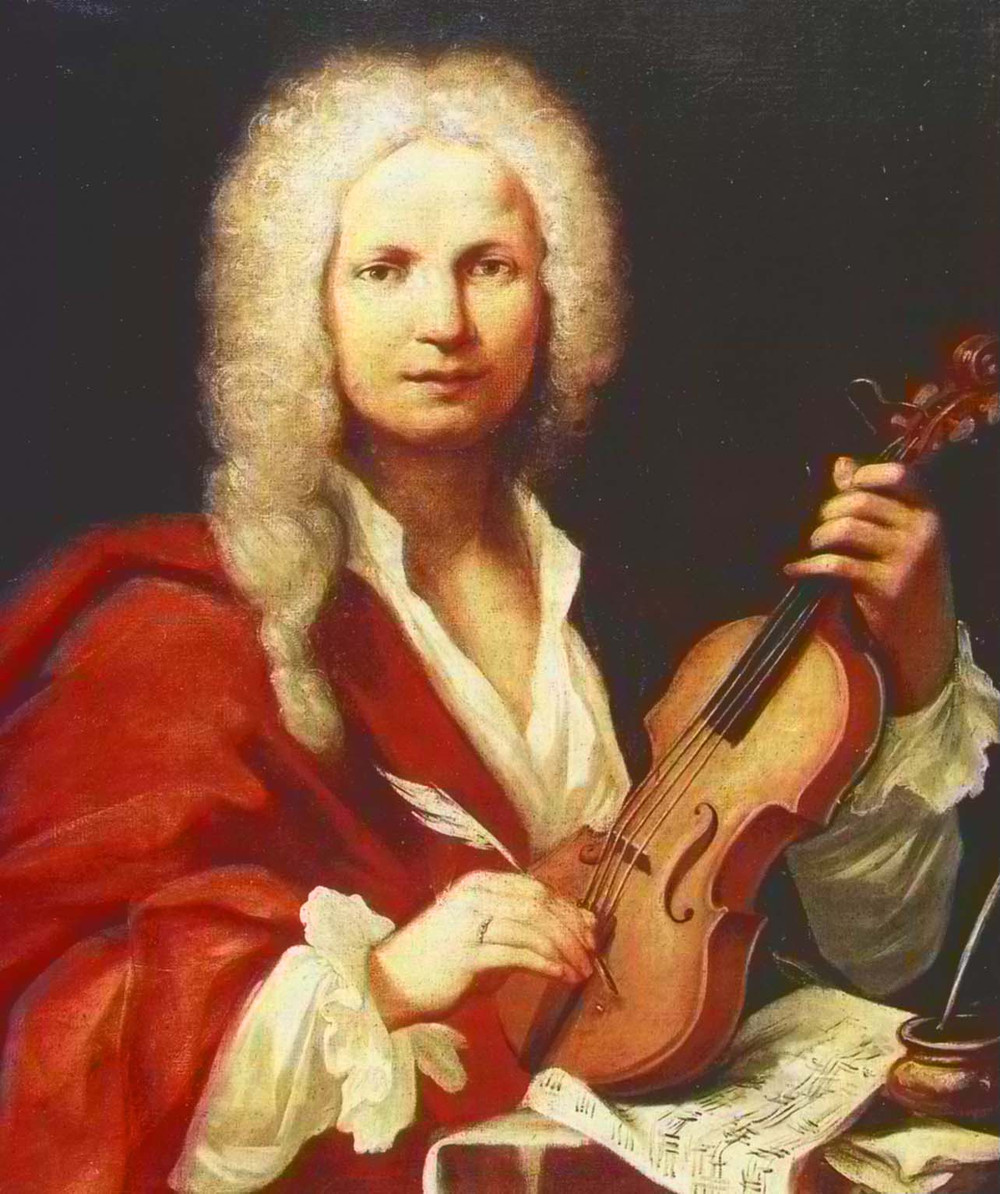
Antonio Vivaldi
Baroque
Classical
Opera Seria
4
/5
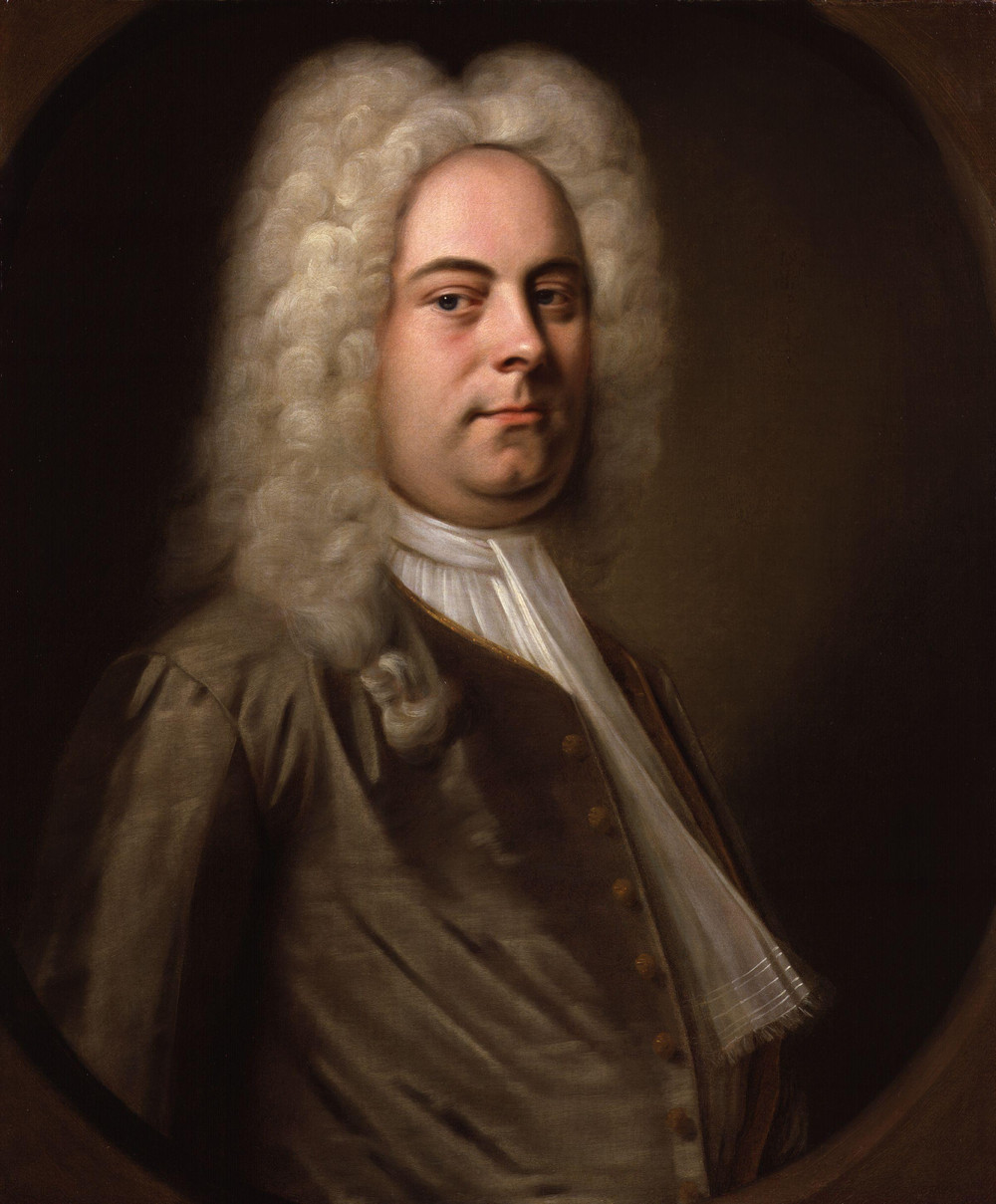
George Frideric Handel
Classical
Opera Seria
Classical Countertenor
4
/5
Claudio Abbado
Classical
Concerto
Expressionism
4
/5
English Chamber Orchestra
Baroque
Classical
Concerto
Download our mobile app
Get the Melodigging app and start digging for new genres on the go
Download on the App Store
Get it on Google Play
© 2026 Melodigging
Give feedback
Legal
Melodding was created as a tribute to
Every Noise at Once
, which inspired us to help curious minds keep digging into music's ever-evolving genres.