Genres
Artists
Albums
Make Music
Sign in
Sign in
Artists
Classical Crossover
Artists
Classical Crossover
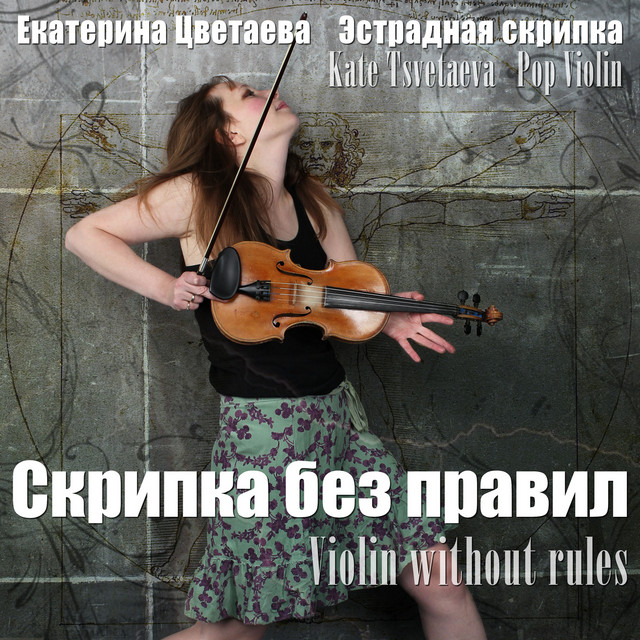
Kate Tsvetaeva Pop Violin
Listen
2
/5
Genres
Classical Crossover
Classical crossover blends elements of Western classical music with popular styles to create accessible, cinematic, and vocally forward repertoire. It typically keeps classical vocal technique or orchestral timbres while adopting pop song structures, contemporary production, and ear‑catching hooks. Arrangements often feature lush strings, piano, and choir, with dramatic dynamic arcs and key changes. Repertoire may include pop-influenced originals, classical themes with new lyrics, and reinterpretations of opera arias or film melodies, frequently sung in English, Italian, or Latin. The genre is designed for broad appeal without abandoning the polish and gravitas of classical performance, bridging concert hall aesthetics and mainstream listening contexts.
Discover
Listen
Classical Electronic Music
Electronic classical is a crossover tradition that applies classical composition techniques, forms, and aesthetics to electronic sound sources and studio practices. It spans from post‑war tape and oscillator experiments by academic composers to later synthesizer reinterpretations of the classical canon and, more recently, hybrid concert works for strings, piano, and electronics. Typical traits include orchestral or chamber writing adapted for electronic timbres, through‑composed structures, extended techniques captured and processed, and a palette that ranges from pure sine tones and noise to lush analog pads and granular textures.
Discover
Listen
Tango
Tango is a song-and-dance music from the Río de la Plata region, crystallizing in Buenos Aires (Argentina) and Montevideo (Uruguay) in the late 19th century. It is characterized by a melancholic, dramatic tone; richly expressive melodies; and a distinctive rhythmic feel rooted in the habanera and milonga. Core ensembles feature bandoneón, violin(s), piano, double bass, and sometimes guitar, forming the famed orquesta típica. Across the 1920s–1950s it became a worldwide craze, moving from rough immigrant bars to grand salons and radio, developing highly sophisticated arranging and performance practices. Lyrics often employ lunfardo (Buenos Aires slang) and dwell on urban nostalgia, love, betrayal, and the neighborhood (el barrio). Note on terminology: in flamenco, “tangos” is a distinct palo (song form) with a lively 4/4 compás, often in A Phrygian, closely related in feeling to rumba flamenca. Although it shares the name and a spirited character, flamenco tangos is a different tradition from the Río de la Plata tango described above.
Discover
Listen
Similar artists
3
/5
Amadeus
Classical Crossover
Classical Electronic Music
2
/5
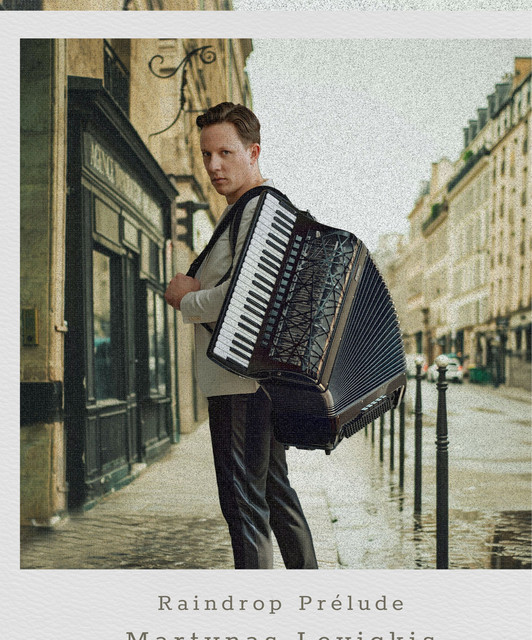
Martynas
Classical Crossover
Tango
Classical Accordion
2
/5
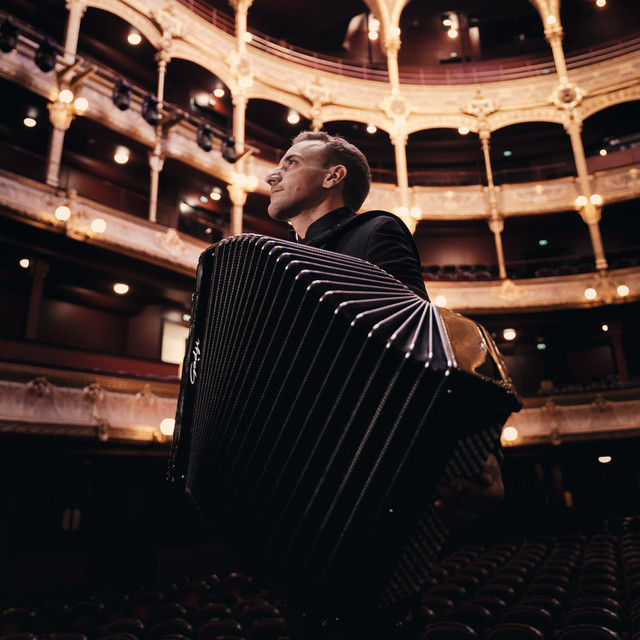
Félicien Brut
Classical Crossover
Tango
2
/5
Blanche Stromboni
Classical Crossover
Tango
Grigorii Palamarchuk
Classical
Classical Crossover
Instrumental
4
/5
Ludovico Einaudi
Classical
Contemporary Classical
Compositional Ambient
4
/5
Andrea Bocelli
Opera
Classical
Pop
4
/5
Mili
Otacore
Classical Crossover
Anime
4
/5
Lindsey Stirling
Bow Pop
Pop Violin
Classical
4
/5
Luciano Pavarotti
Canzone Napoletana
Classical
Opera
Download our mobile app
Get the Melodigging app and start digging for new genres on the go
Download on the App Store
Get it on Google Play
© 2026 Melodigging
Give feedback
Legal
Melodding was created as a tribute to
Every Noise at Once
, which inspired us to help curious minds keep digging into music's ever-evolving genres.