Genres
Artists
Albums
Make Music
Sign in
Sign in
Artists
Bounce
Artists
Bounce
JUVENILE
1997–1998
·
2 albums
Listen
4
/5
Genres
Deep Southern Trap
Deep southern trap is a moody, bass-forward branch of Southern U.S. trap distinguished by subterranean 808 subs, sparse but hard-hitting drums, and minor-key, cinematic textures. It places atmosphere and low‑end pressure at the center, often pairing sliding 808s with ominous pads, bells, or plucked synths that leave ample space for the vocal. The tempo typically sits around 60–75 BPM (or 120–150 BPM double‑time), with half‑time bounce, triplet hi‑hat rolls, and tightly quantized snares/claps. Lyrically it ranges from street reportage and survival narratives to introspective, codeine‑slow melancholia—punctuated by ad‑libs and heavily processed vocals. The overall aesthetic is dark, weighty, and immersive, optimized as much for car systems as for headphones.
Discover
Listen
Trap Soul
Trap soul is a fusion of contemporary R&B singing and songwriting with the sonic palette and rhythmic feel of trap. It features moody, minor‑key harmonies; airy pads and Rhodes/piano textures; deep 808 sub‑bass with glides; and skittering hi‑hat rolls and halftime drum patterns. Vocals often blend crooning and rapping, with intimate, confessional lyrics about love, heartbreak, desire, ambition, and late‑night introspection. The production is typically spacious and minimal, prioritizing atmosphere and groove over density. Subtle Auto‑Tune, layered ad‑libs, and lush reverbs/delays are common, giving tracks a nocturnal, cinematic feel.
Discover
Listen
Ratchet Music
Ratchet music is a minimalist, club-focused strain of West Coast hip hop that coalesced in the early 2010s, most closely associated with Los Angeles producer DJ Mustard. It emphasizes sparse drum programming built from 808 kicks, handclaps, crisp hi‑hats, and simple percussive fills; bouncy tempos around 95–105 BPM; short, catchy synth or piano stabs; and a weighty sub‑bass that leaves ample space for vocals. Culturally and lyrically, it channels “ratchet” party culture and slang—rooted in Louisiana (notably Shreveport’s nickname “Ratchet City”) and amplified by the L.A. party scene—favoring braggadocio, nightlife, flirtation, and chant‑able hooks over dense lyricism. The result is a stripped‑down, hook‑driven sound engineered for dance floors and radio rotation.
Discover
Listen
The Wave
The Wave is a loosely defined cluster of American post-hardcore/emo bands that surged in the early 2010s as emo-pop’s mainstream moment faded. The name was a tongue‑in‑cheek scene tag that stuck in press coverage, but it points to a real overlap in sound, ethos, and touring networks. Musically, The Wave fuses the urgency of 1990s post‑hardcore and screamo with confessional, literate lyric writing associated with emo. Expect shouted or half‑sung/half‑spoken vocals, dynamic quiet‑loud builds, intricate but driving drums, and guitar textures that shift between glassy clean arpeggios and overdriven, emotive climaxes. The songs often emphasize catharsis, narrative detail, and community-minded DIY presentation.
Discover
Listen
Electronic Trap
Electronic trap is a club-oriented hybrid that fuses modern trap’s drum language (punchy 808 kicks, snappy snares, fast hi-hat rolls) with EDM sound design and festival-style arrangement. Compared to rap-first trap, electronic trap is typically more instrumental and drop-driven, with dramatic buildups, heavy bass drops, and highly processed synths. Common sonic traits include distorted 808 subs, aggressive lead synths, chopped or pitched vocal samples, and big FX transitions (risers, impacts, sweeps). The overall focus is energy, bass weight, and crowd impact on large sound systems.
Discover
Listen
Anime Rap
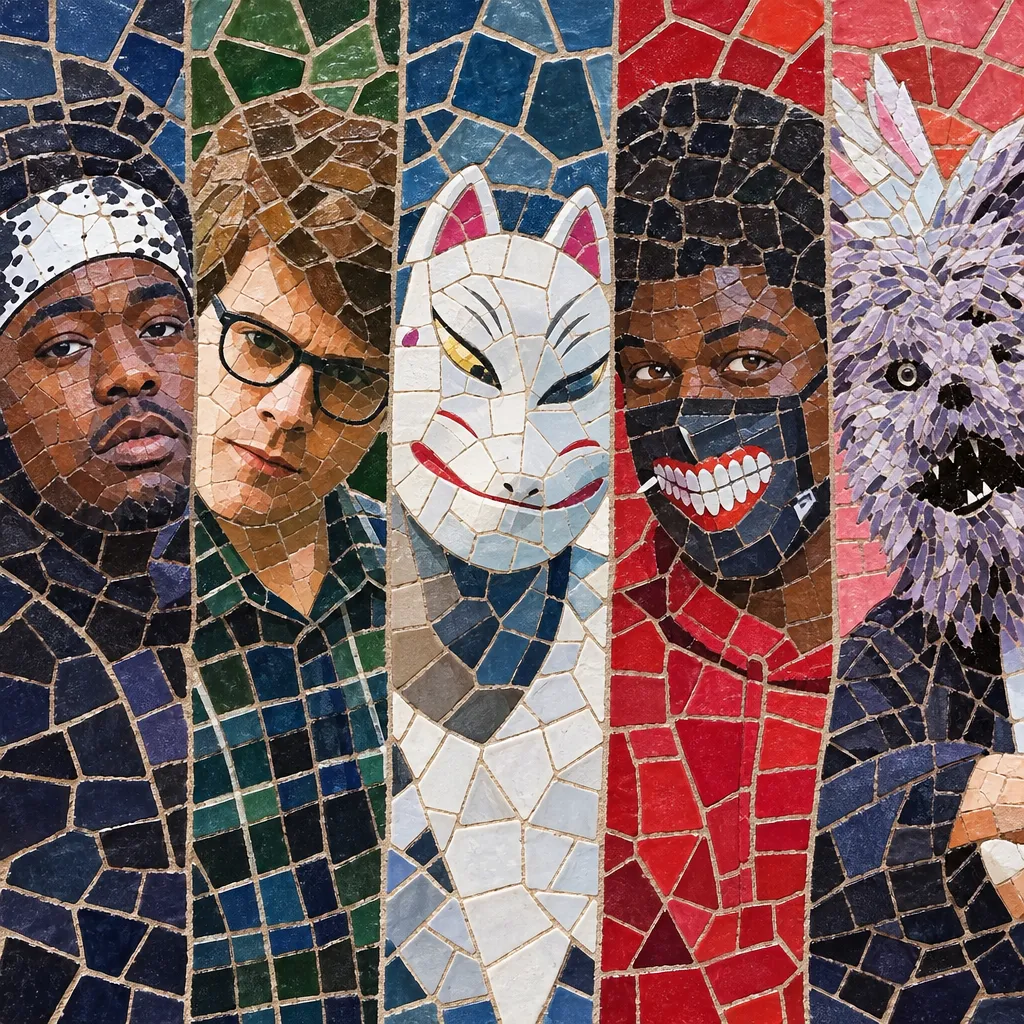
Anime rap is a hip hop microgenre that fuses contemporary rap flows and production with lyrical themes, imagery, and aesthetics drawn from Japanese anime and manga. Typical tracks reference specific characters, arcs, and tropes—especially from shōnen series—while using modern trap or boom-bap frameworks, energetic hooks, and cinematic, "anime opening"-style melodies. Producers often incorporate timbres reminiscent of anime soundtracks and J-pop, such as bright synth leads, string swells, choir stabs, and occasional quotations or re-compositions of anime motifs. The scene grew natively on YouTube and streaming platforms through cyphers, character-themed singles, and AMV-style visuals, creating a global, internet-first community that overlaps with nerdcore but focuses specifically on anime narratives and fandom.
Discover
Listen
Twerk
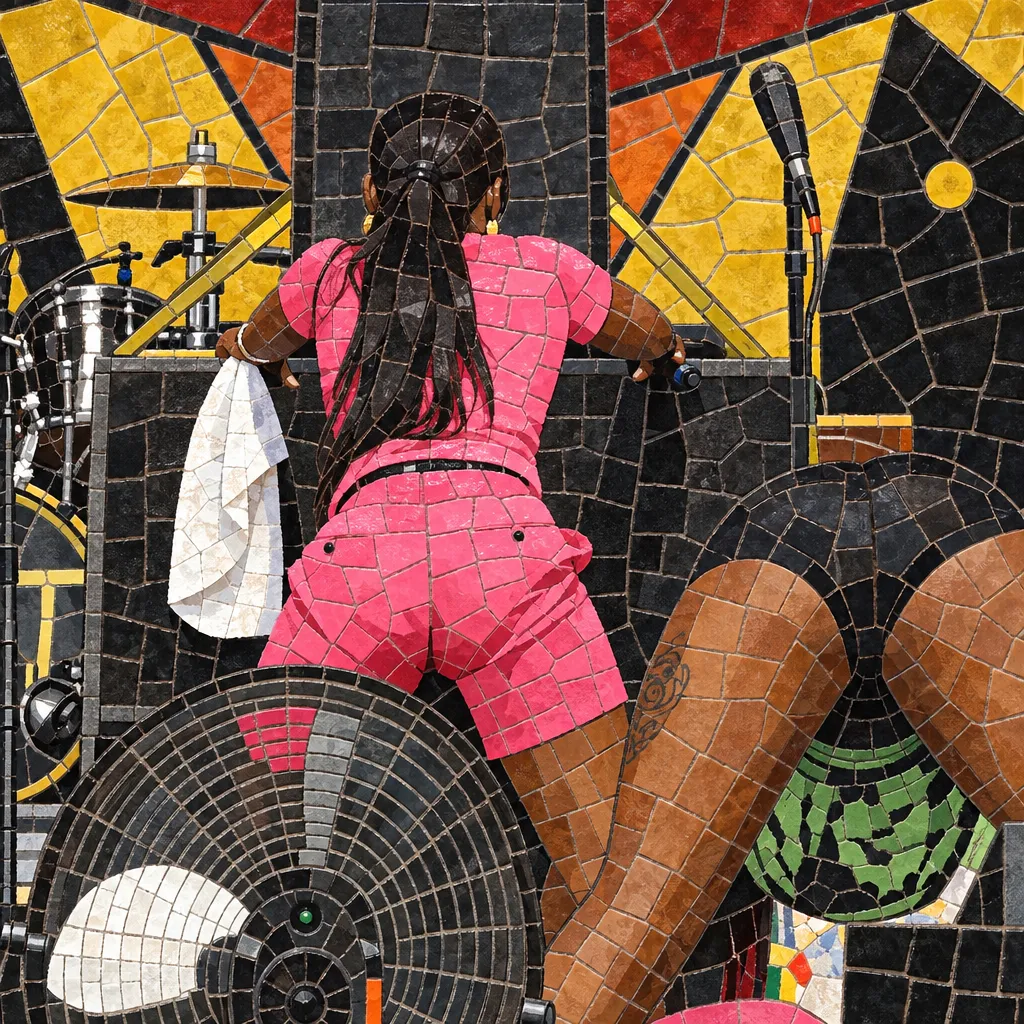
Twerk is a high-energy club and festival style built around pounding 808 bass, head-nodding half‑time grooves at double‑time feel, and chantable hooks designed for the dancefloor. Typically sitting near 95–110 BPM, its percussion borrows the call‑and‑response patterns and bounce of New Orleans Bounce while embracing the sub‑heavy thump and party-forward attitude of Miami Bass. Modern productions often fold in trap-style hi-hats, crowd commands, and minimal, catchy riffs, prioritizing rhythm and movement over complex harmony.
Discover
Listen
Bounce
Bounce is a high-energy regional style of hip hop that emerged in New Orleans in the early 1990s. It is built on fast, repetitive party grooves, commanding chants, and call‑and‑response hooks that directly engage dancers and the crowd. Its signature rhythmic bed centers on the "Triggerman" beat (from the Showboys' 1986 track Drag Rap) and the "Brown Beat" break, usually driven by punchy TR‑808 drums, handclaps, and chopped vocal samples. Lyrics tend to be chant-like, local, and instructional—naming neighborhoods, wards, and housing projects, and cueing specific dance moves (notably twerking). Bounce’s performance tradition connects to New Orleans second‑line and parade culture: it’s communal, percussive, and built for the club and block party. The result is a kinetic, minimal, bass‑forward sound that prioritizes movement, crowd interaction, and relentless momentum.
Discover
Listen
Dirty South
Dirty South is a regional style of hip hop from the American South defined by heavy 808 bass, swaggering grooves, and gritty storytelling delivered with Southern cadence and slang. Sonically, it blends booming low-end, snappy claps/snares, rolling hi-hats, and minor-key synths or soul/blues samples. The mood ranges from menacing and nocturnal to triumphant and club-ready, with hooks that are chantable and often call-and-response oriented. Lyrically, the genre foregrounds street realities, hustling, regional pride, car culture, nightlife, spirituality, and survival. It embraces local production aesthetics such as Miami bass’s sub-pressure, New Orleans bounce’s party energy, Memphis’s dark lo-fi menace, and Houston’s chopped-and-screwed slow-motion vibe.
Discover
Listen
Crunk
Crunk is a high-energy subgenre of Southern hip hop built for the club, the party, and the mosh-like dancefloor. It emphasizes booming 808 sub-bass, hard claps and snares, chantable hooks, and a shouted, call-and-response vocal style that turns the track into a crowd ritual. Typical crunk production relies on drum machines (especially 808s), short synth stabs, brass/string hits, and simple, aggressive grooves with minimal harmonic movement. MCs and hypemen deliver short, imperative lines—often repeated—designed to provoke movement, hype, and collective release. Rising from the Southern United States in the early 1990s and peaking in the mid‑2000s, crunk became one of the most dance- and club‑oriented branches of hip hop, with its influence extending into pop-rap, R&B fusions, and later trap aesthetics.
Discover
Listen
Gangsta Rap
Gangsta rap is a subgenre of hip hop defined by its gritty, street-level storytelling, first‑person narration, and unflinching depictions of crime, policing, poverty, and survival. It foregrounds a hard-hitting vocal delivery over sparse, heavy drum programming and sample-based grooves. Musically, it draws from the foundational elements of hip hop—looped breaks, funk basslines, and turntable aesthetics—while emphasizing menace, swagger, and cinematic detail. Lyrically, it alternates between reportage, braggadocio, social commentary, and personal testimony, often sparking controversy for its explicit content and political provocations. From mid‑1980s origins through the 1990s mainstream, gangsta rap reshaped both the sound and business of hip hop, influencing fashion, language, and global perceptions of urban America.
Discover
Listen
Southern Hip Hop
Southern hip hop is a regional style of hip hop that arose across the American South and is defined by heavy 808 bass, syncopated drum programming, and a distinctive Southern drawl and slang. It blends club-ready rhythms with storytelling about regional pride, street realities, and everyday hustle. Sonically, it ranges from the minimalist, chant-driven energy of New Orleans bounce to the eerie, lo-fi darkness of early Memphis tapes and the syrupy, slowed textures of Houston’s chopped-and-screwed technique. In Atlanta, it incubated trap’s rolling hi-hats and sub-bass, while Miami pushed party-forward, bass-saturated tracks. The genre emphasizes powerful low end, catchy hooks, and call-and-response energy, and it fostered a strong independent label culture (No Limit, Cash Money) that shaped the modern rap business.
Discover
Listen
Hip Hop
Hip hop is a cultural and musical movement that emerged from Black, Latino, and Caribbean communities, centering around rapping (MCing), DJing/turntablism, sampling-based production, and rhythmic speech over beats. It prioritizes groove, wordplay, and storytelling, often reflecting the social realities of urban life. Musically, hip hop is built on drum-centric rhythms (from breakbeats to 808 patterns), looped samples, and bass-forward mixes. Lyrically, it ranges from party anthems and braggadocio to political commentary and intricate poetic forms, with flow, cadence, and rhyme density as core expressive tools. Beyond music, hip hop encompasses a broader culture, historically intertwined with graffiti, b-boying/b-girling (breakdance), fashion, and street entrepreneurship, making it both an art form and a global social language.
Discover
Listen
Rap
Rap is a vocal music style built on the rhythmic, rhymed, and often improvised spoken delivery of lyrics over a beat. It emphasizes flow, cadence, wordplay, and narrative, and is commonly performed over sampled or programmed drum patterns and loops. Emerging from block parties and sound-system culture in the Bronx, New York City, rap became the core vocal expression of hip hop culture alongside DJing, breakdancing, and graffiti. While it is closely linked to hip hop, rap as a technique and genre has also crossed into pop, rock, electronic, and global regional scenes. Musically, rap favors strong drum grooves (breakbeats, 808 patterns), sparse harmony, and loop-based structures that foreground the MC’s voice. Lyrically, it spans party chants and battle brags to intricate internal rhymes, social commentary, reportage, and autobiography.
Discover
Listen
Show all 14 genres
Albums
1998
4
/5
400 Degreez
Juvenile
Bounce
Dirty South
1997
2
/5
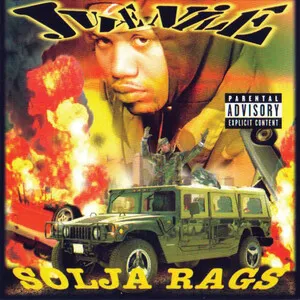
Solja Rags
Juvenile
Dirty South
Gangsta Rap
Similar artists
5
/5
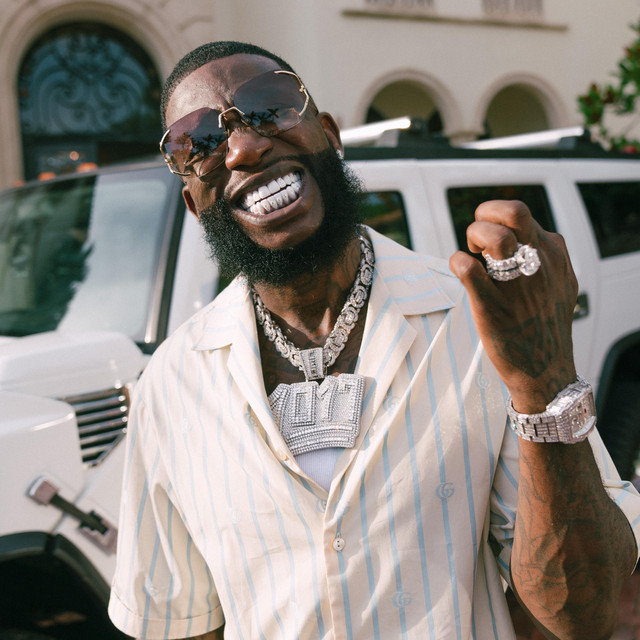
Gucci Mane
Dirty South Rap
Trap
Southern Hip Hop
3
/5
Big Tymers
Bounce
Crunk
Deep Southern Trap
4
/5
Project Pat
Crunk
Gangsta Rap
Southern Hip Hop
3
/5
Master P
Gangsta Rap
Old School Hip Hop
Bounce
4
/5
Lil Jon & The East Side Boyz
Atlanta Bass
Crunk
Hip Hop
4
/5
Webbie
Jigg
Hip Hop
Aussie Drill
3
/5
Mystikal
Crunk
Deep Southern Trap
Gangsta Rap
3
/5
8Ball & MJG
Southern Hip Hop
Crunk
Deep Southern Trap
4
/5
Boosie Badazz
Crunk
Southern Hip Hop
Jigg
3
/5
DJ Paul
Drift Phonk
Bounce
Crunk
Download our mobile app
Get the Melodigging app and start digging for new genres on the go
Download on the App Store
Get it on Google Play
© 2026 Melodigging
Give feedback
Legal
Melodding was created as a tribute to
Every Noise at Once
, which inspired us to help curious minds keep digging into music's ever-evolving genres.