Your digging level
Description
Dirty South rap is a Southern United States hip-hop style known for hard-hitting, bass-forward production and a raw, street-level vocal delivery.
It often emphasizes car-system sub-bass, sparse but punchy drums, and regional rhythmic feels that range from cruising tempos to club-ready bounce.
Lyrically, it commonly centers Southern street life, hustling, nightlife, pride in local scenes (Atlanta, Houston, Memphis, New Orleans, etc.), and larger-than-life braggadocio, with hooks designed to be shouted or chanted in clubs and at block parties.
History
Dirty South rap emerged in the 1990s as Southern scenes developed distinct sounds that differed from the East Coast’s boom bap and the West Coast’s G-funk.
Atlanta, Houston, Memphis, and New Orleans all contributed key building blocks, including bass-heavy club records, region-specific flows, and a strong mixtape and car-audio culture.
By the late 1990s and especially the early-to-mid 2000s, Southern rap became a dominant commercial force.
Producers popularized dramatic synth lines, heavy 808-style low end, snappy snares, and chantable hooks, while artists pushed a confident regional identity into national radio and club circuits.
Dirty South aesthetics fed directly into the development of trap and other modern Southern rap substyles.
Even as “trap” became the prevailing label, many core Dirty South traits—bass pressure, club-centric drum programming, and regional slang-forward delivery—remained foundational across mainstream hip hop.
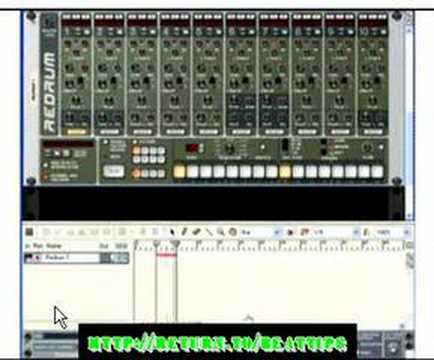
Use a strong, forward kick and a snappy snare/clap that cuts through loud playback systems.
Program patterns that feel physical and loop-friendly; simple drum motifs often work better than overly intricate fills.
Add rolling hi-hats or syncopated percussion when you want more drive, but keep the main pulse easy to nod to.
Prioritize sub-bass that translates on car systems; sustained notes and clean slides are common.
Layer a mid-bass or distorted bass harmonics if the sub alone disappears on small speakers.
Keep harmonic movement minimal; many tracks rely on one- or two-chord loops.
Use bold synth leads, brass stabs, eerie minor-key motifs, or gritty sampled textures to create attitude.
Create hooks with short, repeatable melodic cells rather than long, complex melodies.
Build around a strong hook and a clear verse–hook contrast.
Add drops, stop-time moments, and call-and-response spaces to energize the club feel.
Use risers, crashes, and short transition fills sparingly so the groove stays relentless.
Deliver with an assertive, percussive cadence; emphasize regional slang and local references authentically.
Write choruses that can be chanted by a crowd (short phrases, repetition, strong rhythmic placement).
Typical themes include hustling, nightlife, bravado, street realism, and Southern pride.
Mix with headroom and focus on low-end control (sidechain or careful EQ so the kick and sub do not fight).
Test on multiple systems, especially car speakers and small earbuds, to ensure the bass remains present and the snare stays crisp.