Genres
Artists
Albums
Make Music
Sign in
Sign in
Artists
Medieval
Artists
Medieval
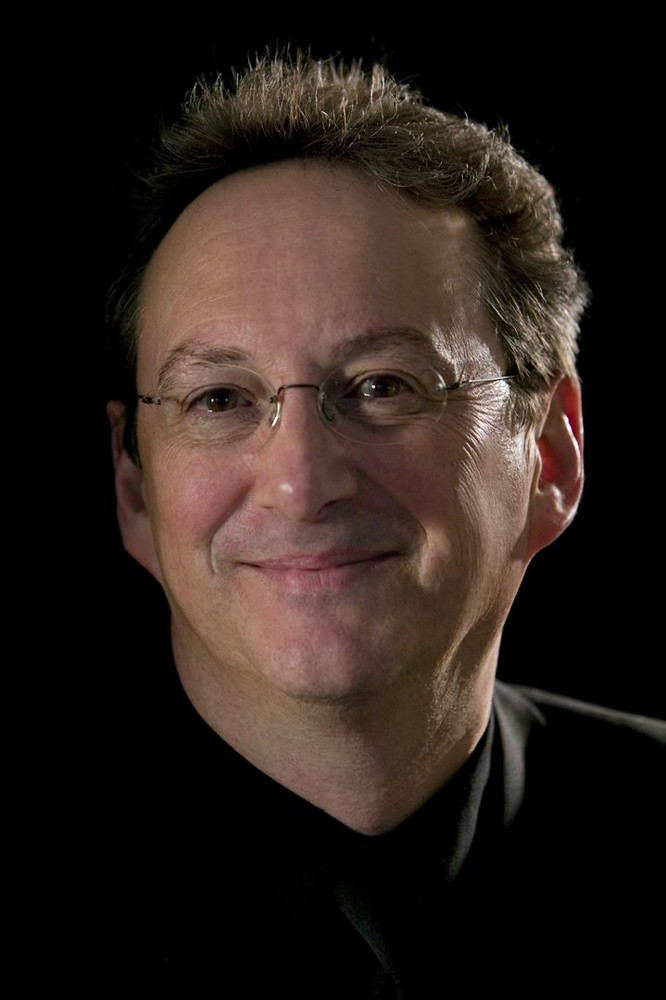
John Potter
1999–2013
·
2 albums
Listen
1
/5
Genres
Art Song
Art song is an intimate, concert-music genre in which a poetic text is set for solo voice with an equally integral piano accompaniment. Unlike popular song, it is composed for attentive listening in the recital hall or salon, and unlike opera, it does not require staging or multiple characters. The genre privileges prosody, word-painting, and subtle harmonic color to illuminate imagery and emotion in the poem. Forms range from strophic and modified strophic to fully through-composed designs, and the piano often supplies prelude, interludes, and a telling postlude that extends or reframes the text’s sentiment. German Lieder, French mélodie, and English-language art song are the best-known national currents within this tradition.
Discover
Listen
Baroque
Baroque is a period and style of Western art music spanning roughly 1600–1750. It is characterized by the birth of functional tonality, the widespread use of basso continuo (figured bass), and a love of contrast—between soloist and ensemble, loud and soft, and different timbres. Hallmark genres and forms of the era include opera, cantata, oratorio, concerto (especially the concerto grosso), dance suite, sonata, and fugue. Textures range from expressive monody to intricate counterpoint, and melodies are richly ornamented with trills, mordents, and appoggiaturas. Baroque music flourished in churches, courts, and theaters across Europe, with regional styles (Italian, French, German, English) shaping distinctive approaches to rhythm, dance, harmony, and ornamentation.
Discover
Listen
Elizabethan Song
Elizabethan song refers primarily to the English solo song with lute (often called the ayre), and the related consort song for voice with a viol consort, cultivated during the reign of Elizabeth I. Typically strophic and text-led, these songs set courtly, pastoral, or amorous poetry in clear, singable melodies supported by contrapuntal or chordal lute accompaniments. Hallmarks include finely balanced prosody, vivid word-painting, and modal harmony (often Aeolian, Dorian, and Mixolydian) gradually shading toward early tonal cadences. The style sits between popular and learned traditions: it borrows memorable tunefulness from ballad and dance idioms while deploying Renaissance contrapuntal craft. Songs were circulated in printed partbooks and lute tablature, intended for both courtly performance and domestic music-making. The repertory remains prized for its intimate expressivity, rhetorical clarity, and refined yet approachable musical language.
Discover
Listen
Renaissance
Renaissance music (c. 1400–1600) marks the shift from medieval sonorities to a clearer, triad-based polyphony in which multiple independent voices are treated with near-equal importance. It favors modal counterpoint, pervasive imitation, smooth voice-leading, and carefully prepared cadences. Text intelligibility and expressive text-setting become central concerns, especially in sacred motets and masses and in secular forms like the Italian madrigal and the French chanson. While much of the repertory is a cappella, instrumental consorts (viol, recorder, sackbut, cornett, organ) play a growing role. A steady tactus underpins rhythms, and tuning systems such as meantone temperament shape its characteristic color. Music printing (from 1501) accelerates stylistic diffusion across Europe.
Discover
Listen
Medieval
Medieval music refers to the diverse sacred and secular musical practices of Europe between the fall of the Western Roman Empire and the dawn of the Renaissance. It spans more than eight centuries, from early monophonic chant to the first notated polyphony. Core features include the use of church modes rather than major/minor, extensive reliance on vocal music (Latin sacred chant as well as vernacular song), and the progressive development from unmeasured chant to rhythmic modal notation and, later, mensural notation. Texture evolves from monophony (plainchant, troubadour songs) to organum, conductus, and the motet, culminating in complex isorhythmic works by the late 13th–14th centuries. Secular traditions—troubadours and trouvères in France, Minnesänger in German lands, and the Iberian Cantigas—coexisted with and influenced sacred practice. Instruments such as the vielle, harp, psaltery, recorder, shawm, hurdy-gurdy, and portative organ often doubled or accompanied voices, though much music remained purely vocal.
Discover
Listen
Albums
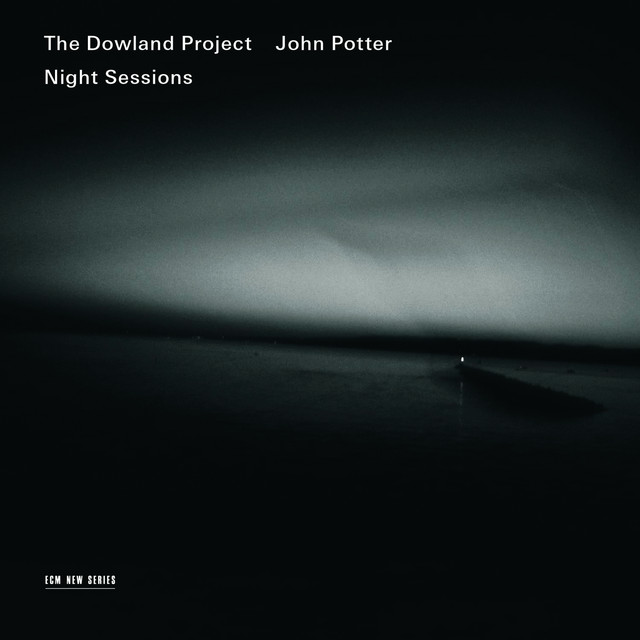
2013
1
/5
Night Sessions
Bernart de Ventadorn / Solage
Elizabethan Song
Baroque
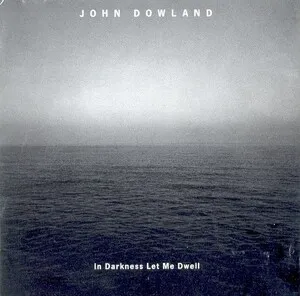
1999
1
/5
In Darkness Let Me Dwell
John Dowland
Art Song
Renaissance
Similar artists
3
/5
John Dowland
Renaissance
Elizabethan Song
Medieval
3
/5
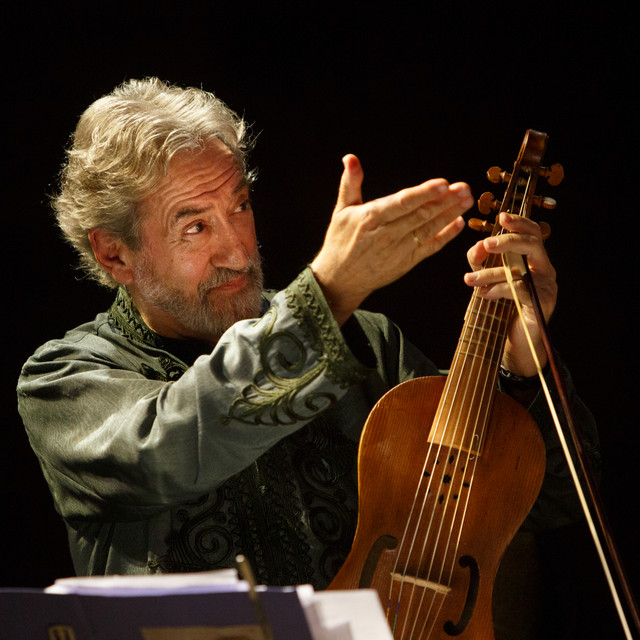
Jordi Savall
Renaissance
Baroque
Classical
3
/5
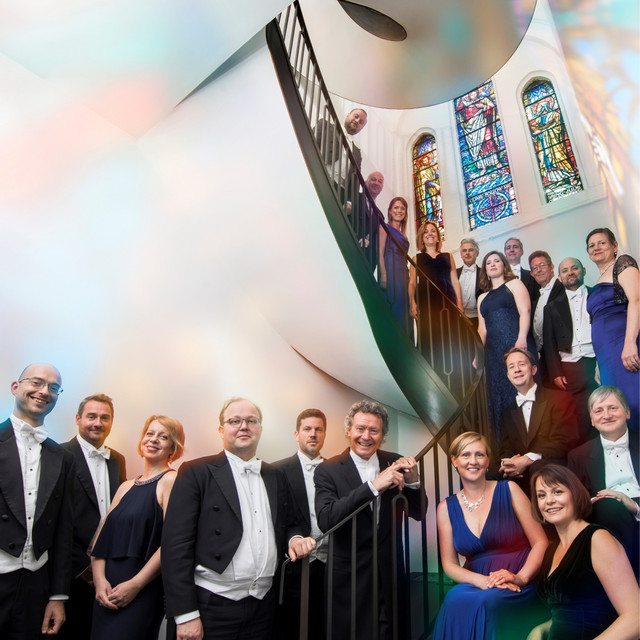
The Sixteen
Choral
Classical Performance
Gregorian Chant
3
/5
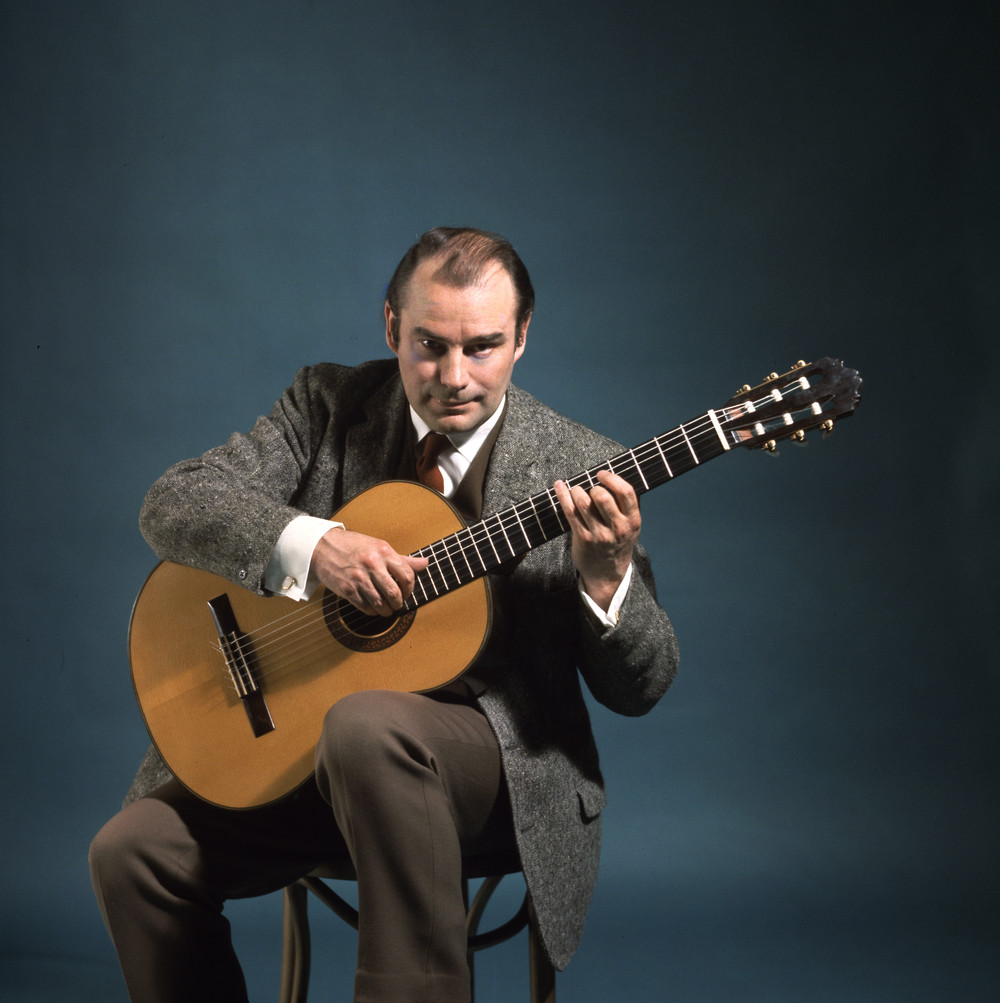
Julian Bream
Classical
Medieval
Renaissance
2
/5
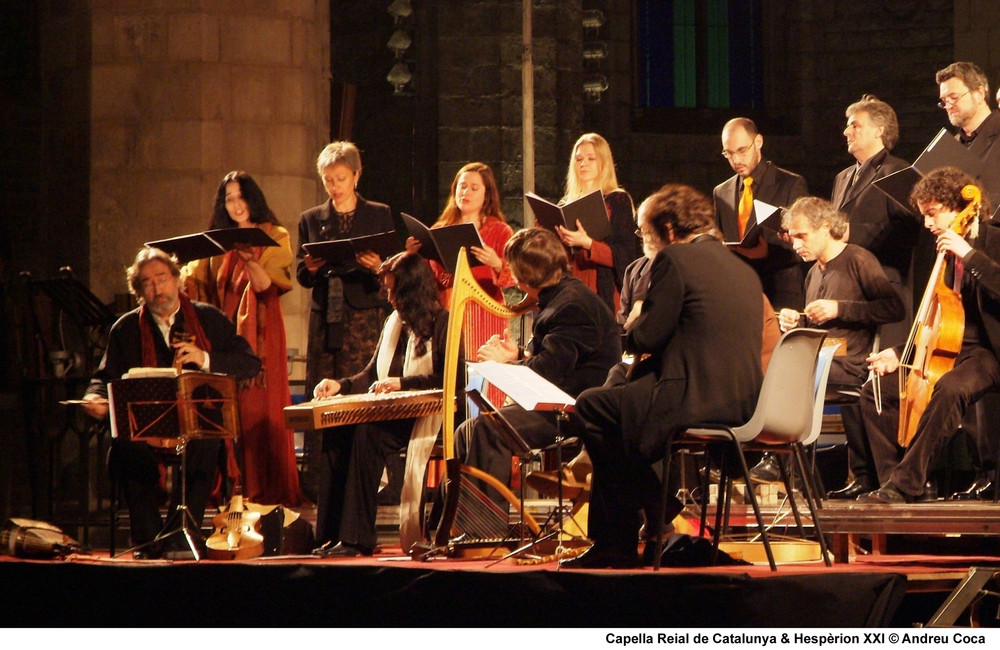
Hespèrion XXI
Medieval
Renaissance
Classical Performance
2
/5
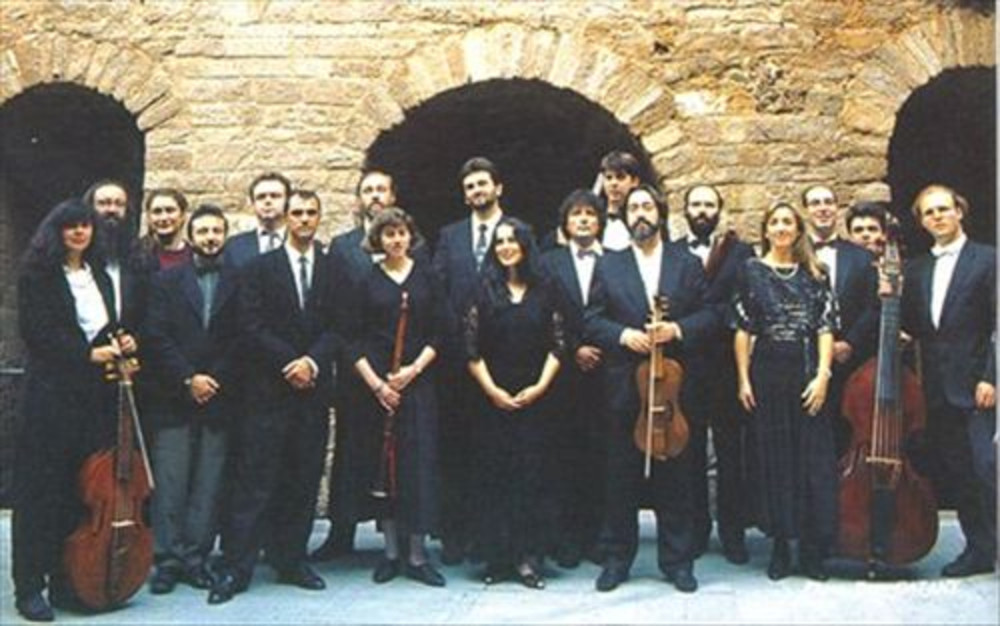
La Capella Reial De Catalunya
Medieval
Renaissance
Spanish Classical Music
1
/5
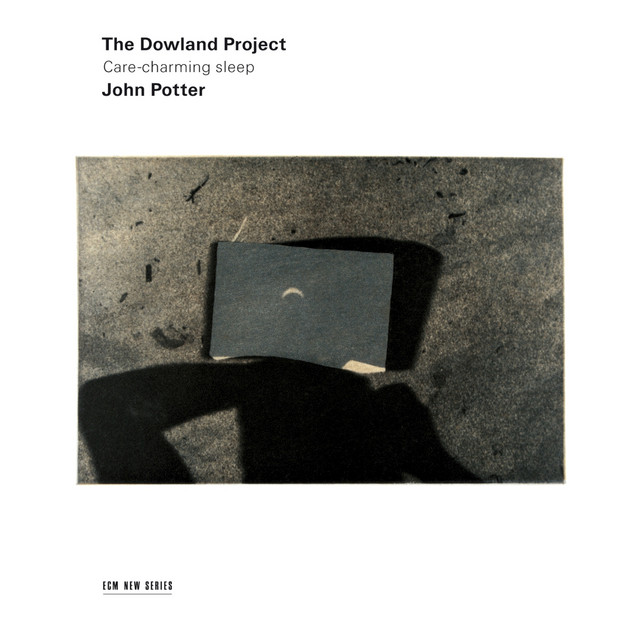
The Dowland Project
Elizabethan Song
Medieval
Baroque
3
/5
Giovanni Pierluigi da Palestrina
Renaissance
Classical
Choral
3
/5
Peter Phillips
Choral
Renaissance
Requiem
3
/5
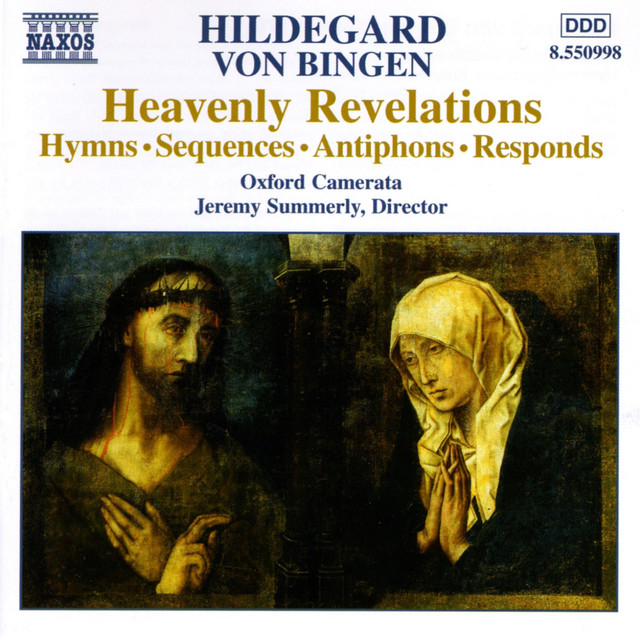
Oxford Camerata
Gregorian Chant
Medieval
Classical
Download our mobile app
Get the Melodigging app and start digging for new genres on the go
Download on the App Store
Get it on Google Play
© 2026 Melodigging
Give feedback
Legal
Melodding was created as a tribute to
Every Noise at Once
, which inspired us to help curious minds keep digging into music's ever-evolving genres.