Genres
Artists
Albums
Make Music
Sign in
Sign in
Artists
Canción Melódica
Artists
Canción Melódica
Jeanette
1992–2011
·
2 albums
Listen
4
/5
Genres
Sad Sierreno
Sad sierreño is a Gen-Z wave within Regional Mexicano that emphasizes intimate, melancholic guitar trios, confessional lyrics, and bedroom-pop aesthetics. It retains the core sierreño instrumentation—lead 12‑string requinto, rhythm guitar, and bass—while softening dynamics, slowing tempos, and foregrounding close‑miked vocals soaked in light reverb. Lyrically it fixates on heartbreak, loneliness, youthful yearning, and bittersweet nostalgia. Musically it often toggles between bolero/vals sierreño feels in minor keys and sparse 4/4 ballads, letting fingerpicked arpeggios and melodic requinto runs carry the emotional weight. The sound rose with U.S. Mexican-American youth, using social media virality to merge traditional sierreño with lo‑fi/indie sensibilities.
Discover
Listen
Spectra
Spectra is a contemporary, internet-native microgenre of moody alternative electronic and R&B-adjacent music characterized by spectral, hazy textures, soft-focus vocals, and lush, wide stereo sound design. It blends downtempo grooves with post-dubstep sound palettes, dreamy pads, and understated, melancholic songwriting. Production often favors granular and time-stretched atmospheres, filtered synths, submerged bass, and delicate percussion patterns that feel intimate yet cinematic. Vocals are commonly breathy and layered with subtle pitch/formant processing, while harmony leans toward extended, suspended, and add-color chords that emphasize bittersweet, nocturnal moods.
Discover
Listen
Chill Pop
Chill pop is a contemporary pop micro‑genre that blends radio‑friendly songwriting with the mellow textures of chillout and lo‑fi aesthetics. It favors soft vocals, smooth synths, clean guitar plucks, understated bass, and relaxed, mid‑tempo grooves. Instead of big, bombastic hooks, chill pop tends toward intimate, conversational melodies and minimal, airy arrangements. Production often borrows from bedroom pop and alternative R&B—subtle trap hi‑hats, warm saturation, roomy reverbs, and gentle side‑chain compression—to create a breezy, pastel sound palette well suited to playlists and late‑night listening. Lyrically, chill pop is introspective and relatable: romance, longing, gentle optimism, and coming‑of‑age themes delivered in a plain‑spoken, whisper‑close tone. The result sits between indie pop’s understated cool and mainstream pop’s catchy structures, optimized for the streaming era’s mood‑driven consumption.
Discover
Listen
Otacore
Otacore is a fan-driven, internet-native umbrella for music centered on anime, manga, gaming, and broader otaku culture. Rather than a single strict musical style, it describes a cluster of scenes where pop, electronic, rock, and rap intersect with anime aesthetics, story tropes, and character/fandom references. Typical otacore repertoires include Vocaloid productions, anisong-style pop/rock, high-energy EDM with kawaii sound design, nightcore-style edits, game-inspired chiptune flourishes, and cover cultures (English/Japanese) tied to anime and game franchises. Distribution and discovery are powered by platforms such as Nico Nico Douga, YouTube, SoundCloud, streaming playlists, and later TikTok, where memeability, fan videos (AMVs), and vtuber performances help songs spread globally.
Discover
Listen
Pov: Indie
"pov: indie" is a social-media-native microstyle built around short, cinematic indie-pop/indie-rock snippets designed to accompany a first-person (POV) narrative. Instead of being defined by a single new musical technique, it is defined by context: the music is chosen or written to feel like the soundtrack to a specific moment (a crush, a late-night walk, moving to a new city, seasonal nostalgia). Sonically it typically uses bright but soft guitars or synths, intimate vocals, simple memorable hooks, and production that reads clearly on phone speakers. The emotional tone is often wistful, tender, and “coming-of-age,” with lyrics that can be understood quickly in a 10–30 second clip.
Discover
Listen
Rasteirinha
Rasteirinha (often called “funk rasteirinha”) is a mid‑tempo branch of Brazilian funk that slows the classic baile funk groove to a warmer, more sensual pace. It blends the dembow swing of dancehall and reggaeton with samba and pagode percussion (pandeiro, cuíca, surdo, agogô, tamborim, and shakers), typically sitting around 90–105 BPM. Vocals tend to be chant‑like, playful, and street‑wise, with hooks built from call‑and‑response phrases and chopped vocal shots. Harmony is minimal—often one to three chords—so that the syncopated drums and round sub‑bass can drive the dancefloor. The overall feel is percussive, tropical, and intimate—made for block parties and clubs where groove and swing matter more than dense arrangements.
Discover
Listen
Shush
Shush is a functional microgenre of sleep-oriented audio built around continuous “shh/sshhh”‑like broadband noise and closely related soothing textures (white, pink, or brown noise; soft rain; waves). Producers design long, loopable tracks with minimal dynamics and no melody so the sound masks environmental noise and promotes infant and adult sleep. As a name, “shush” reflects the centuries‑old caregiving practice of calming babies by sustained shushing, which modern sleep science popularized through white‑noise devices and smart soothers. Contemporary catalogs typically offer multiple “shush” timbres (fast/slow shush, hair‑dryer, train, brown/white noise) and publish them on streaming services in multi‑hour formats.
Discover
Listen
Latin Pop
Latin pop is mainstream pop music performed primarily in Spanish (and sometimes Portuguese) that blends contemporary pop songwriting with Latin American and Iberian rhythms, harmonies, and vocal stylings. It typically features verse–pre-chorus–chorus forms, catchy hooks, polished production, and a balance between rhythmic drive and romantic lyric themes. Classic Latin pop often leans on bolero- and ballad-informed melodies and soft-rock textures, while modern Latin pop readily incorporates dance-pop, electronic, and urbano elements (such as reggaeton-influenced grooves) without losing its sing-along pop core.
Discover
Listen
Canción Melódica
Canción melódica is a Spanish popular song tradition centered on emotive, melody-forward ballads delivered by powerful vocalists and framed by lush, orchestral arrangements. It is the Spanish counterpart to Europe’s mainstream schlager and the Italian canzone tradition, but with clear ties to Iberian styles and Latin romanticism. Characterized by dramatic vocal climaxes, key changes near the finale, and string-heavy, cinematic backdrops, the style privileges memorable melodies, heartfelt lyrics, and a polished, elegant sound. Its themes revolve around love, longing, heartbreak, and resilience, using poetic images and rhetorical flourishes to maximize emotional impact. The genre achieved mass popularity in Spain and the Spanish-speaking world from the late 1960s through the 1980s, and its repertoire remains a staple of television galas, festival circuits, and nostalgic revivals.
Discover
Listen
Latin Ballad
Latin ballad (balada romántica) is a sentimental, melodically rich style of Spanish-language popular song that evolved directly from the Cuban/Mexican bolero tradition. It emphasizes expressive vocals, lush harmonic progressions, and romantic narratives about love, heartbreak, longing, and reconciliation. The genre coalesced in the early 1960s in Los Angeles and Southern California, where Latin-American and Mexican-American songwriters, arrangers, and singers modernized bolero aesthetics with contemporary pop orchestration, crooner-style delivery, and studio production techniques. Typically set at slow-to-medium tempos, Latin ballads feature piano or nylon‑string guitar, warm string sections, and climactic modulations that heighten emotional impact.
Discover
Listen
Pop
Pop is a broad, hook-driven style of popular music designed for wide appeal. It emphasizes memorable melodies, concise song structures, polished vocals, and production intended for radio, charts, and mass media. While pop continually absorbs elements from other styles, its core remains singable choruses, accessible harmonies, and rhythmic clarity. Typical forms include verse–pre-chorus–chorus, frequent use of bridges and middle-eights, and ear-catching intros and outros. Pop is not defined by a single instrumentation. It flexibly incorporates acoustic and electric instruments, drum machines, synthesizers, and increasingly digital production techniques, always in service of the song and the hook.
Discover
Listen
Latin
Latin (as a genre label) is a broad umbrella used by the recording industry to categorize popular music rooted in Latin America, the Caribbean, and the Iberian world, often characterized by syncopated Afro-diasporic rhythms, dance-forward grooves, and lyrics primarily in Spanish or Portuguese. As a marketplace category that took shape in the mid-20th century United States, it gathers diverse traditions—Afro-Cuban, Brazilian, Mexican, and Caribbean styles—into a shared space. In practice, "Latin" spans everything from big-band mambo and bolero ballads to contemporary pop, rock, hip hop, and dance fusions produced by artists of Latin American heritage.
Discover
Listen
Show all 12 genres
Albums
2011
4
/5
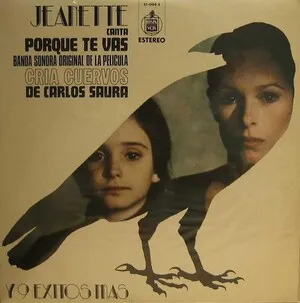
Porque te vas
Jeanette
Canción Melódica
Pop
1992
3
/5
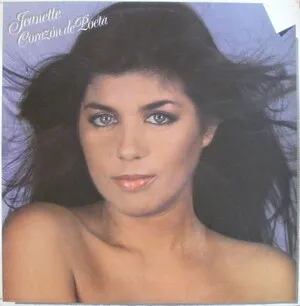
Corazón de poeta
Jeanette
Canción Melódica
Similar artists
5
/5
Alejandro Sanz
Latin Pop
Latin
Cantautor
5
/5
Luis Miguel
Bolero
Latin Pop
Mariachi
5
/5
José José
Bolero
Canción Melódica
Ballad
5
/5
KAROL G
Reggaeton
Latin
Trap Latino
5
/5
Shakira
Latin
Latin Pop
Pop
5
/5
Pitbull
Hip Hop
Electro Hop
Pop Rap
5
/5
Frank Ocean
Neo Soul
Pop
Contemporary R&b
5
/5
Maná
Latin
Latin Rock
Mexican Rock
5
/5
Mon Laferte
Latin Alternative
Latin Pop
Latin Indie
5
/5
Hans Zimmer
Country Dawn
Soundtrack
Classical
Download our mobile app
Get the Melodigging app and start digging for new genres on the go
Download on the App Store
Get it on Google Play
© 2026 Melodigging
Give feedback
Legal
Melodding was created as a tribute to
Every Noise at Once
, which inspired us to help curious minds keep digging into music's ever-evolving genres.