Genres
Artists
Albums
Make Music
Sign in
Sign in
Artists
Bebop
Artists
Bebop
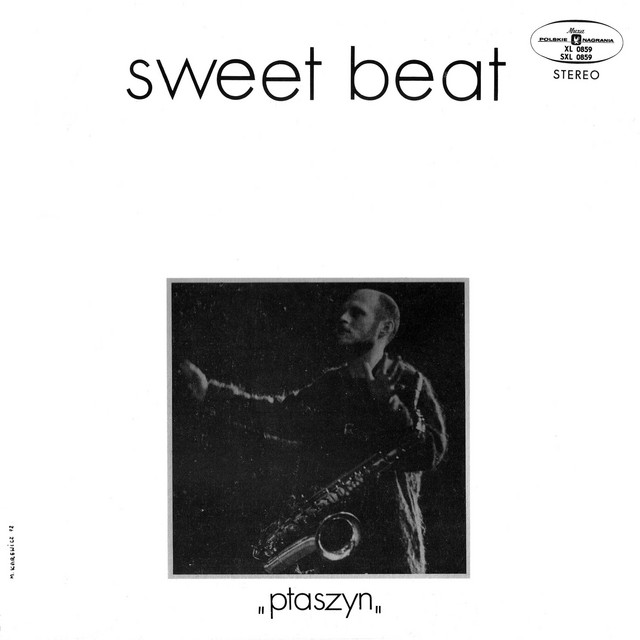
Jan Ptaszyn Wróblewski
1974
·
1 album
Listen
1
/5
Genres
Bebop
Bebop is a modern jazz style characterized by fast tempos, intricate melodies, and harmonically advanced improvisation. It moved jazz from dance-oriented big-band music to art-focused small-ensemble performance, prioritizing virtuosity and spontaneous creativity. Typical bebop groups are quintets or quartets featuring trumpet, alto or tenor saxophone, piano, double bass, and drums. The music emphasizes asymmetrical phrasing, extended chords and substitutions, and contrafacts—new melodies written over the chord changes of popular songs. Rhythm sections center time on the ride cymbal, with the bass walking and the drummer "dropping bombs" on snare and bass drum. Melodies are angular and chromatic, and soloists outline rapidly shifting harmonies with bebop scales, enclosure tones, and altered dominants.
Discover
Listen
Progressive Big Band
Progressive big band is a post–World War II evolution of big band jazz that shifts the focus from dance music to concert-oriented, highly arranged works. It preserves the massed brass-and-reeds power of swing-era ensembles, but adopts bebop’s advanced harmony and lines, classical orchestration techniques, and ambitious, often through-composed forms. Arrangers favored expanded instrumentation (French horns, tuba, Latin percussion, sometimes strings), dense voicings, polytonality, and dramatic dynamic contrasts, yielding a bold, modernist “concert jazz” sound. Compared with swing, the rhythm can alternate between a hard-driving 4/4, even-eighth feels, Latin grooves, and unusual meters, while sections trade contrapuntal lines more than riff-based call-and-response. The result is an epic, sometimes imposing aesthetic that bridged jazz and contemporary classical ideas.
Discover
Listen
Big Band
Big band is a large-ensemble style of jazz and popular dance music built around brass, reed, and rhythm sections playing arranged parts. Typical instrumentation includes five saxophones (often doubling clarinet/flute), four trombones, four trumpets, and a rhythm section of piano, guitar, upright bass, and drum set. The music emphasizes swing rhythms, call-and-response between sections, riff-based writing, and dramatic shout choruses, while leaving space for improvised solos. Born in American ballrooms and theaters, big band became the sound of the Swing Era, providing both music for dancing and a platform for sophisticated arranging and orchestration that shaped much of 20th‑century jazz and popular music.
Discover
Listen
Albums
1974
1
/5
Sprzedawcy glonów
Studio Jazzowe Polskiego Radia / Jan "Ptaszyn" Wróblewski
Progressive Big Band
Big Band
Similar artists
3
/5
Gil Evans
Jazz
Big Band
Bebop
2
/5
Mingus Big Band
Big Band
Jazz
Bebop
2
/5
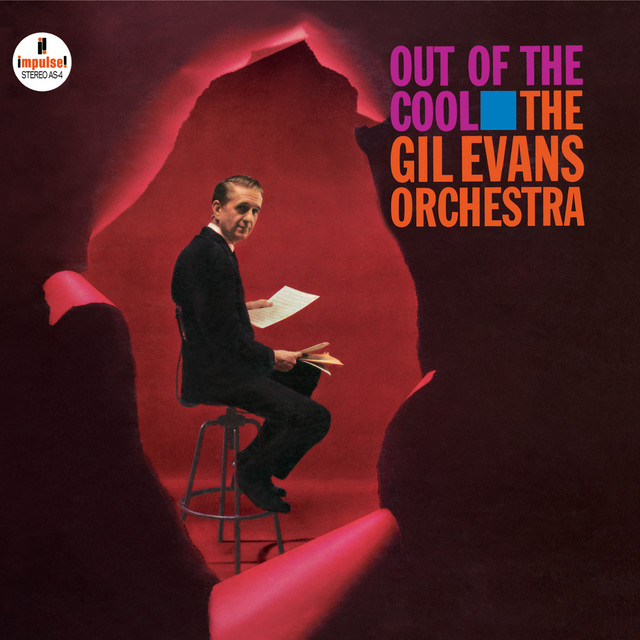
The Gil Evans Orchestra
Big Band
Cool Jazz
Bebop
4
/5
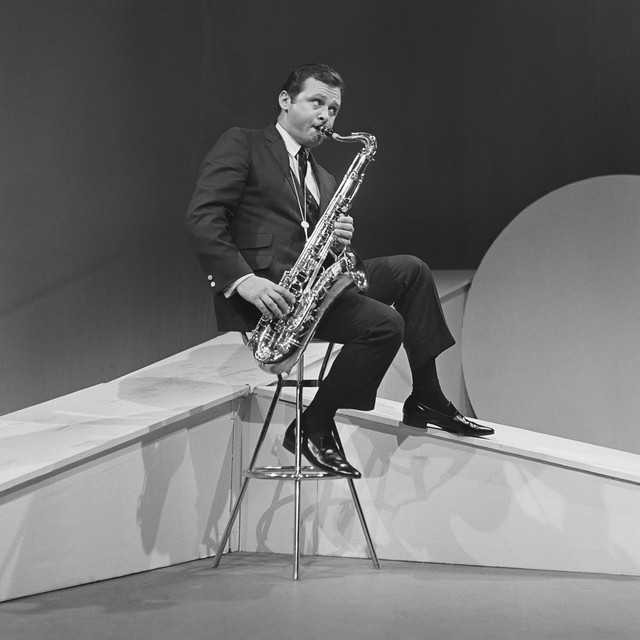
Stan Getz
Samba-Jazz
Bebop
Jazz
4
/5
Miles Davis
Jazz
Jazz Fusion
Hard Bop
3
/5
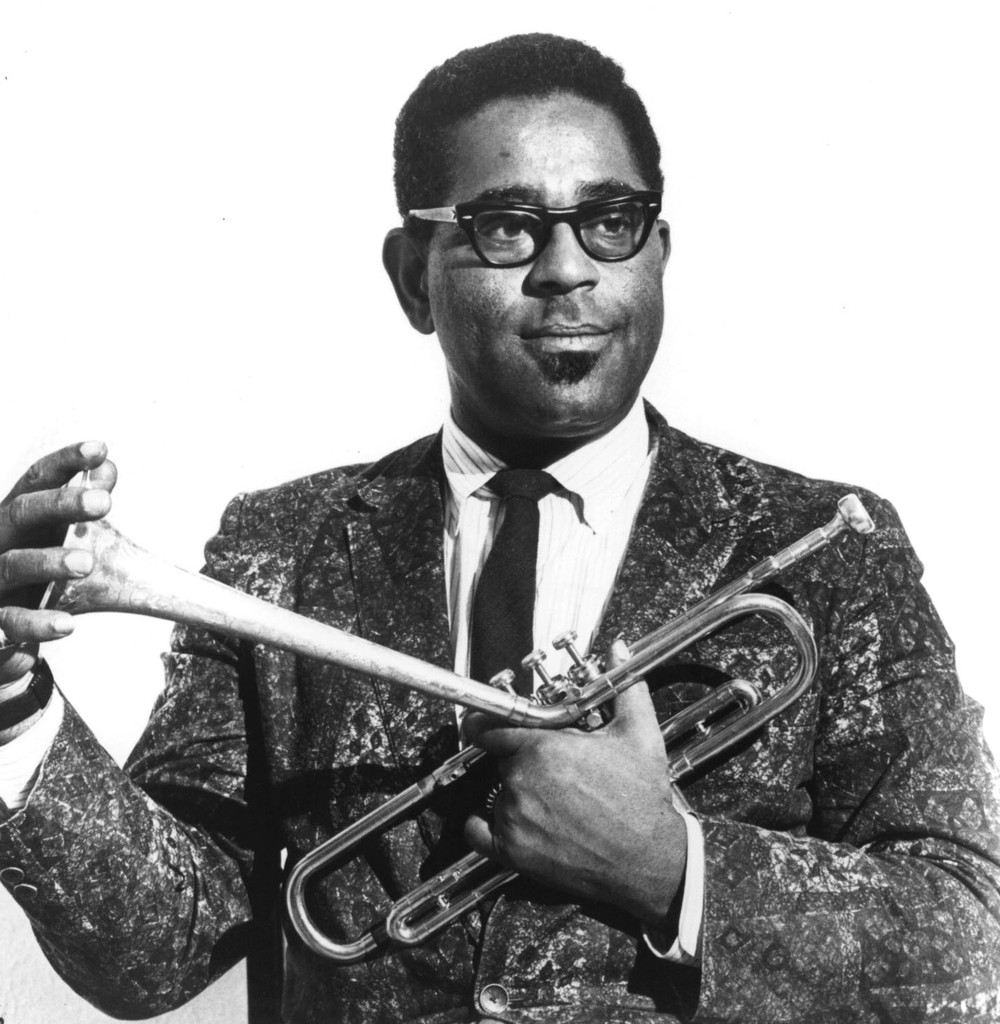
Dizzy Gillespie
Bebop
Big Band
Latin Jazz
3
/5
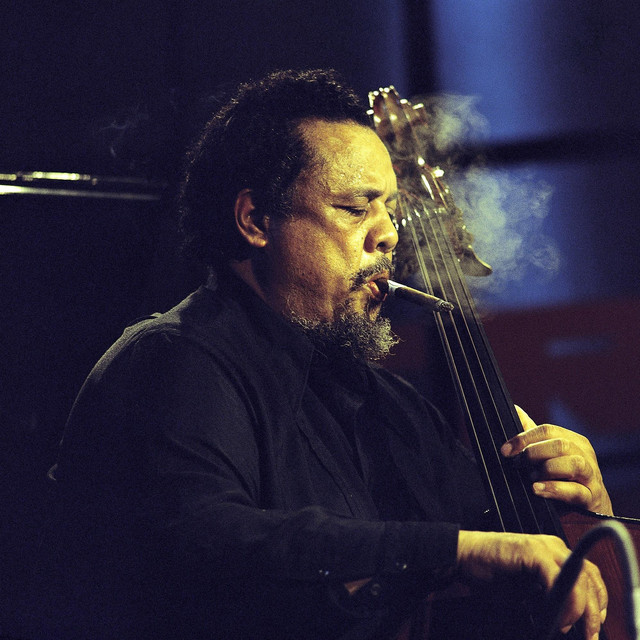
Charles Mingus
Jazz
Hard Bop
Post-Bop
3
/5
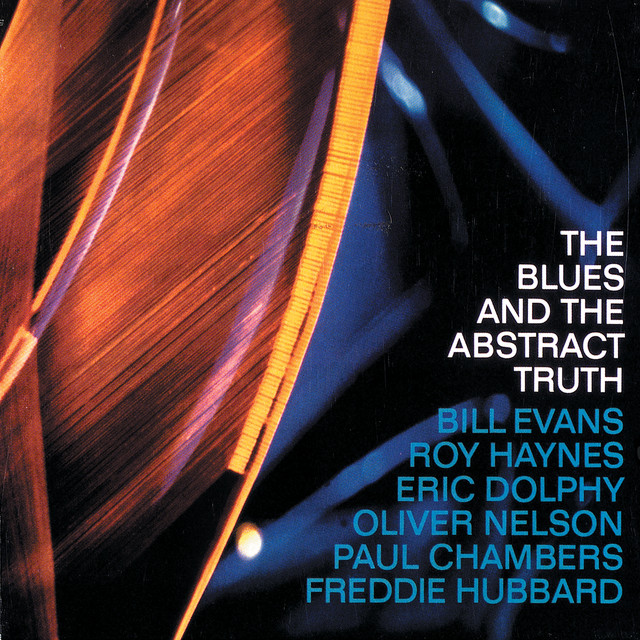
Oliver Nelson
Hard Bop
Jazz
Bebop
3
/5
Buddy Rich
Bebop
Big Band
Hard Bop
3
/5
Thad Jones
Bebop
Big Band
Hard Bop
Download our mobile app
Get the Melodigging app and start digging for new genres on the go
Download on the App Store
Get it on Google Play
© 2026 Melodigging
Give feedback
Legal
Melodding was created as a tribute to
Every Noise at Once
, which inspired us to help curious minds keep digging into music's ever-evolving genres.