Genres
Artists
Albums
Make Music
Sign in
Sign in
Artists
Boogie-Woogie
Artists
Boogie-Woogie
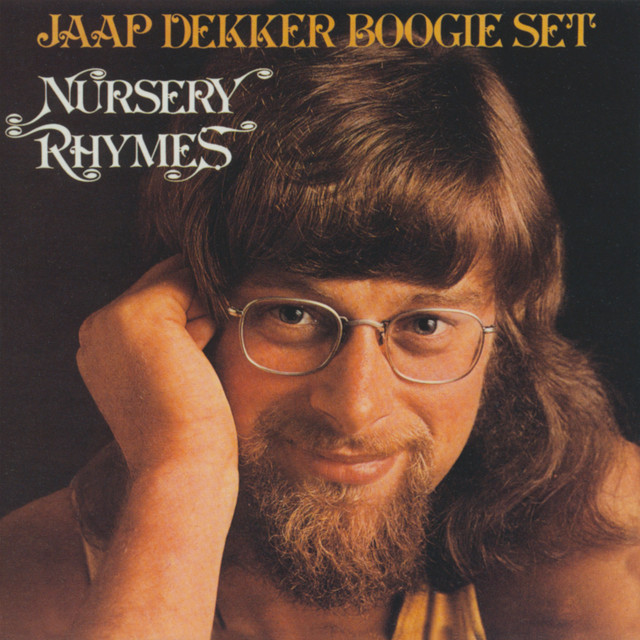
Jaap Dekker Boogie Set
1972
·
1 album
Listen
1
/5
Genres
Ragtime
Ragtime is an African American–rooted piano style that flourished from the 1890s to the 1910s, characterized by lively syncopation in the right hand against a steady, march-like “oom‑pah” accompaniment in the left hand. Typically written in 2/4 or 4/4 time and notated with straight (unswung) eighth notes, classic rags unfold in multiple 16‑bar strains, often in the form AABBACCDD. The music draws on cakewalk rhythms, marching-band forms, and popular song, and it became a sensation through sheet music, piano rolls, and parlor performance. Scott Joplin, known as the “King of Ragtime,” helped codify the genre’s refined, compositional approach, calling for moderate tempos and a clear, singing melody. Beyond solo piano, ragtime was arranged for small ensembles and orchestras, found a home in vaudeville and dance halls, and laid essential groundwork for early jazz, stride piano, and much of 20th‑century American popular music.
Discover
Listen
Boogie-Woogie
Boogie-woogie is a highly rhythmic, piano-centered branch of the blues distinguished by its driving “eight-to-the-bar” left-hand ostinato and improvised right-hand riffs. While it shares the 12‑bar blues framework and blue-note vocabulary, it places an unusually strong emphasis on groove, forward motion, and danceability. Typically performed at brisk tempos, the style features a rolling, repeated bass pattern in broken octaves (or a walking single-note line) that locks into a shuffle or 12/8 swing feel. Over this foundation, the right hand plays syncopated licks, triplet figures, crushed grace notes, tremolos, and call‑and‑response motifs, often quoting and varying short, catchy riffs. The result is a propulsive, celebratory sound designed for social dancing and energetic performance.
Discover
Listen
Nursery Rhymes
Nursery rhymes are short, memorable songs or chants for young children, typically built around rhyme, repetition, and simple melodies. They often accompany fingerplays, clapping games, counting routines, or circle dances, and are designed to aid language acquisition, memory, coordination, and social play. While many texts are centuries old, the tunes and arrangements vary by region and era; common musical traits include major keys, limited vocal range, steady tempos, and easy call-and-response structures. Today, nursery rhymes live in books, classrooms, playgrounds, recordings, and digital videos, functioning both as cultural heritage and practical tools for early childhood development.
Discover
Listen
Albums
1972
1
/5
Nursery Rhymes
Jaap Dekker Boogie Set
Nursery Rhymes
Similar artists
3
/5
Luca Sestak
Boogie
Ragtime
Boogie-Woogie
2
/5
Pete Johnson
Boogie-Woogie
Boogie
Piano Blues
2
/5
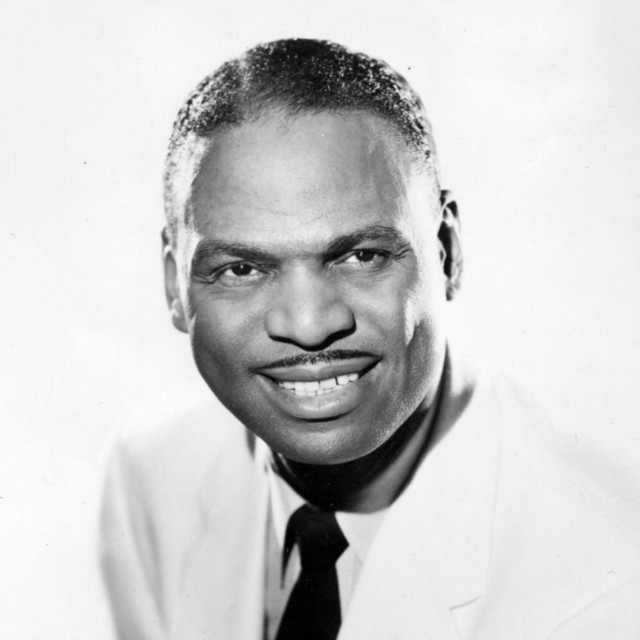
Earl Hines
Big Band
Boogie-Woogie
Jazz
2
/5
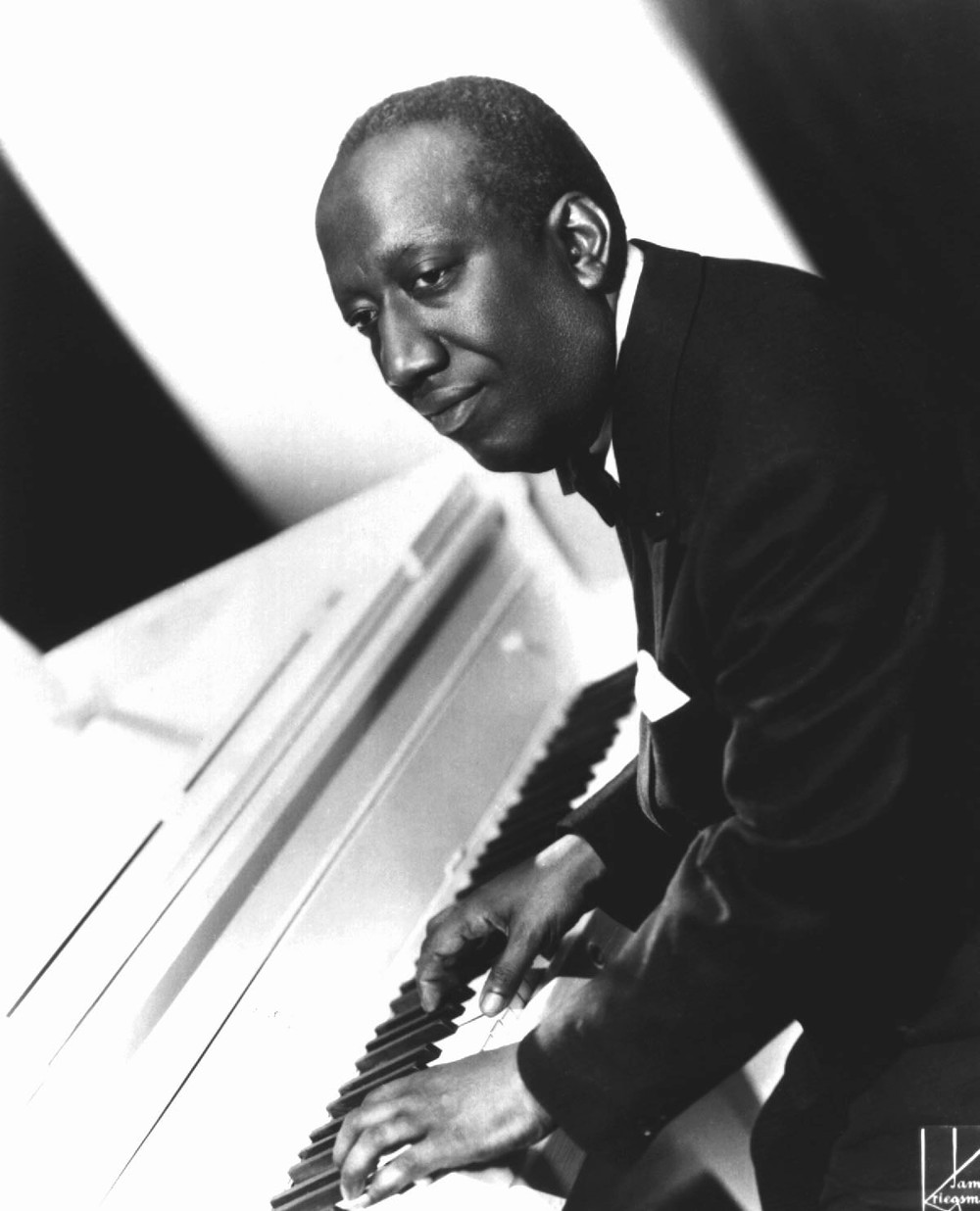
James P. Johnson
Ragtime
Boogie-Woogie
Jazz
2
/5
Jean-Pierre Bertrand
Boogie
Boogie-Woogie
Ragtime
2
/5
James Booker
New Orleans Blues
Piano Blues
Blues
2
/5
Frank Muschalle
Blues
Boogie
Boogie-Woogie
2
/5
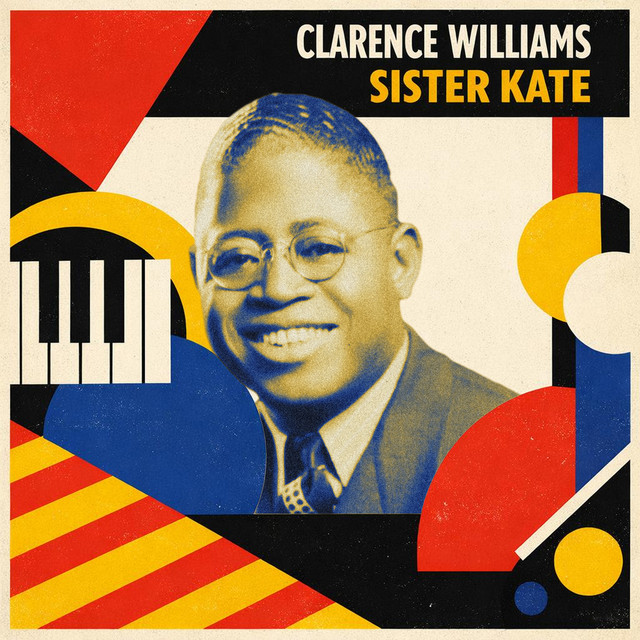
Clarence Williams
Boogie-Woogie
Classic Blues
Jazz
2
/5
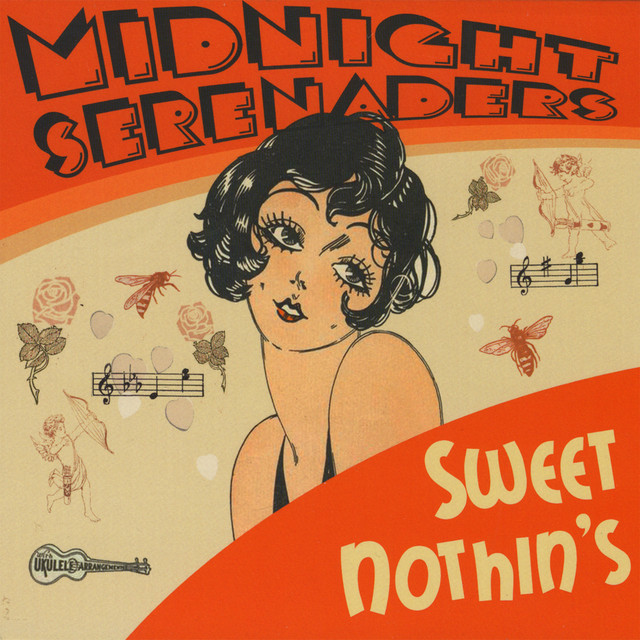
Midnight Serenaders
Boogie-Woogie
Ragtime
Swing
2
/5
Freddy Martin & His Orchestra
Boogie-Woogie
Ragtime
Big Band
Download our mobile app
Get the Melodigging app and start digging for new genres on the go
Download on the App Store
Get it on Google Play
© 2026 Melodigging
Give feedback
Legal
Melodding was created as a tribute to
Every Noise at Once
, which inspired us to help curious minds keep digging into music's ever-evolving genres.