Genres
Artists
Albums
Make Music
Sign in
Sign in
Artists
Ambient
Artists
Ambient
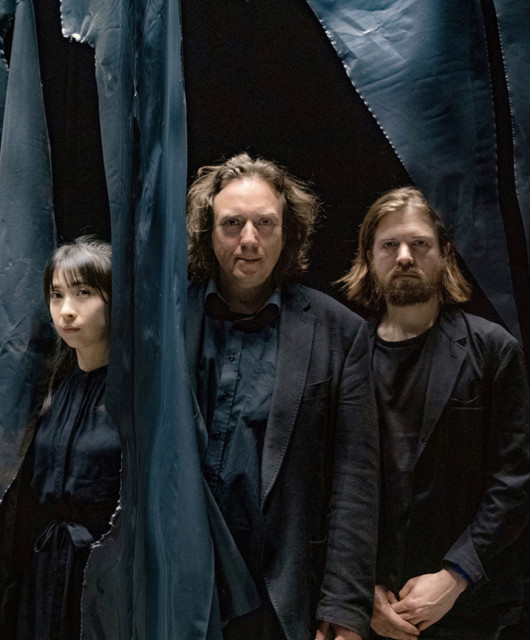
J.Peter Schwalm
Listen
2
/5
Genres
Ambient
Ambient is a form of electronic and electroacoustic music that prioritizes tone, atmosphere, and texture over conventional song structures and rhythmic drive. It typically features slow-moving harmonies, sustained drones, gentle timbral shifts, and extensive use of space and silence. Rather than drawing attention to itself through hooks or beats, ambient is designed to be as ignorable as it is interesting, rewarding both background listening and focused immersion. Artists often employ synthesizers, samplers, tape loops, field recordings, and subtle acoustic instruments, with reverb and delay creating a sense of place. Substyles range from luminous, consonant soundscapes to darker, more dissonant atmospheres.
Discover
Listen
Ambient Jazz
Ambient jazz is a hybrid style that merges the improvisational language and harmonic color of jazz with the spacious, texture-focused aesthetics of ambient music. It typically emphasizes atmosphere over virtuoso display, using slow tempos, long sustains, soft dynamics, and studio treatments (reverb, delay, tape/loop techniques) to create a floating sound field. Performances often feel meditative and cinematic, with jazz elements appearing as gentle melodic fragments, sparse solos, or extended chords rather than fast swing or dense bebop lines.
Discover
Listen
Experimental Jazz
Experimental jazz is a broad, exploratory wing of jazz that prioritizes innovation in form, timbre, harmony, rhythm, and ensemble interaction. It stretches beyond conventional song structures and chord progressions, drawing from avant-garde composition, free improvisation, electronic processing, and global musical traditions. While it maintains jazz’s improvisatory core, it often embraces extended techniques, graphic scores, non-standard tunings, and open or shifting meters to expand the music’s expressive and textural possibilities.
Discover
Listen
Krautrock
Krautrock is an experimental form of rock that emerged in late-1960s West Germany, characterized by hypnotic repetition, long-form structures, and a forward-looking embrace of electronics and studio experimentation. It typically features a steady, driving 4/4 “motorik” beat, circular bass ostinatos, sparse harmonic movement, and textural layering that draws from minimalism, free improvisation, and avant-garde composition. Rather than virtuosic solos, the emphasis is on collective groove, trance-inducing momentum, and timbral exploration. The sound ranges from raw, percussive jams to spacious, cosmic electronics, often eschewing conventional Anglo-American blues forms in favor of a distinctly European modernist aesthetic.
Discover
Listen
Experimental
Experimental music is an umbrella term for practices that prioritize exploration, process, and discovery over adherence to established genre norms. It embraces new sound sources, nonstandard tuning systems, indeterminacy and chance operations, graphic and open-form scores, extended techniques, and technology-led sound design (tape, electronics, computers, and live processing). Rather than a single style, it is a methodology and ethos: testing hypotheses about sound, structure, and performance, often blurring boundaries between composition, improvisation, sound art, and performance art. Listeners can expect unfamiliar timbres, unusual forms, and an emphasis on how music is made as much as the resulting sound.
Discover
Listen
Musique Concrète
Musique concrète is an electroacoustic approach to composition that uses recorded real‑world sounds (objets sonores) as primary material rather than traditional instruments or notation. Composers edit, splice, loop, reverse, time‑stretch, filter, and otherwise transform these recordings to create works designed for loudspeakers. Emerging in late‑1940s France, it introduced acousmatic listening—focusing on the sound itself, detached from its source—along with a morphology‑based vocabulary of gesture, texture, and timbre. Historically realized on tape and now on digital audio workstations, musique concrète privileges montage and transformation over conventional harmony and meter, inviting listeners into a rich, tactile world of sonic phenomena.
Discover
Listen
Avant-Garde
Avant-garde music is an umbrella term for boundary-pushing practices that challenge prevailing norms of harmony, rhythm, timbre, form, and performance. It privileges experimentation, conceptual rigor, and a willingness to reframe what counts as music at all. Historically tied to early 20th‑century artistic modernism, avant-garde music introduced atonality, the emancipation of noise, and new forms of notation and process. It embraces indeterminacy, extended techniques, electronics, spatialization, and multimedia performance, treating sound as material to be sculpted, questioned, and reinvented.
Discover
Listen
Show all 7 genres
Similar artists
Hide discovered
2
/5
Terry Riley
Electronic
Minimalism
Avant-Garde
1
/5
Various Artists
Soundtrack
Afro-Funk
Alternative Rock
2
/5
Klaus Schulze
Ambient
Berlin School
Electronic
1
/5
Conrad Schnitzler
Düsseldorf School
Avant-Garde
Berlin School
4
/5
Brian Eno
Ambient
Experimental
Art Rock
3
/5
Tangerine Dream
Ambient
Berlin School
New Age
3
/5
Ryoji Ikeda
Microsound
Glitch
Sound Art
2
/5
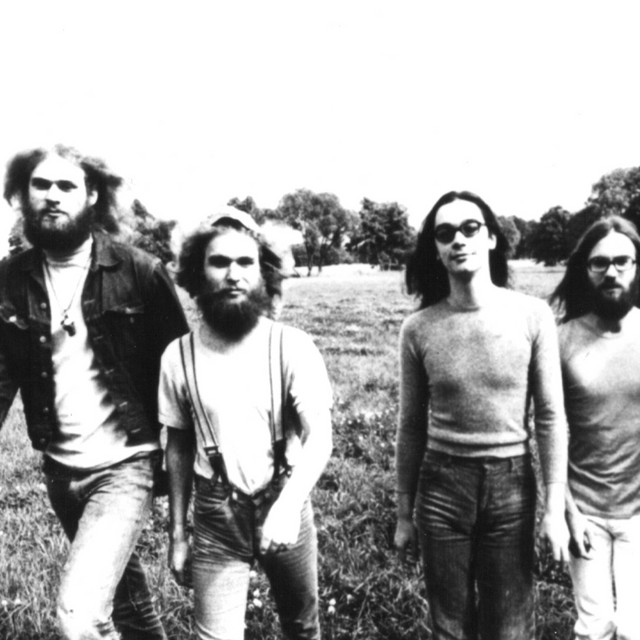
Faust
Krautrock
Experimental
Experimental Rock
2
/5
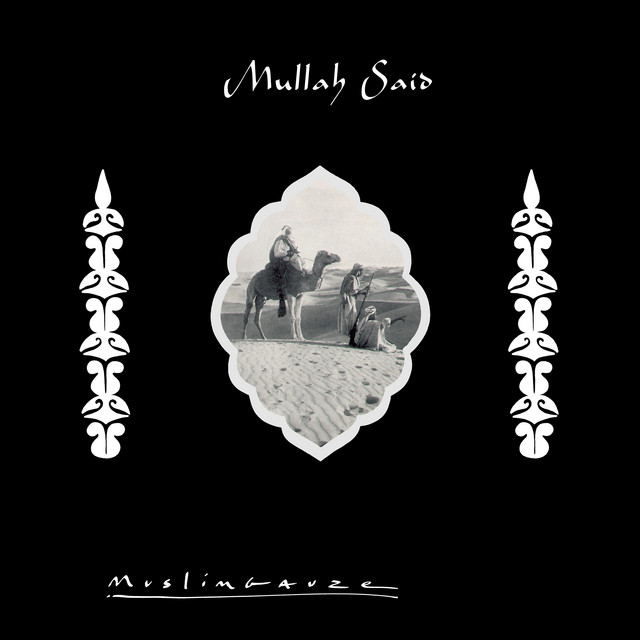
Muslimgauze
Experimental
Industrial
Electronic
2
/5
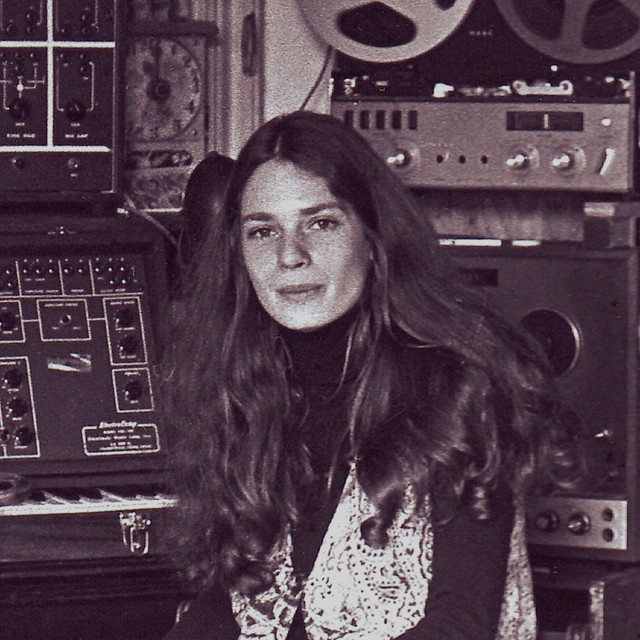
Laurie Spiegel
Ambient
Avant-Garde
Drone
Download our mobile app
Get the Melodigging app and start digging for new genres on the go
Download on the App Store
Get it on Google Play
© 2026 Melodigging
Give feedback
About & FAQ
Legal
Melodding was created as a tribute to
Every Noise at Once
, which inspired us to help curious minds keep digging into music's ever-evolving genres.