Genres
Artists
Albums
Make Music
Sign in
Sign in
Artists
Free Jazz
Artists
Free Jazz
Inner Ear Brigade
2017
·
1 album
Listen
1
/5
Genres
Neo-Canterbury
Neo-Canterbury is a contemporary revival and extension of the classic Canterbury Scene, reimagined by modern progressive musicians. It blends jazzy harmony, whimsical melodicism, and light, conversational vocals with updated production and occasional indie or neo-psych colors. Expect warm electric pianos (Rhodes), organ and synth leads, agile bass lines, woodwinds (sax/flute), and nimble drumming in shifting meters. Compared to its 1970s ancestor, Neo-Canterbury typically has clearer, more hi‑fi sonics, tighter arrangements, and a gently modern rhythmic feel—yet keeps the playful, elegant, and pastoral spirit intact.
Discover
Listen
Jam Band
Jam band is a rock-centered style defined by extended improvisation, fluid song structures, and live performance as the core creative medium. It blends elements of psychedelic rock, blues, jazz, country rock, folk rock, funk, and bluegrass, favoring modal grooves and open-ended forms over radio-length arrangements. Sets commonly feature segues between songs, dynamic builds and releases, and thematic development in real time—turning concerts into unique, unrepeatable experiences. Audience culture (taping, trading, and multi-night runs) and a festival ecosystem are integral to the genre’s identity, making the community as central as the repertoire.
Discover
Listen
Jazz Fusion
Jazz fusion (often simply called "fusion") blends the improvisational language and harmonic richness of jazz with the amplified instruments, grooves, and song forms of rock, funk, and R&B. It typically features electric guitars, electric bass or fretless bass, Rhodes electric piano, clavinet, analog and digital synthesizers, and a drum kit playing backbeat- and syncopation-heavy patterns. Hallmarks include extended chords and modal harmony, complex and shifting meters, brisk unison lines, virtuosic improvisation, and a production aesthetic that embraces effects processing and studio craft. The style ranges from fiery, aggressive workouts to polished, atmospheric textures, often within the same piece. Emerging in the late 1960s and flourishing through the 1970s, jazz fusion became a bridge between jazz audiences and rock/funk listeners, shaping later styles such as jazz-funk, smooth jazz, nu jazz, and parts of progressive and technical rock/metal.
Discover
Listen
Progressive Rock
Progressive rock is a rock subgenre that expands the genre’s formal, harmonic, and conceptual boundaries. It favors long-form compositions, intricate arrangements, and virtuosic musicianship, often drawing on Western classical, jazz, folk, and psychedelic idioms. Typical hallmarks include multi-part suites, shifting time signatures, extended instrumental passages, recurring motifs, and concept albums that present unified themes or narratives. The sound palette commonly features electric guitar, bass, and drums alongside an array of keyboards (Hammond organ, Mellotron, Moog/ARP synthesizers, piano), woodwinds or brass, and occasional orchestral additions. Lyrics often explore science fiction, mythology, philosophy, social commentary, and introspective themes.
Discover
Listen
Space Rock
Space rock is a psychedelic branch of rock characterized by long-form, hypnotic grooves, swirling guitars awash in delay and reverb, and prominent analog synthesizers that evoke cosmic or interstellar imagery. The music often emphasizes texture and atmosphere over conventional song structures, creating expansive soundscapes that feel weightless and otherworldly. Emerging in late-1960s Britain from the overlap of psychedelic rock, early progressive rock, and experimental electronics, space rock frequently employs motorik-leaning rhythms, modal or drone-based harmony, and science-fiction themes. Extended improvisations, phased and fuzz-drenched timbres, and tape or echo effects are common, encouraging a sense of forward drift and cosmic exploration.
Discover
Listen
Free Jazz
Free jazz is a radical branch of jazz that rejects fixed chord progressions, strict meter, and conventional song forms in favor of collective improvisation, textural exploration, and spontaneous interaction. Musicians prioritize timbre, dynamics, and gesture as much as pitch and harmony, often using extended techniques (multiphonics, overblowing, prepared piano) and unconventional sounds. While rooted in the blues and earlier jazz vocabularies, free jazz frees improvisers from pre-set harmonic cycles, allowing lines to unfold over tonal centers, shifting modes, drones, or complete atonality. Rhythm sections may float without a steady pulse, or drive with layered polyrhythms and “energy playing.” The result ranges from contemplative soundscapes to cathartic, high-intensity eruptions. Culturally, the genre intersected with the civil rights era and broader avant-garde movements, emphasizing autonomy, community, and new possibilities for musical expression.
Discover
Listen
Albums
2017
1
/5
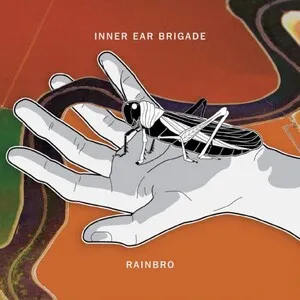
Rainbro
Inner Ear Brigade
Neo-Canterbury
Similar artists
1
/5
Embryo
Krautrock
Jazz
Jazz Rock
1
/5
Various Artists
Afro-Funk
Alternative Rock
Ambient
2
/5
Ozric Tentacles
Jam Band
Space Rock
Livetronica
2
/5
Soft Machine
Jazz Fusion
Progressive Rock
Canterbury Scene
2
/5
Gong
Canterbury Scene
Space Rock
Progressive Rock
2
/5
Marco Minnemann
Big Beat
Jazz Fusion
Progressive Metal
2
/5
Magma
Progressive Rock
Avant-Prog
Rock
2
/5
Kraan
Krautrock
Jazz Fusion
Jazz Rock
2
/5
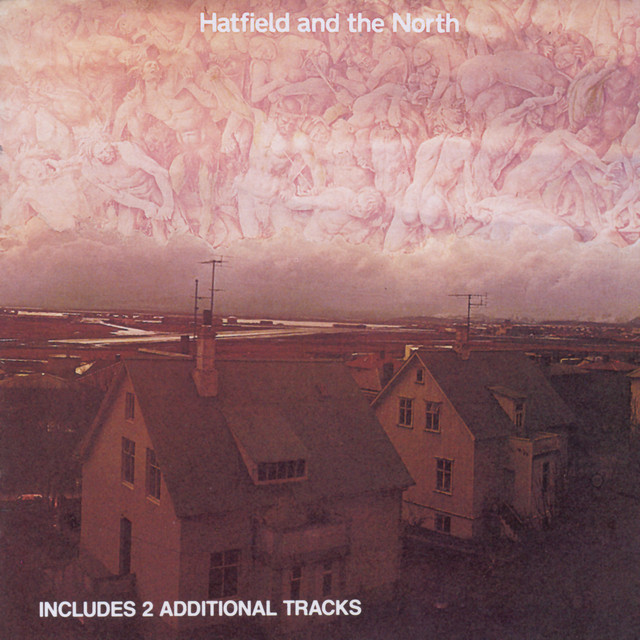
Hatfield & The North
Canterbury Scene
Jazz Rock
Art Rock
2
/5
Dweezil Zappa
Jam Band
Jazz Fusion
Progressive Rock
Download our mobile app
Get the Melodigging app and start digging for new genres on the go
Download on the App Store
Get it on Google Play
© 2026 Melodigging
Give feedback
Legal
Melodding was created as a tribute to
Every Noise at Once
, which inspired us to help curious minds keep digging into music's ever-evolving genres.