Genres
Artists
Albums
Make Music
Sign in
Sign in
Artists
Baltic Folk Music
Artists
Baltic Folk Music
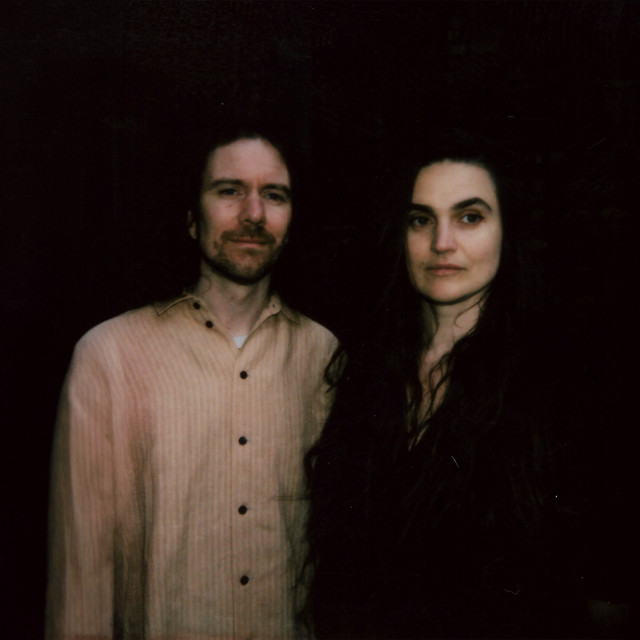
Indrė Jurgelevičiūtė
2015–2024
·
2 albums
Listen
1
/5
Genres
Shimmer Psych
Shimmer psych is a contemporary strand of neo‑psychedelia that pairs sparkling, chorus‑washed guitars and gauzy vocal harmonies with dreamy pop songcraft. It emphasizes high‑end "shimmer," tape‑soft saturation, hypnagogic textures, and melodic hooks, sitting between dream pop, jangle pop, and classic psychedelic rock. Typical tracks are mid‑tempo, built on warm bass lines, gentle motorik or laid‑back breakbeats, and drenched in reverb, phaser, and delay. The result is sun‑bleached, nostalgic, and kaleidoscopic rather than heavy or jam‑oriented.
Discover
Listen
Fluxwork
Fluxwork is a contemporary microgenre of electronic music optimized for sustained concentration and “flow state” listening. It blends the warmth and space of ambient with the pulse and structure of minimal techno and microhouse, emphasizing unobtrusive rhythms and gradual, textural movement. Tracks usually feature understated four-on-the-floor or gently broken patterns, soft sidechained pads, subtle arpeggios, and carefully filtered transitions. Vocals, if present at all, are sparse and textural. The result is music that feels propulsive yet calm—capable of fading into the background while quietly supplying kinetic focus.
Discover
Listen
New Isolationism
New isolationism is a contemporary strain of isolationist ambient and post-industrial minimalism that emerged in the 2010s, particularly around Scandinavian experimental labels and studios. It foregrounds intimate, close-mic’d sound, negative space, and a quiet-but-present noise floor; its pieces feel both internal and architectural, like rooms built from reverb tails, tape hiss, and soft electronics. Sonically, the style blends glacial drones, fragile chamber timbres (strings, organ, piano), lo‑fi electronics, and field recordings into stark, slow-evolving tableaux. Melodic information is sparse—often only a few tones or gestures—while rhythm is either absent or reduced to distant pulses, heartbeats, or mechanical cycles. Vocals, when they appear, are murmured, diaristic, or abstracted by pitch and time manipulation. Aesthetically, new isolationism is post‑internet and diaristic: it captures solitude, memory, and dislocation with a palette that feels personal yet estranged, drawing as much from contemporary gallery sound practice as from classic dark ambient.
Discover
Listen
Baltic Folk Music
Baltic folk music refers to the traditional and revivalist musics of the Baltic region, primarily Lithuania and Latvia (Baltic language cultures), and often extending to Estonia (a Finnic culture within the Baltic states). It encompasses ancient vocal traditions, ritual song repertoires tied to the calendar year, and a wide variety of dance tunes that absorbed Central and Northern European influences in the 19th century. Characteristic elements include narrow-range, modal melodies; drones and heterophony; strophic poetic forms with dense alliteration; and multipart singing traditions such as Lithuanian sutartinės and Estonian regilaul (runo songs). Iconic instruments are the regional box zithers (kanklės in Lithuania, kokle in Latvia, kannel in Estonia), as well as birbynė (reed), skudučiai (panpipes), torupill (Estonian bagpipe), fiddle, and accordion. The genre also thrives in powerful choral traditions and large-scale Song and Dance Festivals that underscore communal identity and continuity.
Discover
Listen
Lithuanian Folk Music
Lithuanian folk music is the traditional music of Lithuania, marked by ancient multipart singing (sutartinės), modal melodies, and a close connection to the agrarian ritual calendar. It features both monophonic and polyphonic practices, distinctive secondal harmonies and canonic entrances in sutartinės, and a rich palette of instruments such as the kanklės (Baltic zither), birbynė (reed pipe), lamzdelis (flute), daudytė (wooden trumpet), ragai (horns), skrabalai (wooden bells), dambrelis (jaw harp), and later additions like fiddle and accordion. Lyrics commonly reference nature, family, work, and life-cycle rites, and are strongly tied to regional styles (Aukštaitija, Žemaitija/Samogitia, Dzūkija, Suvalkija).
Discover
Listen
Griot
Griot (also called jeli/jali) is the hereditary West African tradition of poet-singers, historians, and musicians whose craft combines storytelling, praise-singing, genealogy, diplomacy, and music. It is centered in the Mande world of today’s Mali, Senegal, Gambia, and Guinea, and is best known for virtuosic performances on the kora (21‑string harp-lute), balafon (xylophone), and ngoni (lute), alongside powerful, ornamented vocals. Griot music is structured around cyclical ostinatos with improvisatory flourishes, call-and-response, and text that preserves communal memory—epics, lineages, and moral instruction—delivered in languages such as Mandinka and Bambara. While deeply traditional, the griot aesthetic has adapted to modern stages and studios, influencing global “world music,” West African pop, and blues-derived styles.
Discover
Listen
Albums
2024
1
/5
Vėjula
Merope
Baltic Folk Music
Lithuanian Folk Music
2015
1
/5
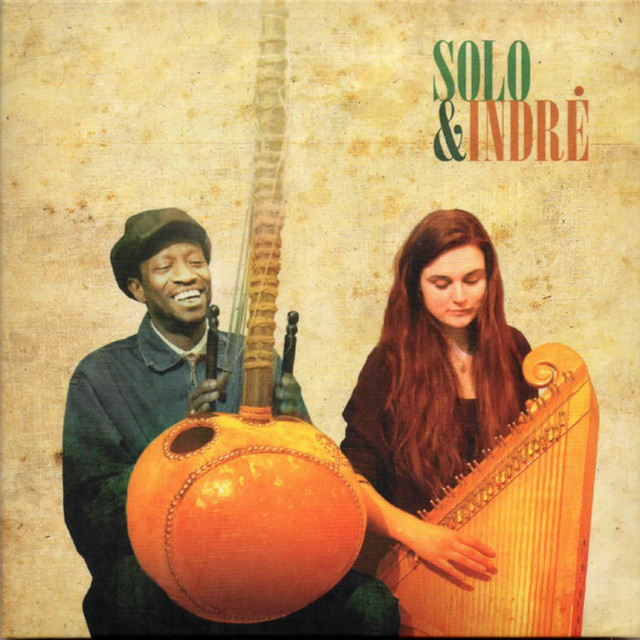
Solo & Indre
Solo Cissokho & Indrė Jurgelevičiūtė
Baltic Folk Music
Lithuanian Folk Music
Griot
Similar artists
1
/5
merope
Shimmer Psych
Baltic Folk Music
Lithuanian Folk Music
1
/5
Solo Cissokho
Traditional Folk
Baltic Folk Music
Griot
2
/5
Ugniavijas
Lithuanian Folk Music
Baltic Folk Music
Folk
1
/5
Gyvata
Baltic Folk Music
Lithuanian Folk Music
1
/5
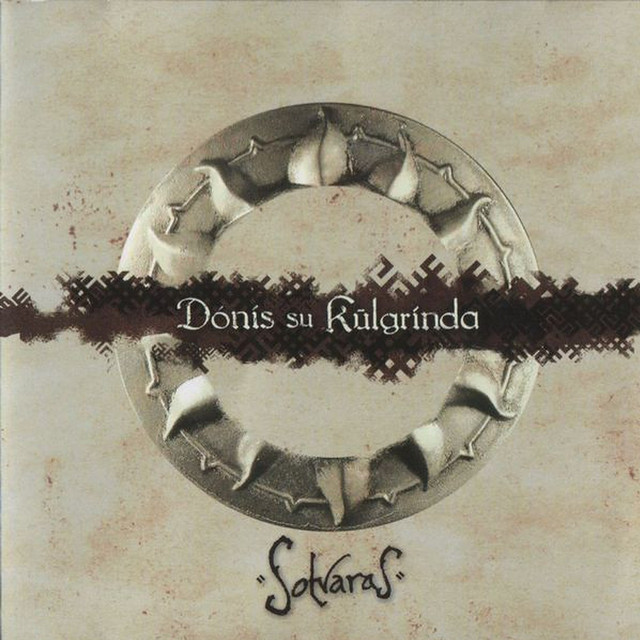
Kūlgrinda
Baltic Folk Music
Lithuanian Folk Music
1
/5
Atalyja
Lithuanian Folk Music
Baltic Folk Music
Folk
1
/5
DONIS
Baltic Folk Music
Lithuanian Folk Music
Electronic
1
/5
Veronika Povilioniene
Lithuanian Folk Music
Traditional Folk
Baltic Folk Music
1
/5
Saulius Petreikis
Baltic Folk Music
Lithuanian Folk Music
1
/5
Virginija Pievos
Baltic Folk Music
Lithuanian Folk Music
Download our mobile app
Get the Melodigging app and start digging for new genres on the go
Download on the App Store
Get it on Google Play
© 2026 Melodigging
Give feedback
Legal
Melodding was created as a tribute to
Every Noise at Once
, which inspired us to help curious minds keep digging into music's ever-evolving genres.