Genres
Artists
Albums
Make Music
Sign in
Sign in
Artists
Death Metal
Artists
Death Metal
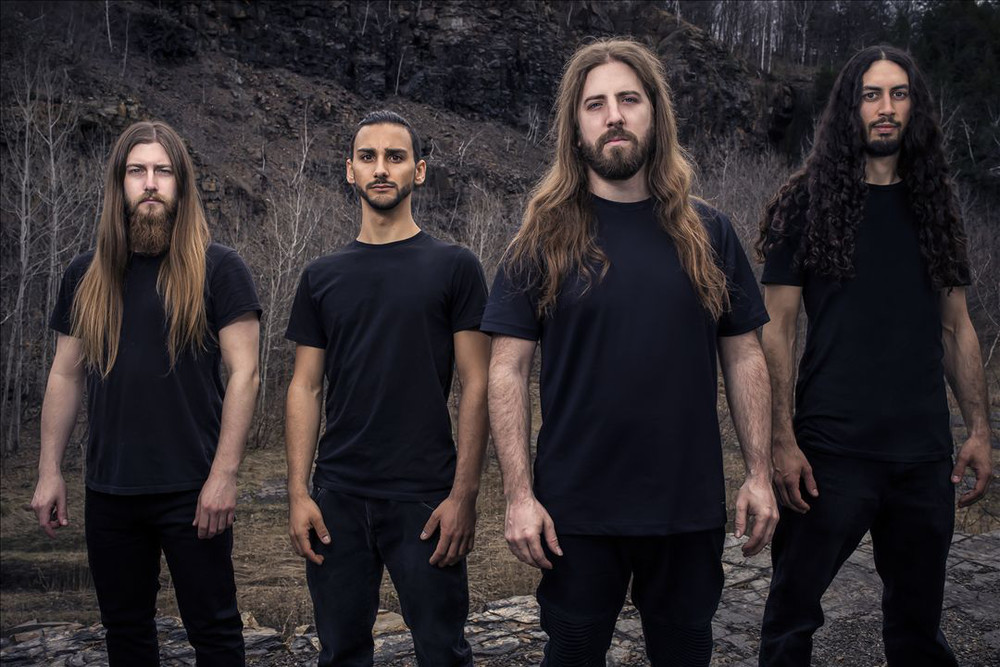
Inanimate Existence
2022
·
1 album
Listen
1
/5
Genres
Slamming Deathcore
Slamming deathcore is an especially heavy, groove-focused branch of deathcore that fuses the massive, "caveman" slam riffs of brutal/slam death metal with the breakdown-driven structures of metalcore. It emphasizes ultra‑low guitar tunings, tectonic half‑time "slams," rapid alternation with blasts, and extremely guttural vocals (pig squeals, tunnel growls, and inhales/exhales). Modern productions often add sub‑bass drops, tightly edited drums, and layered vocal effects for maximum impact. Lyrical themes tend toward horror, cosmic or apocalyptic imagery, and exaggerated brutality, though some bands bring sci‑fi or mythological concepts into the mix. The resulting sound is relentlessly percussive, groove‑centric, and built for mosh‑inducing impact.
Discover
Listen
Cavernous Death Metal
Cavernous death metal is a murky, reverb-drenched strain of old-school death metal that foregrounds claustrophobic atmosphere over clinical precision. Hallmarks include extremely downtuned guitars, tremolo-picked and chromatic riffing, lurching doom-laden passages, and very deep, often indecipherable guttural vocals. Production aesthetics are central: drums are thunderous yet blurred, guitars and bass form a monolithic wall of low-end, and large-room or plate reverbs smear the mix to evoke the feeling of sound emanating from a subterranean chamber. Rather than bright, high-fidelity tones, the style prefers darkness, distance, and density—suggesting sinister space, decay, and ancient dread. Compositionally it draws on early 1990s death and death-doom blueprints, but the 2010s revival codified the "cavernous" sound as a distinct aesthetic, emphasizing mood, negative space, and oppressive resonance as much as riffcraft.
Discover
Listen
Deathcore
Deathcore is an extreme metal subgenre that fuses the riff language and vocal extremity of death metal with the breakdown‑centric impact of metalcore and its hardcore roots. Typical hallmarks include brutally palm‑muted and tremolo‑picked guitar riffs on low tunings, blast‑beat focused drumming with double‑kick barrages, and guttural growls, tunnel throats, and high shrieks. Songs commonly pivot into half‑time, groove‑heavy breakdowns designed for maximum physical impact. As a distinct movement, deathcore coalesced in the early 2000s and reached wider prominence in the mid‑2000s via internet platforms and relentless touring, even though earlier 1990s bands had already flirted with fusing death metal and hardcore elements.
Discover
Listen
Progressive Technical Death Metal
Progressive technical death metal blends the extremity and precision of technical death metal with the expansive song forms, sophisticated harmony, and conceptual ambition of progressive metal. Hallmarks include dazzling instrumental virtuosity; complex, often polymetric rhythms; frequent tempo and meter changes; extended chords and modal harmony; contrapuntal guitar/bass writing; and dynamic contrasts that move from blast‑beat ferocity to atmospheric interludes. Vocals typically range from death growls to processed/clean timbres, and lyrics often shift away from gore to philosophical, scientific, or existential themes. Production favors clarity to reveal dense arrangements: tight, percussive guitar tones (often with 7–8 strings), articulate bass (often fretless), and highly detailed drum capture. Many bands incorporate jazz fusion phrasing and classical voice‑leading into riffs and solos.
Discover
Listen
Death Metal
Death metal is an extreme subgenre of heavy metal defined by heavily distorted, low‑tuned guitars, rapid and complex riffing, blast beat drumming, and harsh guttural vocals. Its harmonic language favors chromaticism, dissonance, and tremolo-picked lines that create an ominous, abrasive atmosphere. Lyrically, death metal often explores dark or transgressive themes—mortality, mythology, anti-religion, psychological horror, and the macabre—sometimes with philosophical or social commentary. Production ranges from raw and cavernous to hyper-precise and technical, reflecting the genre’s many regional scenes and substyles. From the mid‑1980s Florida scene (Tampa) and parallel developments in the US, UK, and Sweden, death metal evolved into numerous branches including brutal death metal, technical death metal, melodic death metal, and death‑doom, each emphasizing different aspects of speed, complexity, melody, or heaviness.
Discover
Listen
Progressive Death Metal
Progressive death metal is a branch of death metal that fuses the genre’s extreme vocals, blast‑beat drumming, and downtuned riffing with progressive rock/metal traits such as long, multi‑section song forms, odd meters, dynamic contrasts, and frequent clean/acoustic passages. Compared with straight death metal, it places heavier emphasis on harmonic exploration (modal mixture, chromatic and dissonant voicings), rhythmic complexity (polymeter, tempo modulation), and conceptual or narrative albums. Many landmark bands also integrate jazz fusion vocabulary and instrumental virtuosity, creating music that is both aggressive and intricately arranged. Early and canonical exponents include acts that mixed death metal’s intensity with progressive rock’s ambition and jazz‑derived techniques.
Discover
Listen
Technical Death Metal
Technical death metal (often shortened to tech-death) is a virtuosic, hyper-detailed branch of death metal characterized by complex song structures, rapid-fire tempo changes, and high-performance musicianship. It fuses the extremity and heaviness of death metal with the rhythmic sophistication of progressive metal and the harmonic vocabulary of jazz fusion. Signature elements include odd and shifting time signatures, polyrhythms, dissonant and chromatic harmony, through-composed or non-repeating structures, and intricate contrapuntal interplay between guitars and bass (often fretless). Drumming emphasizes precision blast beats, rapid double-kick patterns, metric modulation, and constant subdivision changes. Vocals are primarily deep growls or harsh screams, while lyrics frequently explore science, philosophy, metaphysics, and cosmology alongside the genre’s traditional dark themes. Production tends to favor clarity and separation to make dense arrangements intelligible, with tight, gated guitars, articulate bass presence, and drum sounds that capture transient detail. The result is aggressive, cerebral, and often breathtakingly technical music that rewards close listening.
Discover
Listen
Show all 7 genres
Albums
2022
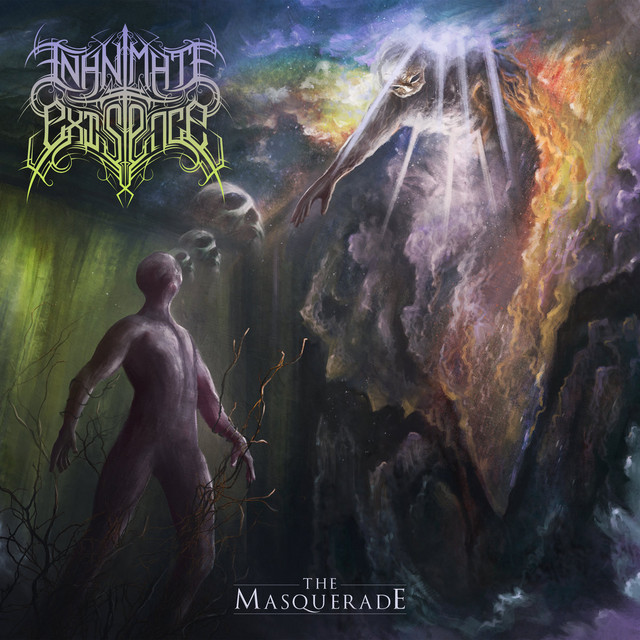
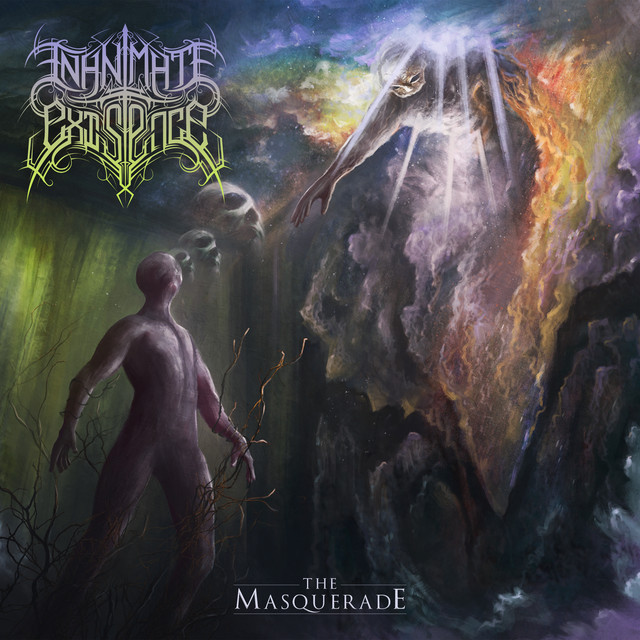
The Masquerade
Inanimate Existence
Progressive Technical Death Metal
Similar artists
2
/5
Beyond Creation
Technical Brutal Death Metal
Technical Death Metal
Progressive Metal
1
/5
Atlantis Chronicles
Death Metal
Technical Melodic Death Metal
Technical Death Metal
1
/5
Exocrine
French Death Metal
Death Metal
Deathcore
2
/5
Entheos
Progressive Death Metal
Death Metal
Deathcore
2
/5
Fallujah
Melodic Death Metal
Death Metal
Deathcore
2
/5
Soreption
Technical Groove Metal
Technical Brutal Death Metal
Technical Death Metal
1
/5
Cult of Lilith
Death Metal
Deathcore
Melodic Death Metal
3
/5
Rivers of Nihil
Death Metal
Progressive Metal
Deathcore
1
/5
Fractal Universe
Death Metal
Melodic Death Metal
Progressive Metal
1
/5
Virvum
Death Metal
Progressive Technical Death Metal
Progressive Death Metal
Download our mobile app
Get the Melodigging app and start digging for new genres on the go
Download on the App Store
Get it on Google Play
© 2026 Melodigging
Give feedback
Legal
Melodding was created as a tribute to
Every Noise at Once
, which inspired us to help curious minds keep digging into music's ever-evolving genres.