Genres
Artists
Albums
Make Music
Sign in
Sign in
Artists
Classical
Artists
Classical
Ileana Cotrubas
1975–1978
·
2 albums
Listen
3
/5
Genres
Choral Symphony
A choral symphony is a large-scale symphonic work that integrates chorus (and often vocal soloists) into the symphonic fabric, rather than treating the voices as an add-on or separate cantata-like appendix. Pioneered most famously by Beethoven’s Symphony No. 9 (1824), the genre fuses the instrumental architecture of the symphony with texted, choral expression drawn from sacred and secular traditions. Composers use the chorus to broaden timbral range, intensify climaxes, and articulate philosophical or narrative ideas that purely instrumental music cannot directly convey. Across the 19th and 20th centuries, choral symphonies ranged from liturgical meditations (Stravinsky’s Symphony of Psalms) to epic, humanistic statements (Mahler’s Symphonies Nos. 2 and 8; Vaughan Williams’s A Sea Symphony), and politically charged works (Shostakovich’s Symphony No. 13).
Discover
Listen
Symphony
A symphony is a large-scale composition for orchestra, typically cast in multiple movements that contrast in tempo, key, and character. In the Classical era, the most common layout was four movements: a fast opening movement (often in sonata form), a slow movement, a dance-like movement (minuet or later scherzo), and a fast finale. Over time, the symphony evolved from compact works of the mid-18th century into expansive, architecturally ambitious statements in the 19th and 20th centuries. Composers increasingly treated the symphony as a vehicle for thematic development, cyclical unity, and dramatic narrative—sometimes programmatic, sometimes abstract—using the full coloristic range of the modern orchestra. While rooted in Classical balance and clarity, symphonies incorporate a wide spectrum of harmonic languages and orchestral techniques. From Haydn’s wit and structural innovation to Beethoven’s heroic scope, Mahler’s cosmic breadth, and Shostakovich’s modern intensity, the symphony has remained a central pillar of Western concert music.
Discover
Listen
Opéra Comique
Opéra comique is a French operatic genre defined by the presence of spoken dialogue between musical numbers rather than by comic subject matter. Early works used popular tunes (vaudevilles) with newly written words, later evolving into fully original scores with arias, ensembles, finales, and orchestral writing. Originating in Paris fairground theatres, the genre developed at the Opéra-Comique institution into a flexible form that could encompass light, humorous plots as well as serious and even tragic stories. By the 19th century it ranged from graceful, classical elegance to full Romantic drama—so much so that a tragedy like Bizet’s Carmen is still called an opéra comique because it originally included spoken dialogue. Typical features include an overture, clear French prosody, memorable lyrical numbers (romances, couplets), conversational pacing, and finales that integrate multiple characters on stage. Harmony and orchestration track the broader shift from late Baroque/Classical clarity to Romantic color and intensity.
Discover
Listen
Opera
Opera is a large-scale theatrical genre that combines music, drama, and visual spectacle, in which the story is primarily conveyed through singing accompanied by an orchestra. It unites solo voices, ensembles, and chorus with staging, costumes, and often dance to create a total artwork. Emerging in late Renaissance Italy and flourishing in the Baroque era, opera developed signature forms such as recitative (speech-like singing that advances the plot) and aria (lyrical numbers that explore character and emotion). Over the centuries it evolved diverse national styles—Italian bel canto, French grand opéra, German music drama—while continually experimenting with orchestration, harmony, narrative structure, and stagecraft.
Discover
Listen
Classical
Classical music is the notated art-music tradition of Europe and its global descendants, characterized by durable forms, carefully codified harmony and counterpoint, and a literate score-based practice. The term “classical” can refer broadly to the entire Western art-music lineage from the Medieval era to today, not just the Classical period (c. 1750s–1820s). It privileges long-form structures (such as symphonies, sonatas, concertos, masses, and operas), functional or modal harmony, thematic development, and timbral nuance across ensembles ranging from solo instruments to full orchestras and choirs. Across centuries, the style evolved from chant and modal polyphony to tonal harmony, and later to post-tonal idioms, while maintaining a shared emphasis on written notation, performance practice, and craft.
Discover
Listen
Albums
1978
2
/5
Carmen
Georges Bizet
Opéra Comique
1975
1
/5
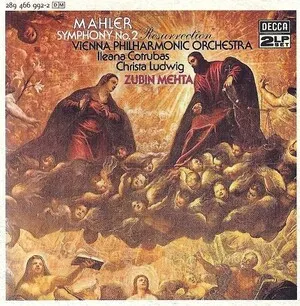
Symphony No. 2 "Resurrection"
Gustav Mahler
Choral Symphony
Classical
Symphony
Similar artists
4
/5
Berliner Philharmoniker
Classical
Romantic Classical
Romanticism
4
/5
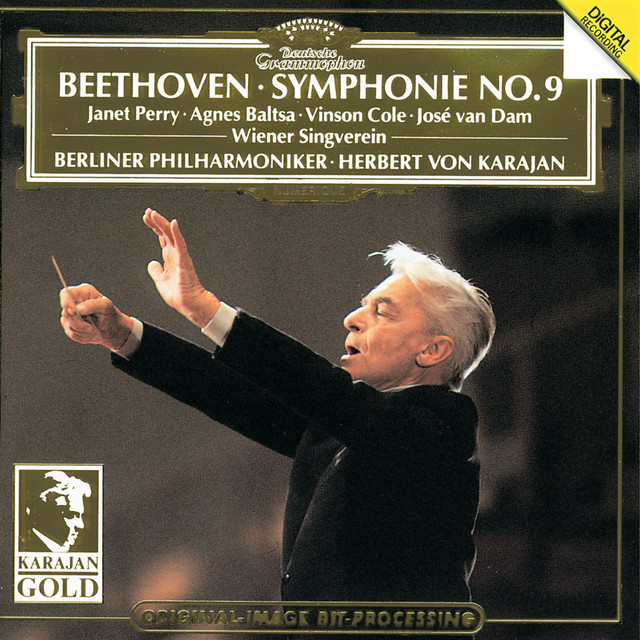
Herbert von Karajan
Classical
Symphonic Poem
Symphony
4
/5
Philharmonia Orchestra
Classical
Opera
Choral
3
/5
Sir Georg Solti
Classical
Romantic Classical
Romanticism
2
/5
José van Dam
Classical
Opera
Requiem
2
/5
Agnes Baltsa
Classical
Requiem
Opera
4
/5
Wiener Philharmoniker
Classical
Romantic Classical
Romanticism
4
/5
Zubin Mehta
Classical
Classical Performance
Opera
3
/5
Dietrich Fischer-Dieskau
Art Song
Lied
Classical
3
/5
Wiener Staatsopernchor
Classical
Requiem
Opera
Download our mobile app
Get the Melodigging app and start digging for new genres on the go
Download on the App Store
Get it on Google Play
© 2026 Melodigging
Give feedback
Legal
Melodding was created as a tribute to
Every Noise at Once
, which inspired us to help curious minds keep digging into music's ever-evolving genres.