Genres
Artists
Albums
Make Music
Sign in
Sign in
Artists
Classical
Artists
Classical
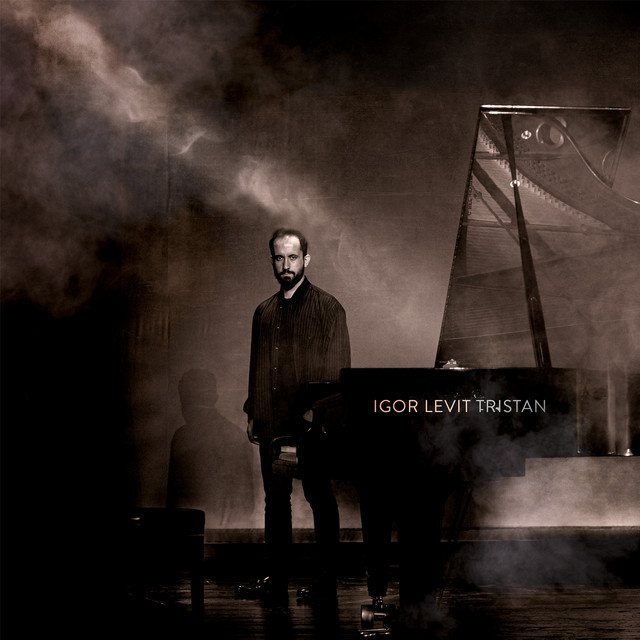
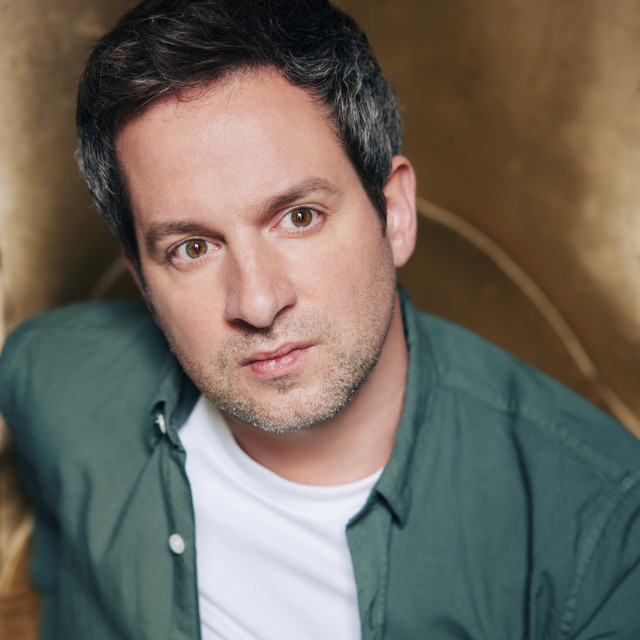
Igor Levit
2016–2022
·
2 albums
Listen
3
/5
Genres
American Contemporary Classical
American contemporary classical is the broad umbrella for concert music created in the United States from the mid‑20th century to the present. It includes post‑war modernist currents, radical experimentalism, minimalist process music, and today’s post‑genre, postmodern eclecticism. Hallmarks include expanded harmonic palettes (from atonality and serialism to neo‑tonality and modal writing), rhythmic innovation (pulse‑driven minimalism, additive meters, phasing), a keen interest in timbre (extended techniques, prepared instruments, unconventional ensembles), and a deep engagement with technology (tape, electronics, live processing). American strands often braid in vernacular influences—jazz, rock, folk hymnody—alongside rigorous “uptown” academic traditions, yielding a scene that is both institutionally grounded and fiercely independent.
Discover
Listen
Austro-German Modernism
Austro-German modernism is a current in early 20th‑century classical music centered in Vienna, Berlin, and other cultural hubs of the German‑speaking world. It is marked by the break with late‑Romantic tonality through chromatic saturation, atonality, and ultimately systematic twelve‑tone/serial procedures; a heightened, often expressionist intensity of gesture; concentrated motivic work; and refined attention to timbre (including Klangfarbenmelodie). While many composers retained or reimagined traditional forms, their harmonic language, rhythm, and orchestration pursued a radical new expressivity. Beyond its signature pitch techniques, the movement embraced new vocal practices (such as Sprechstimme), chamber ensembles of novel makeup, and an aesthetics that oscillated between ecstatic subjectivity and ascetic concentration. Its innovations set the groundwork for much of 20th‑ and 21st‑century concert music.
Discover
Listen
American Classical Piano
American classical piano refers to piano works written by composers from the United States and the distinctive performance traditions that grew around them. Blending European classical foundations with quintessentially American idioms (ragtime, jazz, blues, folk hymnody, spirituals), the repertoire stretches from 19th‑century virtuoso salon pieces through radical 20th‑century experimentation (tone clusters, prepared piano, player‑piano studies) to post‑minimal and post‑classical writing. Its language ranges from Romantic lyricism to modernist abstraction and from gospel‑tinged harmonies to rhythmically propulsive, jazz‑inflected textures. Because the piano served as a household, concert, and experimental laboratory instrument in the U.S., the genre is both cosmopolitan and vernacular: equally at home in the recital hall and in cross‑genre dialogues with Broadway, film, and popular music.
Discover
Listen
Classical Piano
Classical piano is the tradition of composing and performing music for the acoustic piano within the Western classical lineage. It emphasizes formal clarity, tonal harmony, contrapuntal writing, and expressive nuance across the full compass of the instrument. Its core repertoire ranges from Classical-era sonatas and variations to Romantic character pieces, études, dances, and 20th-century impressionistic and modernist works. Pianists exploit dynamics, articulation, pedaling, and touch to shape phrases, imitate orchestral textures, and project both intimate lyricism and large-scale drama.
Discover
Listen
Early Modern Classical
Early modern classical is Western art music from the early modern era, spanning roughly the 1500s through the mid-1700s. It includes late Renaissance polyphony and the major stylistic changes of the Baroque period, such as the rise of tonal harmony, basso continuo, virtuosic instrumental writing, and dramatic vocal genres. Typical sound worlds range from intricate a cappella choral counterpoint to richly ornamented solo/ensemble music with harpsichord and continuo bass, and from courtly dance suites to large-scale sacred works and early opera.
Discover
Listen
Classical
Classical music is the notated art-music tradition of Europe and its global descendants, characterized by durable forms, carefully codified harmony and counterpoint, and a literate score-based practice. The term “classical” can refer broadly to the entire Western art-music lineage from the Medieval era to today, not just the Classical period (c. 1750s–1820s). It privileges long-form structures (such as symphonies, sonatas, concertos, masses, and operas), functional or modal harmony, thematic development, and timbral nuance across ensembles ranging from solo instruments to full orchestras and choirs. Across centuries, the style evolved from chant and modal polyphony to tonal harmony, and later to post-tonal idioms, while maintaining a shared emphasis on written notation, performance practice, and craft.
Discover
Listen
Albums
2022
Tristan
Igor Levit, Gewandhausorchester, Franz Welser-Möst
Austro-German Modernism
Early Modern Classical
2016
The People United Will Never Be Defeated! - 36 Variations on ¡El pueblo unido jamás será vencido!
Frederic Rzewski, Igor Levit
American Contemporary Classical
American Classical Piano
Similar artists
4
/5
Claude Debussy
Impressionism
Classical
Classical Piano
4
/5
Daniel Barenboim
Impressionism
Classical
Chamber Music
3
/5
Vladimir Ashkenazy
Concerto
Chamber Music
Classical
3
/5
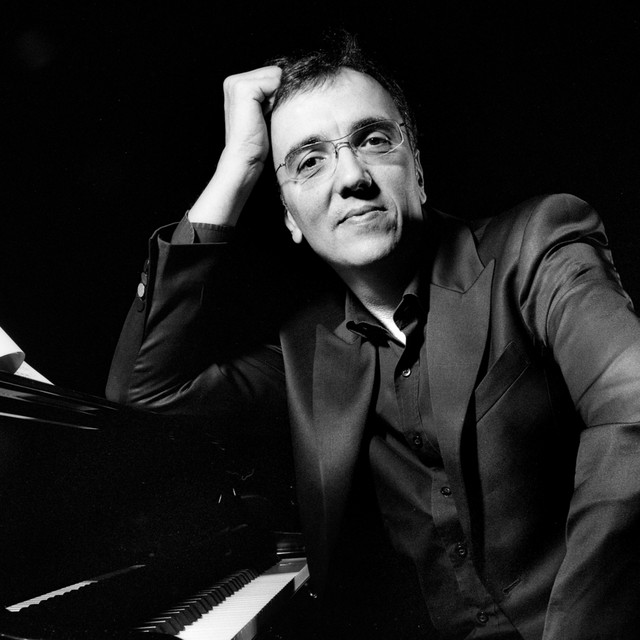
Bertrand Chamayou
Classical
Classical Piano
Impressionism
3
/5
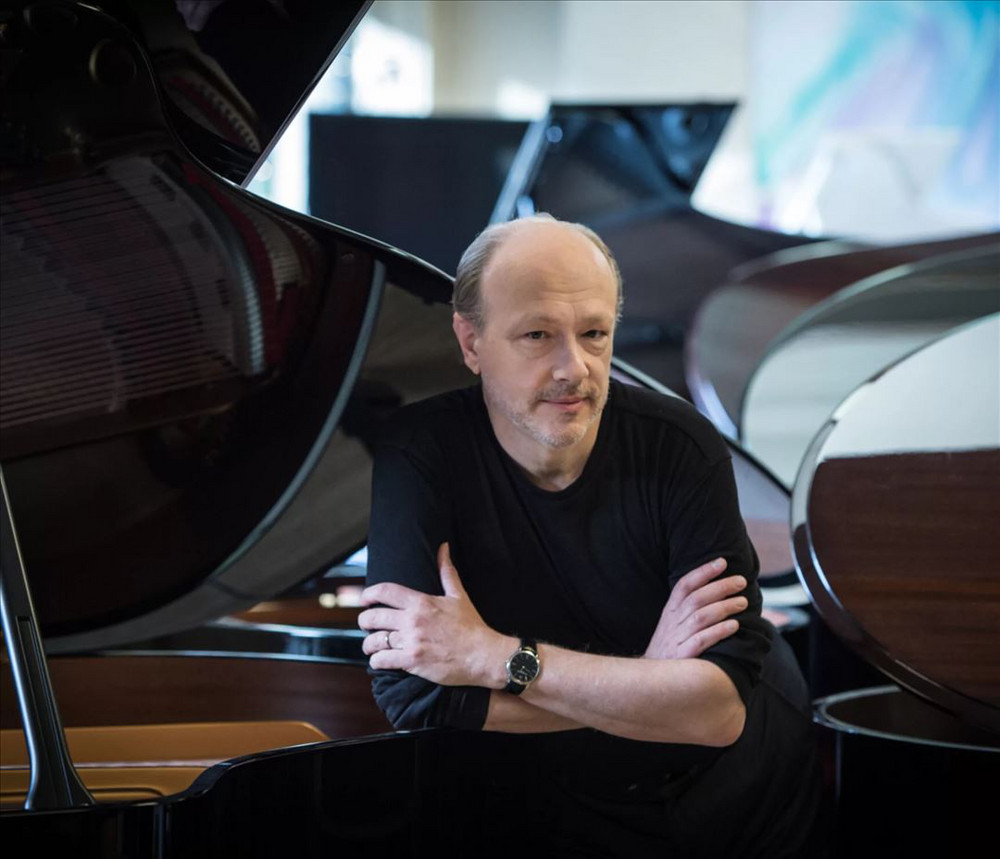
Marc-André Hamelin
Chamber Music
Classical
Classical Piano
3
/5
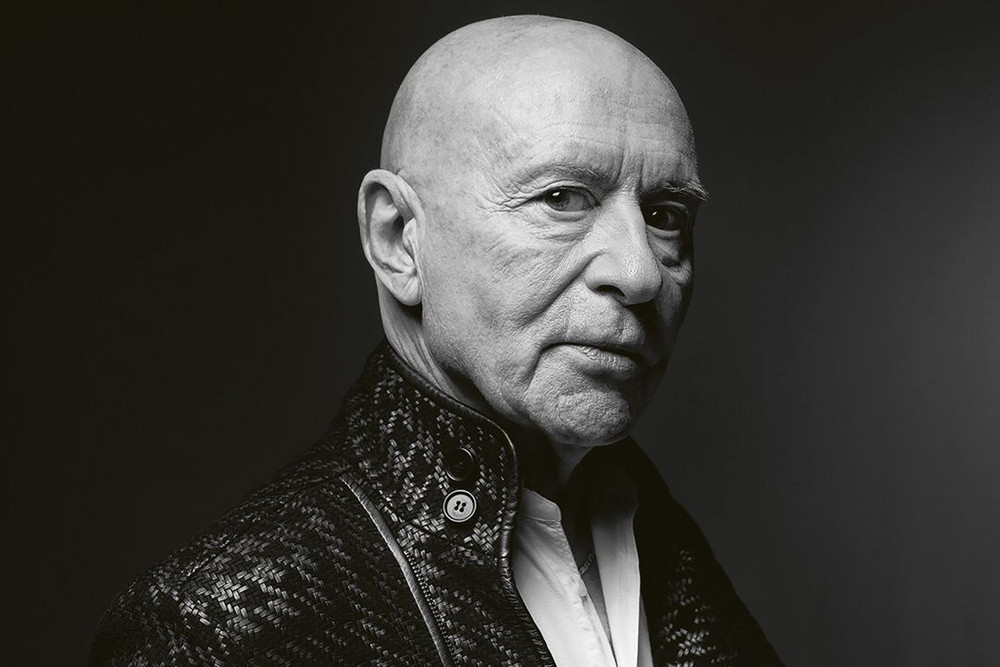
Christoph Eschenbach
Chamber Music
Classical
Classical Piano
2
/5
Eric Le Sage
Classical
Impressionism
Chamber Music
2
/5
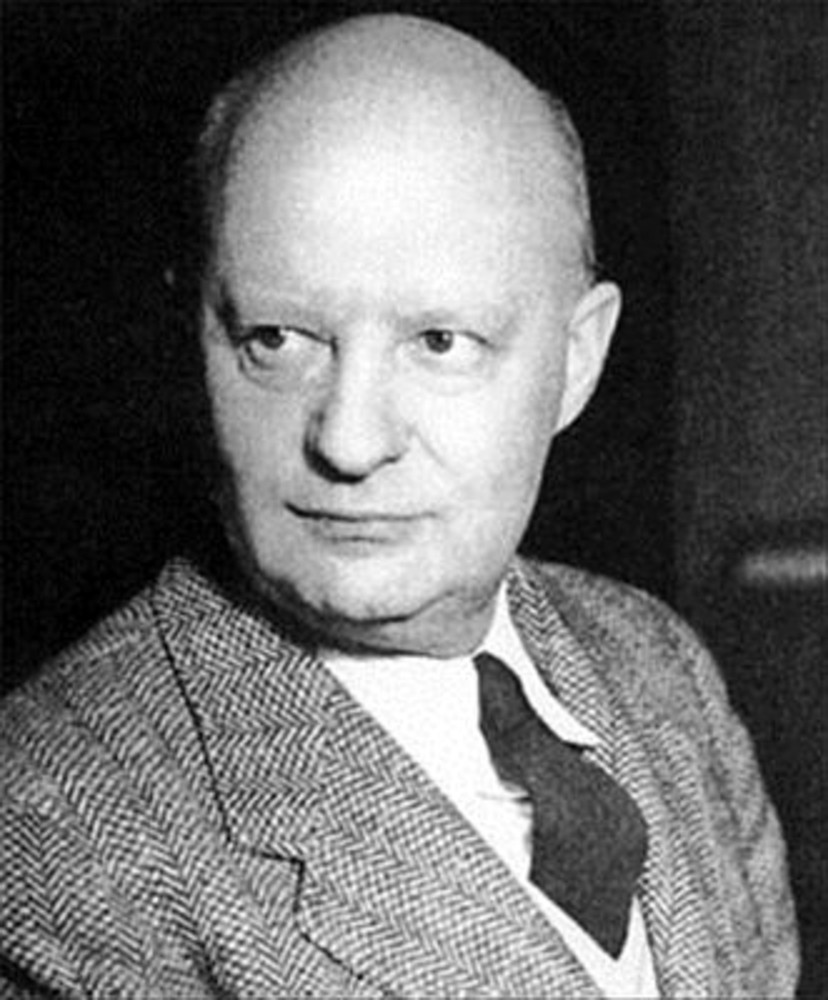
Paul Hindemith
Neoclassicism
Classical
Classical Piano
3
/5
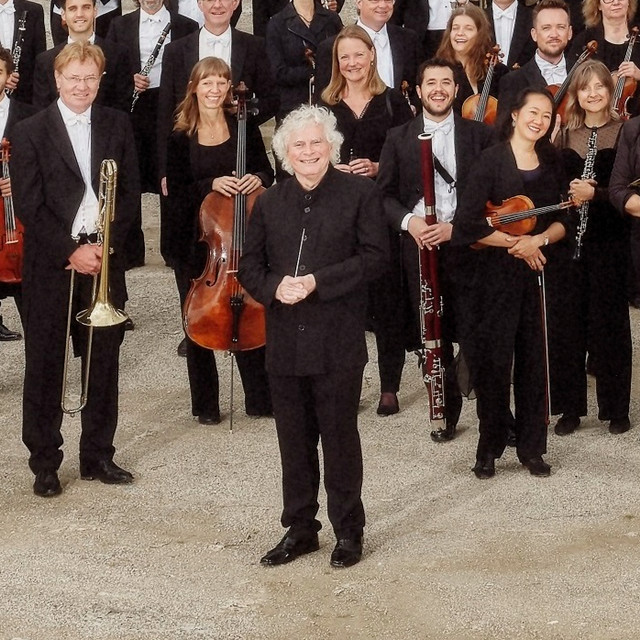
Bavarian Radio Symphony Orchestra
Austro-German Modernism
Classical
Classical Contralto
3
/5
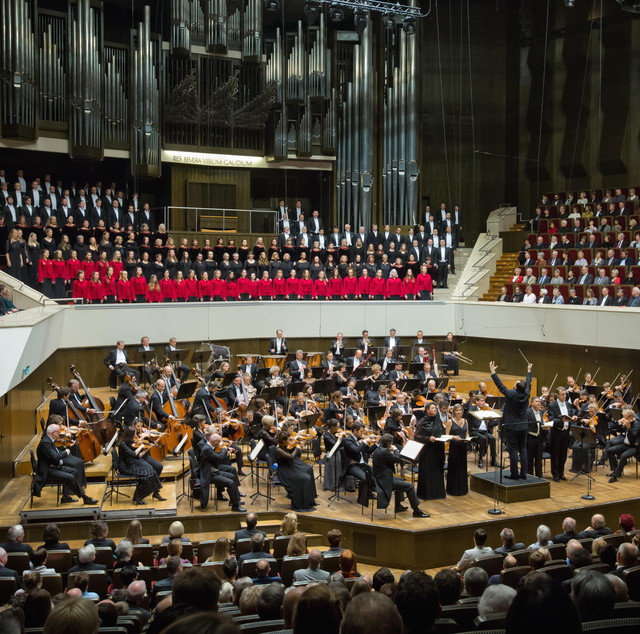
Gewandhausorchester
Classical
Concerto
Orchestral
Download our mobile app
Get the Melodigging app and start digging for new genres on the go
Download on the App Store
Get it on Google Play
© 2026 Melodigging
Give feedback
Legal
Melodding was created as a tribute to
Every Noise at Once
, which inspired us to help curious minds keep digging into music's ever-evolving genres.