Genres
Artists
Albums
Make Music
Sign in
Sign in
Artists
Neo-Psychedelia
Artists
Neo-Psychedelia
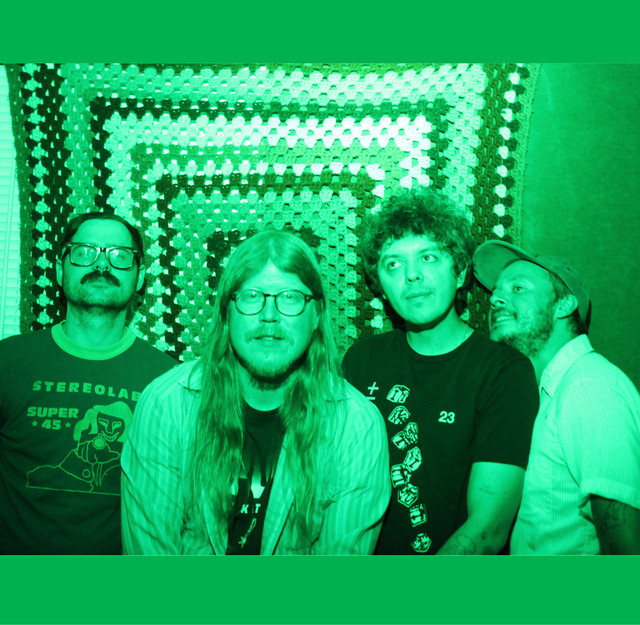
Holy Wave
Listen
2
/5
Genres
Shimmer Psych
Shimmer psych is a contemporary strand of neo‑psychedelia that pairs sparkling, chorus‑washed guitars and gauzy vocal harmonies with dreamy pop songcraft. It emphasizes high‑end "shimmer," tape‑soft saturation, hypnagogic textures, and melodic hooks, sitting between dream pop, jangle pop, and classic psychedelic rock. Typical tracks are mid‑tempo, built on warm bass lines, gentle motorik or laid‑back breakbeats, and drenched in reverb, phaser, and delay. The result is sun‑bleached, nostalgic, and kaleidoscopic rather than heavy or jam‑oriented.
Discover
Listen
Texasgaze
Texasgaze is a regional strain of modern shoegaze that crystallized in Texas during the 2010s. It blends the immersive guitar wash and hazy vocals of classic shoegaze with the grit and heft of Southern grunge, noise rock, and post-hardcore. Compared with dreamier UK-inspired scenes, texasgaze typically runs hotter and heavier: high‑gain guitars, drop‑tuned or thickly voiced riffs, and punchy, live‑room drums sit under breathy, often buried vocals. The result is both enveloping and physical—equal parts shimmering atmosphere and concrete, stage‑shaking impact.
Discover
Listen
Channel Pop
Channel pop is a digital-era strain of mainstream pop shaped by video and creator platforms—especially YouTube and later TikTok and Instagram—where artists build audiences through frequent uploads on their own “channels.” Musically it favors intimate, highly polished but close-mic’d vocals, acoustic guitar or piano-led arrangements, restrained beats, and succinct, playlist-friendly structures. Many releases are cover-first (reimagining recent chart hits) with a steady flow of glossy singles, session-style performances, and creator collaborations that gradually blend into original material. Titles, artwork, and release cadence are optimized for search and recommendation algorithms, yielding a sound that is simultaneously personal and platform-aware.
Discover
Listen
Modern Jangle Pop
Modern jangle pop is a contemporary revival of the classic jangle sound, built around clean, chiming, and often lightly compressed single‑coil or 12‑string guitar tones that articulate bright arpeggios and strummed eighth‑notes. It blends the melodic immediacy and hook craft of indie pop and power pop with the wistful, literate sensibility of C86 and college‑rock, frequently favoring concise song forms, melodic basslines, and tight, propulsive rhythms over heaviness. Compared to its 1980s forebears, modern jangle pop often incorporates subtle dream‑pop shimmer, tasteful reverb, and a polished yet intimate production aesthetic associated with contemporary indie. Lyrically it leans bittersweet and nostalgic, framing everyday moments, fleeting romance, and young‑adult anxieties in tuneful, singable choruses.
Discover
Listen
Indie
Indie (short for “independent”) began as music made and released outside the major-label system, where a DIY ethos shaped everything from songwriting and recording to artwork and touring. As a sound, indie is eclectic but often features jangly or overdriven guitars, intimate or understated vocals, melodic basslines, and unvarnished production that foregrounds authenticity over gloss. It spans rock, pop, and folk while welcoming electronic textures and lo‑fi aesthetics. Lyrics typically focus on personal observation, small details, and wry self-awareness rather than overt virtuosity or spectacle. Beyond style, indie describes a culture: small labels and stores, college/alternative radio, fanzines/blogs, community venues, and scenes that value experimentation, individuality, and artistic control.
Discover
Listen
Indie Pop
Indie pop is a melodic, DIY-rooted branch of alternative music that blends the immediacy of pop songwriting with the independence and aesthetics of underground scenes. It typically features jangly, clean-toned guitars, tuneful bass lines, compact song structures, and intimate, literate lyrics that balance sweetness with subtle melancholy. The sound often leans toward bright chord progressions, earworm choruses, and understated production, favoring charm and personality over gloss. Culturally, indie pop is tied to small labels, fanzines, and community radio, with influential scenes and imprints such as Postcard, Sarah, and Creation laying the groundwork for its global diffusion.
Discover
Listen
Indie Rock
Indie rock is a subgenre of rock and a branch of alternative rock that coalesced in the early–mid 1980s around independent labels and DIY practices in the United Kingdom, the United States, and New Zealand. Defined less by a single sound than by an ethos, indie rock favors non‑mainstream approaches, self‑recording and small‑label distribution, and an interest in pop‑informed melody and eclectic experimentation. Hallmarks include jangly or fuzzed guitars, intimate or deadpan vocals, off‑kilter song structures, and production that often preserves a raw, “authentic” feel rather than glossy studio polish.
Discover
Listen
Neo-Psychedelia
Neo-psychedelia is a late-20th-century revival and reinvention of 1960s psychedelic music aesthetics, filtered through post-punk, indie, and experimental sensibilities. It emphasizes hypnotic textures, droning guitars, heavy use of effects (reverb, delay, phasing), analogue organs/synths, and dreamlike or surreal lyricism. Rhythms may draw from motorik and other steady, trance-inducing grooves, while harmony often favors modal colors and repetitive vamps. The style ranges from jangly, melodic songs to dense, feedback-laden soundscapes, and has been highly influential on dream pop, shoegaze, Britpop-adjacent scenes, and modern psych rock.
Discover
Listen
Space Rock
Space rock is a psychedelic branch of rock characterized by long-form, hypnotic grooves, swirling guitars awash in delay and reverb, and prominent analog synthesizers that evoke cosmic or interstellar imagery. The music often emphasizes texture and atmosphere over conventional song structures, creating expansive soundscapes that feel weightless and otherworldly. Emerging in late-1960s Britain from the overlap of psychedelic rock, early progressive rock, and experimental electronics, space rock frequently employs motorik-leaning rhythms, modal or drone-based harmony, and science-fiction themes. Extended improvisations, phased and fuzz-drenched timbres, and tape or echo effects are common, encouraging a sense of forward drift and cosmic exploration.
Discover
Listen
Psychedelic Pop
Psychedelic pop is a 1960s-born fusion that marries the hook-driven immediacy of pop with the timbral color, studio experimentation, and altered-perception aesthetics of psychedelic music. It favors concise song forms and memorable melodies while introducing unusual sounds (sitar, Mellotron, harpsichord), tape effects (backmasking, varispeed, flanging), and surreal or whimsical imagery. Compared to psychedelic rock, it is brighter, more tuneful, and radio-friendly, often wrapping adventurous production techniques in singable choruses and lush vocal harmonies.
Discover
Listen
Show all 10 genres
Similar artists
4
/5
MGMT
Indie Rock
Neo-Psychedelia
Psychedelic Pop
2
/5
Wooden Shjips
Indian Indie
Krautrock
Neo-Psychedelia
2
/5
Spectrum
Neo-Psychedelia
Shimmer Psych
Shoegaze
3
/5
The Flaming Lips
Noise Pop
Neo-Psychedelia
Psychedelic Pop
5
/5
Tame Impala
Psychedelic Pop
Indie
Neo-Psychedelia
5
/5
Cigarettes After Sex
Ambient Pop
Dream Pop
Shoegaze
4
/5
The Smashing Pumpkins
Alternative Rock
Grunge
Rock
4
/5
Djo
Psychedelic Pop
Indie Rock
Neo-Psychedelia
4
/5
Beach House
Dream Pop
Indie Rock
Dreamo
3
/5
Mild High Club
Indie Pop Rap
Neo-Psychedelia
Shimmer Psych
Download our mobile app
Get the Melodigging app and start digging for new genres on the go
Download on the App Store
Get it on Google Play
© 2026 Melodigging
Give feedback
Legal
Melodding was created as a tribute to
Every Noise at Once
, which inspired us to help curious minds keep digging into music's ever-evolving genres.