Genres
Artists
Albums
Make Music
Sign in
Sign in
Artists
Baião
Artists
Baião
Hermeto Pascoal
1970–2024
·
11 albums
Listen
2
/5
Genres
Samba-Jazz
Samba‑jazz is a Brazilian small‑combo style that fuses the propulsive, syncopated rhythms of samba with the harmony, form, and improvisational language of modern jazz (especially hard bop and cool jazz). It is typically more energetic and instrumental than bossa nova, emphasizing virtuosic interaction in piano‑trio and quartet/quintet settings. The drumming concept—pioneered by Edison Machado and others—moves the samba pulse to the ride cymbal and hi‑hat ("samba no prato"), while the bass suggests surdo patterns and the piano/guitar supplies rich jazz voicings. Heads are often concise, followed by swinging, straight‑eighth samba grooves under extended improvisations, and a tight return to the theme.
Discover
Listen
Jazz Fusion
Jazz fusion (often simply called "fusion") blends the improvisational language and harmonic richness of jazz with the amplified instruments, grooves, and song forms of rock, funk, and R&B. It typically features electric guitars, electric bass or fretless bass, Rhodes electric piano, clavinet, analog and digital synthesizers, and a drum kit playing backbeat- and syncopation-heavy patterns. Hallmarks include extended chords and modal harmony, complex and shifting meters, brisk unison lines, virtuosic improvisation, and a production aesthetic that embraces effects processing and studio craft. The style ranges from fiery, aggressive workouts to polished, atmospheric textures, often within the same piece. Emerging in the late 1960s and flourishing through the 1970s, jazz fusion became a bridge between jazz audiences and rock/funk listeners, shaping later styles such as jazz-funk, smooth jazz, nu jazz, and parts of progressive and technical rock/metal.
Discover
Listen
Bossa Nova
Bossa nova is a Brazilian popular music style that emerged in Rio de Janeiro in the late 1950s, blending samba’s syncopated pulse with the harmonic sophistication and understated cool of jazz. It is characterized by intimate, almost whispered vocals; a nylon‑string guitar playing the distinctive batida (a gently syncopated, two-beat accompaniment); subtle, brushed percussion; and lush, extended jazz harmonies. The mood is relaxed, refined, and full of saudade—a bittersweet sense of longing—often evoking images of Rio’s beaches, nightclubs, and urban modernity.
Discover
Listen
Brazilian Jazz
Brazilian jazz is the meeting point of Brazilian popular music and North American jazz, blending samba and bossa nova rhythms with jazz harmony, improvisation, and ensemble interaction. The style typically features syncopated Brazilian grooves (samba, bossa, partido‑alto) under extended jazz chord voicings and lyrical melodies. Acoustic guitar or piano often supplies a gently propulsive, off‑beat rhythmic bed, while bass and drums translate samba’s surdo and pandeiro patterns to the jazz rhythm section. Timbres range from intimate (nylon‑string guitar, brushed drum kit, flute) to expansive (full percussion batteries, horns, and electric keys). The overall feel can be both laid‑back and danceable—romantic yet harmonically sophisticated.
Discover
Listen
Experimental Big Band
Experimental big band is a forward-looking offshoot of the jazz big band tradition that applies avant‑garde composition, free improvisation, and nonstandard orchestrations to the classic large‑ensemble format. While it often retains a core lineup of saxophones, trumpets, trombones, and rhythm section, it commonly expands the palette with woodwind doublings, strings, electronics, unconventional percussion, and voice. Harmony ranges from extended tonal and modal writing to polytonality and atonality, often employing quartal/quintal harmony, tone clusters, and timbral (color‑based) harmonies. Rhythm favors odd meters, polyrhythms, metric modulation, and groove/texture hybrids. Forms may be through‑composed, modular, or suite‑like, and pieces frequently integrate conducted or cued improvisation, graphic notation, and other experimental score practices. Rather than a single codified style, experimental big band functions as an umbrella for large ensembles that push beyond swing and post‑bop arranging by drawing on contemporary classical approaches, free jazz, minimalism, electronics, and global traditions.
Discover
Listen
Avant-Garde Jazz
Avant-garde jazz is a boundary-pushing current of jazz that privileges experimentation, collective improvisation, and timbral exploration over conventional song forms and chord progressions. It often uses atonality or loose tonality, extended instrumental techniques, shifting or absent meters, and open forms. Ensembles may emphasize texture and density as much as melody and harmony, drawing as readily from modern classical music and non-Western traditions as from blues and bebop. While sometimes intense or noisy, avant-garde jazz also embraces spaciousness and silence, allowing players to interact in real time without predetermined roles. The result is music that questions the limits of jazz itself, foregrounding sound, spontaneity, and social expression.
Discover
Listen
Baião
Baião is a dance rhythm and song genre from Northeastern Brazil, characterized by a driving 2/4 groove led by the trio pé-de-serra: accordion (sanfona), zabumba (a double-headed bass drum), and triangle. Its hallmark is the syncopated interplay between the zabumba’s low and high strokes, a shimmering triangle ostinato, and accordion melodies that alternate between earthy, modal flavors and bright, diatonic hooks. Developed in rural contexts and urbanized on Brazilian radio, baião became a foundational pillar for the broader forró scene. Lyrically, classic baiões often reflect the sertão (semi-arid hinterland), drought, migration, longing (saudade), and everyday love and humor. The style’s compact harmonies, strong groove, and memorable refrains helped it travel far beyond its region, shaping Brazilian popular music for decades.
Discover
Listen
Latin Jazz
Latin jazz is a fusion of jazz harmony and improvisation with Afro–Latin American rhythms, song forms, and percussion. It combines the swing, bebop, and big-band traditions with clave-based grooves such as son, rumba, danzón, and mambo, and later integrates Brazilian feels like samba and bossa nova. Typical features include the use of the clave (2–3 or 3–2), piano montunos (guajeos), bass tumbao patterns, timbales cáscara, conga marcha, and call-and-response horn "mambo" figures. While the rhythm section locks into cyclical patterns, soloists improvise using the vocabulary of jazz, creating music that is both danceable and harmonically rich.
Discover
Listen
Jazz
Jazz is an improvisation-centered music tradition that emerged from African American communities in the early 20th century. It blends blues feeling, ragtime syncopation, European harmonic practice, and brass band instrumentation into a flexible, conversational art. Defining features include swing rhythm (a triplet-based pulse), call-and-response phrasing, blue notes, and extended harmonies built on 7ths, 9ths, 11ths, and 13ths. Jazz is as much a way of making music—spontaneous interaction, variation, and personal sound—as it is a set of forms and tunes. Across its history, jazz has continually hybridized, from New Orleans ensembles and big-band swing to bebop, cool and hard bop, modal and free jazz, fusion, and contemporary cross-genre experiments. Its influence permeates global popular and art music.
Discover
Listen
Northeastern Brazilian Music
Northeastern Brazilian music is an umbrella for the rich, dance‑driven and song‑centered traditions from Brazil’s Nordeste, spanning rural sertão sounds and vibrant coastal carnival repertoires. It gathers matrix styles such as forró (and its substyles baião, xote, xaxado), coco and embolada (repente), maracatu, frevo, ciranda, and more. Characterized by propulsive percussion (zabumba, alfaia, pandeiro), bright timbres (triangle, brass), and the signature diatonic accordion (sanfona), the region’s music balances joyous, communal dance grooves with lyrical narratives about sertão life, migration, love, drought, and resilience. Its rhythmic DNA mixes Portuguese dance forms with Afro‑Brazilian and Indigenous elements, producing syncopated two‑step feels and carnival‑ready cadences. From the early 20th century radio era to contemporary pop and hip‑hop fusions, Northeastern styles have continually refreshed Brazilian music at large, informing MPB, axé, and the Recife‑born mangue beat while sustaining strong local dance and festival circuits.
Discover
Listen
Show all 10 genres
Albums
2024
1
/5
Pra você, Ilza
Hermeto Pascoal & Grupo
Experimental Big Band
2018
2
/5
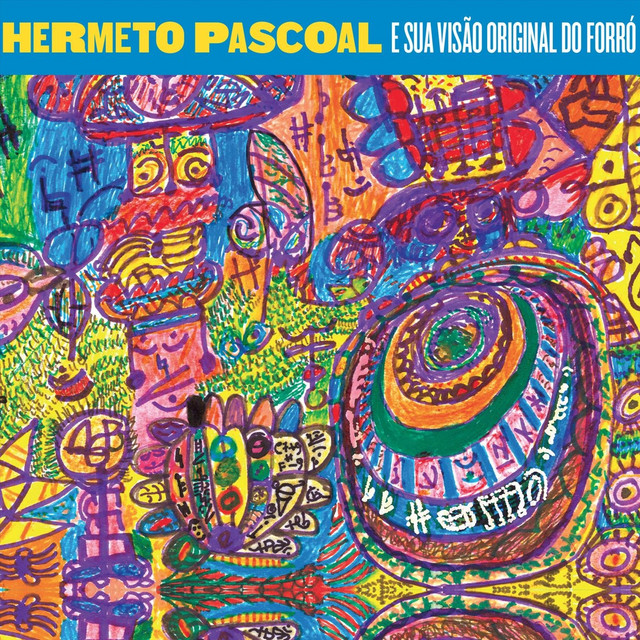
E Sua Visão Original do Forró
Hermeto Pascoal
Baião
1999
1
/5
Eu e Eles
Hermeto Pascoal
Baião
1999
1
/5
Eu e eles
Hermeto Pascoal
Baião
1997
1
/5
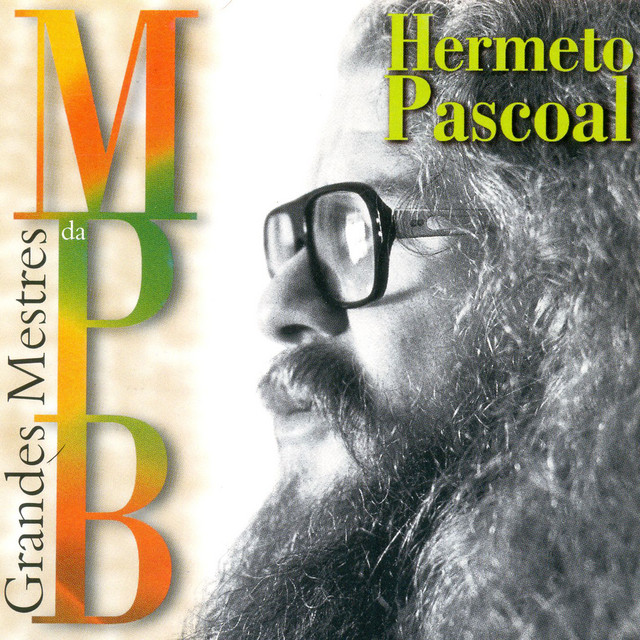
Grandes Mestres da MPB
Hermeto Pascoal
Baião
Samba-Jazz
1987
1
/5
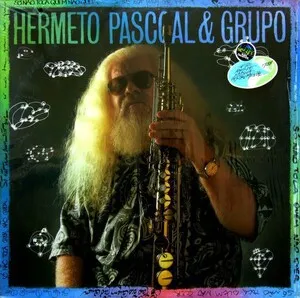
Só não toca quem não quer
Hermeto Pascoal & Grupo
Baião
Northeastern Brazilian Music
Experimental Big Band
1980
2
/5
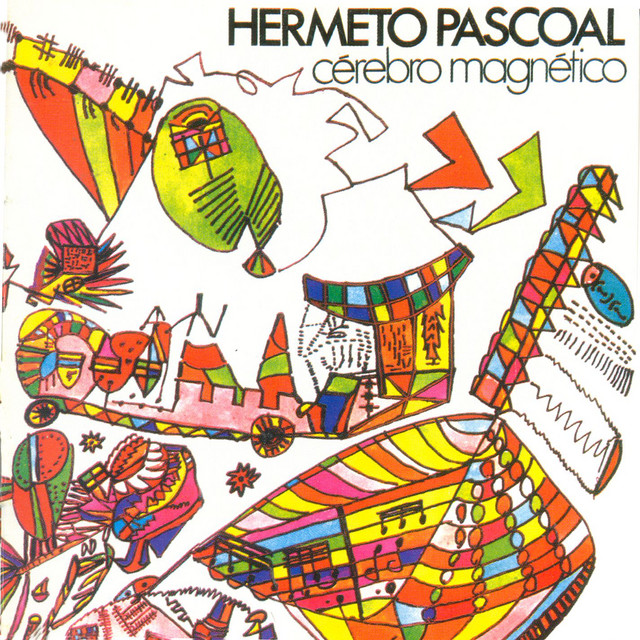
Cerebro Magnetico (Remasterizado)
Hermeto Pascoal
Baião
1979
2
/5
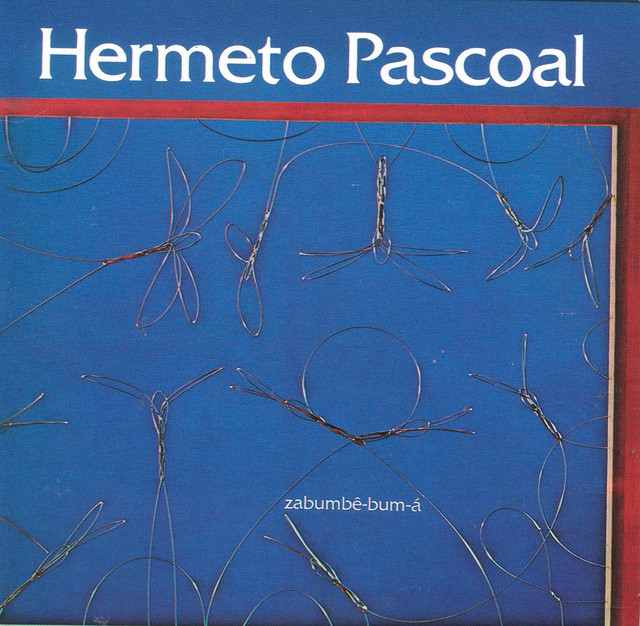
Zabumbe-Bum-A (Remasterizado)
Hermeto Pascoal
Baião
1977
2
/5
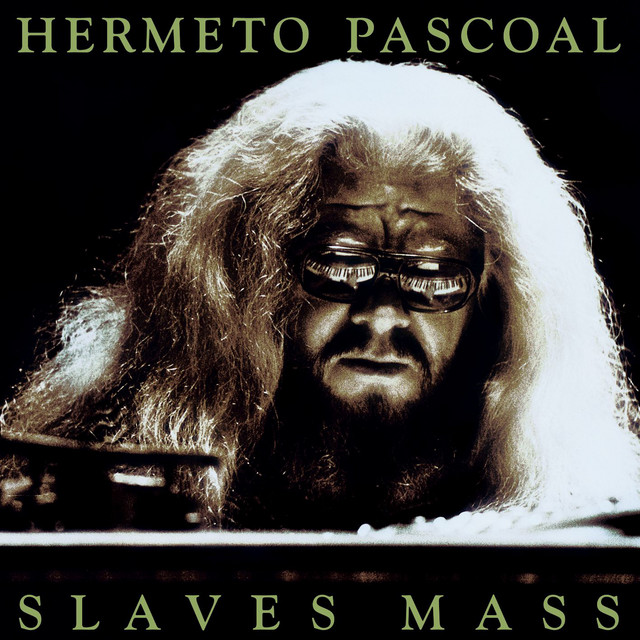
Slaves Mass (Expanded)
Hermeto Pascoal
Baião
1973
2
/5
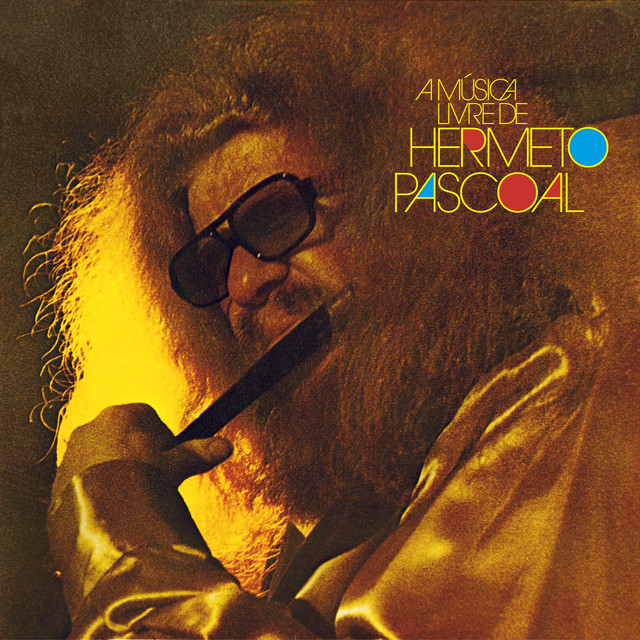
A Música Livre De Hermeto Pascoal
Hermeto Pascoal
Baião
1970
2
/5
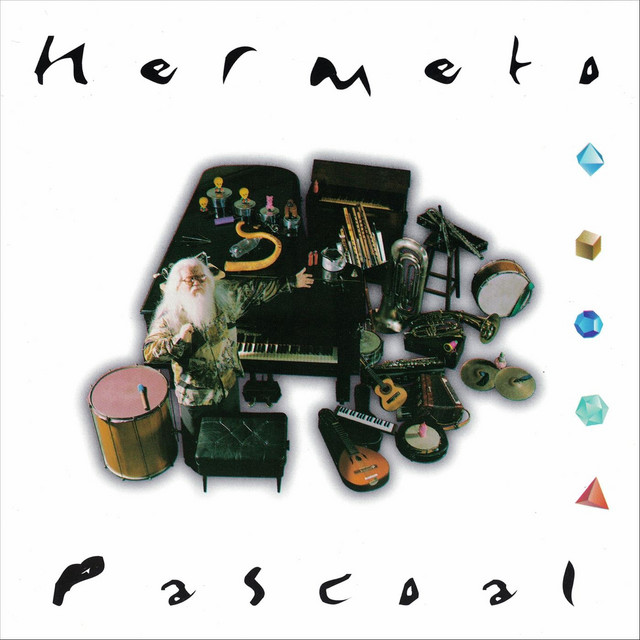
Hermeto
Hermeto Pascoal
Baião
Samba-Jazz
Similar artists
2
/5
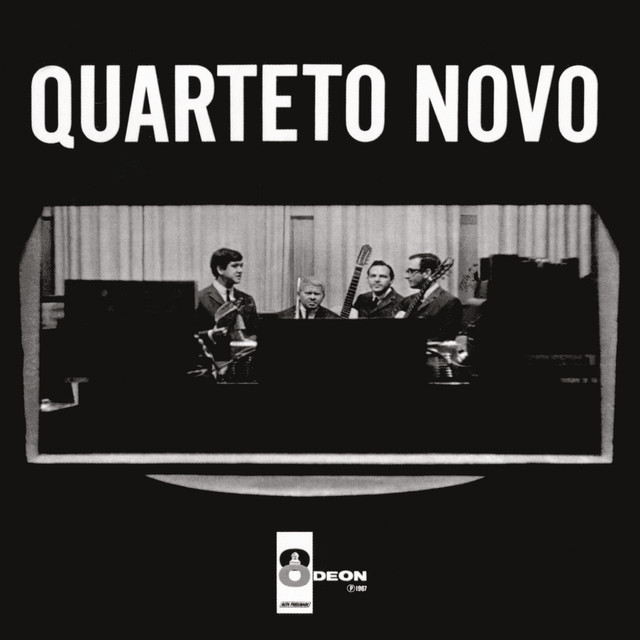
Quarteto Novo
Samba-Jazz
Bossa Nova
Brazilian Jazz
3
/5
João Donato
Bossa Nova
Latin Jazz
Brazilian Jazz
4
/5
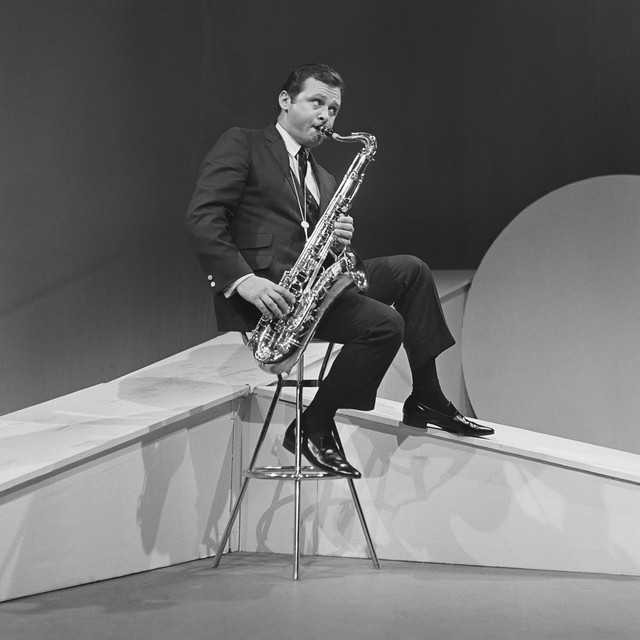
Stan Getz
Samba-Jazz
Bebop
Jazz
3
/5
Luiz Bonfá
Samba-Jazz
Bossa Nova
Latin Jazz
3
/5
Baden Powell
Samba-Jazz
Bossa Nova
Latin Jazz
2
/5
Moacir Santos
Latin Jazz
Samba-Jazz
Bossa Nova
2
/5
Tamba Trio
Samba-Jazz
Bossa Nova
Brazilian Jazz
2
/5
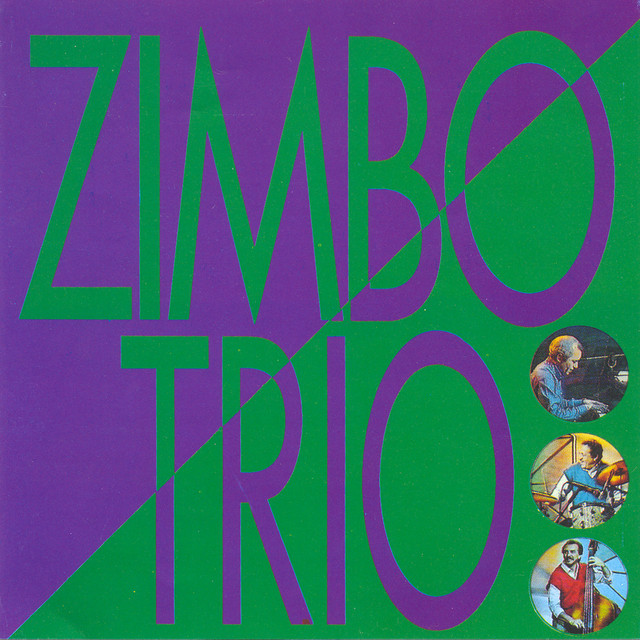
Zimbo Trio
Bossa Nova
Latin Jazz
Samba-Jazz
2
/5
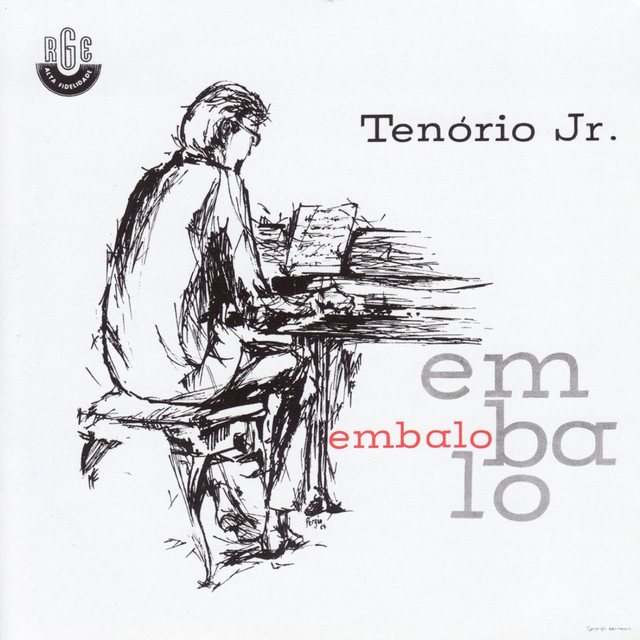
Tenorio Jr.
Samba-Jazz
Bossa Nova
Brazilian Jazz
4
/5
Antônio Carlos Jobim
Bossa Nova
Latin Jazz
Brazilian Jazz
Download our mobile app
Get the Melodigging app and start digging for new genres on the go
Download on the App Store
Get it on Google Play
© 2026 Melodigging
Give feedback
Legal
Melodding was created as a tribute to
Every Noise at Once
, which inspired us to help curious minds keep digging into music's ever-evolving genres.