Genres
Artists
Albums
Make Music
Sign in
Sign in
Artists
Gnawa
Artists
Gnawa
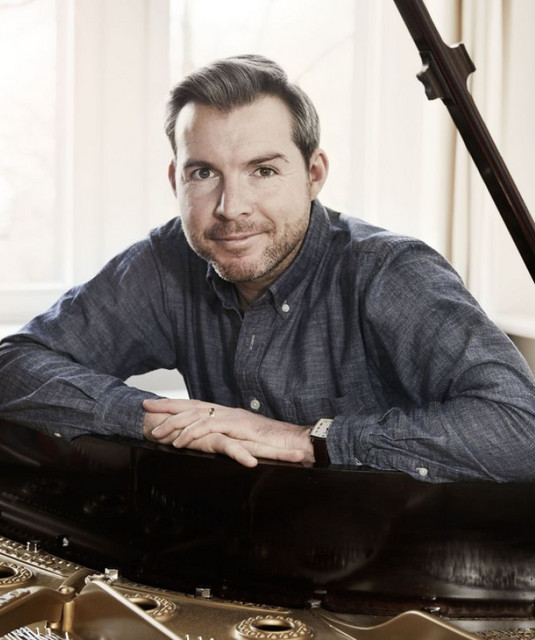
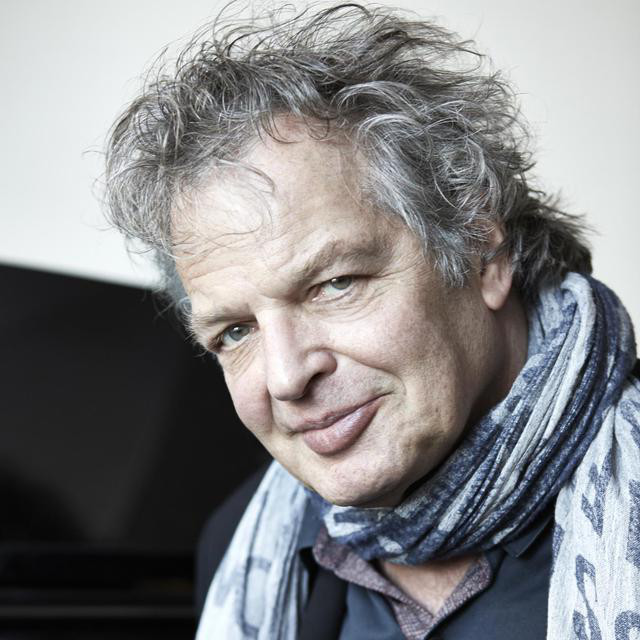
Gwilym Simcock
Listen
1
/5
Genres
Post-Bop
Post-bop is a modern jazz style that emerged in the early-to-mid 1960s as a synthesis of bebop, hard bop, modal jazz, cool jazz, third stream ideas, and the experimental impulses of the avant‑garde. It typically features acoustic small ensembles (often trumpet, saxophone, piano, bass, and drums) interacting with highly flexible time, non-functional or modal harmony, and motivic development rather than relying strictly on bebop chord cycles. Its sound balances structure and freedom: forms are clearly composed and often intricate, but improvisers stretch time feels, reharmonize on the fly, and use advanced harmonic colors such as quartal voicings, pedal points, and chromatic planing. Canonical touchstones include Miles Davis’s mid‑’60s Second Great Quintet (e.g., E.S.P., Nefertiti), Wayne Shorter’s Speak No Evil, Herbie Hancock’s Maiden Voyage, Andrew Hill’s Point of Departure, and many mid‑’60s Blue Note recordings that pushed beyond hard bop.
Discover
Listen
Third Stream
Third stream is a hybrid genre that intentionally merges the languages of jazz and Western classical music. Coined by composer and horn player Gunther Schuller in 1957, the term describes music that is neither "jazz with strings" nor classical music with a swing veneer, but a true synthesis. It typically combines classical forms (such as fugue, theme and variations, or concerto-like structures) and orchestration with jazz harmony, rhythm, and improvisation. The results range from chamber-sized works for jazz combo and string quartet to large pieces for orchestra and jazz soloists. Third stream pieces often alternate between fully notated sections and improvised passages, use counterpoint and extended harmony, and may blend straight and swung time feels within a single work.
Discover
Listen
Jazz
Jazz is an improvisation-centered music tradition that emerged from African American communities in the early 20th century. It blends blues feeling, ragtime syncopation, European harmonic practice, and brass band instrumentation into a flexible, conversational art. Defining features include swing rhythm (a triplet-based pulse), call-and-response phrasing, blue notes, and extended harmonies built on 7ths, 9ths, 11ths, and 13ths. Jazz is as much a way of making music—spontaneous interaction, variation, and personal sound—as it is a set of forms and tunes. Across its history, jazz has continually hybridized, from New Orleans ensembles and big-band swing to bebop, cool and hard bop, modal and free jazz, fusion, and contemporary cross-genre experiments. Its influence permeates global popular and art music.
Discover
Listen
Gnawa
Gnawa is a spiritual, trance-based music of Morocco associated with the Gnawa brotherhoods, a community with roots in sub‑Saharan Africa and Sufi Islam. It centers on a deep, percussive bass lute called the guembri (also known as sintir or hajhuj), the bright metallic clatter of iron castanets (qraqeb/krakebs), unison handclaps, and call‑and‑response vocals. Performances often unfold in an all‑night ritual called a lila (derdeba), where cyclical 6/8 grooves and repetitive chants invite communal participation and induce a trance state. The repertoire invokes saints and ancestral spirits (mluk), moving through color-coded suites and intensifying rhythmic layers. While firmly rooted in West African rhythmic sensibilities, Gnawa also absorbs Maghrebi and Sufi aesthetics, producing a sound that is both devotional and intensely groove‑driven.
Discover
Listen
Similar artists
3
/5
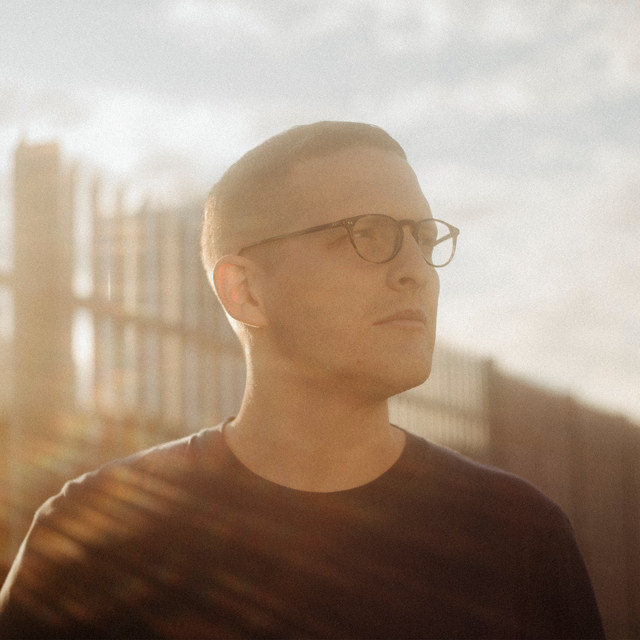
Floating Points
Electronic
Idm
Gnawa
3
/5
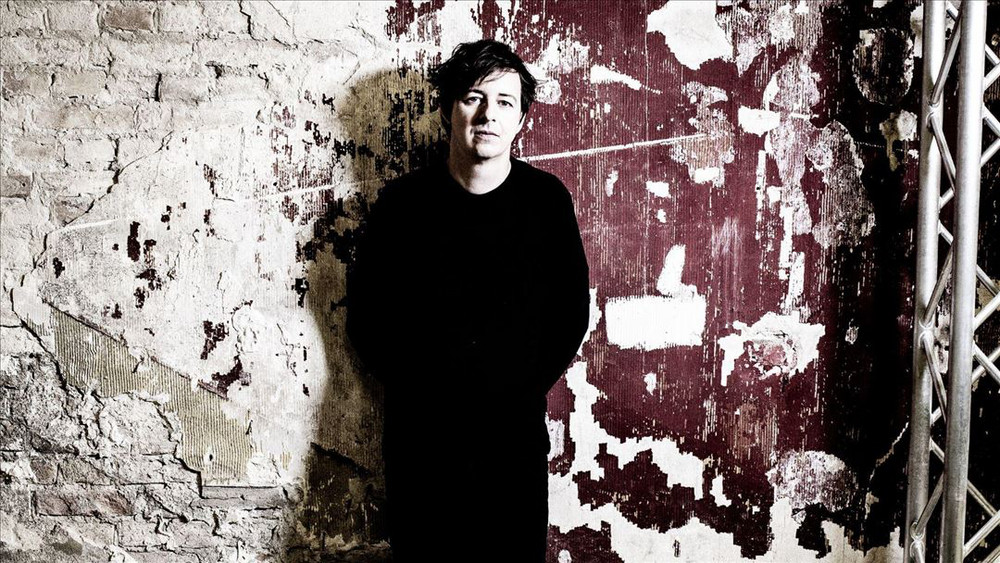
Michael Wollny
Gnawa
Jazz
Contemporary Jazz
2
/5
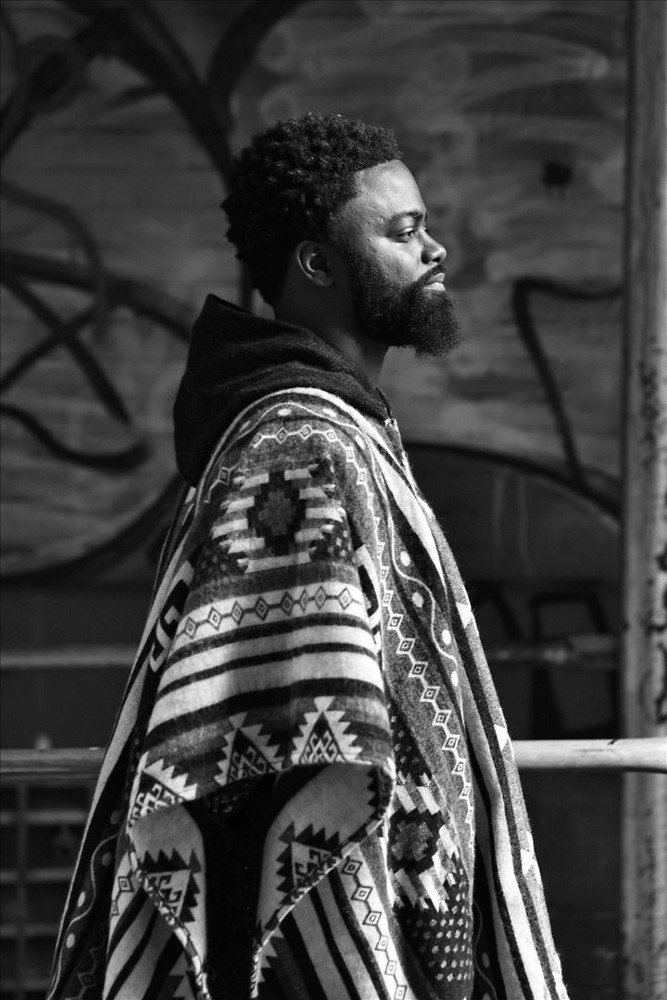
Marcus Gilmore
Ambient Jazz
Experimental Jazz
Gnawa
2
/5
Joachim Kühn
Free Jazz
Gnawa
Jazz
4
/5
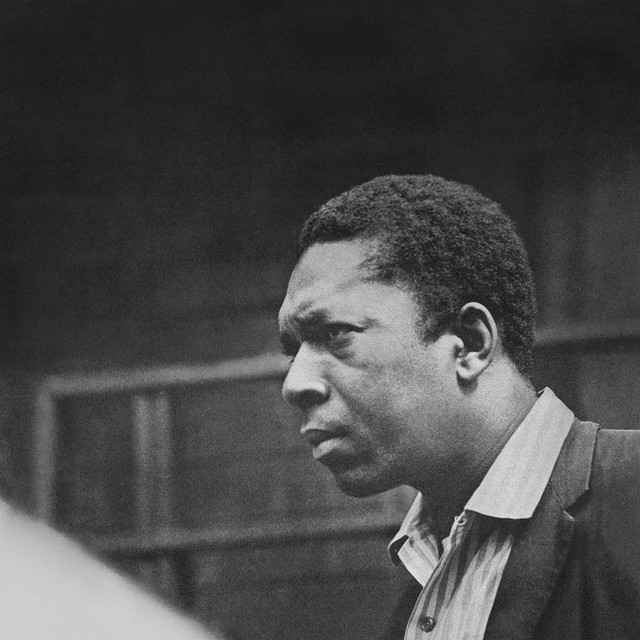
John Coltrane
Free Jazz
Hard Bop
Jazz
4
/5
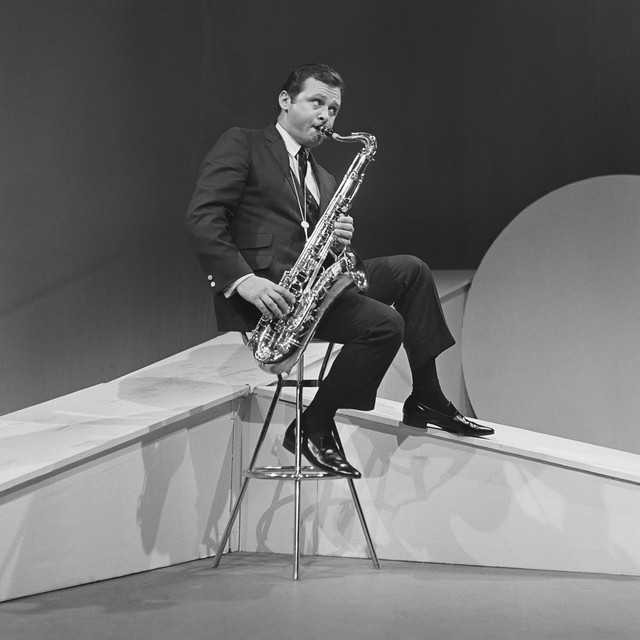
Stan Getz
Samba-Jazz
Bebop
Jazz
4
/5
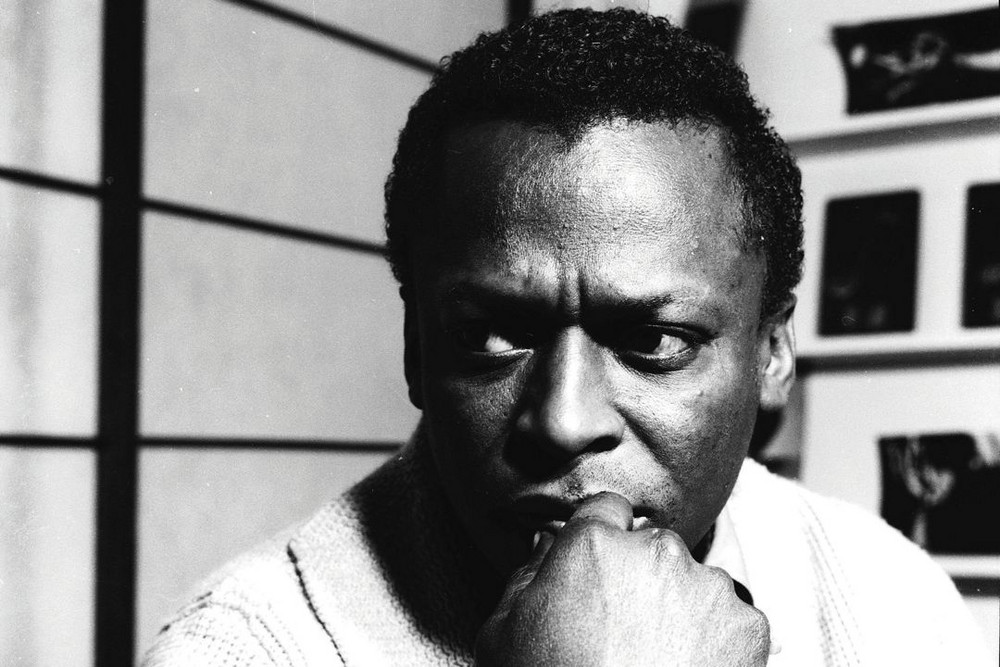
Miles Davis
Hard Bop
Jazz
Jazz Fusion
4
/5
Bill Evans
Cool Jazz
Jazz
Bebop
4
/5
Duke Ellington
Big Band
Swing
Jazz
3
/5
McCoy Tyner
Modal Jazz
Post-Bop
Bebop
Download our mobile app
Get the Melodigging app and start digging for new genres on the go
Download on the App Store
Get it on Google Play
© 2026 Melodigging
Give feedback
Legal
Melodding was created as a tribute to
Every Noise at Once
, which inspired us to help curious minds keep digging into music's ever-evolving genres.