Genres
Artists
Albums
Make Music
Sign in
Sign in
Artists
Folclor Andino
Artists
Folclor Andino
Grupo Lemunantu
1998
·
1 album
Listen
1
/5
Genres
Folclor Andino
Folclor andino is the pan‑regional folk music of the Andean highlands, shaped by Indigenous Quechua and Aymara traditions and later mestizo influences. It centers on wind instruments such as quena (notched flute) and zampoña/siku (panpipes), the small 10‑string charango, guitar, and deep hand‑drummed bombos, producing bright timbres over earthy rhythms. Melodically it favors pentatonic and natural minor (Aeolian/Dorian) scales, parallel thirds, antiphonal hocketing between panpipe parts, and cyclical ostinatos. Repertoire often draws from regional forms like huayno, yaraví, carnavalito, and related highland dances, with lyrics that invoke the mountains, Pachamama (Mother Earth), love, migration, and social realities. As a modern stage and recording genre, folclor andino coalesced mid‑20th century when urban ensembles standardized instrumentation and performance, later intersecting with nueva canción’s socially engaged aesthetics and spreading globally through tours and world‑music circuits.
Discover
Listen
Traditional Music
Traditional music is an umbrella term used in the mid–20th century by folklorists and ethnomusicologists to denote community-rooted, orally transmitted repertoires tied to social ritual, work, celebration, and storytelling. Unlike commercial pop or art-music traditions, traditional music is typically learned by ear, varies regionally, and evolves slowly through communal participation. It often features modal melodies, cyclic rhythms, heterophony or unison singing, and indigenous instruments whose timbres are integral to local identity. Lyrics tend to preserve language, history, and collective memory. While the musical practices themselves can be ancient, the phrase “traditional music” emerged to replace earlier, narrower or colonial framings like “folk” or “ethnic” music, foregrounding continuity, locality, and living practice rather than exoticism.
Discover
Listen
Musica Mapuche
La música mapuche es el conjunto de prácticas sonoras ceremoniales y cotidianas del pueblo mapuche de Wallmapu (sur de Chile y suroeste de Argentina). Se caracteriza por el uso de instrumentos tradicionales como el kultrún (tambor ceremonial de parche único), la trutruka (trompeta natural de madera y cuerno), la pifilka (flauta de una sola nota), el trompe (arpa de boca) y las cascahuillas (sonajas). Sus cantos (ül/ülkantun y tayül) suelen ser monódicos, con melodías pentatónicas o tetratónicas, contornos repetitivos, acentuación flexible y una fuerte relación prosódica con el mapudungun. El pulso es cíclico y se articula frecuentemente con patrones ostinati de kultrún, que conectan el tiempo musical con la cosmovisión y el calendario ritual. Funcionalmente, la música mapuche acompaña ceremonias como el ngillatun y el machitún, y también aparece en contextos de trabajo, juego y transmisión oral. En el presente, convive la práctica tradicional con fusiones contemporáneas (folk, rock, hip‑hop, metal), donde se preservan timbres e imaginarios mapuche a la par de nuevas poéticas urbanas.
Discover
Listen
Albums
1998
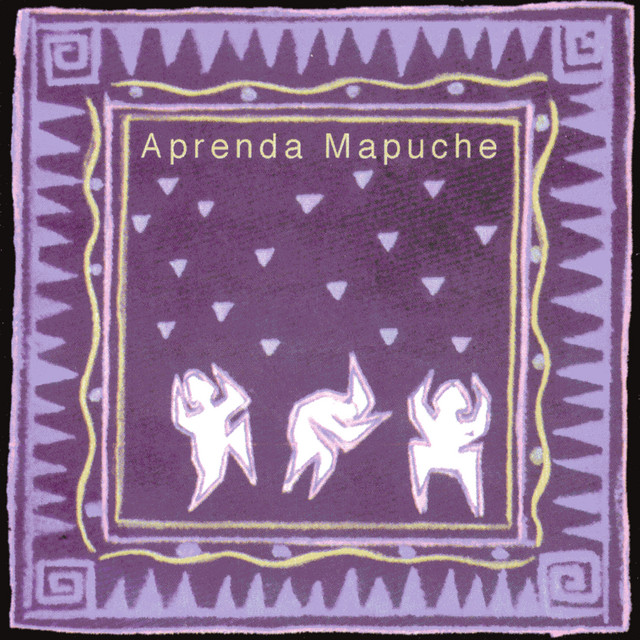
Aprenda Mapuche
Grupo Lemunantu
Musica Mapuche
Similar artists
Hide discovered
3
/5
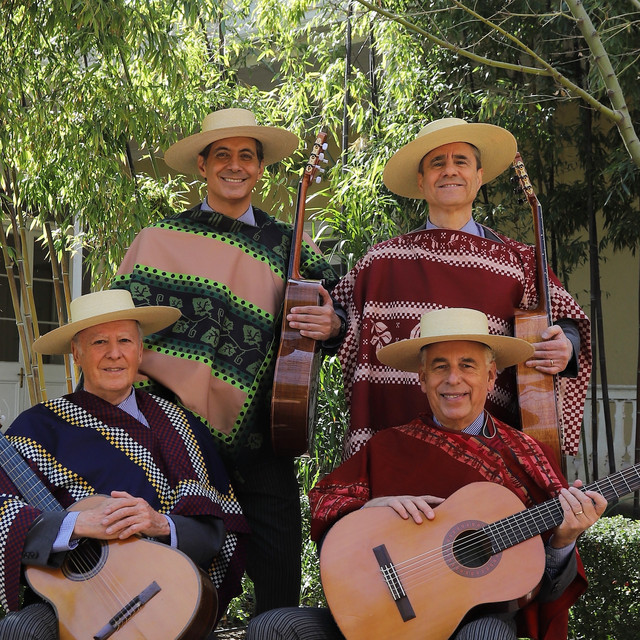
Los Huasos Quincheros
Traditional Music
Latin Folk
Tonada Chilena
3
/5
Silva y Villalba
Bolero
Folclor Andino
Latin Folk
3
/5
Los Folkloristas
Folclor Andino
Latin Folk
Son Jarocho
2
/5
Los de Ramon
Folclor Andino
Traditional Music
2
/5
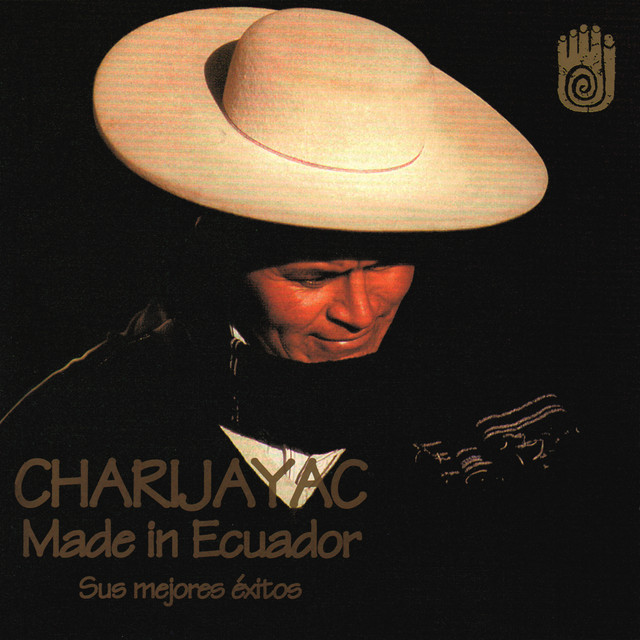
Charijayac
Chicha
Folclor Andino
Huayno
2
/5
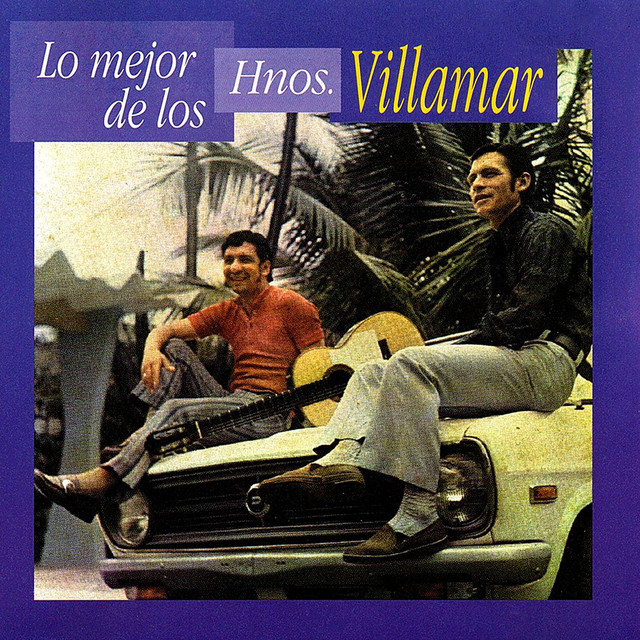
Hermanos Villamar
Bolero
Chicha
Folclor Andino
2
/5
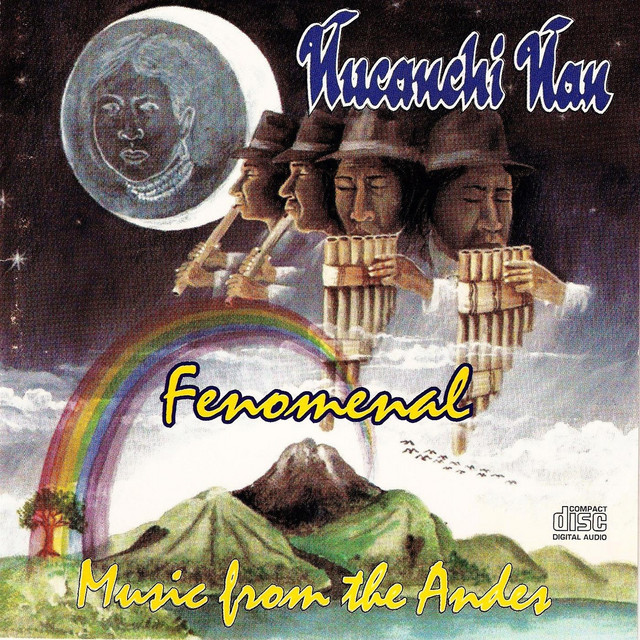
Ñucanchi Ñan
Chicha
Folclor Andino
Latin Folk
2
/5
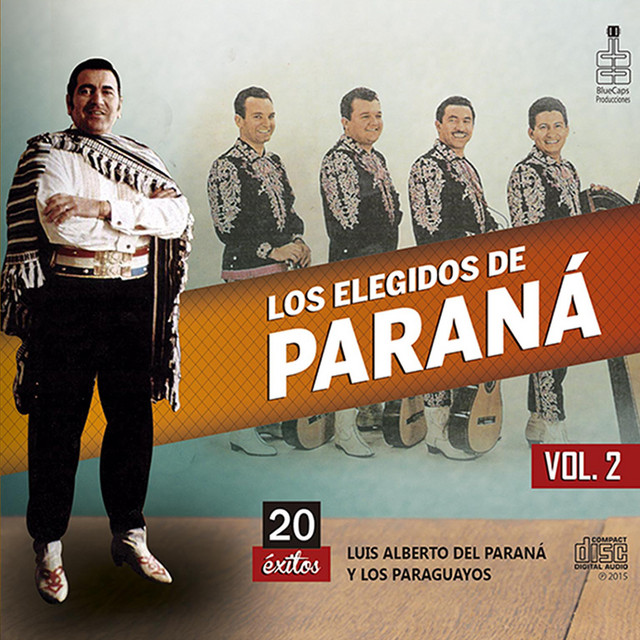
Luis Alberto Del Paraná
Chamamé
Folclor Andino
Latin Folk
2
/5
Grupo Caminata
Folclor Andino
Latin Folk
Música Popular Colombiana
2
/5
Ecuador Manta
Folclor Andino
Huayno
Latin Folk
Download our mobile app
Get the Melodigging app and start digging for new genres on the go
Download on the App Store
Get it on Google Play
© 2026 Melodigging
Give feedback
About & FAQ
Legal
Melodding was created as a tribute to
Every Noise at Once
, which inspired us to help curious minds keep digging into music's ever-evolving genres.