Genres
Artists
Albums
Make Music
Sign in
Sign in
Artists
Sahrawi Music
Artists
Sahrawi Music
Group Doueh
2012–2016
·
5 albums
Listen
1
/5
Genres
Tuareg Music
Tuareg music refers to the traditional and modern musical practices of the Kel Tamasheq (Tuareg) people of the Sahara, especially in present‑day Mali and Niger. While it includes ancient forms such as women-led tende songs, the imzad (one‑string fiddle) repertory, and tehardent (lute) epics, the global profile of Tuareg music is tied to a modern guitar style often called tishoumaren (from “chômeur,” French for unemployed). This sound blends hypnotic, cyclical guitar riffs, handclaps, and mortar‑drum grooves with poetic Tamasheq lyrics about exile, resistance, nomadism, and desert life. Musically, it favors minor pentatonic and modal (Aeolian/Dorian) melodies, drones, and sparse harmonic movement that create trance-like momentum. The feel sits between 4/4 and 6/8 with a lilting, “camel‑gait” swing; textures range from dry, overdriven electric guitars and bass to acoustic tehardent, tende drum, ululations, and call‑and‑response vocals.
Discover
Listen
Sahrawi Music
Sahrawi music is the modern and traditional music of the Sahrawi people of Western Sahara and the refugee camps across the border in Algeria. It blends Bedouin-Hassaniya poetic traditions and modal melodies with hand-drum grooves, call-and-response vocals, and (in contemporary practice) electric guitar textures. At its core are the tbal (frame drum), communal female choruses with ululations, and solo vocal lines that carry richly metaphorical poetry about desert life, love, exile, and political struggle. Since the late 1970s, musicians have adapted the timbre and phrasing of older instruments like the tidinit (lute) and ardin (harp) to the electric guitar, creating cyclical, trance-like riffs over swaying 6/8 and 12/8 rhythms. The result is a sound that feels both intimate and epic: rooted in Hassaniya verse and North African maqam-like modes, yet energized by amplified guitars and a resilient, communal performance ethos shaped by displacement and resistance.
Discover
Listen
Gnawa
Gnawa is a spiritual, trance-based music of Morocco associated with the Gnawa brotherhoods, a community with roots in sub‑Saharan Africa and Sufi Islam. It centers on a deep, percussive bass lute called the guembri (also known as sintir or hajhuj), the bright metallic clatter of iron castanets (qraqeb/krakebs), unison handclaps, and call‑and‑response vocals. Performances often unfold in an all‑night ritual called a lila (derdeba), where cyclical 6/8 grooves and repetitive chants invite communal participation and induce a trance state. The repertoire invokes saints and ancestral spirits (mluk), moving through color-coded suites and intensifying rhythmic layers. While firmly rooted in West African rhythmic sensibilities, Gnawa also absorbs Maghrebi and Sufi aesthetics, producing a sound that is both devotional and intensely groove‑driven.
Discover
Listen
Albums
2016
1
/5
Dakhla Sahara Session
Group Doueh & Cheveu
Sahrawi Music
Tuareg Music
2012
1
/5
Beatte Harab
Group Doueh
Sahrawi Music
2012
1
/5
Zayna Jumma
Group Doueh
Sahrawi Music
2012
1
/5
Treeg salaam
Group Doueh
Sahrawi Music
Guitar Music From the Western Sahara
Group Doueh
Sahrawi Music
Similar artists
2
/5
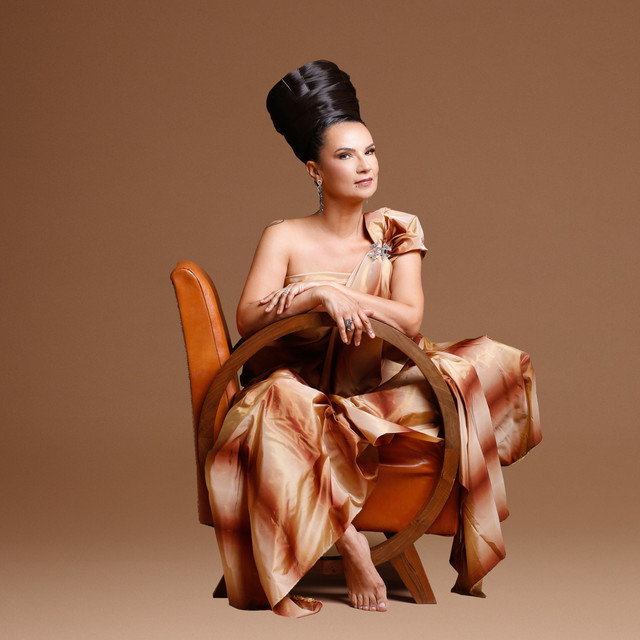
Mariem Hassan
Sahrawi Music
Gnawa
Souldies
2
/5
Aziza Brahim
Sahrawi Music
Blues
Gnawa
3
/5
Oum
Sahrawi Music
Arab Alternative
Folk
3
/5
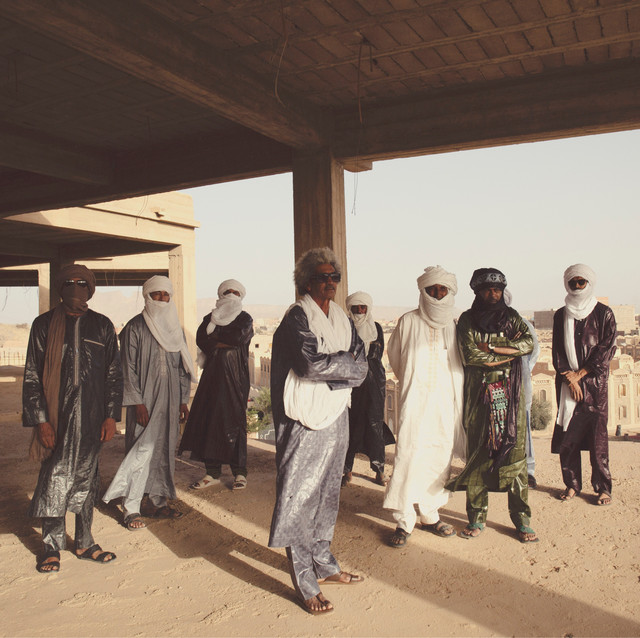
Tinariwen
Desert Blues
Musique Touareg
Tuareg Guitar
3
/5
Imarhan
Tuareg Guitar
Gnawa
Amazigh Music
2
/5
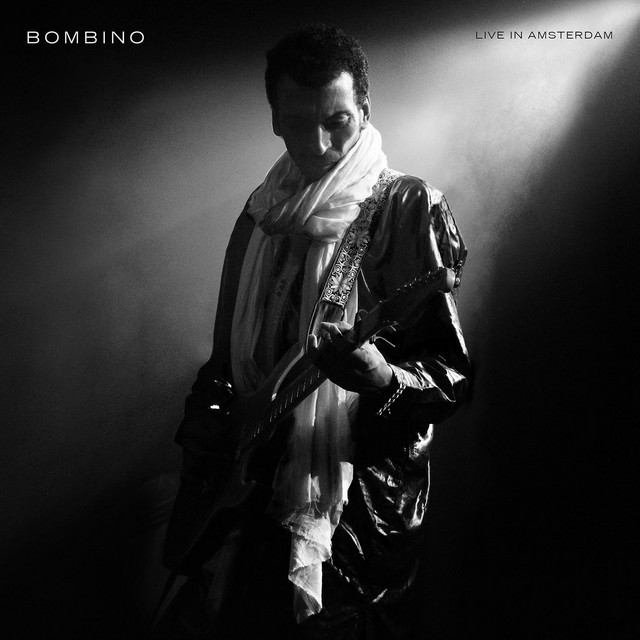
Bombino
Desert Blues
Tuareg Guitar
Tuareg Music
2
/5
Tamikrest
Desert Blues
Tuareg Guitar
Blues
2
/5
Mdou Moctar
Tuareg Guitar
Desert Blues
Amazigh Music
2
/5
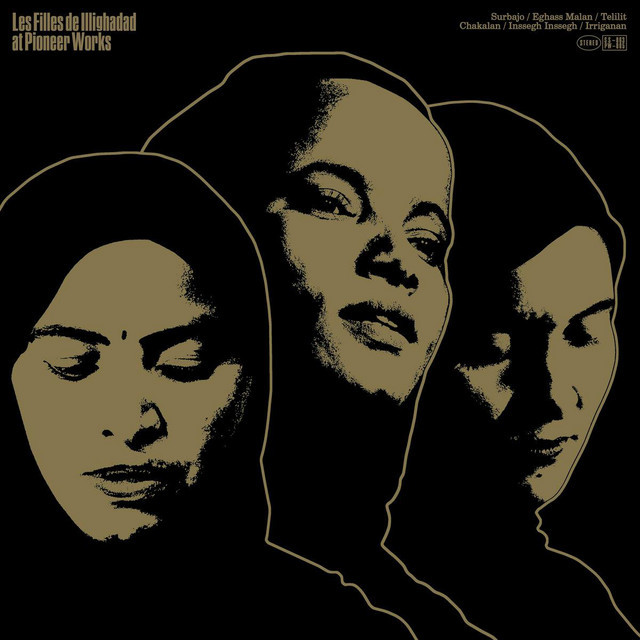
Les Filles de Illighadad
Tuareg Guitar
Gnawa
Amazigh Music
2
/5
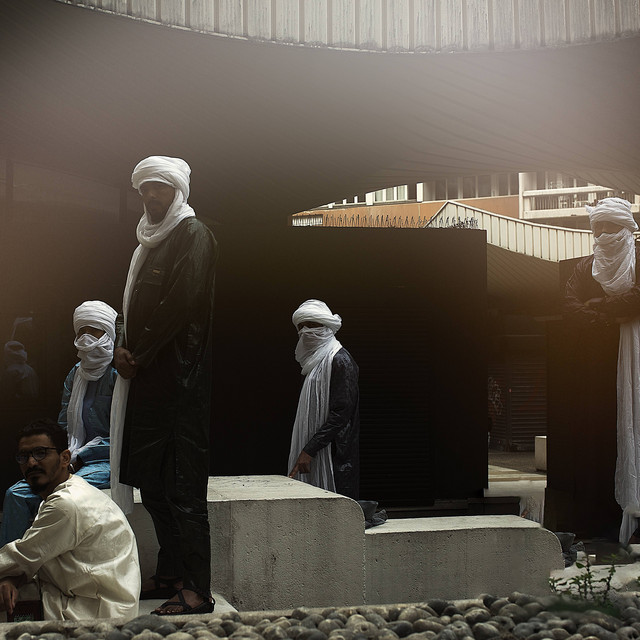
Terakaft
Gnawa
Tuareg Music
Download our mobile app
Get the Melodigging app and start digging for new genres on the go
Download on the App Store
Get it on Google Play
© 2026 Melodigging
Give feedback
Legal
Melodding was created as a tribute to
Every Noise at Once
, which inspired us to help curious minds keep digging into music's ever-evolving genres.