Genres
Artists
Albums
Make Music
Sign in
Sign in
Artists
Latin Folk
Artists
Latin Folk
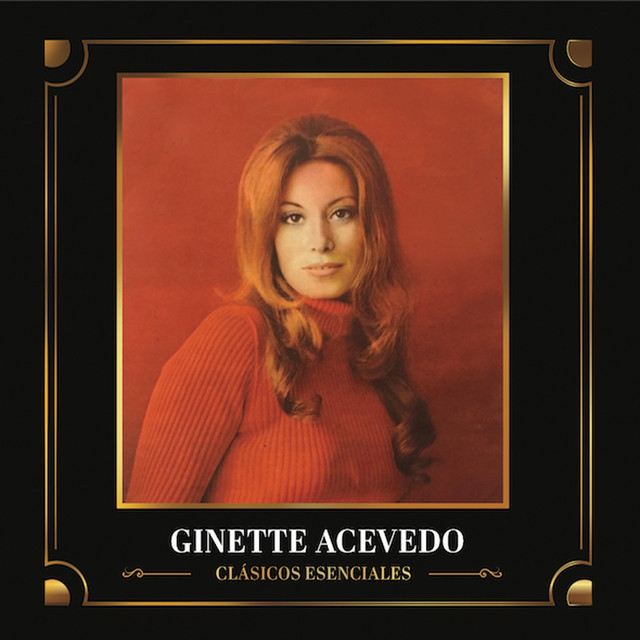
Ginette Acevedo
Listen
1
/5
Genres
Musica Nublensina
Musica nublensina refers to the contemporary, locally rooted music scene of Chile’s Ñuble Region (Chillán, San Carlos, Quirihue and surrounding communes). It is a place-based umbrella term rather than a single strict style, bringing together indie, folk, rock, cumbia, and singer‑songwriter currents that reflect the area’s cultural memory and its current independent ecosystem. Musically, the scene blends Chilean folk idioms (cueca campesina, tonadas, nueva canción legacies) with modern pop/indie textures, occasional Caribbean rhythms (via the long Chile–Caribbean exchange), and a DIY production ethos. Lyrically, songs often carry costumbrista imagery—rivers, cordillera, harvests, barrios—and a quietly political, community‑minded sensibility characteristic of central‑southern Chile. Because it is a geographic scene, musica nublensina naturally includes both heritage influences (iconic Ñuble‑born artists of the 20th century) and an active network of 2010s–2020s independent bands, solo acts, ensembles, and collectives.
Discover
Listen
Latin Folk
Latin folk is a broad umbrella for singer‑songwriter and ensemble music that draws on traditional folk forms from across Latin America while presenting them in contemporary, often acoustically driven arrangements. It emphasizes storytelling, social and poetic lyricism, and the timbres of regional instruments such as the guitar, charango, quena, zampoña, cuatro, and bombo legüero. Rhythmic cells are borrowed from pan‑regional traditions (chacarera, cueca, zamba, huayno, joropo, son, and others), yet songs are commonly shaped in accessible verse‑chorus structures. While its roots are centuries old, the modern genre coalesced during the mid‑20th‑century folk revival and the Nueva Canción movements, which linked ancestral sounds with contemporary concerns such as identity, justice, and cultural memory.
Discover
Listen
Villancico
Villancico is an Iberian song form that emerged in late medieval Spain and flourished during the Renaissance and Baroque eras. Originally a secular, vernacular song associated with rural or popular themes, it evolved into a predominantly sacred genre performed in churches and cathedrals—especially around Christmas. Structurally, a villancico typically alternates a recurring refrain (estribillo) with one or more stanzas (coplas), often in lively, dance-like meters. Texts may be in Spanish or Portuguese and sometimes incorporate dialects and topical characters (for example, negrillos, pastorcillos), while the music ranges from simple strophic tunes to richly scored polychoral works with instrumental accompaniment.
Discover
Listen
Similar artists
1
/5
Conjunto Cuncumen
Latin Folk
Musica Nublensina
Traditional Music
3
/5
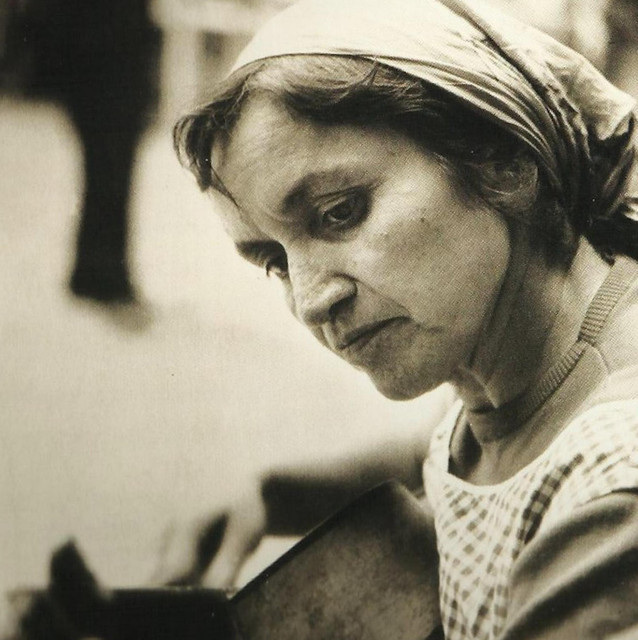
Violeta Parra
Musica Nublensina
Chilean Music
Latin
3
/5
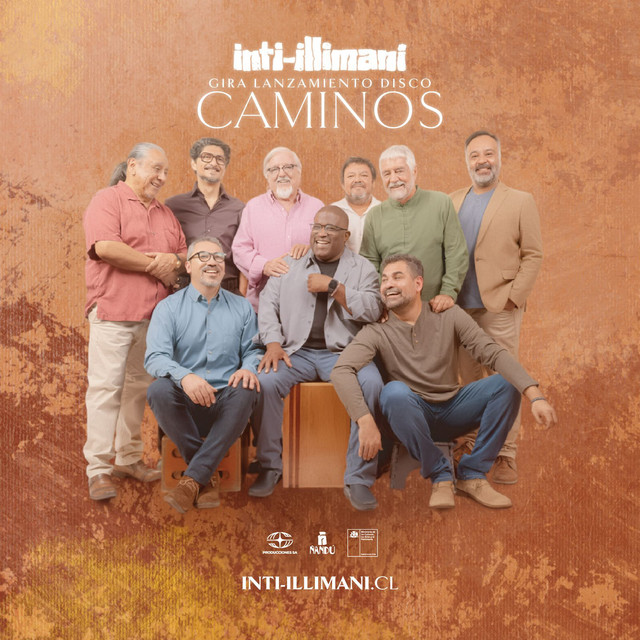
Inti-Illimani
Nueva Canción Chilena
Conjunto Andino
Chilean Music
3
/5
Victor Jara
Nueva Canción
Nueva Canción Chilena
Chilean Music
3
/5
Quilapayún
Nueva Canción Chilena
Chilean Music
Folclor Andino
3
/5
Nano Stern
Nueva Trova Chilena
Folclor Andino
Latin Folk
2
/5
Isabel Parra
Nueva Trova Chilena
Folclor Andino
Latin Folk
2
/5
Rolando Alarcon
Folclor Andino
Latin Folk
Musica Nublensina
2
/5
Patricio Manns
Folclor Andino
Latin Folk
Musica Nublensina
2
/5
Angel Parra
Folclor Andino
Latin Folk
Musica Nublensina
Download our mobile app
Get the Melodigging app and start digging for new genres on the go
Download on the App Store
Get it on Google Play
© 2026 Melodigging
Give feedback
Legal
Melodding was created as a tribute to
Every Noise at Once
, which inspired us to help curious minds keep digging into music's ever-evolving genres.