Genres
Artists
Albums
Make Music
Sign in
Sign in
Artists
Andalusian Folk Music
Artists
Andalusian Folk Music
Gente del pueblo
1977–1979
·
5 albums
Listen
1
/5
Genres
Traditional Music
Traditional music is an umbrella term used in the mid–20th century by folklorists and ethnomusicologists to denote community-rooted, orally transmitted repertoires tied to social ritual, work, celebration, and storytelling. Unlike commercial pop or art-music traditions, traditional music is typically learned by ear, varies regionally, and evolves slowly through communal participation. It often features modal melodies, cyclic rhythms, heterophony or unison singing, and indigenous instruments whose timbres are integral to local identity. Lyrics tend to preserve language, history, and collective memory. While the musical practices themselves can be ancient, the phrase “traditional music” emerged to replace earlier, narrower or colonial framings like “folk” or “ethnic” music, foregrounding continuity, locality, and living practice rather than exoticism.
Discover
Listen
Sevillanas
Sevillanas is a lively Andalusian song-and-dance genre closely associated with Seville’s spring fair (Feria de Abril) and the pilgrimage to El Rocío. Although often performed within the broader flamenco ecosystem, sevillanas is fundamentally a festive folk style derived from the Castilian seguidilla and shaped in Andalusia. A typical sevillanas performance consists of four short sung-and-danced sections (coplas), each with its own choreography. The music is upbeat, commonly in 3/4 with occasional hemiola feels between 3/4 and 6/8, and is accompanied by Spanish guitar, palmas (handclaps), and dancers’ castanets. Lyrics celebrate everyday life, romance, regional pride, and religious devotion, making the genre both communal and highly singable.
Discover
Listen
Flamenco
Flamenco is a highly expressive musical and dance tradition from Andalusia that combines cante (song), toque (guitar), baile (dance), palmas (handclaps), and jaleo (shouts of encouragement). It is characterized by intricate rhythmic cycles called compás, intense vocal melismas with ornamental micro-inflections, and guitar techniques such as rasgueado, picado, alzapúa, golpe, and tremolo. Harmonically it often centers on the Phrygian mode and the Andalusian cadence (iv–III–II–I), creating a dramatic tension that complements the emotional depth of the lyrics, which frequently explore themes of love, loss, pride, and fate. Flamenco is organized into palos (forms) such as soleá, bulería, alegrías, seguiriyas, tientos/tangos, fandangos, tarantas, and rumba, each defined by its compás, mood, and traditional melodic/harmonic vocabulary.
Discover
Listen
Traditional Folk
Traditional folk is a broad umbrella for orally transmitted songs and dance tunes that circulated in rural and working-class communities before the age of mass recording. Repertoires include narrative ballads, laments, love songs, work songs, lullabies, and instrumental dance sets such as reels, jigs, hornpipes, and marches. Stylistically, traditional folk favors strophic forms, pentatonic or modal melodies (often Dorian and Mixolydian), limited harmonic movement, and strong, memorable tunes designed for communal singing and dancing. Performances range from unaccompanied solo voice to small ensembles built around fiddle, flute/whistle, pipes, concertina/accordion, guitar, banjo, and frame drum. Ornamentation, variation by verse, and flexible tempo are integral, reflecting an oral tradition where songs live through continual reinterpretation. Although it is pan‑regional, the modern idea of “traditional folk” coalesced in the 19th century through collectors and revivalists who documented vernacular music and framed it as cultural heritage.
Discover
Listen
Andalusian Folk Music
Andalusian folk music is the traditional music of Andalusia in southern Spain, closely associated with regional song, dance, and especially the cultural world that gave rise to flamenco. It draws on a long historical mix of Iberian, Romani, Moorish-Andalusi, Sephardic Jewish, and broader Mediterranean influences, but in its better-known modern form it is most strongly identified with music and dance traditions developed from the 18th century onward in Andalusia. The genre is marked by expressive singing, modal melodic language, rich ornamentation, flexible rhythm, handclaps, guitar accompaniment, and strong links to dance. In many contexts, "Andalusian folk music" refers to the wider traditional musical environment of Andalusia from which flamenco emerged and within which forms such as fandangos, seguidillas, saetas, sevillanas, and other regional styles have circulated. As reflected in the supplied external description, it is especially connected with the flamenco traditions of Andalusia and with the Romani communities of the region, known locally as gitanos, who played a major role in shaping its post-18th-century development.
Discover
Listen
Albums
1979
1
/5
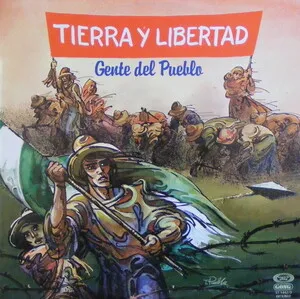
Tierra y libertad
Gente del Pueblo
Sevillanas
Andalusian Folk Music
1978
1
/5
Sevillanas de la Autonomía
Gente del Pueblo
Sevillanas
Andalusian Folk Music
1977
1
/5
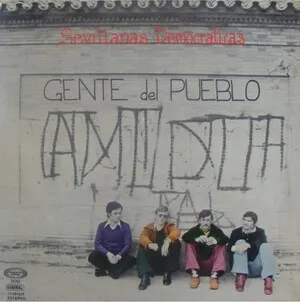
Sevillanas Democraticas
Gente del Pueblo
Sevillanas
Andalusian Folk Music
Seguiremos cantando
Gente del Pueblo
Sevillanas
Seguiremos cantando
Gente del Pueblo
Andalusian Folk Music
Similar artists
2
/5
Jose Manuel El Mani
Andalusian Folk Music
Sevillanas
Flamenco
3
/5
Ecos del Rocío
Sevillanas
Flamenco
Flamenco Pop
2
/5
Los Romeros De La Puebla
Sevillanas
Flamenco
Villancico
2
/5
Las Carlotas
Sevillanas
Flamenco
Flamenco Pop
3
/5
Siempre Asi
Flamenco
Flamenco Pop
Flamenco Urbano
1
/5
Qiyans Krets & Oscar Fredriks Kammarkör
Medieval
Traditional Folk
Traditional Music
1
/5
Curro Piñana
Flamenco
Flamenco Pop
Traditional Music
3
/5
Isabel Pantoja
Copla
Canción Melódica
Flamenco
3
/5
Manolo Escobar
Copla
Villancico
Flamenco
2
/5
Martirio
Copla
Bolero
Flamenco
Download our mobile app
Get the Melodigging app and start digging for new genres on the go
Download on the App Store
Get it on Google Play
© 2026 Melodigging
Give feedback
Legal
Melodding was created as a tribute to
Every Noise at Once
, which inspired us to help curious minds keep digging into music's ever-evolving genres.