Genres
Artists
Albums
Make Music
Sign in
Sign in
Artists
Flamenco
Artists
Flamenco
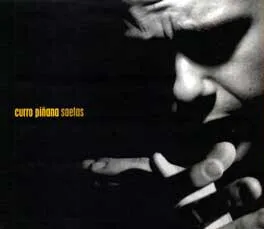
Curro Piñana
2003
·
1 album
Listen
1
/5
Genres
Flamenco Pop
Flamenco pop is a Spanish popular music style that blends the vocal melismas, guitar techniques, and rhythmic clapping (palmas) of flamenco with the song forms, hooks, and studio polish of mainstream pop. It keeps the emotive core of flamenco—often drawing on the Andalusian cadence and Phrygian color—while adopting verse–chorus structures, drum kits, bass guitar, keyboards, and radio-friendly arrangements. Groove-wise it frequently favors 4/4 feels (rumba/tangos-derived) over the traditional 12-beat palos to fit contemporary pop sensibilities. The result is an accessible, danceable sound that can be tender or intense, equally at home on festival stages and commercial airwaves.
Discover
Listen
Traditional Music
Traditional music is an umbrella term used in the mid–20th century by folklorists and ethnomusicologists to denote community-rooted, orally transmitted repertoires tied to social ritual, work, celebration, and storytelling. Unlike commercial pop or art-music traditions, traditional music is typically learned by ear, varies regionally, and evolves slowly through communal participation. It often features modal melodies, cyclic rhythms, heterophony or unison singing, and indigenous instruments whose timbres are integral to local identity. Lyrics tend to preserve language, history, and collective memory. While the musical practices themselves can be ancient, the phrase “traditional music” emerged to replace earlier, narrower or colonial framings like “folk” or “ethnic” music, foregrounding continuity, locality, and living practice rather than exoticism.
Discover
Listen
Flamenco
Flamenco is a highly expressive musical and dance tradition from Andalusia that combines cante (song), toque (guitar), baile (dance), palmas (handclaps), and jaleo (shouts of encouragement). It is characterized by intricate rhythmic cycles called compás, intense vocal melismas with ornamental micro-inflections, and guitar techniques such as rasgueado, picado, alzapúa, golpe, and tremolo. Harmonically it often centers on the Phrygian mode and the Andalusian cadence (iv–III–II–I), creating a dramatic tension that complements the emotional depth of the lyrics, which frequently explore themes of love, loss, pride, and fate. Flamenco is organized into palos (forms) such as soleá, bulería, alegrías, seguiriyas, tientos/tangos, fandangos, tarantas, and rumba, each defined by its compás, mood, and traditional melodic/harmonic vocabulary.
Discover
Listen
Andalusian Folk Music
Andalusian folk music is the traditional music of Andalusia in southern Spain, closely associated with regional song, dance, and especially the cultural world that gave rise to flamenco. It draws on a long historical mix of Iberian, Romani, Moorish-Andalusi, Sephardic Jewish, and broader Mediterranean influences, but in its better-known modern form it is most strongly identified with music and dance traditions developed from the 18th century onward in Andalusia. The genre is marked by expressive singing, modal melodic language, rich ornamentation, flexible rhythm, handclaps, guitar accompaniment, and strong links to dance. In many contexts, "Andalusian folk music" refers to the wider traditional musical environment of Andalusia from which flamenco emerged and within which forms such as fandangos, seguidillas, saetas, sevillanas, and other regional styles have circulated. As reflected in the supplied external description, it is especially connected with the flamenco traditions of Andalusia and with the Romani communities of the region, known locally as gitanos, who played a major role in shaping its post-18th-century development.
Discover
Listen
Saeta
The saeta is an Andalusian religious song sung a cappella during Holy Week processions, especially in Seville, Málaga, Córdoba, and Jerez. Its name ("arrow" or "dart") evokes a piercing cry of devotion directed to images of Christ or the Virgin as they pass. Stylistically, the saeta is highly melismatic, free-rhythm, and intensely expressive. Singers project from balconies or street corners, often beginning with a sob-like quejío (an exclamatory "¡Ay!") and building to climactic, sustained high notes before a modal cadence. Although bands march in the processions, the saeta itself is performed unaccompanied; the nearby band typically falls silent to let the voice carry. There are two broad types: the older saeta antigua, closer to psalm-like recitation and late-medieval/early-baroque piety; and the saeta flamenca (late 19th–early 20th century), which adopts flamenco’s Phrygian-modal turns, ornaments, and the dramatic heft of cante jondo (often sung "por seguiriya" or "por martinete"). The texts are short strophic coplas that praise, implore, or lament, addressed to specific brotherhoods’ images and infused with penitential fervor.
Discover
Listen
Albums
2003
1
/5
Saetas
Curro Piñana
Saeta
Andalusian Folk Music
Similar artists
3
/5
Siempre Asi
Flamenco
Flamenco Pop
Flamenco Urbano
3
/5
Ecos del Rocío
Sevillanas
Flamenco
Flamenco Pop
2
/5
Las Carlotas
Sevillanas
Flamenco
Flamenco Pop
2
/5
María Terremoto
Flamenco
Flamenco Pop
Villancico
1
/5
Gente del pueblo
Andalusian Folk Music
Sevillanas
Flamenco
1
/5
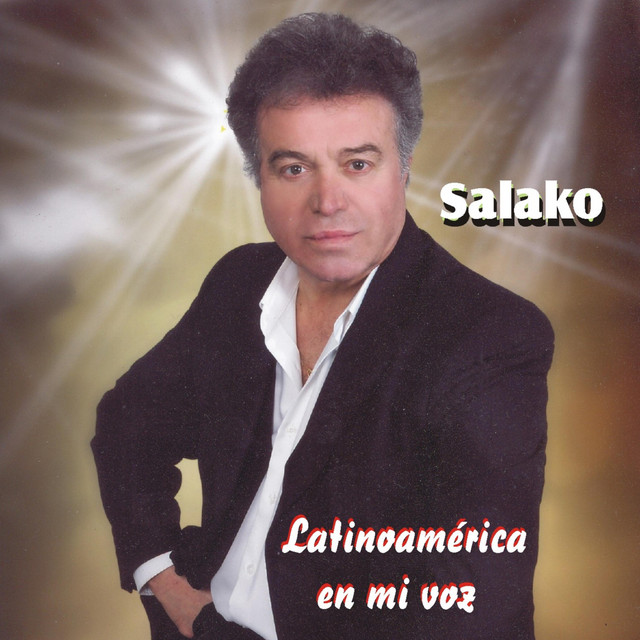
Salako
Flamenco
Andalusian Folk Music
Saeta
4
/5
Melendi
Flamenco Pop
Flamenco
Flamenco Urbano
4
/5
Estopa
Rumba
Flamenco Pop
Pop Rock
4
/5
Gipsy Kings
Rumba Catalana
Flamenco
Rumba Flamenca
4
/5
Omar Montes
Flamenco
Flamenco Pop
Flamenco Urbano
Download our mobile app
Get the Melodigging app and start digging for new genres on the go
Download on the App Store
Get it on Google Play
© 2026 Melodigging
Give feedback
Legal
Melodding was created as a tribute to
Every Noise at Once
, which inspired us to help curious minds keep digging into music's ever-evolving genres.