Genres
Artists
Albums
Make Music
Sign in
Sign in
Artists
Black Metal
Artists
Black Metal
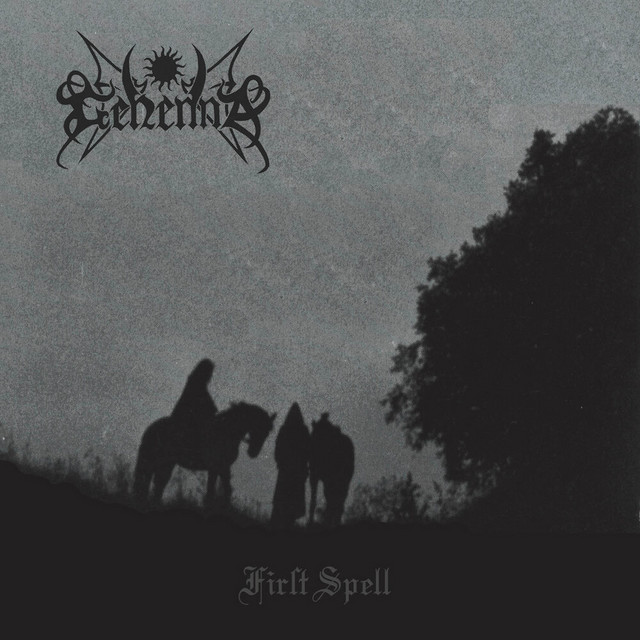
Gehenna
Listen
2
/5
Genres
Cryptic Black Metal
Cryptic black metal is a murky, deliberately obscurantist micro‑style of black metal that emphasizes atmosphere, anonymity, and arcane symbolism over clarity or precision. Musically it uses the genre’s core DNA—tremolo‑picked guitars, blast beats, shrieked vocals—but submerges them under tape saturation, heavy reverb, and lo‑fi recording techniques so that riffs blur into a grainy, fog‑like wall of sound. Vocals are often distant and indistinct, lyrics focus on esoterica, ritual, and the unknowable, and releases typically appear on small‑run cassettes with stark xerox artwork. The result is a sound that is harsh yet spectral: raw, claustrophobic, and “hidden,” inviting close listening to parse the shapes within the noise.
Discover
Listen
Voidgaze
Voidgaze is a heavy, atmospheric offshoot of shoegaze that fuses dense, down‑tuned guitars with post‑metal weight and blackgaze/atmospheric black metal expansiveness. The sound foregrounds towering walls of fuzz and reverb, but replaces the genre’s classic dreaminess with a cavernous, cosmic darkness—hence the sense of “the void.” Typical tracks pivot between tectonic, slow‑burn passages and explosive peaks: blast‑beat or double‑time surges may erupt beneath layers of smeared guitars, then collapse back into glacial, reverb‑soaked textures. Vocals are usually soft, breathy, or distant in the mix (sometimes screamed as a texture), serving the atmosphere rather than acting as a focal melody. Lyrically, voidgaze tends toward the existential—nature, vastness, decay, memory, and spiritual unease—mirroring the music’s sense of scale and sublimity.
Discover
Listen
Pagan Black Metal
Pagan black metal is a black metal offshoot that fuses the genre’s raw, tremolo‑picked riffing, blast beats, and harsh vocals with folk modalities, traditional instruments, and lyrics centered on pre‑Christian myth, nature, and regional heritage. Aesthetically, it ranges from lo‑fi, windswept atmospheres to epic, hymn‑like arrangements with choirs, acoustic passages, and ambient interludes. Melodic lines often use modal scales (Aeolian, Dorian, and sometimes Phrygian), drones, and parallel fifths, evoking an archaic, ritual feel. Songs commonly alternate between ferocious black metal surges and contemplative folk segments, creating a sense of grandeur, nostalgia, and spiritual resistance.
Discover
Listen
Symphonic Black Metal
Symphonic black metal fuses the speed, tremolo-picked riffing, and shrieked vocals of black metal with orchestral writing, choirs, and cinematic arrangements. It expands the genre’s raw ferocity into a grand, theatrical sound that can feel both infernal and majestic. Keyboards or full orchestras handle strings, brass, and choral parts that support or counterpoint the guitars, while blast beats and double‑kick patterns drive the intensity. Harmonically, it leans on minor modes, chromatic motion, and diminished sonorities, often evoking Romantic and late‑Romantic classical drama. Lyrical themes tend toward the occult, mythology, Gothic romance, and horror, and productions range from deliberately grim to highly polished, integrating extreme metal power with film‑score scale.
Discover
Listen
Melodic Black Metal
Melodic black metal blends the cold, tremolo-picked fury of second‑wave black metal with the twin‑guitar harmonies, lead motifs, and songcraft associated with melodic death metal. It retains rasped vocals, blast beats, and a bleak atmosphere, but favors clearer production, memorable guitar themes, and dramatic minor‑key progressions over lo‑fi abrasion. The result is a sound that is simultaneously aggressive and epic, often evoking wintery landscapes, nihilism, myth, and existential grandeur.
Discover
Listen
Black Metal
Black metal is a form of extreme metal defined by fast tempos, tremolo‑picked guitar lines, blast‑beat drumming, shrieked or rasped vocals, and a deliberately raw, icy production aesthetic. Harmonically, it favors minor and modal collections (especially Aeolian and Phrygian), open-string drones, parallel fifths and fourths, tritones, and sparse or suspended chord voicings over blues-derived harmony. Arrangements often employ layered guitars, long-form song structures, and enveloping reverb to create a bleak, otherworldly atmosphere. The genre’s visual and thematic language is equally distinctive: corpse paint, monochrome artwork, and lyrics exploring anti-dogma, nature, pagan myth, cosmic nihilism, and misanthropy. While some scenes have been associated with controversy and extremism, the musical identity centers on sound, atmosphere, and aesthetics rather than any single ideology.
Discover
Listen
Death Metal
Death metal is an extreme subgenre of heavy metal defined by heavily distorted, low‑tuned guitars, rapid and complex riffing, blast beat drumming, and harsh guttural vocals. Its harmonic language favors chromaticism, dissonance, and tremolo-picked lines that create an ominous, abrasive atmosphere. Lyrically, death metal often explores dark or transgressive themes—mortality, mythology, anti-religion, psychological horror, and the macabre—sometimes with philosophical or social commentary. Production ranges from raw and cavernous to hyper-precise and technical, reflecting the genre’s many regional scenes and substyles. From the mid‑1980s Florida scene (Tampa) and parallel developments in the US, UK, and Sweden, death metal evolved into numerous branches including brutal death metal, technical death metal, melodic death metal, and death‑doom, each emphasizing different aspects of speed, complexity, melody, or heaviness.
Discover
Listen
Metal
Metal (often used to mean heavy metal in its broad, umbrella sense) is a loud, guitar-driven style of rock defined by high-gain distortion, emphatic and often martial rhythms, and a dense, powerful low end. It foregrounds riff-based songwriting, dramatic dynamics, virtuosic guitar solos, and commanding vocals that range from melodic wails to aggressive snarls and growls. Harmonically, metal favors minor modes, modal color (Aeolian, Phrygian), chromaticism, and tritone-inflected tension, while thematically it explores power, mythology, the occult, social critique, fantasy, and existential subjects. While adjacent to hard rock, metal typically pushes amplification, distortion, precision, and thematic intensity further, forming a foundation for many specialized subgenres.
Discover
Listen
Show all 8 genres
Similar artists
3
/5
Satyricon
Black Metal
Black 'n' Roll
Metal
3
/5
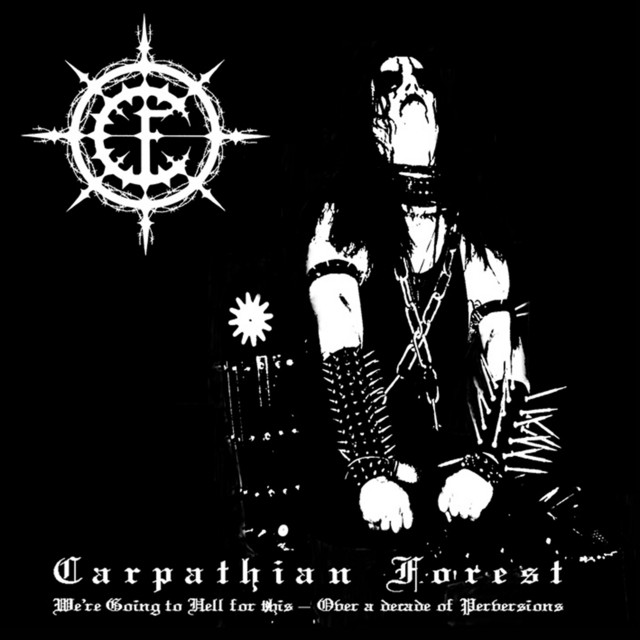
Carpathian Forest
Pagan Black Metal
Black Metal
Metal
2
/5
Old Man's Child
Melodic Black Metal
Autonomous Black Metal
Black Metal
3
/5
Dimmu Borgir
Symphonic Black Metal
Black Metal
Metal
3
/5
Behemoth
Black Metal
Death Metal
Pagan Black Metal
3
/5
Cradle Of Filth
Black Metal
Gothic Black Metal
Symphonic Black Metal
2
/5
Anaal Nathrakh
Black Metal
Death Metal
Grindcore
2
/5
Hate
Symphonic Black Metal
Death Metal
Black Metal
2
/5
Melechesh
Black Metal
Oriental Metal
Folk Metal
2
/5
Worm
Black Metal
Death Metal
Death-Doom Metal
Download our mobile app
Get the Melodigging app and start digging for new genres on the go
Download on the App Store
Get it on Google Play
© 2026 Melodigging
Give feedback
Legal
Melodding was created as a tribute to
Every Noise at Once
, which inspired us to help curious minds keep digging into music's ever-evolving genres.