Your digging level
Description
Cryptic black metal is a murky, deliberately obscurantist micro‑style of black metal that emphasizes atmosphere, anonymity, and arcane symbolism over clarity or precision.
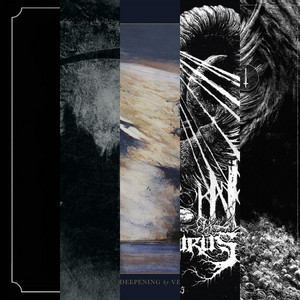
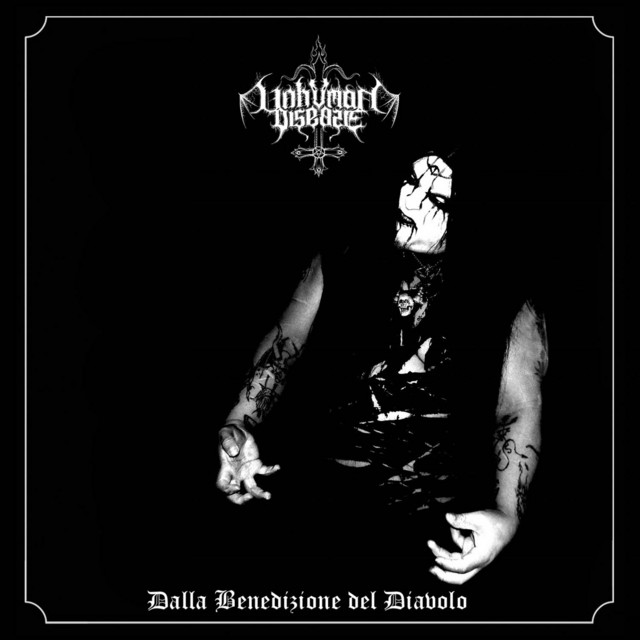
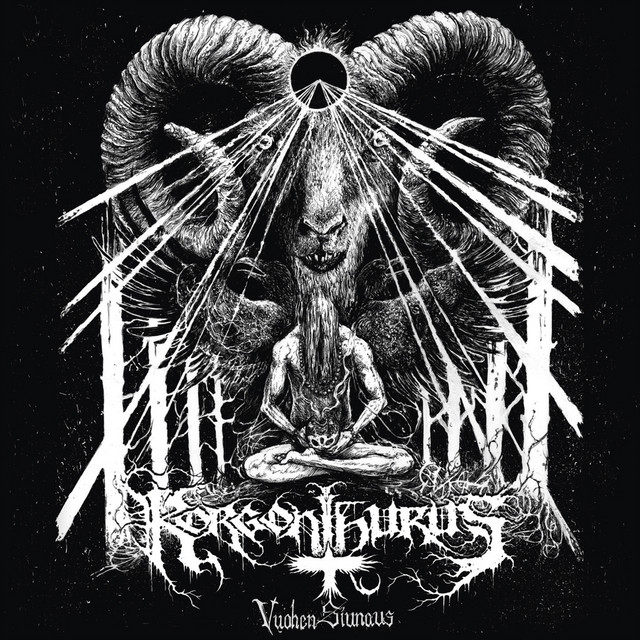
Musically it uses the genre’s core DNA—tremolo‑picked guitars, blast beats, shrieked vocals—but submerges them under tape saturation, heavy reverb, and lo‑fi recording techniques so that riffs blur into a grainy, fog‑like wall of sound. Vocals are often distant and indistinct, lyrics focus on esoterica, ritual, and the unknowable, and releases typically appear on small‑run cassettes with stark xerox artwork.
The result is a sound that is harsh yet spectral: raw, claustrophobic, and “hidden,” inviting close listening to parse the shapes within the noise.
History
Black metal’s second wave (early–mid 1990s) established the template for raw, atmospheric, and occult aesthetics. In the late 2000s and especially the 2010s, a cluster of underground acts—many working with four‑track cassette machines and intentional lo‑fi practices—pushed those traits even further toward enigma. The aim was not merely rawness, but concealment: a “cryptic” presentation where melody, text, and identity were veiled.
A prominent catalyst was the Portuguese underground (often linked to the so‑called “Black Circle”) whose artists favored desolate, saturated guitar tone, cavernous reverb, and severe minimal presentation. Parallel currents appeared in the U.S. and U.K. tape scenes, where Bandcamp and boutique labels enabled anonymous, small‑batch distribution without diluting the mystique.
Throughout the 2010s, the style cohered as a recognizable tag in zines, forums, and storefronts: releases were typically cassette‑first, with xeroxed inserts and sigil‑heavy design. Sonically it fused the atmosphere of atmospheric black metal, the abrasiveness of raw/black noise approaches, and the ritual/occult framing of certain orthodox currents—yet without the high‑fidelity polish found elsewhere.
Today, cryptic black metal remains a fiercely underground practice. Its artists often avoid press and social media, favoring limited runs, anonymous lineups, and austere live appearances (if any). The sound has seeped into adjacent niches (black noise and ultra‑lo‑fi variants), while retaining its core commitment to opacity and esoteric affect.