Genres
Artists
Albums
Make Music
Sign in
Sign in
Artists
Kawaii Metal
Artists
Kawaii Metal
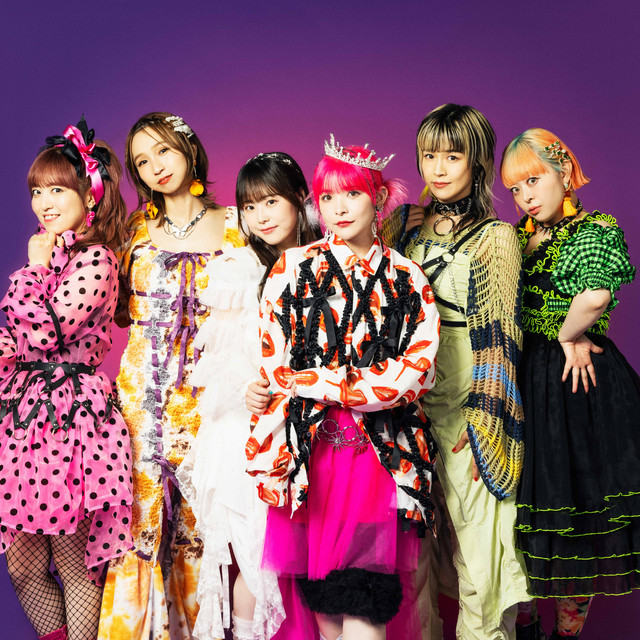
Gacharic Spin
2013
·
1 album
Listen
2
/5
Genres
Kawaii Metal
Kawaii metal (often called "cute metal") fuses the bright, bubbly melodies and idol aesthetics of J‑pop with the high-gain guitars, double‑kick drumming, and riff‑driven power of heavy metal. It pairs sugar‑sweet group vocals, chants, and call‑and‑response hooks with thrash and power‑metal riffing, metalcore breakdowns, and occasional electronic flourishes. Beyond sound, the genre is defined by its striking visual presentation: colorful costumes, choreographed dance routines, and a playful, high‑energy stage presence that contrasts with traditionally aggressive metal sonics. This juxtaposition—cuteness meeting heaviness—is the core of its appeal.
Discover
Listen
Alternative Idol
Alternative idol (often shortened to alt-idol) is a Japanese offshoot of the idol scene that fuses conventional pop-idol vocal formats and choreography with underground and left-field music aesthetics. Instead of polished, uniformly cheerful arrangements, alternative idol projects lean into punk, post-punk, noise, metal, industrial, and experimental electronics, often embracing darker themes, abrasive timbres, and performance-art sensibilities. The result preserves the immediacy, hooks, and audience participation of idols while introducing unpredictable song structures, heavier guitars, club-ready drops, screams or harsh vocals, and conceptual imagery. Visually and lyrically, alt‑idol cultivates a self-aware, sometimes subversive response to mainstream idol culture—playing with vulnerability, catharsis, and satire—yet still prioritizing big choruses, chantable hooks, and high-energy live shows.
Discover
Listen
Diy Emo
DIY emo is a grassroots, home-recorded and community-driven branch of contemporary emo that blends twinkly Midwest-emo guitar work, confessional lyricism, and pop-punk urgency with a distinctly lo‑fi, self-produced aesthetic. It foregrounds the ethics of the do‑it‑yourself underground: basement shows, tape or Bandcamp releases, collective touring, and a preference for intimacy over polish. Sonically, it leans on clean, chiming guitars, melodic basslines, dynamic drumming, and unvarnished vocals that veer from soft-spoken to cathartic sing-alongs. Rather than chasing radio gloss, DIY emo embraces rawness and vulnerability—often capturing the feel of a crowded living room show—while channeling themes of friendship, mental health, hometowns, and the bittersweet transitions of early adulthood.
Discover
Listen
Trance Metal
Trance metal fuses the driving four‑on‑the‑floor pulse and euphoric synth architecture of trance with the riff power, drumming intensity, and vocal extremity of modern metal. Typical tempos range between 130 and 160 BPM, with layered supersaw leads, arpeggiated synths, and side‑chained pads sharing space with downtuned rhythm guitars, double‑kick bursts, and both harsh and soaring clean vocals. Arrangements often mirror EDM forms—intro, build, breakdown, drop/chorus—while harmony leans on minor modes (Aeolian, Dorian, and Phrygian) and big, cinematic chord lifts. The style regularly borrows from Melodic Death Metal and Symphonic Metal for motif writing and orchestral texture, and from EDM/techno for drum programming, risers, filters, and sound‑design drama.
Discover
Listen
J-Pop
J-pop (Japanese pop) is a broad umbrella for mainstream Japanese popular music that blends Western pop/rock, dance, and R&B with distinctly Japanese songwriting, vocal delivery, and industry practices. It is characterized by strong hooks, polished production, bright synths and guitars, frequent key changes and modulatory bridges, and chorus-first or chorus-centric structures. J-pop spans idol groups, singer-songwriters, band-oriented pop-rock, electronic dance-pop, and R&B ballads, while remaining closely tied to television, advertising, video games, and anime tie-ins (anisong).
Discover
Listen
J-Rock
J-rock (Japanese rock) is the umbrella term for rock music created in Japan, spanning everything from classic rock, punk, and metal to alternative, indie, and progressive strains. It blends Western rock instrumentation and songcraft with Japanese melodic sensibilities, crisp production, and lyrics primarily in Japanese (often mixed with some English phrases). Typical features include hook-forward choruses, expressive guitar leads, tight rhythm sections, and dynamic arrangements that can pivot from delicate verses to big, anthemic refrains. Because of Japan’s media ecosystem, J-rock frequently intersects with anime, TV dramas, and video games, which helps bands reach mainstream audiences while retaining a band-centric, live-performance identity. Although stylistically diverse, J-rock commonly emphasizes memorable melodies, emotional catharsis, and precise musicianship, with influences ranging from British Invasion and classic rock to punk/new wave, progressive rock, and heavy metal.
Discover
Listen
Albums
2013
1
/5
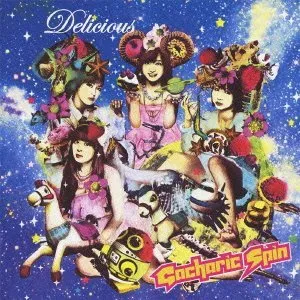
Delicious
Gacharic Spin
Trance Metal
Similar artists
4
/5
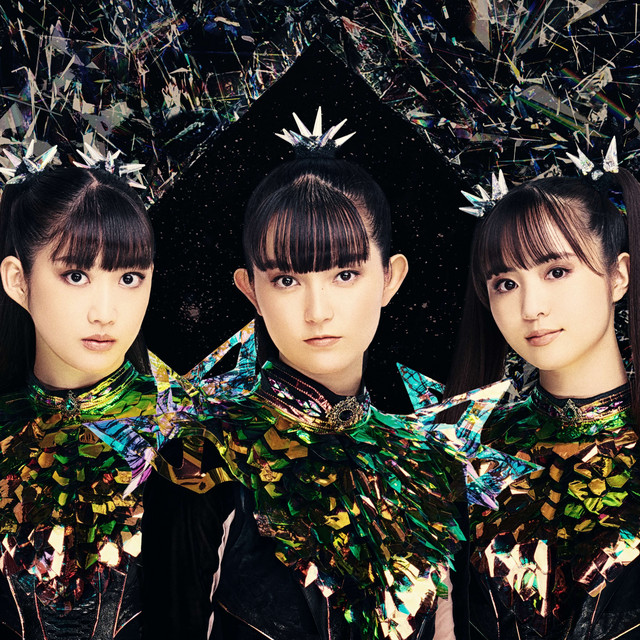
BABYMETAL
Idol Rock
Kawaii Metal
Alternative Metal
2
/5
PassCode
Kawaii Metal
Idol Rock
Trance Metal
1
/5
DOLL$BOXX
Kawaii Metal
Alternative Idol
J-Rock
1
/5
Candye Syrup
Alternative Idol
J-Rock
Electronicore
2
/5
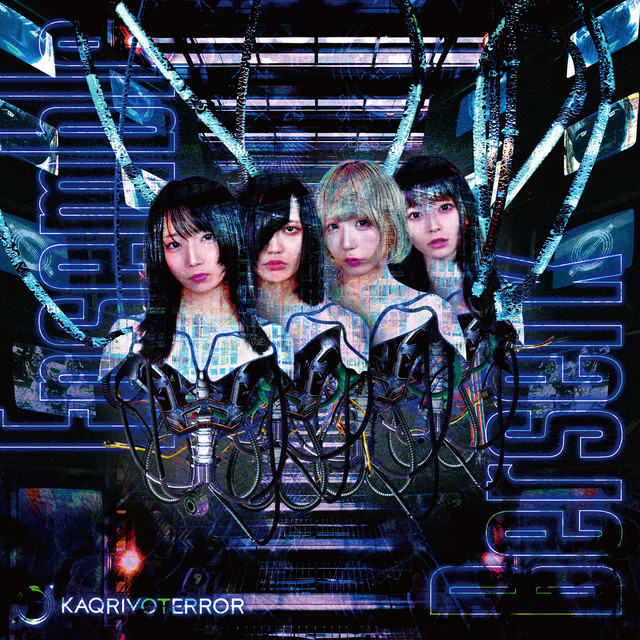
KAQRIYOTERROR
Kawaii Metal
J-Rock
Visual Kei
2
/5
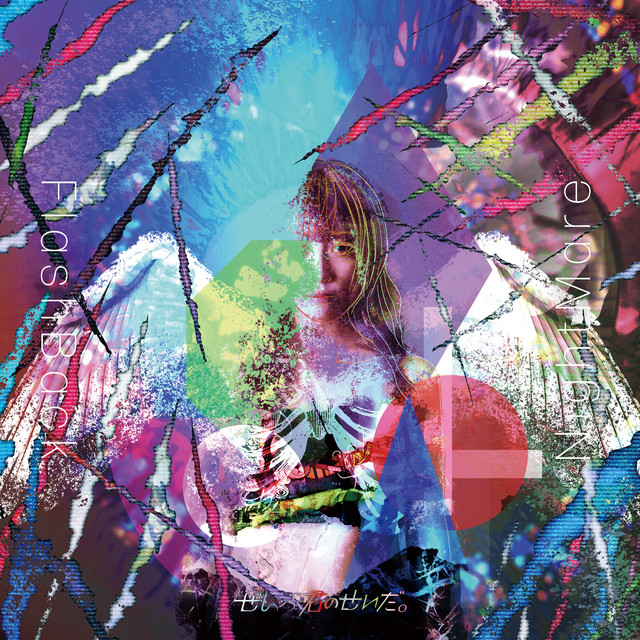
zenbukiminoseida.
Idol Rock
J-Rock
Kawaii Metal
1
/5
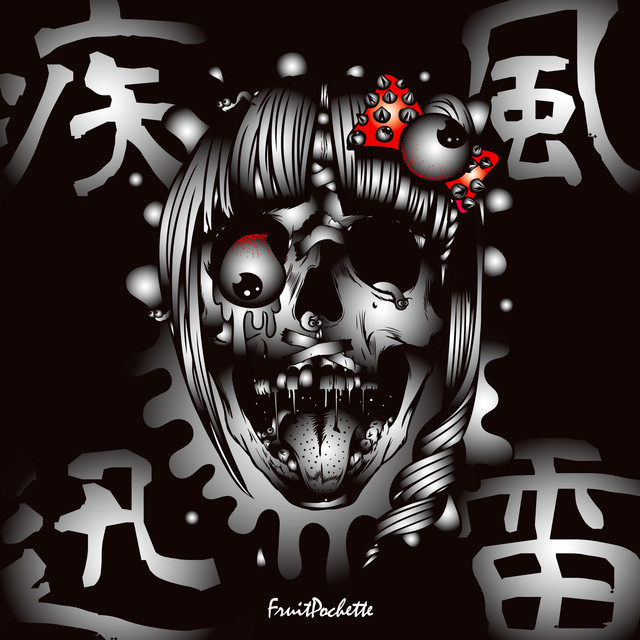
Fruitpochette
J-Rock
Visual Kei
Kawaii Metal
2
/5
Broken By The Scream
Kawaii Metal
Alternative Idol
Metalcore
2
/5
NECRONOMIDOL
Kawaii Metal
Alternative Idol
J-Rock
3
/5
BiSH
Alternative Idol
Anime
J-Pop
Download our mobile app
Get the Melodigging app and start digging for new genres on the go
Download on the App Store
Get it on Google Play
© 2026 Melodigging
Give feedback
Legal
Melodding was created as a tribute to
Every Noise at Once
, which inspired us to help curious minds keep digging into music's ever-evolving genres.