Genres
Artists
Albums
Make Music
Sign in
Sign in
Artists
Brit Funk
Artists
Brit Funk
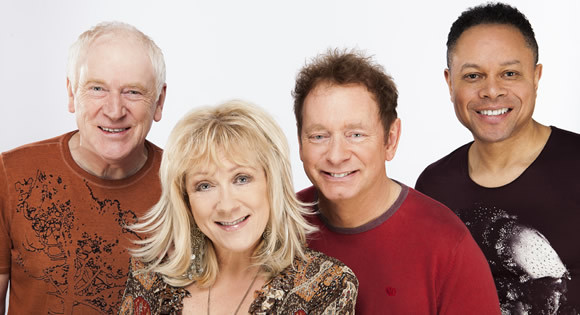
Freeez
2011
·
1 album
Listen
2
/5
Genres
Popwave
Popwave is a song‑forward branch of synthwave that fuses glossy 1980s pop aesthetics with contemporary electronic production. Where classic synthwave often favors instrumental, cinematic moods, popwave puts vocals and hooks at the center: big choruses, radio‑ready structures, and emotive lyrics about youth, night drives, neon‑lit romance, and bittersweet nostalgia. Sonically it leans on analog‑styled polysynths, driving eighth‑note basslines, gated‑reverb drums, shimmering guitars, and frequent sax or lead‑guitar cameos—yet it’s mixed and mastered to modern pop standards. The result is a style that feels simultaneously retro and current: the color and optimism of 80s chart pop, filtered through the songwriting discipline of today’s electropop and the sound design DNA of synthwave.
Discover
Listen
Modern Funk
Modern funk is a 21st‑century revitalization of late‑’70s/’80s boogie and electro‑funk aesthetics, filtered through contemporary R&B, hip‑hop production, and indie dance scenes. It emphasizes pocket‑tight grooves, syncopated basslines (often synth‑driven), crisp drum‑machine patterns, bright polyphonic synths, talkbox/vocoder leads, and clean, choppy rhythm guitar. Compared with classic funk, modern funk leans more on analog and early‑digital synth colors (Juno, Prophet, DX7, Moog), Linn/808/909‑style drums, glossy mixes, and ear‑candy arrangement details. Lyrically, it favors feel‑good party vibes, love themes, and everyday swagger, aiming for dancefloor immediacy with a retro‑futurist sheen.
Discover
Listen
Chicago House
Chicago house is the original strain of house music that emerged from Chicago’s club scene in the mid to late 1980s. Built around a four-on-the-floor kick, syncopated hi‑hats, handclaps, and looping basslines from affordable drum machines and synths, it translated the energy of disco and boogie into a raw, hypnotic, DJ‑friendly format. The sound was forged by resident DJs and producers associated with venues like The Warehouse, Music Box, and Power Plant, as they extended and reworked soulful, gospel-tinged dance records into long, functional grooves. Early Chicago house is often sparse and gritty—driven by TR‑808/909 patterns, piano stabs, deep pads, and call‑and‑response vocals—designed first and foremost for the dance floor.
Discover
Listen
Hi-Nrg
Hi-NRG (pronounced "high energy") is a fast, hard-driving form of post-disco dance music characterized by four-on-the-floor kick drums, octave-jumping synth basslines, bright synth stabs, and powerful, often belted vocals. Typical tempos range from about 125 to 140 BPM, giving the music a relentless momentum designed for peak-time club play. The style fuses the glossy sheen of Euro-disco and synth-pop with the muscular immediacy of electronic drum machines and sequencers. It is closely associated with LGBTQ+ club culture, anthemic choruses, and themes of empowerment, desire, and nightlife. Signature production touches include gated-reverb snares, handclaps, glittering arpeggios, and dramatic key changes that heighten emotional lift.
Discover
Listen
Post-Disco
Post-disco emerged at the turn of the 1980s as club music adapted to the backlash against late-1970s disco. It kept disco’s dance-floor focus but pared down the orchestral lushness, replacing strings and large horn sections with drum machines, synthesizers, and tighter funk- and soul-informed grooves. The style favors mid-tempo, bass-forward rhythms (often around 105–120 BPM), crisp handclaps, syncopated rhythm guitar, and glossy keyboard textures. It served as a bridge between classic disco and later developments like boogie, electro-funk, house, freestyle, and dance-pop, defining the sonic palette of early 1980s urban contemporary R&B.
Discover
Listen
Brit Funk
Brit funk (often styled Brit-funk) is a late‑1970s to early‑1980s UK blend of American funk, disco, and jazz-fusion filtered through British club culture and a vibrant Afro‑Caribbean diaspora. Characterized by tight, syncopated rhythm sections, slap bass, sparkling Rhodes and clavinet, jazz‑tinged chord voicings, bright horn stabs, and polished yet live band production, the style favors mid‑tempo grooves designed for the dancefloor. Many tracks feature extended vamps, instrumental solos, and breakdowns that reflect both jazz musicianship and DJ‑friendly structure. The sound sits between disco’s four‑on‑the‑floor drive and jazz‑funk’s harmonic richness, with an ear for catchy hooks and party‑ready refrains. It became a cornerstone of UK club life, feeding into rare groove culture and setting the stage for acid jazz and later broken beat.
Discover
Listen
Jazz-Funk
Jazz-funk is a groove-forward hybrid of jazz improvisation and harmony with the rhythmic drive and backbeat of funk. It features syncopated basslines, crisp drum patterns, and tight horn or keyboard riffs, often organized around vamping two- or four-bar progressions rather than complex chord changes. The sound is defined by electric instruments—Fender Rhodes, Clavinet, analog and early digital synthesizers, electric bass, and wah-inflected guitar—alongside punchy horn sections and extended solos. Compared to traditional jazz, the harmonic language is leaner but still rich, emphasizing 9ths, 11ths, 13ths, and modal centers (especially Dorian). The music aims for deep, danceable pocket, slick production, and a soulful, urban feel.
Discover
Listen
Funk
Funk is a rhythm-forward African American popular music style that centers on groove, syncopation, and interlocking parts. Rather than emphasizing complex chord progressions, funk builds tight, repetitive vamps that highlight the rhythm section and create an irresistible dance feel. The genre is marked by syncopated drum patterns, melodic yet percussive bass lines, choppy guitar "chanks," punchy horn stabs, call‑and‑response vocals, and a strong backbeat. Funk’s stripped-down harmony, prominent use of the one (accenting the downbeat), and polyrhythmic layering draw deeply from soul, rhythm and blues, jazz, gospel, and African rhythmic traditions. From James Brown’s late-1960s innovations through the expansive P-Funk universe and the slicker sounds of the 1970s and 1980s, funk has continually evolved while seeding countless other genres, from disco and hip hop to house and modern R&B.
Discover
Listen
Show all 8 genres
Albums
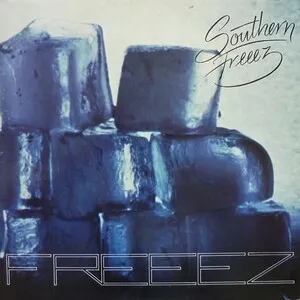
2011
2
/5
Southern Freeez
Freeez
Brit Funk
Similar artists
1
/5
Various Artists
Afro-Funk
Alternative Rock
Ambient
3
/5
Shakatak
Brit Funk
Jazz-Funk
Post-Disco
2
/5
Light Of The World
Brit Funk
Jazz-Funk
Post-Disco
2
/5
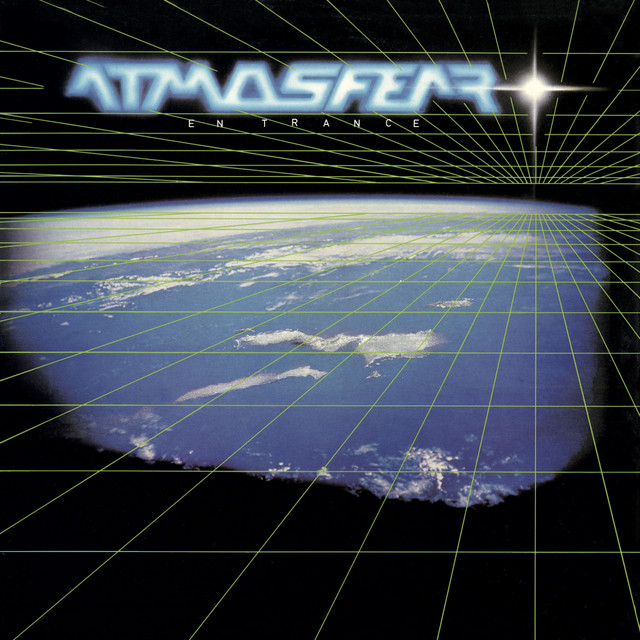
Atmosfear
Brit Funk
Jazz-Funk
Post-Disco
2
/5
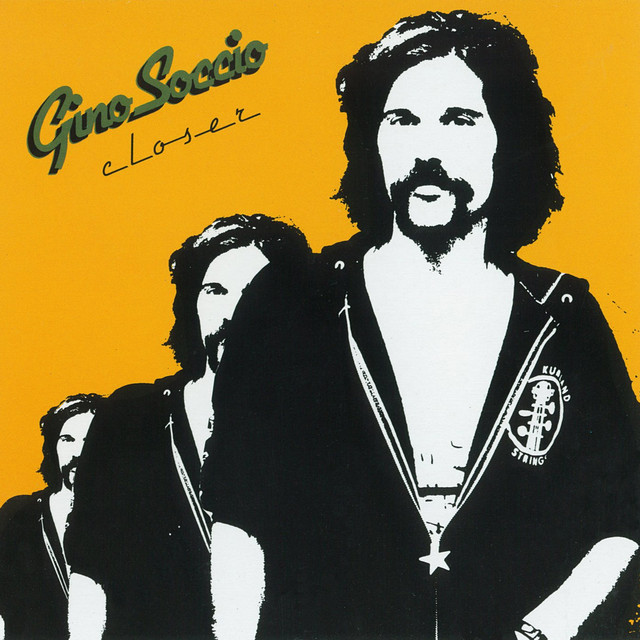
Gino Soccio
Disco
Italo-Disco
Chicago House
2
/5
Suzy Q
Chicago House
Disco
Hi-Nrg
2
/5
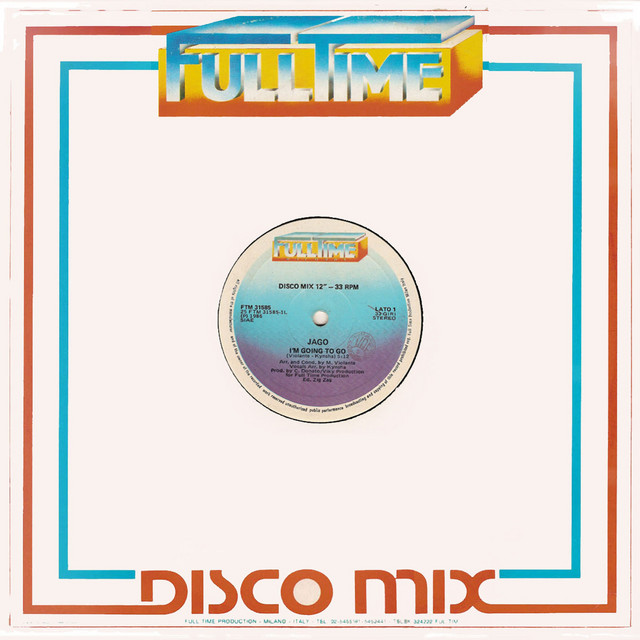
JAGO
Chicago House
Hi-Nrg
Italo Dance
2
/5
International Music System
Italo-Disco
Chicago House
Hi-Nrg
2
/5
Alexander Robotnick
Italo-Disco
Acid House
Chicago House
2
/5
Doctor's Cat
Chicago House
Hi-Nrg
Italo Dance
Download our mobile app
Get the Melodigging app and start digging for new genres on the go
Download on the App Store
Get it on Google Play
© 2026 Melodigging
Give feedback
Legal
Melodding was created as a tribute to
Every Noise at Once
, which inspired us to help curious minds keep digging into music's ever-evolving genres.