Genres
Artists
Albums
Make Music
Sign in
Sign in
Artists
Brit Funk
Artists
Brit Funk
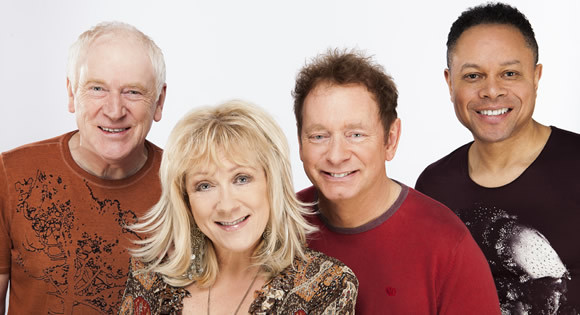
Shakatak
1981–2014
·
14 albums
Listen
3
/5
Genres
Deep Funk Ostentacao
Deep funk ostentação is a moody, late‑night variant of São Paulo’s funk ostentação, emphasizing deeper sub‑bass, sparse percussion, and atmospheric pads while retaining the genre’s themes of luxury, status, and upward mobility. Compared with the brighter, EDM‑leaning hits of ostentação in the early 2010s, the “deep” approach strips arrangements down to hypnotic tamborzão grooves, 808 low‑end, and minimal, minor‑key synth motifs. Vocals often sit closer to the beat, with autotune and chant‑like hooks, but the lyrical focus remains on conspicuous consumption (cars, brands, nightlife) filtered through a more introspective, nocturnal aesthetic.
Discover
Listen
Digital Fusion
Digital fusion blends the hardware‑limited timbres of Chiptune and Bit Music with the harmonic language and arranging scope of jazz fusion, cinematic/classical writing, progressive music, and contemporary electronic production. Producers often start with authentic chip palettes (NES, Game Boy, YM2612/Genesis, or tracker/sample-based 8/16‑bit sets), then write harmonically rich progressions, orchestrate with layered synths and sample libraries, and sometimes add live performers (saxophone, guitar, bass, drums, strings). The result feels both retro and forward‑looking: agile, rhythmically intricate, melodically ear‑catchy, and frequently “filmic” in scope. Compared with straight Chiptune, digital fusion leans harder into jazz harmony, odd meters, and cinematic development; compared with jazztronica, it keeps a stronger attachment to console/arcade sound design and tracker‑style articulation.
Discover
Listen
Mega Funk
Mega funk is a recent branch of Brazilian funk that pushes the sound toward heavier, darker, and more minimal club drops. Tracks are typically built around a slow-to-mid tempo groove (roughly 100–120 BPM), with huge, overdriven 808 sub-bass slides, clipped kicks, and sparse, percussive hits. The style favors short vocal chops, catchphrases, and meme-ready hooks over full verses, often processed with pitch/formant shifting and aggressive compression to cut through massive systems. Arrangements borrow EDM-style build–drop dynamics, but keep the raw drum DNA of funk carioca and the car-audio emphasis of funk automotivo. The result is a dancefloor-oriented, high-impact sound engineered to shake speakers as much as bodies.
Discover
Listen
Post-Disco
Post-disco emerged at the turn of the 1980s as club music adapted to the backlash against late-1970s disco. It kept disco’s dance-floor focus but pared down the orchestral lushness, replacing strings and large horn sections with drum machines, synthesizers, and tighter funk- and soul-informed grooves. The style favors mid-tempo, bass-forward rhythms (often around 105–120 BPM), crisp handclaps, syncopated rhythm guitar, and glossy keyboard textures. It served as a bridge between classic disco and later developments like boogie, electro-funk, house, freestyle, and dance-pop, defining the sonic palette of early 1980s urban contemporary R&B.
Discover
Listen
Acid Jazz
Acid jazz is a groove-focused fusion that blends the rhythmic drive of 1970s funk and soul with jazz harmony, improvisation, and DJ culture. Emerging from the UK club scene in the late 1980s, it revived crate-dug "rare groove" aesthetics and reintroduced live instrumentation—Hammond organ, Rhodes, horns, and tight rhythm sections—into contemporary dance music. Stylistically, acid jazz favors mid-tempo, syncopated rhythms, vamp-based structures, extended chords, and concise solos, often paired with warm, analog-leaning production. It sits between dancefloor energy and lounge sophistication, bridging DJs, bands, and studio producers while maintaining a polished, urban, and feel-good mood.
Discover
Listen
Brit Funk
Brit funk (often styled Brit-funk) is a late‑1970s to early‑1980s UK blend of American funk, disco, and jazz-fusion filtered through British club culture and a vibrant Afro‑Caribbean diaspora. Characterized by tight, syncopated rhythm sections, slap bass, sparkling Rhodes and clavinet, jazz‑tinged chord voicings, bright horn stabs, and polished yet live band production, the style favors mid‑tempo grooves designed for the dancefloor. Many tracks feature extended vamps, instrumental solos, and breakdowns that reflect both jazz musicianship and DJ‑friendly structure. The sound sits between disco’s four‑on‑the‑floor drive and jazz‑funk’s harmonic richness, with an ear for catchy hooks and party‑ready refrains. It became a cornerstone of UK club life, feeding into rare groove culture and setting the stage for acid jazz and later broken beat.
Discover
Listen
Jazz-Funk
Jazz-funk is a groove-forward hybrid of jazz improvisation and harmony with the rhythmic drive and backbeat of funk. It features syncopated basslines, crisp drum patterns, and tight horn or keyboard riffs, often organized around vamping two- or four-bar progressions rather than complex chord changes. The sound is defined by electric instruments—Fender Rhodes, Clavinet, analog and early digital synthesizers, electric bass, and wah-inflected guitar—alongside punchy horn sections and extended solos. Compared to traditional jazz, the harmonic language is leaner but still rich, emphasizing 9ths, 11ths, 13ths, and modal centers (especially Dorian). The music aims for deep, danceable pocket, slick production, and a soulful, urban feel.
Discover
Listen
Smooth Jazz
Smooth jazz is a radio-friendly offshoot of jazz that blends the harmonic vocabulary and improvisational flavor of jazz with the gentle grooves of R&B, pop, and easy listening. It emphasizes melody, polished production, and laid‑back rhythms over extended improvisation or complex swing feels. Typically mid‑tempo and sleek, smooth jazz favors clean electric guitar, soprano or alto saxophone leads, warm electric piano (Rhodes) and synth pads, and a tight, understated rhythm section. The result is music designed for relaxed listening—romantic, urbane, and sophisticated—yet still rooted in jazz harmony and phrasing.
Discover
Listen
Jazz Fusion
Jazz fusion (often simply called "fusion") blends the improvisational language and harmonic richness of jazz with the amplified instruments, grooves, and song forms of rock, funk, and R&B. It typically features electric guitars, electric bass or fretless bass, Rhodes electric piano, clavinet, analog and digital synthesizers, and a drum kit playing backbeat- and syncopation-heavy patterns. Hallmarks include extended chords and modal harmony, complex and shifting meters, brisk unison lines, virtuosic improvisation, and a production aesthetic that embraces effects processing and studio craft. The style ranges from fiery, aggressive workouts to polished, atmospheric textures, often within the same piece. Emerging in the late 1960s and flourishing through the 1970s, jazz fusion became a bridge between jazz audiences and rock/funk listeners, shaping later styles such as jazz-funk, smooth jazz, nu jazz, and parts of progressive and technical rock/metal.
Discover
Listen
Jazz
Jazz is an improvisation-centered music tradition that emerged from African American communities in the early 20th century. It blends blues feeling, ragtime syncopation, European harmonic practice, and brass band instrumentation into a flexible, conversational art. Defining features include swing rhythm (a triplet-based pulse), call-and-response phrasing, blue notes, and extended harmonies built on 7ths, 9ths, 11ths, and 13ths. Jazz is as much a way of making music—spontaneous interaction, variation, and personal sound—as it is a set of forms and tunes. Across its history, jazz has continually hybridized, from New Orleans ensembles and big-band swing to bebop, cool and hard bop, modal and free jazz, fusion, and contemporary cross-genre experiments. Its influence permeates global popular and art music.
Discover
Listen
Electronic
Electronic is a broad umbrella genre defined by the primary use of electronically generated or electronically processed sound. It encompasses music made with synthesizers, drum machines, samplers, computers, and studio/tape techniques, as well as electroacoustic manipulation of recorded or synthetic sources. The genre ranges from academic and experimental traditions to popular and dance-oriented forms. While its sonic palette is rooted in electricity and circuitry, its aesthetics span minimal and textural explorations, structured song forms, and beat-driven club permutations. Electronic emphasizes sound design, timbre, and studio-as-instrument practices as much as melody and harmony.
Discover
Listen
Show all 11 genres
Albums
2014
3
/5
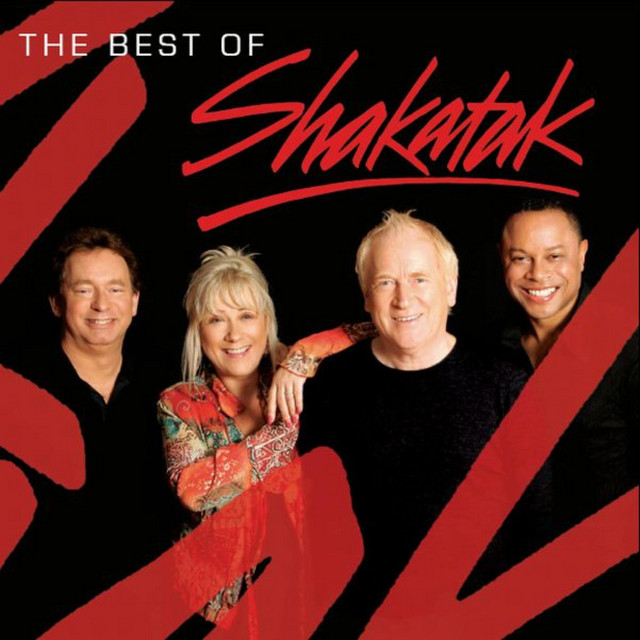
The Best Of
Shakatak
Brit Funk
2011
2
/5
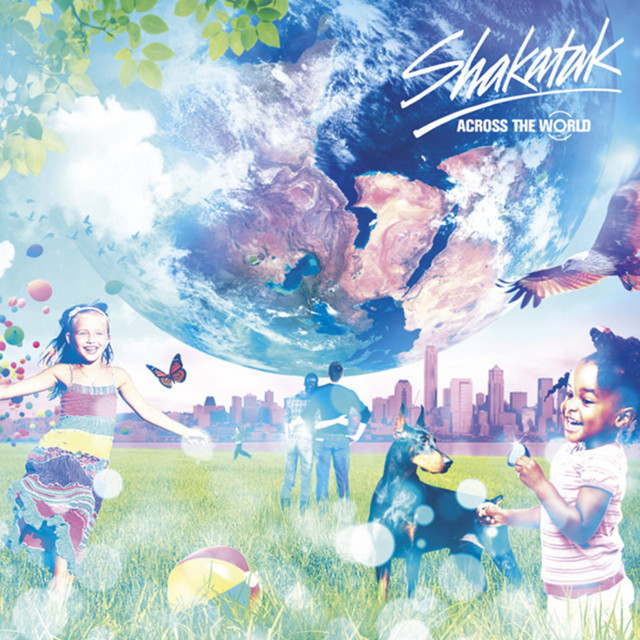
Across the World
Shakatak
Brit Funk
Post-Disco
Jazz Fusion
2008
2
/5
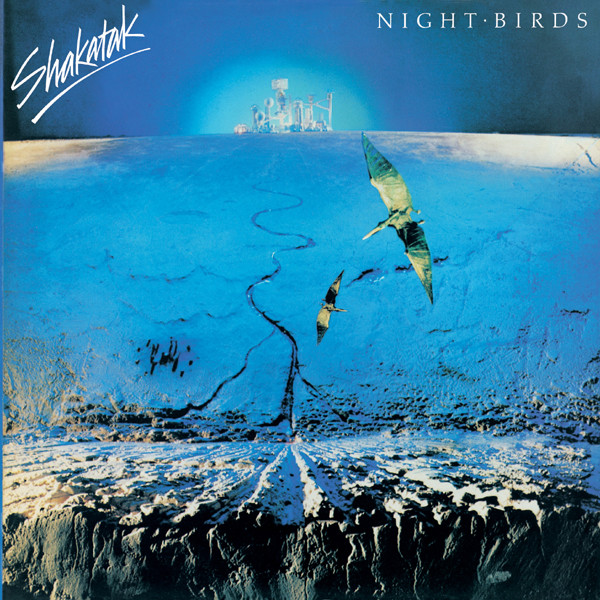
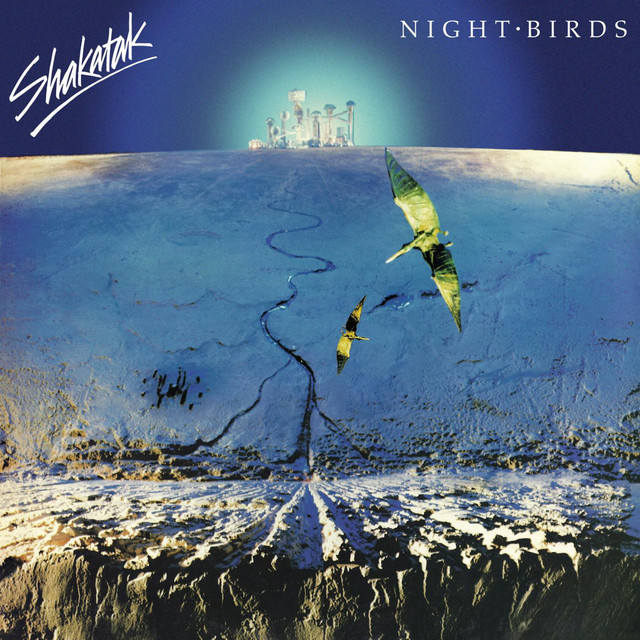
Night Birds
Shakatak
Brit Funk
2002
2
/5
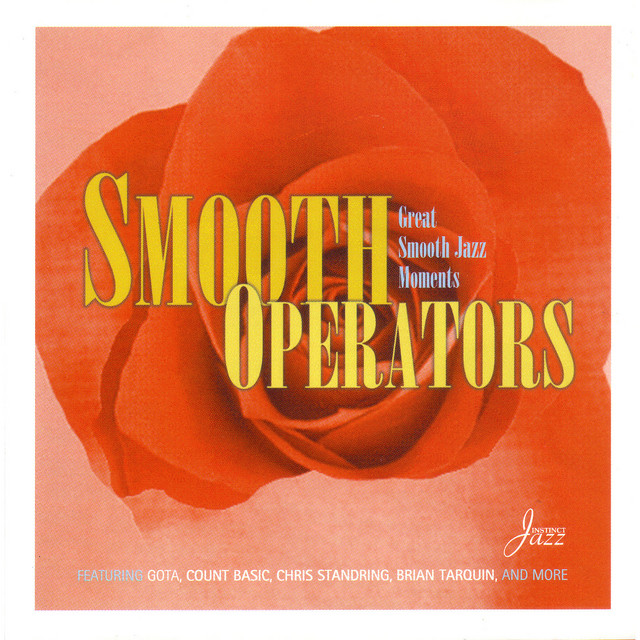
Smooth Operators: Great Smooth Jazz Moments
Shakatak
Brit Funk
Post-Disco
1999
1
/5
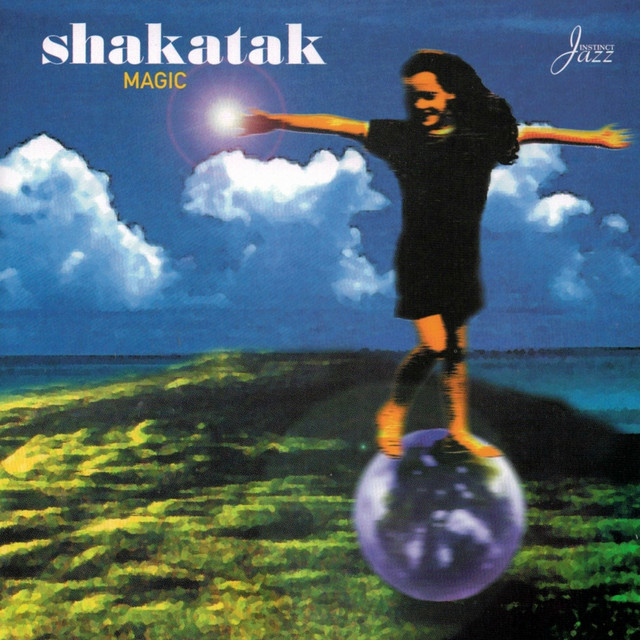
Magic
Shakatak
Brit Funk
Acid Jazz
Electronic
1988
1
/5
Da Makani
Shakatak
Brit Funk
1985
2
/5
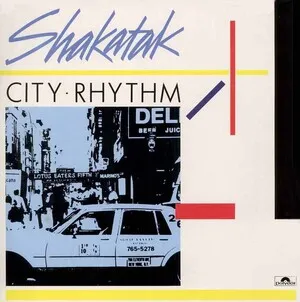
City Rhythm
Shakatak
Brit Funk
1984
3
/5
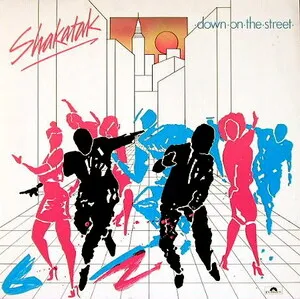
Down on the Street
Shakatak
Brit Funk
Jazz-Funk
1983
2
/5
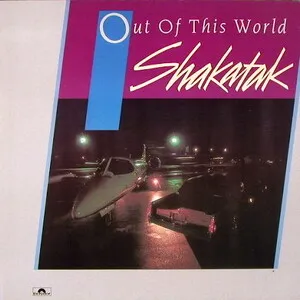
Out of This World
Shakatak
Brit Funk
1982
3
/5
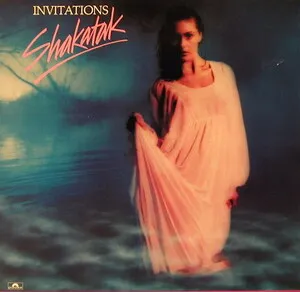
Invitations
Shakatak
Brit Funk
1982
3
/5
Night Birds
Shakatak
Brit Funk
Electronic
Jazz-Funk
1981
1
/5
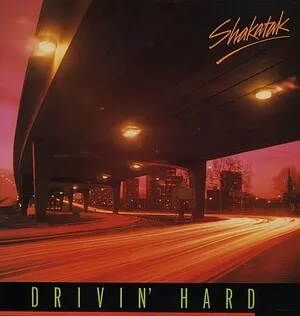
Drivin' Hard
Shakatak
Brit Funk
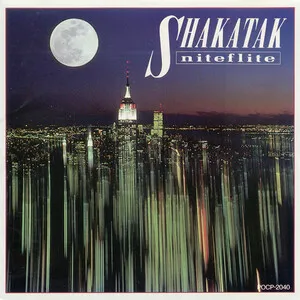
Niteflite
Shakatak
Brit Funk
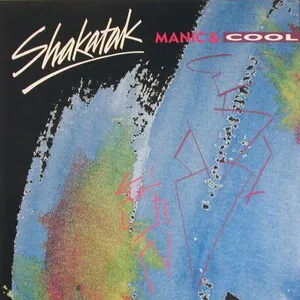
Manic & Cool
Shakatak
Brit Funk
Similar artists
1
/5
Various Artists
Afro-Funk
Alternative Rock
Ambient
1
/5
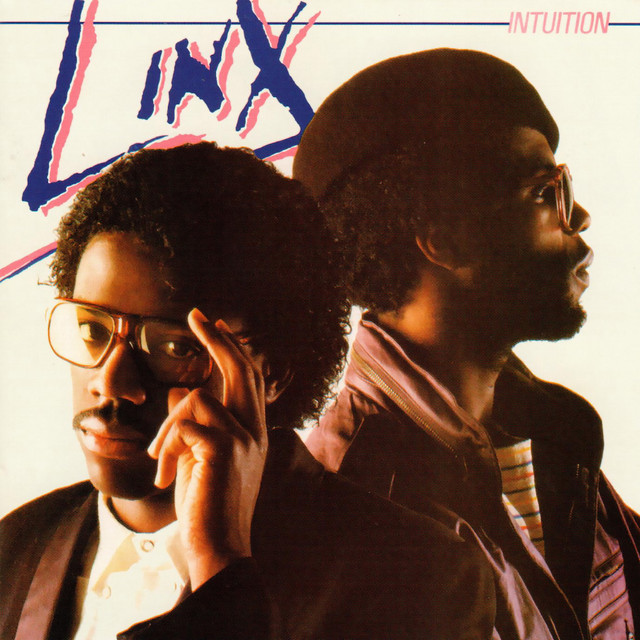
Linx
Brit Funk
Jazz-Funk
Post-Disco
3
/5
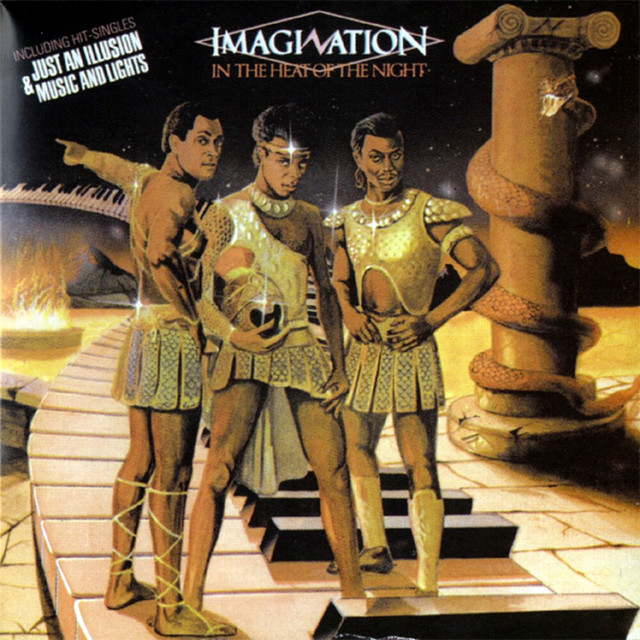
Imagination
Brit Funk
Post-Disco
Disco
3
/5
Loose Ends
Brit Funk
New Jack Swing
R&b
2
/5
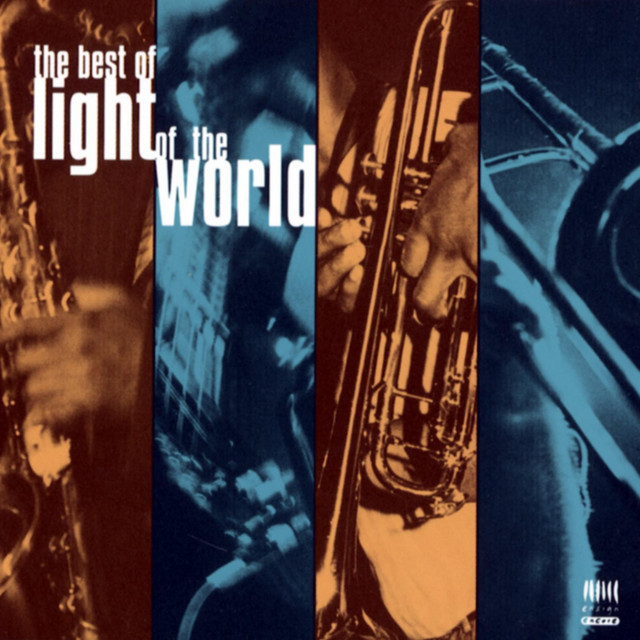
Light Of The World
Brit Funk
Jazz-Funk
Post-Disco
2
/5
Atmosfear
Brit Funk
Jazz-Funk
Post-Disco
3
/5
The Real Thing
Brit Funk
Electronic
Pop
3
/5
Freddie Hubbard
Jazz
Hard Bop
Jazz-Funk
3
/5
Dirty Loops
Modern Funk
Jazz Fusion
Jazz-Funk
2
/5
Yussef Kamaal
Jazz
Jazz-Funk
New London Jazz
Download our mobile app
Get the Melodigging app and start digging for new genres on the go
Download on the App Store
Get it on Google Play
© 2026 Melodigging
Give feedback
Legal
Melodding was created as a tribute to
Every Noise at Once
, which inspired us to help curious minds keep digging into music's ever-evolving genres.