Genres
Artists
Albums
Make Music
Sign in
Sign in
Artists
Jazz
Artists
Jazz
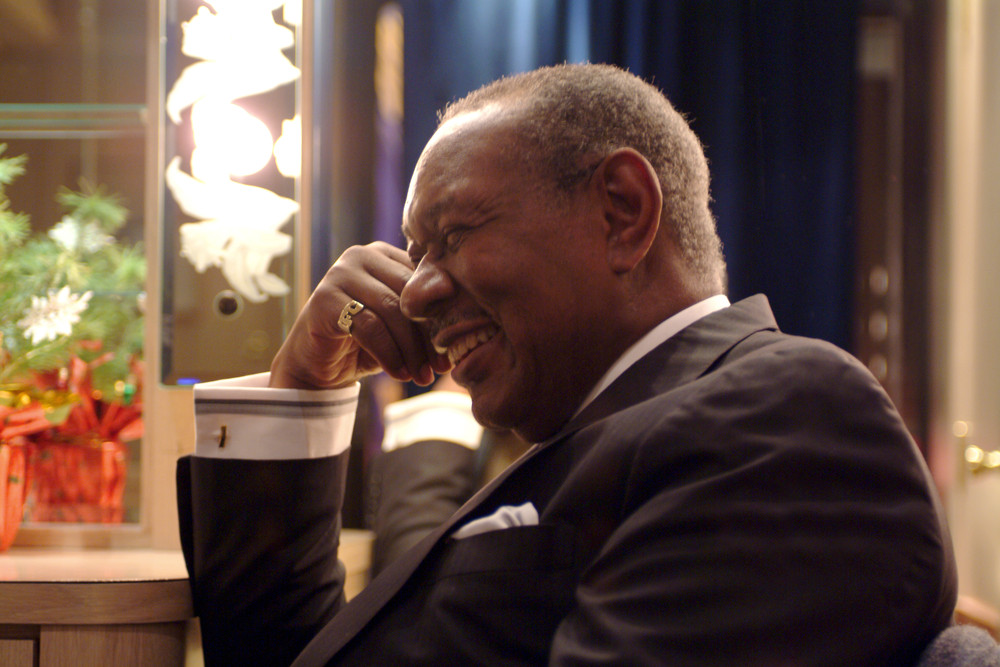
Freddy Cole
1973–2018
·
18 albums
Listen
2
/5
Genres
Smooth Jazz
Smooth jazz is a radio-friendly offshoot of jazz that blends the harmonic vocabulary and improvisational flavor of jazz with the gentle grooves of R&B, pop, and easy listening. It emphasizes melody, polished production, and laid‑back rhythms over extended improvisation or complex swing feels. Typically mid‑tempo and sleek, smooth jazz favors clean electric guitar, soprano or alto saxophone leads, warm electric piano (Rhodes) and synth pads, and a tight, understated rhythm section. The result is music designed for relaxed listening—romantic, urbane, and sophisticated—yet still rooted in jazz harmony and phrasing.
Discover
Listen
Funk
Funk is a rhythm-forward African American popular music style that centers on groove, syncopation, and interlocking parts. Rather than emphasizing complex chord progressions, funk builds tight, repetitive vamps that highlight the rhythm section and create an irresistible dance feel. The genre is marked by syncopated drum patterns, melodic yet percussive bass lines, choppy guitar "chanks," punchy horn stabs, call‑and‑response vocals, and a strong backbeat. Funk’s stripped-down harmony, prominent use of the one (accenting the downbeat), and polyrhythmic layering draw deeply from soul, rhythm and blues, jazz, gospel, and African rhythmic traditions. From James Brown’s late-1960s innovations through the expansive P-Funk universe and the slicker sounds of the 1970s and 1980s, funk has continually evolved while seeding countless other genres, from disco and hip hop to house and modern R&B.
Discover
Listen
Pop
Pop is a broad, hook-driven style of popular music designed for wide appeal. It emphasizes memorable melodies, concise song structures, polished vocals, and production intended for radio, charts, and mass media. While pop continually absorbs elements from other styles, its core remains singable choruses, accessible harmonies, and rhythmic clarity. Typical forms include verse–pre-chorus–chorus, frequent use of bridges and middle-eights, and ear-catching intros and outros. Pop is not defined by a single instrumentation. It flexibly incorporates acoustic and electric instruments, drum machines, synthesizers, and increasingly digital production techniques, always in service of the song and the hook.
Discover
Listen
Bossa Nova
Bossa nova is a Brazilian popular music style that emerged in Rio de Janeiro in the late 1950s, blending samba’s syncopated pulse with the harmonic sophistication and understated cool of jazz. It is characterized by intimate, almost whispered vocals; a nylon‑string guitar playing the distinctive batida (a gently syncopated, two-beat accompaniment); subtle, brushed percussion; and lush, extended jazz harmonies. The mood is relaxed, refined, and full of saudade—a bittersweet sense of longing—often evoking images of Rio’s beaches, nightclubs, and urban modernity.
Discover
Listen
Easy Listening
Easy listening is a lush, melodic, and unobtrusive style of popular orchestral music designed to be pleasant in the foreground and effortless in the background. It favors smooth textures, lyrical melodies, and gentle rhythms over virtuosic display or dense complexity. Typical arrangements feature string sections, woodwinds, soft brass, vibraphone, harp, piano, subtle Latin or light swing percussion, and sometimes wordless choirs. Repertoire often consists of standards, film and television themes, and instrumental covers of contemporary hits, presented with polished studio production and wide stereo imaging. The mood ranges from romantic and sentimental to breezy and exotic, prioritizing warmth, clarity, and relaxed pacing. Improvisation, if present, is restrained, with harmony that leans on jazzy extensions while staying consonant and approachable.
Discover
Listen
Soul
Soul is a genre of popular music that blends the spiritual fervor and vocal techniques of African‑American gospel with the grooves and song forms of rhythm & blues and the harmonic palette of jazz and blues. It is defined by impassioned, melismatic lead vocals; call‑and‑response with backing singers; handclaps and a strong backbeat; syncopated bass lines; and memorable horn or string riffs. Typical instrumentation includes drum kit, electric bass, electric guitar, piano or Hammond organ, horns (trumpet, saxophone, trombone), and sometimes orchestral strings. Lyrically, soul ranges from love and heartbreak to pride, social commentary, and spiritual yearning. Regionally distinct scenes—such as Detroit’s Motown, Memphis/Stax, Muscle Shoals, Chicago, New Orleans, and Philadelphia—shaped different flavors of soul, while the style’s emotional directness and rhythmic drive made it a cornerstone of later funk, disco, contemporary R&B, and hip hop.
Discover
Listen
Soul Jazz
Soul jazz is a groove-forward branch of jazz that blends the improvisational language of hard bop with the churchy harmonies of gospel and the backbeat of rhythm & blues. It favors memorable riffs, earthy tones, and a strong, danceable pulse over dense harmonic complexity. Typical settings include Hammond B-3 organ trios (organ, guitar, drums) or small combos with saxophone or trumpet. Tunes often use blues forms, minor-key vamps, and gospel cadences, featuring call-and-response figures, pentatonic and blues-scale lines, and a relaxed but insistent pocket. The overall aesthetic is warm, direct, and soulful—equally at home in jazz clubs, lounges, and on the radio.
Discover
Listen
Swing
Swing is a jazz style centered on a buoyant, danceable groove created by a walking bass, four-to-the-bar rhythm guitar, a backbeat emphasis on 2 and 4, and a lilted “swung” eighth-note feel. Typically performed by big bands (saxes, trumpets, trombones, and a rhythm section) as well as small combos, it balances written arrangements with improvised solos. Hallmarks include call-and-response between horn sections, riff-based melodies, shout choruses that build intensity near the end of an arrangement, and rich sectional voicings grounded in blues language and ii–V–I harmonic motion. Tempos range from medium to brisk, serving social dances like the Lindy Hop and Jitterbug. Swing’s expressive phrasing, dance-floor focus, and sophisticated arranging made it the dominant popular music of the late 1930s and early 1940s.
Discover
Listen
Vocal Jazz
Vocal jazz is a jazz tradition in which the human voice is treated as an instrument—matching the phrasing, articulation, and timbral nuance of horns or piano. Singers often improvise melodically and rhythmically, including using scat singing (nonsense syllables) to emulate instrumental solos. At the same time, many vocal‑jazz performances favor traditional, pop‑leaning song structures and clear lyric delivery, reducing the overall role of extended improvisation compared with small‑group instrumental jazz. Repertoires frequently draw from Tin Pan Alley and Broadway standards (the Great American Songbook), rendered with swing, ballad, or Latin feels.
Discover
Listen
Standards
Standards refers to the shared core repertoire of widely known songs in American popular music, especially those from the Great American Songbook. These pieces became "standards" because they have been performed, recorded, and reinterpreted across decades by countless singers and jazz instrumentalists. Typically originating from Tin Pan Alley, Broadway, and Hollywood films of the early–mid 20th century, standards are marked by memorable melodies, refined lyric craft, and harmonically rich progressions that invite interpretation and improvisation. Many use 32‑bar song forms (AABA or ABAC), employ circle‑of‑fifths motion, secondary dominants, and occasional key changes, and work equally well as ballads or swinging uptempo pieces. Today, standards function as a common language for jazz and traditional pop musicians, anchoring jam sessions, vocal recitals, and crossover projects while continuing to inspire new arrangements and recordings.
Discover
Listen
Jazz
Jazz is an improvisation-centered music tradition that emerged from African American communities in the early 20th century. It blends blues feeling, ragtime syncopation, European harmonic practice, and brass band instrumentation into a flexible, conversational art. Defining features include swing rhythm (a triplet-based pulse), call-and-response phrasing, blue notes, and extended harmonies built on 7ths, 9ths, 11ths, and 13ths. Jazz is as much a way of making music—spontaneous interaction, variation, and personal sound—as it is a set of forms and tunes. Across its history, jazz has continually hybridized, from New Orleans ensembles and big-band swing to bebop, cool and hard bop, modal and free jazz, fusion, and contemporary cross-genre experiments. Its influence permeates global popular and art music.
Discover
Listen
Blues
Blues is an African American musical tradition defined by expressive "blue notes," call-and-response phrasing, and a characteristic use of dominant-seventh harmony in cyclical song forms (most famously the 12‑bar blues). It is as much a feeling as a form, conveying sorrow, resilience, humor, and hard-won joy. Musically, blues commonly employs the I–IV–V progression, swung or shuffled rhythms, and the AAB lyric stanza. Melodies lean on the minor/major third ambiguity and the flattened fifth and seventh degrees. Core instruments include voice, guitar (acoustic or electric), harmonica, piano, bass, and drums, with slide guitar, bends, and vocal melismas as signature techniques. Over time the blues has diversified into regional and stylistic currents—Delta and Piedmont country blues, urban Chicago and Texas blues, West Coast jump and boogie-woogie—while profoundly shaping jazz, rhythm & blues, rock and roll, soul, funk, and much of modern popular music.
Discover
Listen
Ballad
A ballad is a narrative song form that tells a story in simple, singable stanzas, traditionally using quatrains in ballad meter (alternating lines of iambic tetrameter and trimeter with an ABCB rhyme scheme). Ballads typically recount dramatic events—love, betrayal, tragedy, murder, the supernatural—or notable historical incidents. Early ballads were often sung unaccompanied or with minimal accompaniment, carried by memorable, modal melodies and refrains that aided oral transmission. Over time, the term also came to describe slow, sentimental popular songs in the 20th century, but the core of the genre remains the storytelling focus and strophic, easily learned structure. Ballads are central to the English- and Scots-language folk traditions, migrated to North America where they flourished in Appalachian singing, and continue to be performed, adapted, and reinterpreted in contemporary folk and roots scenes.
Discover
Listen
Christmas Music
Christmas music is a body of sacred and secular repertoire associated with the celebration of Christmas and the winter season. It spans medieval carols, liturgical hymns, and oratorios through to 20th‑century Tin Pan Alley standards, crooner ballads, jazz‑swing arrangements, pop hits, gospel renditions, and contemporary acoustic or R&B interpretations. Stylistically it is diverse but often shares warm, nostalgic melodies, memorable choruses, and lyrics that reference the Nativity story, peace and goodwill, family gatherings, winter imagery, and figures like Santa Claus. Sleigh bells, choirs, strings, brass, and glockenspiel/celesta are common coloristic touches, while harmony ranges from simple I–IV–V progressions to richer jazz voicings. Its seasonal recurrence has made it a cultural tradition that reappears annually across radio, streaming, film, advertising, and public spaces.
Discover
Listen
Show all 14 genres
Albums
2018
My Mood Is You
Freddy Cole
Vocal Jazz
2016
He Was the King
Freddy Cole
Blues
Jazz
Vocal Jazz
2014
Singing the Blues
Freddy Cole
Blues
Jazz
Vocal Jazz
2013
This and That
Freddy Cole
Jazz
2010
Freddy Cole Sings Mr. B
Freddy Cole
Blues
Jazz
Vocal Jazz
2007
Music Maestro Please
Freddy Cole With The Bill Charlap Trio
Ballad
Jazz
Swing
2006
Because of You - Freddy Cole Sings Tony Bennett
Freddy Cole
Jazz
2005
This Love of Mine
Freddy Cole
Blues
Jazz
Vocal Jazz
2004
Waiter, Ask the Man to Play the Blues
Freddy Cole
Jazz
Soul
2003
In the Name of Love
Freddy Cole
Easy Listening
Jazz
2001
Rio De Janeiro Blue
Freddy Cole
Ballad
Bossa Nova
Jazz
1999
Le Grand Freddy
Freddy Cole
Jazz
1997
To the Ends of the Earth
Freddy Cole
Ballad
Jazz
Pop
1995
I Want a Smile for Christmas
Freddy Cole
Blues
Jazz
Vocal Jazz
1990
I'm Not My Brother I'm Me
Freddy Cole
Jazz
Swing
1978
One More Love Song
Freddy Cole
Funk
Jazz
Smooth Jazz
1975
Freddy Cole's Christmas Dreams
Freddy Cole
Christmas Music
Jazz
Pop
1973
The Cole Nobody Knows
Freddy Cole
Jazz
Soul Jazz
Similar artists
Hide discovered
4
/5
Ella Fitzgerald
Jazz
Swing
Vocal Jazz
4
/5
Tony Bennett
Jazz
Vocal Jazz
Big Band
4
/5
Nina Simone
Jazz
Blues
Soul Jazz
4
/5
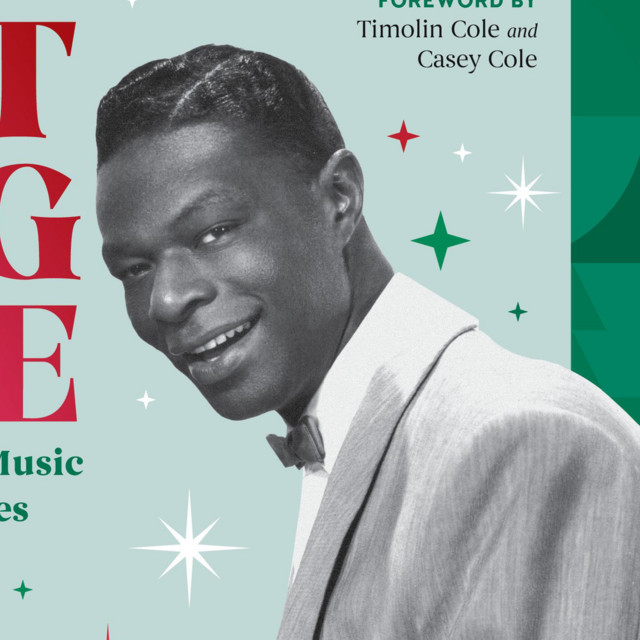
Nat King Cole
Swing
Vocal Jazz
Jazz
4
/5
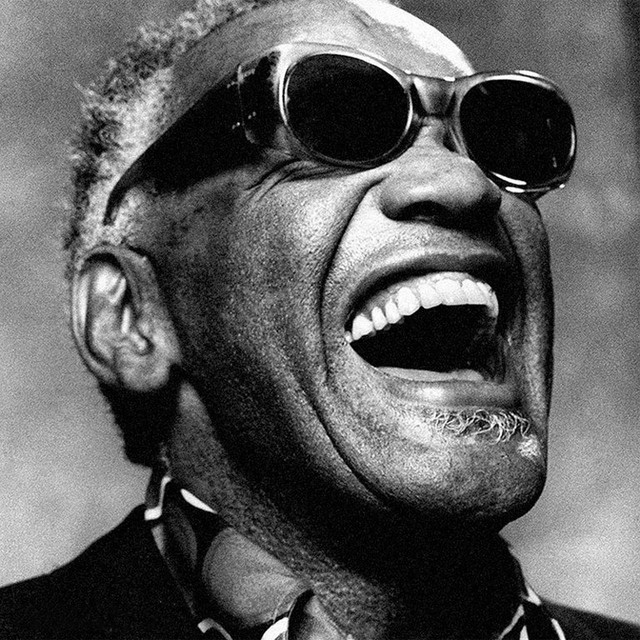
Ray Charles
Blues
Piano Blues
Soul
1
/5
Various Artists
Soundtrack
Afro-Funk
Alternative Rock
4
/5
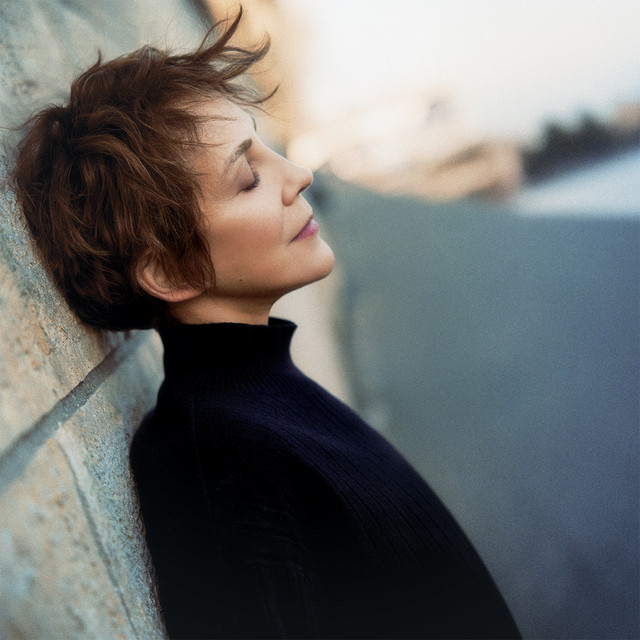
Stacey Kent
Jazz
Bossa Nova
Contemporary Vocal Jazz
4
/5
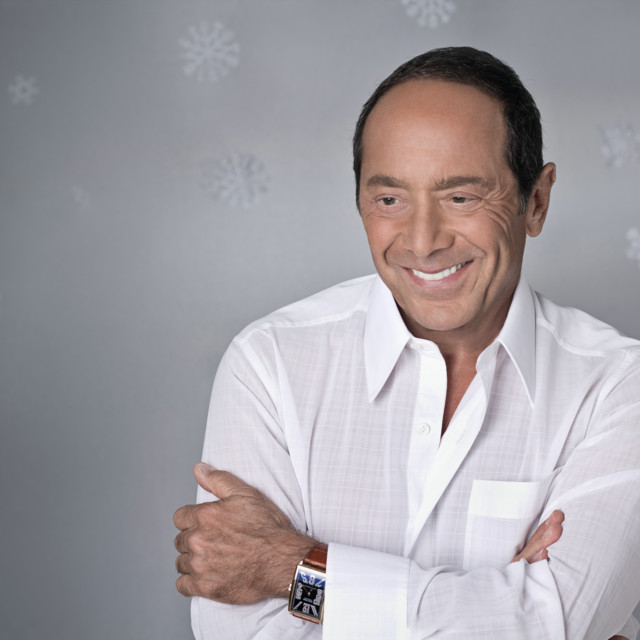
Paul Anka
Pop
Jazz
Ballad
4
/5
Roberta Flack
Soul
R&b
Vocal Jazz
4
/5
Linda Ronstadt
Country Rock
Pop
Rock
Download our mobile app
Get the Melodigging app and start digging for new genres on the go
Download on the App Store
Get it on Google Play
© 2026 Melodigging
Give feedback
About & FAQ
Legal
Melodding was created as a tribute to
Every Noise at Once
, which inspired us to help curious minds keep digging into music's ever-evolving genres.